
Drug Discovery & Screening
We personally find you the right new, used and refurbished drug discovery & screening instruments & equipment from verified suppliers.
Screening a compound library against a target means running the same assay thousands of times with no drift between the first plate and the last. That constraint binds the whole bench: a liquid handler that pipettes to the same volume on run 10 and run 10,000, a reader that holds its signal across a long campaign, detection sensitive enough to separate a real hit from plate noise. Across this work the Questpair catalogue holds 10393 listings from 167 verified suppliers and distributors, spanning the dispensing, detection and analytical steps a screen runs through. Throughput and reproducibility, not any single instrument, set what the setup has to deliver.
Updated:
Drug Discovery & Screening product list
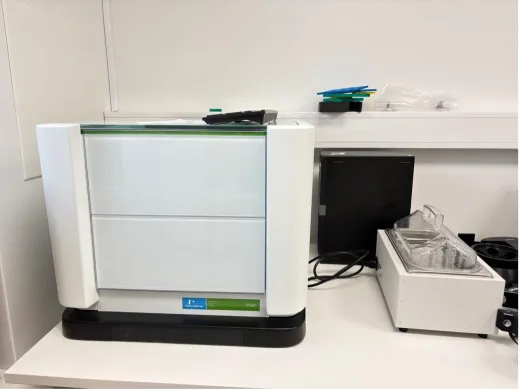
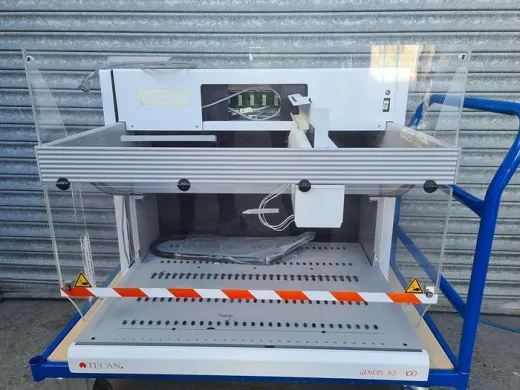
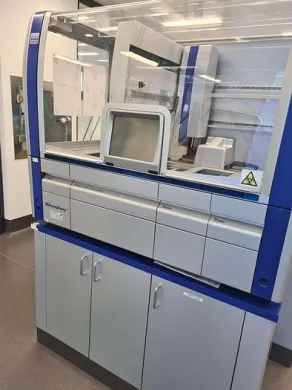


Not the exact instrument you need?
Tell our scientists what you are after. We track it down, including off-market supply.
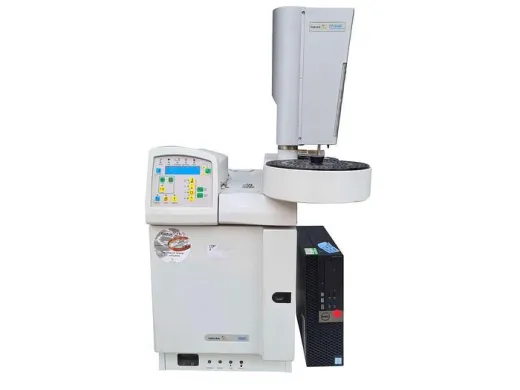
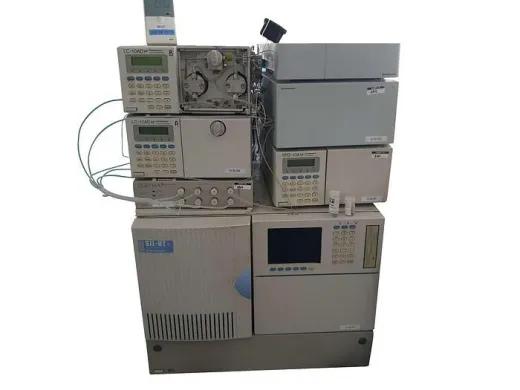
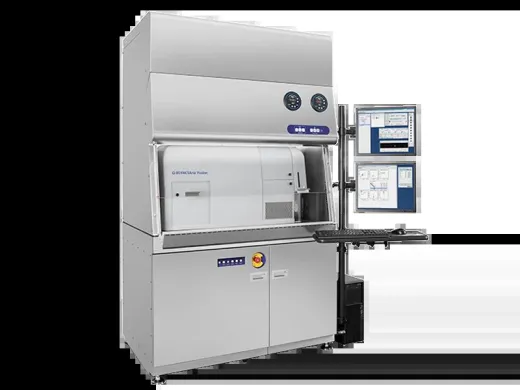
Shimadzu SIL-HT HPLC System with Accessories
- Category
- Hplc systems
- Brand
- Shimadzu
- Suppliers
- 1 verified
Not the exact instrument you need?
Tell our scientists what you are after. We track it down, including off-market supply.
Showing 1–40 of 5,863 listings
Show 40 more listingsBuying guide
Because this work spans dispensing, detection and analysis, the price range across the catalogue is wider than on any one category page. Listings run from EUR 0 to EUR 667.428. The low end is reagents, small molecule stock and consumables, the chemistry a screen burns through rather than the hardware that runs it. The high end belongs to the confirmation side: mass spectrometers and chromatography systems are the costly instruments here, and an automated liquid handler configured for high-density plates sits well up the range too. Microplate readers fall between those extremes, with price tracking the detection modes a unit supports.
Condition shapes what is on offer across all of it. 97 percent of the listings are used. For analytical instruments that figure reflects a long service life, where a well-maintained spectrometer or chromatograph performs to specification years after first sale, and a used unit is listed below a new one. Where the choice between new and used is close, the deciding factor is usually the individual listing rather than the condition label, and warranty is arranged in consultation for the specific unit.
Stock from across 104 countries means the full chain of this work, from the solvent a library is dissolved in to the instrument that confirms a hit, can be assembled from one catalogue. Parts for a given unit can be sourced via Questpair, and where documentation is missing the specialists respond within the hour.
Types of Drug Discovery & Screening
Drug discovery and screening is not a single sequence but a set of linked campaigns, and the equipment this work draws on reflects that: automated liquid handlers and microplate readers for the screen itself, chromatographs and mass spectrometers for the chemistry and the confirmation, PCR and flow cytometry for cell-based readouts, and the compound and reagent stock the assays consume. The work runs in stages, from preparing a library through running the primary screen to confirming what it turns up, and the sections below follow that order.
How is a compound library prepared and dispensed?
Before any assay runs, the library has to reach the assay plate at a known concentration in a known volume. This is where automated liquid handling sits at the centre of the setup: source plates of small molecules in solvent, serial dilution into assay plates, and transfer of nanolitre to microlitre volumes across 96, 384 or 1536 wells. The precision demanded here propagates downstream, because a dispensing error on the source plate becomes a false reading on every well it feeds. The chemicals, fine chemicals and small molecule listings in the catalogue are the stock these steps consume, and the reagent and synthesis category covers what goes into building and formatting a library in the first place. A handler chosen for an early-stage screen and one chosen for confirmation runs face different constraints, because the first prizes throughput and the second prizes carryover control between samples.
Running the primary screen
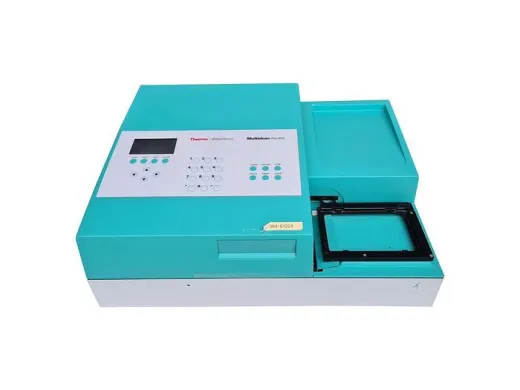
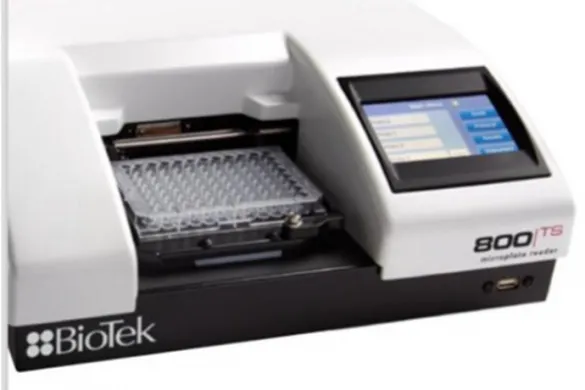
The primary screen is the throughput step, where thousands of wells are read for a single endpoint. Microplate readers do the measuring: absorbance, fluorescence or luminescence depending on the assay chemistry, read across a full plate in a fixed window so that signal does not drift from the first well to the last. Immunoassay systems carry the binding-based readouts, where a target-ligand interaction is turned into a measurable signal. The step that precedes this, dispensing, and the step that reads it constrain each other directly: a reader optimised for luminescence is wasted on an absorbance assay, and the dispensing format fixes the plate density the reader has to handle. This is the connection a single category page cannot make, because each knows only its own instrument.
What confirms a hit once the screen flags one?
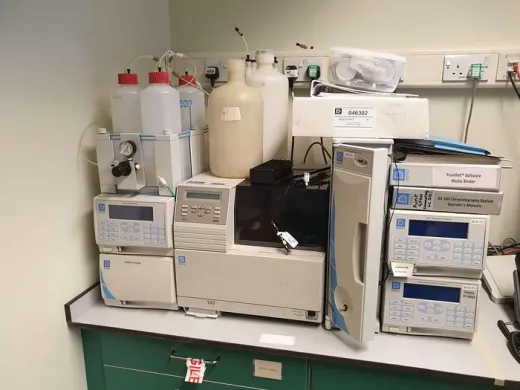
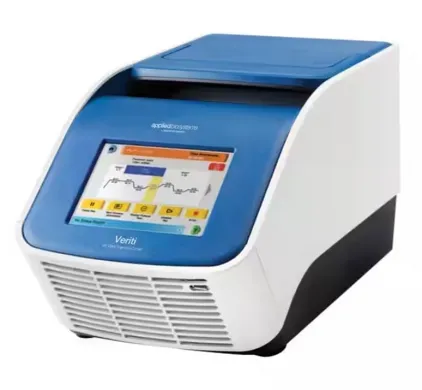
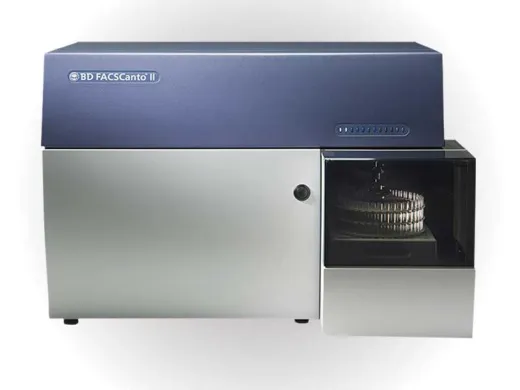
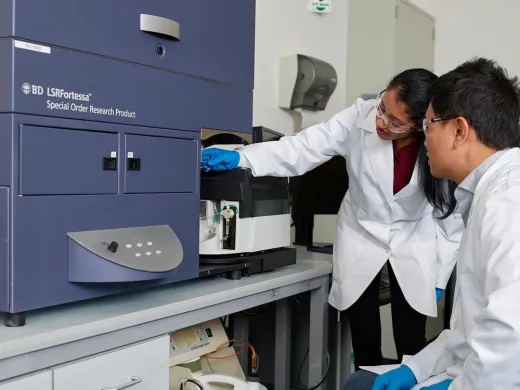
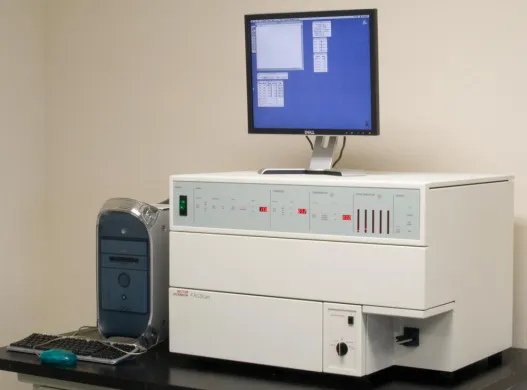
A primary hit is a candidate, not a result. Confirmation leans on the analytical side of the bench. Chromatography separates a mixture so that the active component can be isolated and its purity checked, and mass spectrometers identify what is actually present, confirming the compound's mass and structure against what the library record says it should be. For cell-based work, flow cytometers measure response at the single-cell level and PCR equipment quantifies changes in gene expression that follow a treatment. Pharmaceutical equipment covers the formulation and handling steps that sit around this analytical work. Each of these stages can send a candidate back to the dispensing step for a dose-response run, so the workflow loops rather than ending at a single pass.
Frequently asked questions
What equipment do I need at minimum to start screening?
A primary screen needs three things working together: an automated liquid handler to dispense the library into assay plates, a microplate reader matched to your assay chemistry, and the reagent and compound stock the assays consume. Confirmation instruments like chromatographs and mass spectrometers can be added once the screen flags hits, but dispensing and detection are the pair you cannot run a screen without.
Which step is the most expensive to set up?
Confirmation is the costly end of the bench. Mass spectrometers and chromatography systems sit at the top of the range, and an automated liquid handler configured for 1536-well plates sits well up it too. Microplate readers fall between those extremes, with price tracking how many detection modes a unit supports.
What can I buy used and what is better bought new for this work?
Analytical instruments such as spectrometers and chromatographs have a long service life and perform to specification years after first sale, so a used or refurbished unit listed below a new one is a common choice. Where the gap between new and used is close, the deciding factor is usually the specific listing rather than the condition label, and warranty is arranged in consultation for that unit.
What has to match between the dispensing and detection steps?
The plate format fixes both. If the liquid handler dispenses into 384 or 1536 wells, the reader has to handle that density, and the reader's detection mode has to match the assay chemistry: a luminescence-optimised reader is wasted on an absorbance assay. A dispensing error on the source plate also propagates into every well it feeds, so the precision of the handler constrains what the reader can tell you.
Roughly what does a complete setup cost?
Because this work spans dispensing, detection and analysis, the range is wide. Listings run from EUR 0 to EUR 667.428, with reagents, small molecule stock and consumables at the low end and mass spectrometers, chromatography systems and high-density liquid handlers at the high end. A full chain from library solvent to confirmation instrument can be assembled across 10393 listings from 167 verified suppliers and distributors.
Where does cutting the budget cost me later?
Dispensing is where a saving comes back on you. A handler that does not hold volume from run 10 to run 10,000, or one without carryover control between samples, turns into false readings on every well it feeds, which shows up as noise you cannot separate from real hits. Under-specifying the reader's sensitivity has the same effect at the detection step.
Which of these instruments gets used for other work too?
Chromatographs, mass spectrometers, PCR equipment and flow cytometers are general analytical and cell-biology tools, not screening-specific ones, so they carry across chemistry, formulation and cell-based work beyond a single campaign. Microplate readers and automated liquid handlers are the parts of the setup most tied to the screen itself, though both see use in any assay-heavy lab.
What should I check on a used liquid handler or reader before buying?
For a liquid handler, check volume accuracy across the plate densities you will run and carryover between samples if you plan confirmation work. For a reader, confirm which detection modes the unit supports and that it holds signal across a full plate without drift. Parts for a given unit can be sourced via Questpair, and where documentation is missing the specialists respond within the hour.
About Questpair
Questpair is the European marketplace for lab equipment, where AI-prepared cases and personal specialists guide every purchase. We work with 247 verified suppliers across 38 countries to find buyers the right new, used or refurbished instruments, with response within 1 hour and significant savings vs buying new.
Personal · Fast · Reliable · Affordable