

Microplate readers
We personally find you the right used, refurbished and new microplate readers instruments & equipment from verified suppliers.
Microplate readers are laboratory instruments that measure optical signals from samples held in the wells of a microtiter plate, typically in 96, 384 or 1536-well formats. They quantify absorbance, fluorescence or luminescence across many samples at once, which is what makes them central to assay-based work. The Questpair catalogue lists 751 microplate readers from 20 verified suppliers and distributors across 11 countries, in new, used and refurbished condition. Among those listings, 94 percent are used. Prices run from EUR 1 to EUR 107.611, a span that separates a bare single-mode unit from a fully equipped multi-mode platform.
Updated:
Microplate readers product list
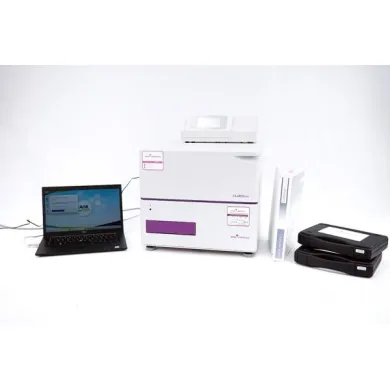
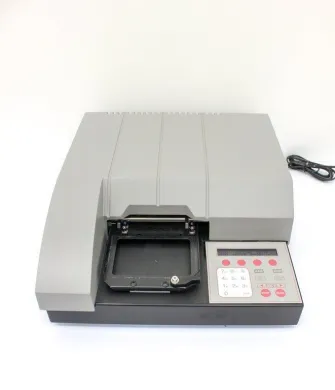
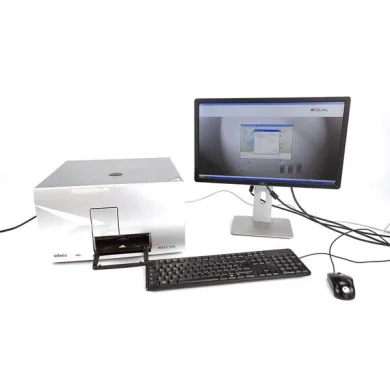
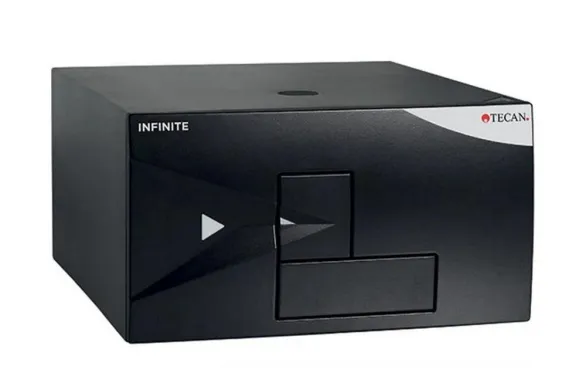


Not the exact instrument you need?
Tell our scientists what you are after. We track it down, including off-market supply.
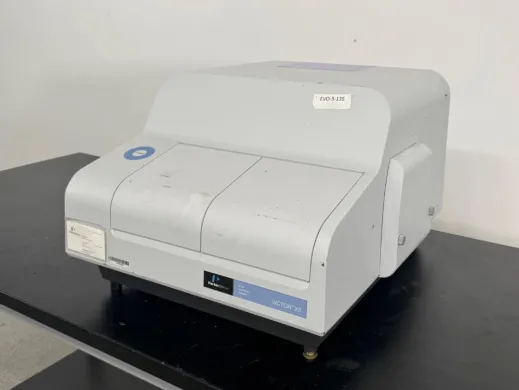
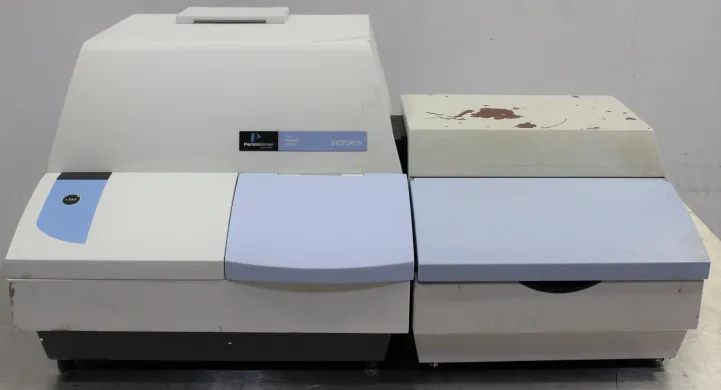
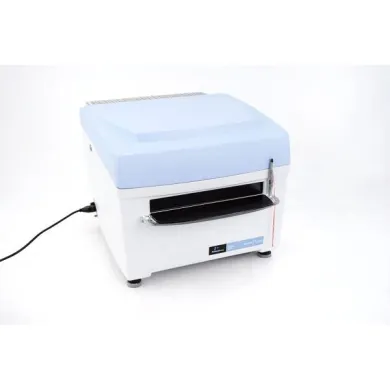
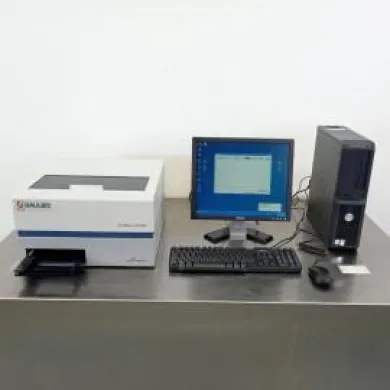
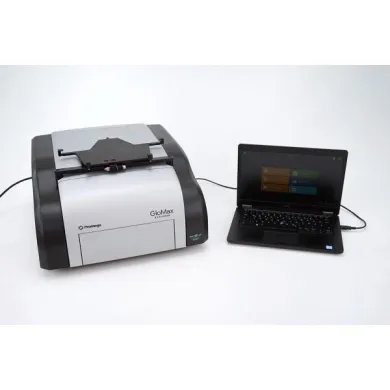
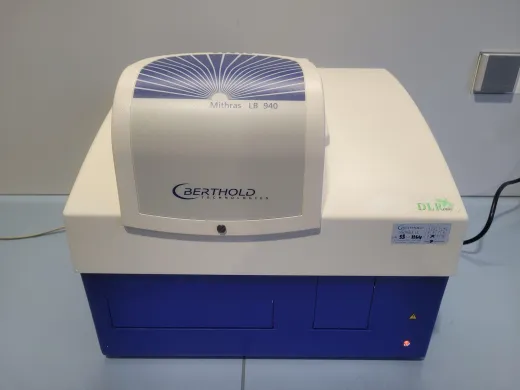
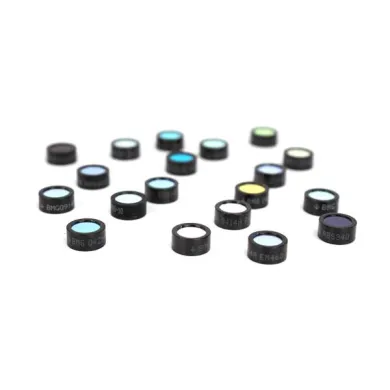
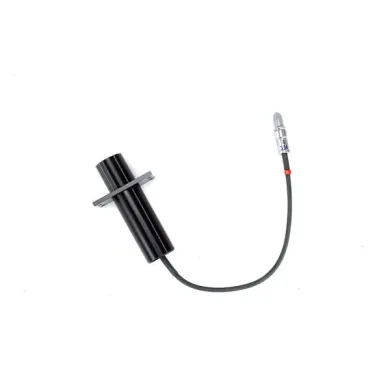
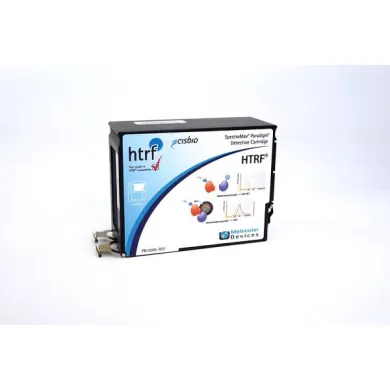
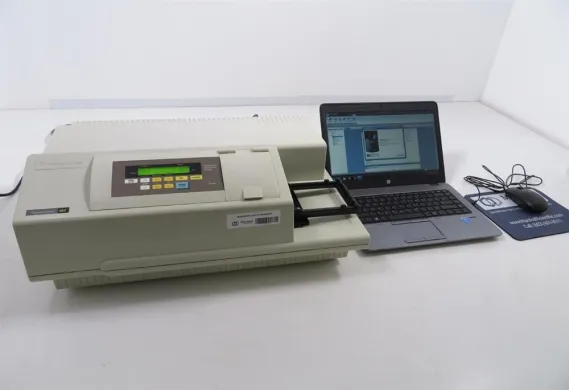
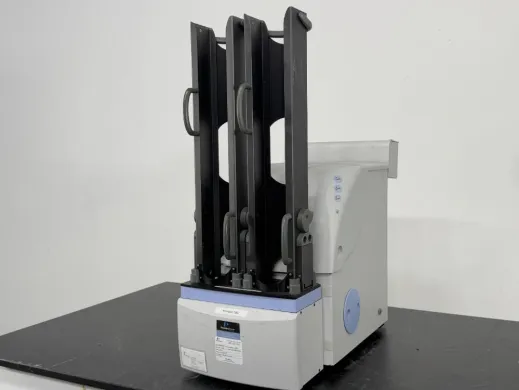
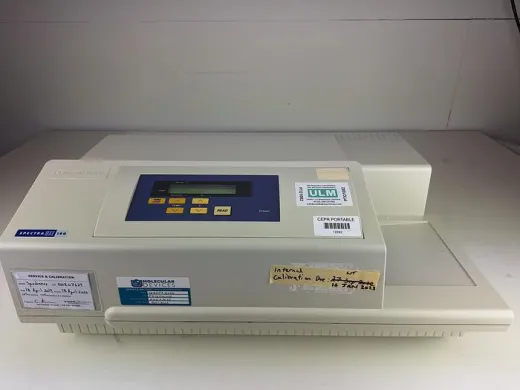
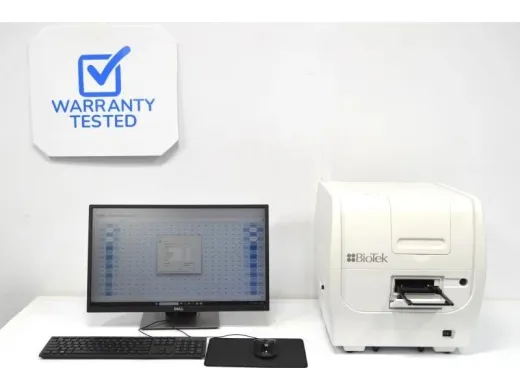
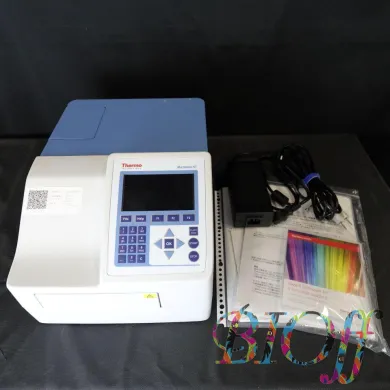
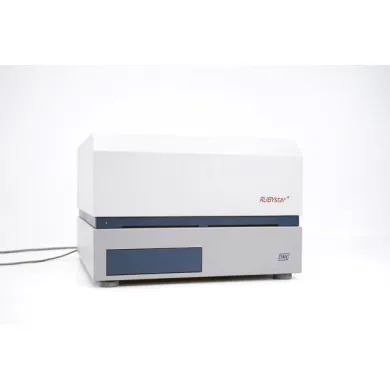
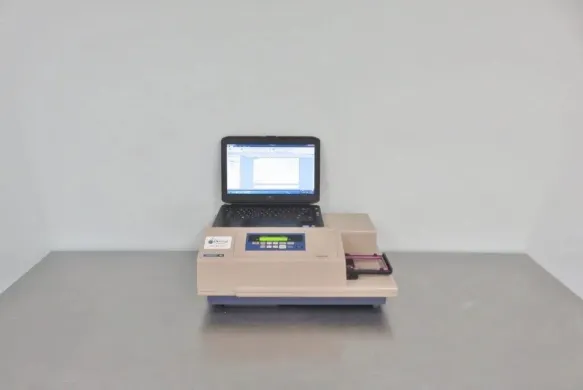
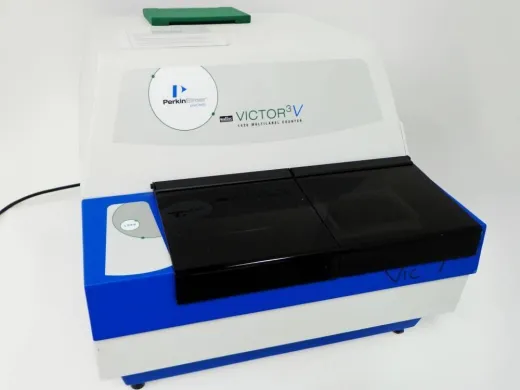
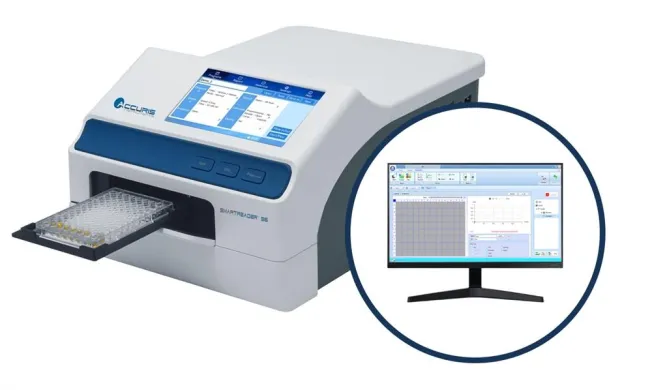
Not the exact instrument you need?
Tell our scientists what you are after. We track it down, including off-market supply.
Showing 1–40 of 469 listings
Show 40 more listingsBuying guide
The decision usually starts with detection mode, because it is the one specification a reader cannot work around after purchase. An absorbance-only instrument reads colorimetric and turbidity assays and nothing else; a fluorescence reader adds excitation and emission optics; a luminescence reader needs a light-tight path and sensitive photon counting. A multi-mode platform combines these, often with the option to add modules later. Match the mode to the assays actually run in the lab, not to the ones that might be run someday, since the optics and detectors that distinguish these classes set both the capability and the price.
Beyond mode, a buyer weighs the optical system itself. Filter-based readers use fixed bandpass filters and tend to be more sensitive for a given wavelength; monochromator-based readers select wavelengths electronically and cover a continuous range, which suits labs that change assays often. Read speed, well format support, and whether the unit handles kinetic or endpoint reads matter where throughput is the constraint. Injectors and temperature control turn up on instruments built for live-cell and enzyme kinetics, and their presence or absence is worth checking against the datasheet before committing.
On a used reader the verification shifts to condition, since optical and fluidic components wear in ways a photograph does not reveal. Confirm that the lamp or LED source is within its service life, that filter sets for the intended assays are present and not degraded, and that the detector still reaches its specified sensitivity. Where injectors are fitted, their lines and pumps are the first thing to inspect, as they clog and leak. A recent calibration record, or the ability to recalibrate, settles most of the remaining doubt. Warranty on a used unit is arranged in consultation for the specific listing.
Price tracks capability closely here. A basic absorbance reader occupies the lower end of the range, while a fully optioned multi-mode instrument with injectors and incubation sits near the top, and the average of EUR 7.258 reflects a catalogue weighted toward mid-range used units. For buyers working to a budget, the refurbished and used instruments listed for sale cost well below new equivalents, which is what makes a 94 percent used catalogue the practical starting point. The brands that dominate the listings, led by Molecular Devices, BioTek, PerkinElmer, Tecan, BMG Labtech, each occupy recognisable tiers, and knowing where a model sits in its maker's line helps a buyer judge whether an asking price is fair.
Types of Microplate readers
Which microplate reader types appear in the listings?
Among the listings that specify a type, the split follows detection mode first. A single-mode absorbance reader, also called an absorbance microplate reader, measures how much light a sample transmits at set wavelengths, the workhorse for ELISA endpoints, protein and nucleic acid quantification, and bacterial growth curves in microbiology. Fluorescence microplate readers detect emitted light after excitation, reaching far lower analyte concentrations, which is why they anchor immunoassay development, cell imaging readouts and gene-expression reporter work. Luminescence readers count photons from a reaction with no excitation source, the format behind reporter-gene assays, ATP viability tests and many high-sensitivity molecular diagnostics panels. Multi-mode microplate readers fold two or more of these into one instrument, and they are the type a buyer reaches for when a single lab runs across cell culture, proteomics and electrophoresis-adjacent quantification without wanting a separate box for each.
The field these instruments serve is broad across biotechnology and life sciences. Plate-based detection underpins high-throughput screening in drug discovery, enzyme-kinetics measurement in biochemistry, and the quantitative steps that follow protein purification. In cell culture and cell imaging laboratories a multi-mode reader with incubation and injectors supports live-cell assays; in genomics and synthetic biology workflows the same optics quantify reporter output from engineered constructs. A microplate reader for ELISA, a fluorescence plate reader for cell viability, and a luminescence reader for reporter-gene assays each describe a distinct instrument matched to a distinct experiment.
The brands behind the microplate reader listings
The most listed makers are Molecular Devices, BioTek, PerkinElmer, Tecan, BMG Labtech. Their prominence matters to a buyer in practical terms: widely sold platforms have more models to compare side by side, a deeper pool of used units to choose from, and better availability of filter sets, lamps and injector consumables. Instruments from the heavily represented lines also tend to have documented specifications a buyer can verify against, which makes judging a used unit's sensitivity and condition more straightforward than it is for a rare model. Parts for these readers can be sourced via Questpair.
What a used microplate reader costs here
Condition in this catalogue runs strongly toward pre-owned equipment: 94 percent of the listings are used. Prices span from EUR 1 to EUR 107.611. That range covers everything from a basic absorbance unit at the entry end to a fully optioned multi-mode platform with injectors and temperature control at the top, with the average settling at EUR 7.258. The used and refurbished instruments are listed below the price of new equivalents, which is the single comparison the condition split supports.
Frequently asked questions
What is a microplate reader?
A microplate reader is a laboratory instrument that measures optical signals from samples held in the wells of a microtiter plate, usually in 96, 384 or 1536-well formats. It quantifies absorbance, fluorescence or luminescence across many samples at once.
What does microplate reader mean?
The name describes the function: the instrument reads optical output from the wells of a microplate. The word covers single-mode units that measure one signal type and multi-mode platforms that combine several.
How do microplate readers work?
A light source and optics direct light at each well, and a detector measures the signal the sample produces. For absorbance the detector reads transmitted light, for fluorescence it reads emitted light after excitation, and for luminescence it counts photons from the reaction itself with no excitation source.
What types of microplate readers are there?
The listings sort by detection mode: absorbance readers (also called absorbance microplate readers), fluorescence microplate readers, luminescence readers, and multi-mode microplate readers that fold two or more modes into one instrument. The listed types include microplate reader, absorbance reader and multi-mode microplate reader.
What are microplate readers used for?
They cover ELISA endpoints, protein and nucleic acid quantification, bacterial growth curves, immunoassay development, cell viability and reporter-gene assays, and enzyme kinetics. The detection mode determines which of these a given reader can handle.
How do I choose a microplate reader?
Start with detection mode, since a reader cannot add absorbance, fluorescence or luminescence capability it was not built with. Then weigh the optical system (filter-based versus monochromator), well-format support, read speed, and whether injectors or temperature control are present for live-cell and kinetic work.
What is the difference between a filter-based and a monochromator-based reader?
Filter-based readers use fixed bandpass filters and tend to be more sensitive at a given wavelength. Monochromator-based readers select wavelengths electronically across a continuous range, which suits labs that change assays frequently.
Refurbished versus used, what is the difference?
Both are pre-owned, but a refurbished unit has been inspected and brought back toward working specification, while a used unit is sold in its current state. For either, confirm the lamp or LED service life, the filter sets, and detector sensitivity against the datasheet.
How much does a microplate reader cost?
Prices in the catalogue range from EUR 1 to EUR 107.611, with the average at EUR 7.258. A basic absorbance unit sits at the low end and a fully optioned multi-mode platform with injectors and incubation sits near the top.
Which brands make microplate readers?
The most listed makers here are Molecular Devices, BioTek, PerkinElmer, Tecan and BMG Labtech. Widely sold lines give a buyer more models to compare, a deeper pool of used units, and easier sourcing of filter sets, lamps and injector consumables.
Is there a warranty on a refurbished microplate reader?
A warranty is often possible and is arranged in consultation for the specific listing. Terms are not set centrally, so check the individual listing you are considering.
Can I get parts for a microplate reader?
Parts such as filter sets, lamps and injector consumables can be sourced via Questpair. Heavily represented brands tend to have broader parts availability than rare models.
How long does a microplate reader last?
Lifespan depends on the condition of the optical and fluidic components rather than age alone. The light source has a service life, filter sets degrade over time, and injector lines and pumps wear, so these are the parts to verify on a used unit.
New versus refurbished, which should I buy?
Used and refurbished readers are listed at lower prices than new equivalents, which is the clearest difference between them. Where warranty matters, it is arranged in consultation for the specific listing, so compare the exact unit you are weighing.
Where can I buy a microplate reader?
The Questpair catalogue lists 751 microplate readers from 20 verified suppliers and distributors across 11 countries, in new, used and refurbished condition.
What are the lead time and shipping like?
Lead time and shipping depend on the individual seller and the unit's location across the 11 countries represented. Details are confirmed per listing with the supplier.
How are microplate readers calibrated and maintained?
Maintenance centres on the light source, filter sets, detector and, where fitted, the injector lines and pumps, which clog and leak. A recent calibration record or the ability to recalibrate settles most questions about a used unit's sensitivity; Questpair does not perform servicing.
Which type do most labs reach for, and who buys which?
Absorbance readers suit ELISA, protein and nucleic acid quantification and growth curves; fluorescence readers serve immunoassay development and cell viability work at lower concentrations; luminescence readers cover reporter-gene and ATP viability assays. A lab running across several of these without wanting separate boxes reaches for a multi-mode reader.
What separates the cheapest microplate readers here from the most expensive?
The low end is a single-mode absorbance unit that reads colorimetric and turbidity assays only. The high end is a multi-mode platform with fluorescence and luminescence optics, injectors and temperature control, and the detection hardware that adds those modes is what drives the price between EUR 1 and EUR 107.611.