

Microarray scanners
We personally find you the right used, refurbished and new microarray scanners instruments & equipment from verified suppliers.
Microarray scanners are instruments that read the fluorescent signal from a hybridised microarray slide, converting the intensity at each spot into a quantitative measure of gene expression, genotype, or protein binding. They illuminate the array with one or more laser wavelengths and record the emission through a photomultiplier or CCD detector, producing an image a buyer then analyses with feature-extraction software. On Questpair, 159 used laboratory microarray scanners are listed from 10 verified suppliers and distributors across 5 countries. Among the current listings, 100 percent are used. Prices run from EUR 86 to EUR 64.562, so the catalogue spans both compact single-colour readers and high-throughput scanning platforms sold new for far more.
Updated:
Microarray scanners product list
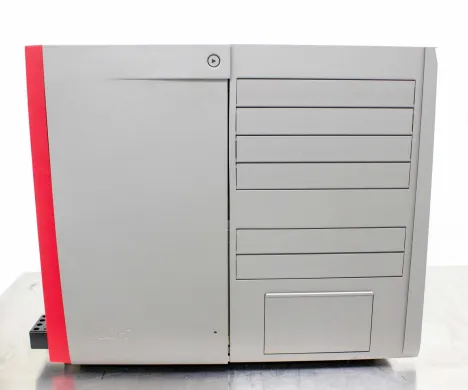
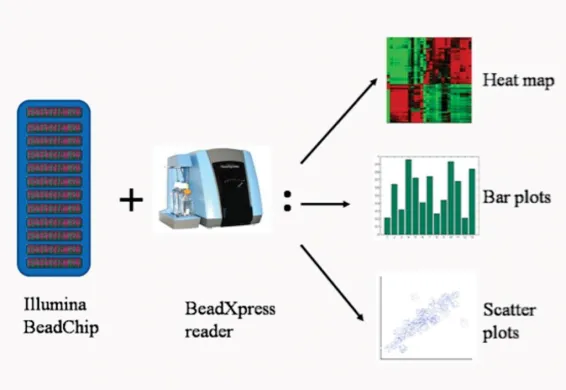
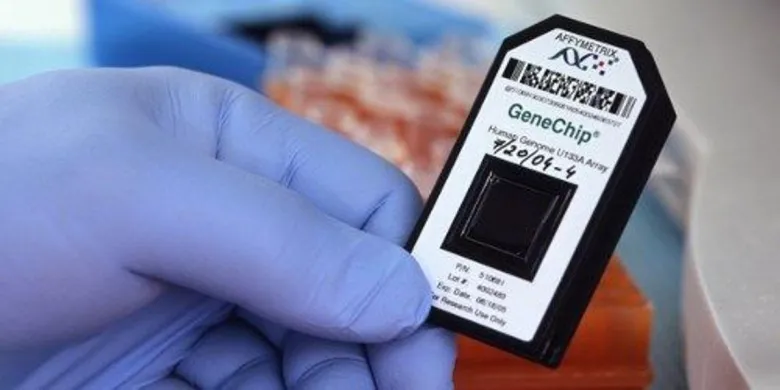
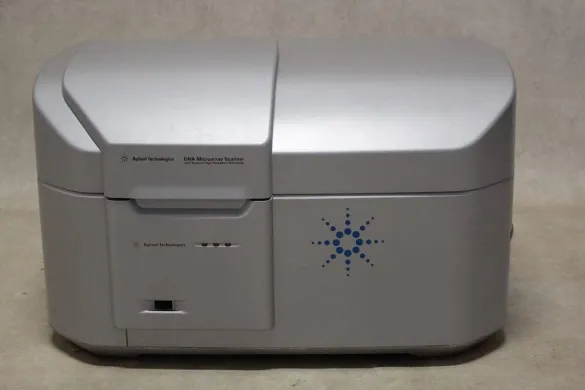


Not the exact instrument you need?
Tell our scientists what you are after. We track it down, including off-market supply.
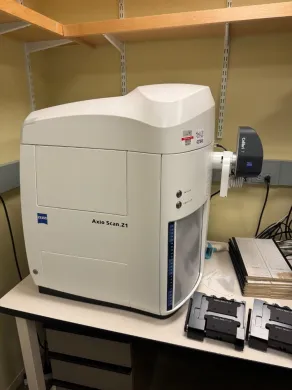
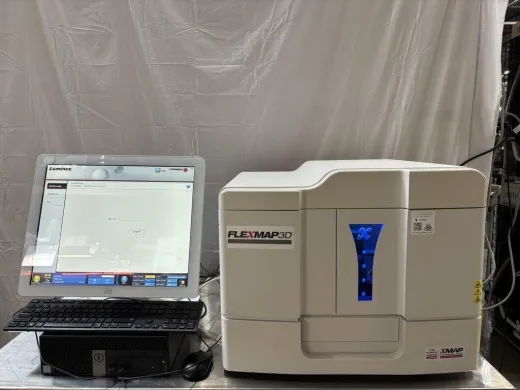
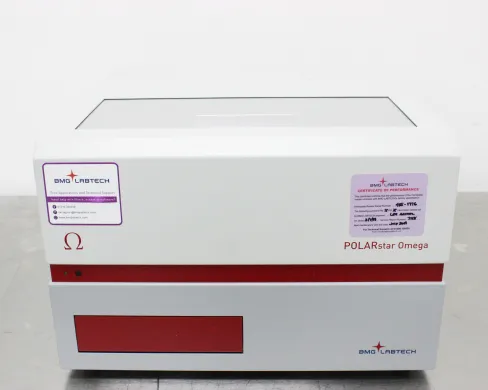
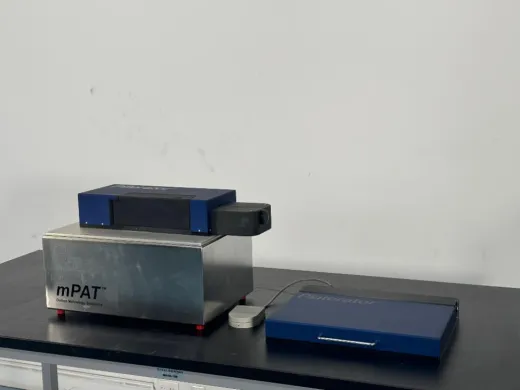
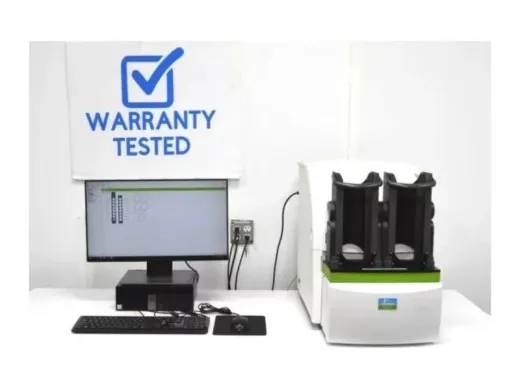
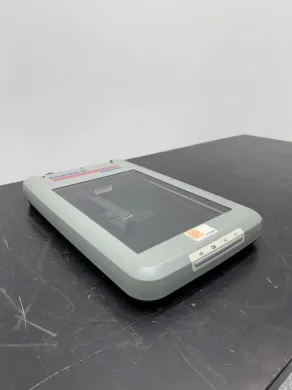
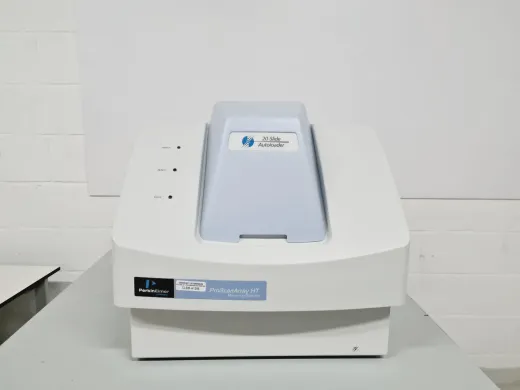
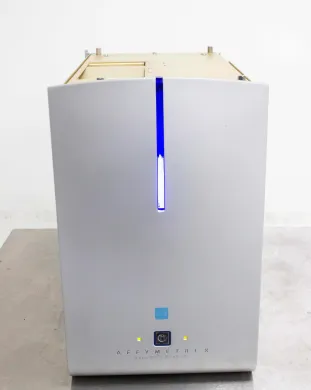
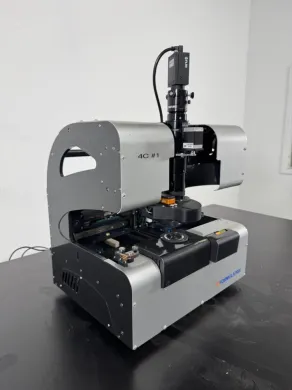
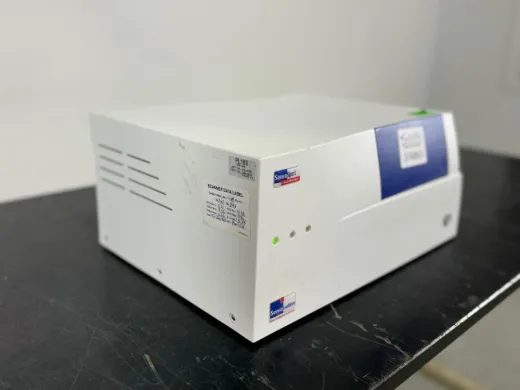
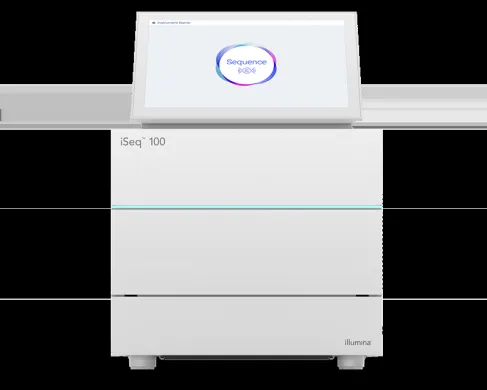
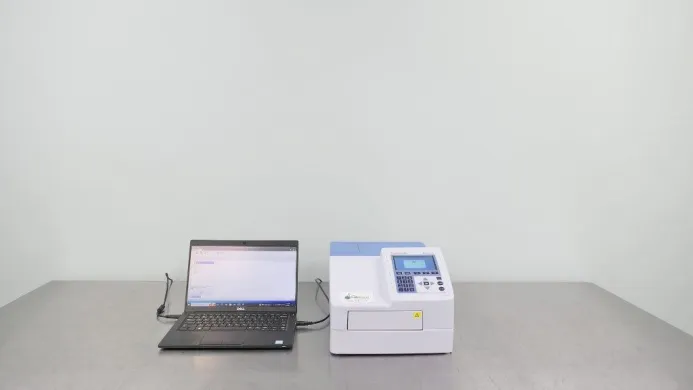
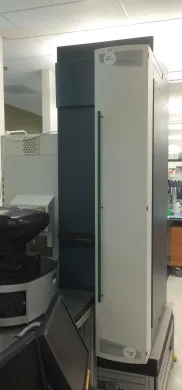
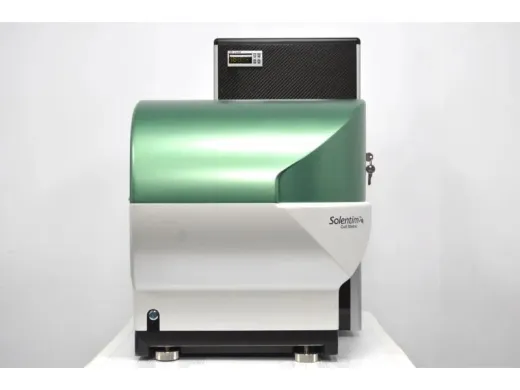
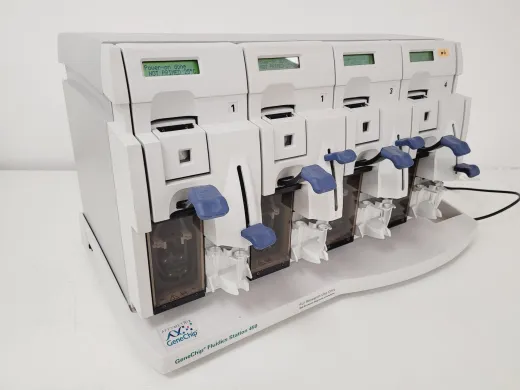
Not the exact instrument you need?
Tell our scientists what you are after. We track it down, including off-market supply.
Showing 1–40 of 87 listings
Show 40 more listingsBuying guide
What settles a microarray scanner purchase is the array format it was built to read, because a scanner optimised for one slide geometry will not reliably image another. Affymetrix GeneChip cartridges, Illumina BeadChips, and printed spotted slides each present their features at a different pitch and depth, and the scanner's optical path, autofocus, and slide carrier are matched to one of them. A buyer confirms which format a listed unit handles before weighing anything else, since a mismatch here cannot be corrected by settings or software.
Laser configuration follows from that. A single-wavelength scanner reads one-colour expression arrays; a two-colour system with separate excitation lines at roughly 532 and 635 nm reads the Cy3 and Cy5 dyes of comparative hybridisation. Resolution, quoted as the smallest pixel the optics resolve, decides whether densely printed features stay separable, and dynamic range governs how faithfully both faint and saturating spots are recorded in the same scan. These are the specifications on the datasheet that map directly onto the work, so a buyer reads them against the arrays actually in use rather than against the highest number quoted.
On a used unit, the detector and the light source are what age. Photomultiplier sensitivity drifts and laser output falls over service life, both of which flatten the signal a scan can recover, so the sell-side service history and the date of the last optical alignment matter more than cosmetic condition. Verify that the control and feature-extraction software is present and licensed for the model, since several platforms are unusable without the matched application. Where a calibration slide ships with the unit, it lets a buyer confirm uniformity on arrival.
Price on Questpair reflects this spread. A buyer working to a budget will find older single-colour readers near the lower bound, while a complete high-throughput system with its fluidics and autoloader sits toward the upper. The used and refurbished units listed for sale are more affordable than the same platforms new, and because warranty is arranged in consultation for the individual listing, what a unit costs is best read against its stated condition and included software rather than against the headline figure alone. The brands that occupy these bands, Affymetrix, Illumina, Molecular Devices, Innopsys, Tecan, set the reference points a buyer compares against.
Types of Microarray scanners
Which scanner types appear in the microarray listings?
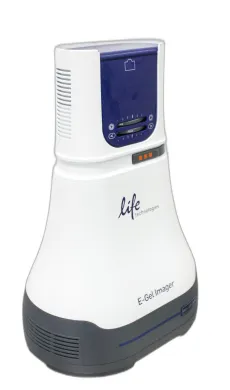
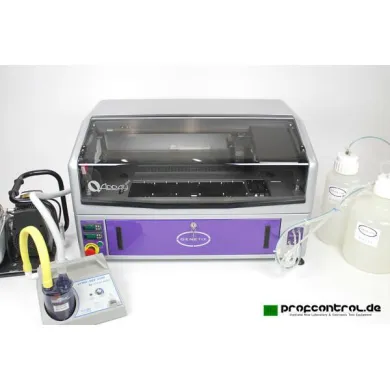
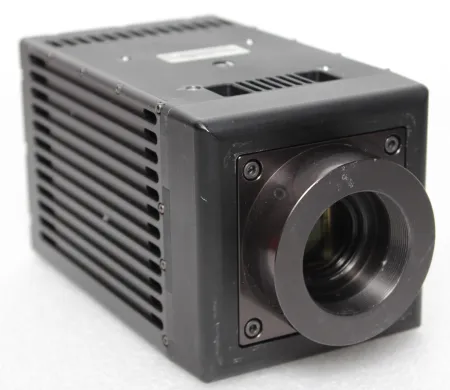
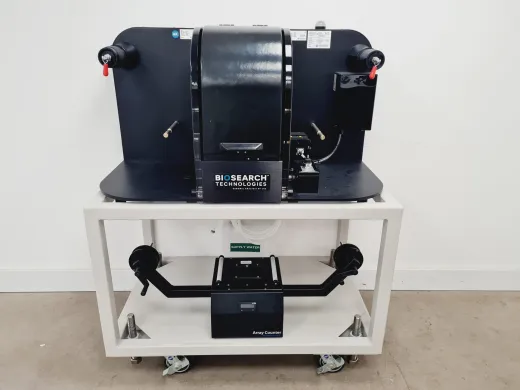
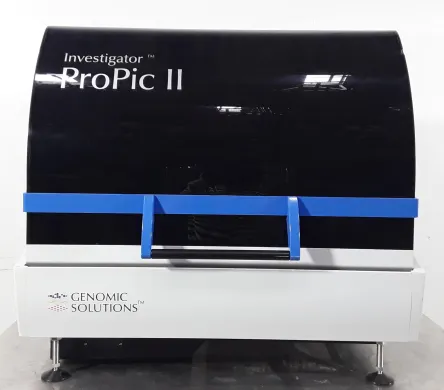
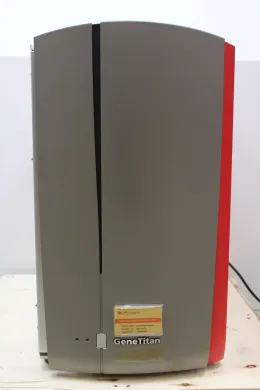
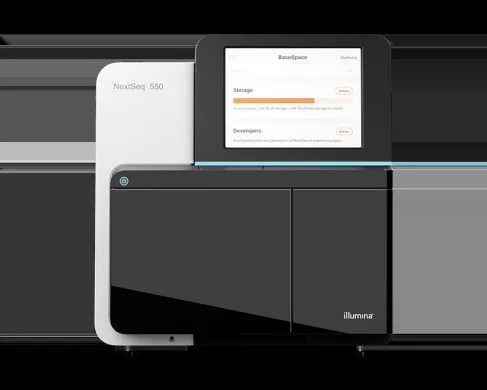
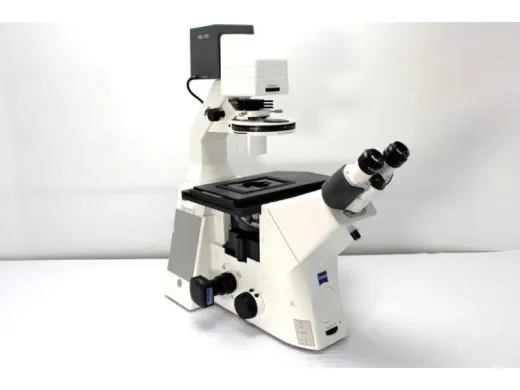
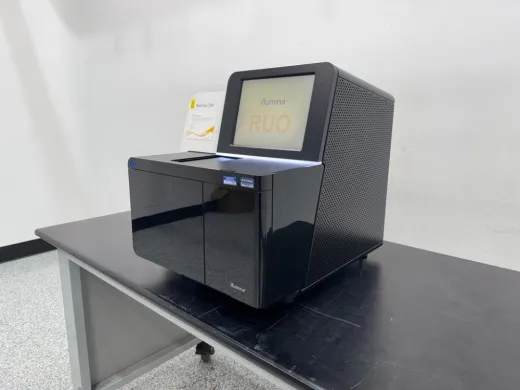
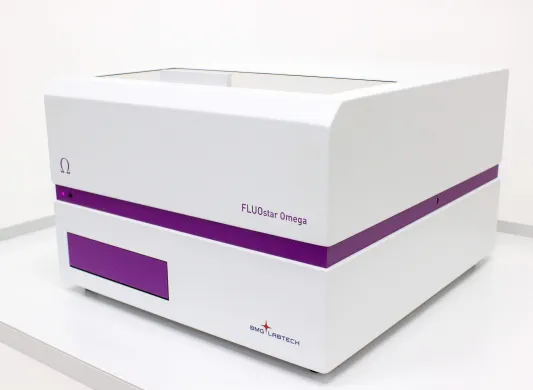
Among the listings that specify a type, microarray scanner, fluorescence scanner, imaging system, multi-mode microplate reader, fluidics station, fluorescence imaging system are the forms that recur. A dedicated microarray scanner is the core instrument, a confocal or CCD reader built to image a single slide at fixed feature pitch; a fluorescence scanner is the broader optical class it belongs to, reading emission from labelled targets across a range of slide and gel formats. An imaging system and a fluorescence imaging system extend that further, capturing a whole slide or membrane in one exposure rather than scanning a beam across it, which suits lower-density arrays and blots. A multi-mode microplate reader is a different instrument that also measures fluorescence, listed here because it overlaps in detection chemistry, and a fluidics station is the hybridisation and wash companion that prepares arrays before they reach the scanner.
Microarray scanners do the readout step of genomics and molecular biology, so these appear in gene expression profiling, genotyping and molecular diagnostics work. A two-colour fluorescence scanner reads comparative hybridisation arrays used in transcriptomics; a protein microarray scanner reads immunoassay and antibody-binding arrays used in proteomics. Fluorescence imaging systems are also used for cell imaging and electrophoresis gel documentation where the same labelled-signal detection applies.
The brands behind the microarray scanner listings
The makers listed most often are Affymetrix, Illumina, Molecular Devices, Innopsys, Tecan. For a buyer this matters in practical terms rather than prestige: a platform with a large installed base, such as the Affymetrix and Illumina readers, is easier to compare across listings and more likely to have consumables and parts still in circulation, which can be sourced via Questpair. Innopsys and Tecan units tend to appear as spotted-slide and multi-mode readers, which widens the format range available. Because several of these platforms depend on matched software, the brand also fixes which application a buyer needs alongside the hardware.
What a used microarray scanner costs here
Every listing in this category is used. 100 percent of the listings are used. Prices run from EUR 86 to EUR 64.562, a spread that covers bare single-colour readers at one end and complete high-throughput systems with fluidics and autoloaders at the other. The average listing sits near EUR 8.449. Where a buyer weighs a used unit against a new one, the clear difference is price: the used units here are listed below their new equivalents, and warranty is arranged in consultation for the specific listing rather than set centrally.
Frequently asked questions
What is a microarray scanner?
A microarray scanner is a laboratory instrument that reads the fluorescent signal from a hybridised microarray slide, measuring intensity at thousands of spotted probes. It quantifies gene expression, genotype, or protein binding across a genome-wide probe set on a single slide.
What does microarray scanning actually mean?
It refers to exciting fluorophore-labelled probes on a slide with laser light and recording the emitted signal at each spot. The resulting intensity values are mapped back to the probes to produce quantitative data on expression, SNPs, or binding.
How do microarray scanners work?
One or more laser lines excite the fluorescent labels bound to probes on the slide, and detectors capture the emitted light at each position. Point-scanning readers move across the slide pixel by pixel, while imaging systems capture the whole slide in one pass.
What types of microarray scanners are there?
The catalogue separates into dedicated microarray scanners, fluorescence scanners, imaging systems, multi-mode microplate readers, fluidics stations, and fluorescence imaging systems. They differ in how they excite the slide and whether they also handle plates, gels, or hybridisation and wash steps.
What are microarray scanners used for?
They are central to genomics and molecular diagnostics, reading arrays for genome-wide expression profiling, SNP genotyping, and comparative genomic hybridisation. Fluorescence scanners within the category also serve protein microarray work and immunoassay readout.
How do I choose a microarray scanner?
Match the instrument to the array format and workflow you run: channel count and resolution for expression or genotyping, imaging capture if spot morphology matters, and consumable and software compatibility if you are tied to an Affymetrix or Illumina ecosystem. Check whether the listing includes any companion fluidics station your workflow needs.
What is the difference between refurbished and used scanners?
Used units are sold in their existing condition, while refurbished units have been inspected and restored before listing. Both are listed below new pricing on Questpair, and the practical question is the instrument's history, which you can confirm against the specific listing.
How much does a microarray scanner cost?
Prices range from EUR 86 to EUR 64.562, with an average of EUR 8.449. The low end covers accessory items and simpler single-channel readers, and the high end covers integrated multi-laser imaging platforms.
Which brands make microarray scanners?
The names that recur in the catalogue are Affymetrix, Illumina, Molecular Devices, Innopsys, and Tecan. Each ties its readers to its own consumable and software ecosystem to varying degrees, which is worth checking before purchase.
Can I get a warranty on a refurbished scanner?
A warranty is often possible and is arranged in consultation for the specific listing. Terms depend on the individual unit rather than a blanket policy.
Are parts available for these scanners?
Parts can be sourced via Questpair. Because two instruments doing the same job rarely share a part across different makers, confirm compatibility against the specific model before buying.
How long does a microarray scanner last?
Lifespan depends on usage, maintenance, and laser condition rather than a fixed figure, since the excitation sources and optics are the components that degrade over time. Service history on the specific listing is the better guide than age alone.
Should I buy new or used?
Used and refurbished units are listed at lower prices than new, which is the clearest difference between them. Where you have to weigh the two, check the individual listing and note that warranty is arranged in consultation.
Where can I buy a microarray scanner?
Questpair lists microarray scanners from 10 verified suppliers and distributors across 5 countries. The catalogue holds 159 listings in new, used, and refurbished condition.
What is the lead time and shipping on these?
Lead time and shipping depend on the individual supplier and the unit's location, so they vary by listing. For a specific timeline, contact Questpair and specialists respond within one hour.
How are microarray scanners calibrated and maintained?
Routine upkeep covers laser alignment checks, detector gain settings, and calibration slides to verify signal consistency across the array. Questpair does not offer repair or servicing, but documentation to guide this can be requested through Questpair, with specialists responding within one hour.
Which scanner types are listed most, and who reaches for which?
Dedicated microarray scanners and fluorescence scanners anchor the category, reached for by genomics labs running expression arrays and SNP genotyping. Imaging systems suit array-based molecular diagnostics where spot morphology matters, while multi-mode microplate readers appear here because the same optics also serve array-format assays for screening labs.
Which brands dominate this category, and what does that mean for me?
Affymetrix, Illumina, Molecular Devices, Innopsys, and Tecan are the recurring names. A concentrated field makes models within a single maker's line straightforward to compare on resolution and channel count, but it also means consumables and parts tend to follow the installed base of a given platform.
What separates the cheapest scanners here from the most expensive?
At the low end sit accessory items and simpler single-channel readers that handle one fluorophore. At the high end are integrated multi-laser imaging platforms with higher resolution, multiple channels, and imaging capture, which is why prices stretch from EUR 86 to EUR 64.562.