

Immunoassay systems
We personally find you the right used, refurbished and new immunoassay systems from verified suppliers.
Immunoassay systems are laboratory instruments that detect and quantify specific proteins, hormones, antibodies and other analytes by exploiting the binding between an antigen and its matching antibody. The category spans benchtop analyzers, plate-based readers and fully automated platforms used across clinical diagnostics, drug discovery and life sciences research. On the Questpair catalogue, 310 listings sit in this category, offered by 17 verified suppliers and distributors across 12 countries. New, used and refurbished units are all listed. 99 percent of the listings are used. Prices range from EUR 16 to EUR 116.220, so the catalog covers both small plate washers and large automated immunoassay systems built for clinical throughput.
Updated:
Immunoassay systems product list
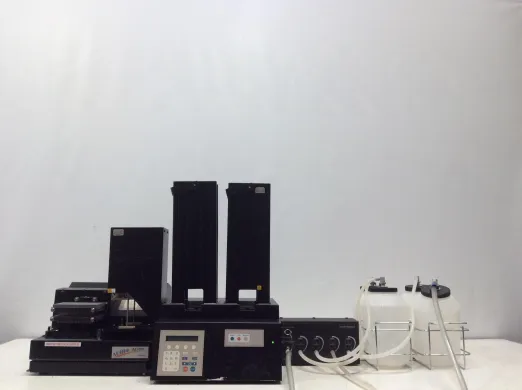
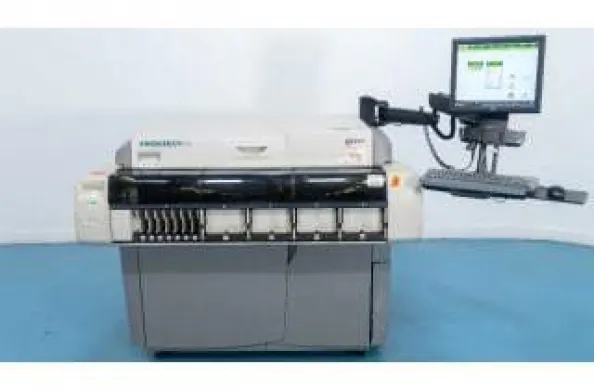
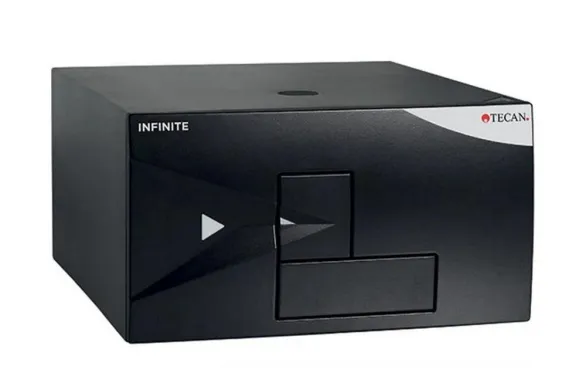
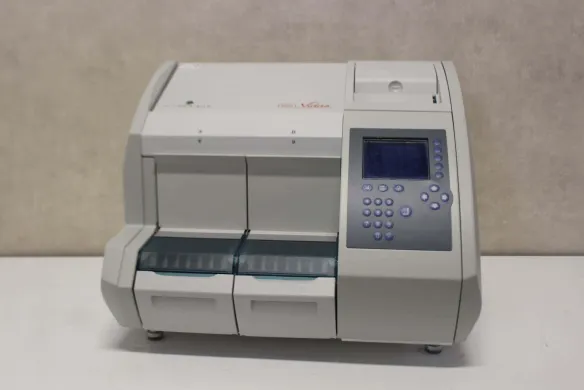
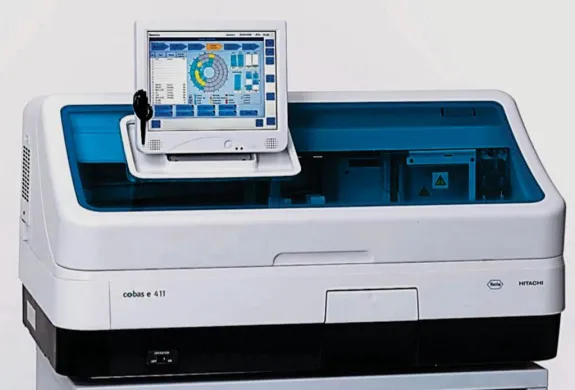


Not the exact instrument you need?
Tell our scientists what you are after. We track it down, including off-market supply.
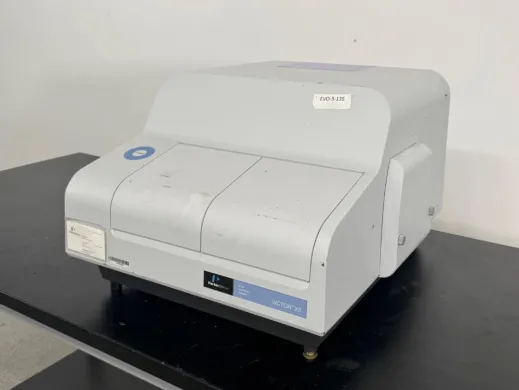
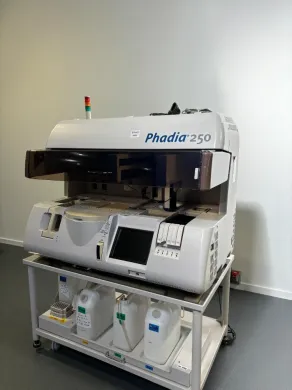
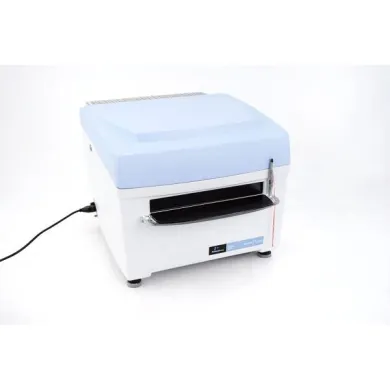
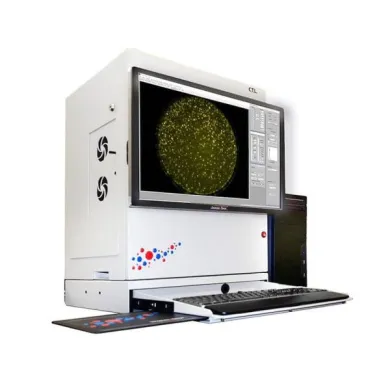
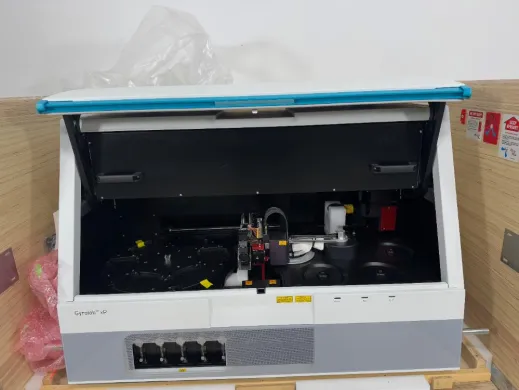
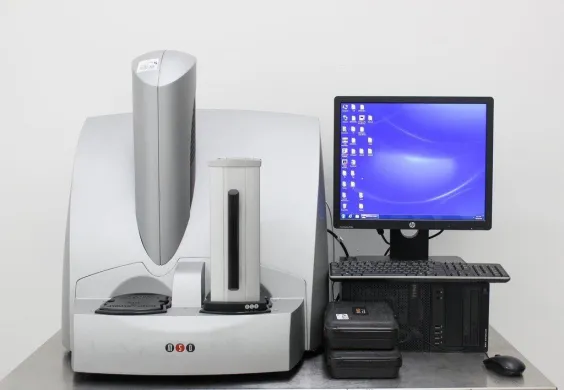
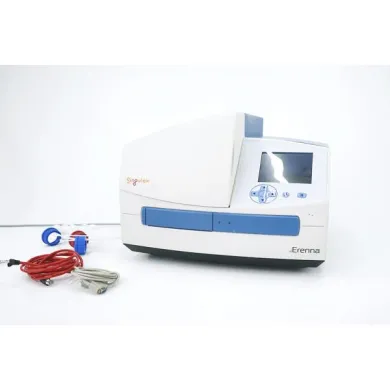
Not the exact instrument you need?
Tell our scientists what you are after. We track it down, including off-market supply.
Showing 1–40 of 208 listings
Show 40 more listingsBuying guide
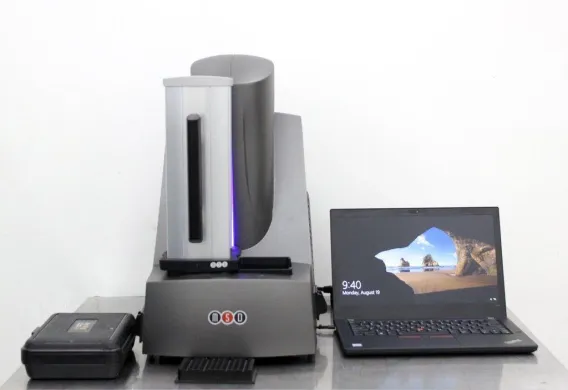
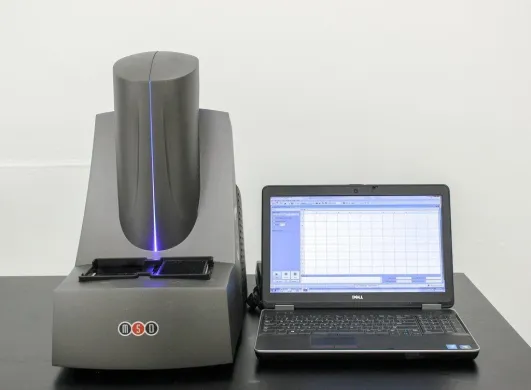
The measurement chemistry a platform is built around decides more than any throughput figure, because it sets what the instrument can detect at all. A reader built for colorimetric ELISA cannot run a chemiluminescent assay, and a fluorescence-based bead system reads panels that an absorbance analyser never will. Confirm which detection modes a unit supports, which wavelengths or channels it covers, and whether the assays your protocols depend on have been validated on it. On a multiplex platform, the number of simultaneous analytes it can resolve per well is the figure that separates one generation of instrument from the next, and it is worth matching that to the panels you actually run rather than the maximum the datasheet advertises.
A used analyser carries history that the specification sheet does not. Optical components drift, light sources age, and fluidics in automated immunoassay systems accumulate wear that affects pipetting accuracy. Ask for the most recent calibration record, the lamp or laser hour count where the platform tracks it, and confirmation that the wash and aspiration lines were serviced. For bead-based and chemiluminescent systems, verify that the detector still meets its original sensitivity specification, since a weak signal path quietly widens every result. Where a listing includes validation or qualification documentation, that record is worth more than the instrument's age, because immunoassay instrumentation is judged on measured performance, not on year of manufacture.
Price here spans a wide band, and the range reflects the gap between a bare microplate reader and a fully automated clinical chemistry line. Prices run from EUR 16 to EUR 116.220. What a unit costs tracks closely with automation and detection breadth: manual plate readers sit at the low end, while walk-away analysers with integrated sample handling occupy the top. A buyer working to a fixed budget will find that a refurbished benchtop reader covers routine ELISA work at a fraction of a new platform's price, since refurbished units listed for sale are more affordable than new ones. Among the dominant names, Charles River, Bio-Rad, Luminex, PerkinElmer, ProteinSimple appear most often, which matters for a buyer because an installed base makes consumables, replacement parts and like-for-like comparison easier. Parts can be sourced via Questpair when a listing arrives incomplete.
Types of Immunoassay systems
Which immunoassay system types are listed?
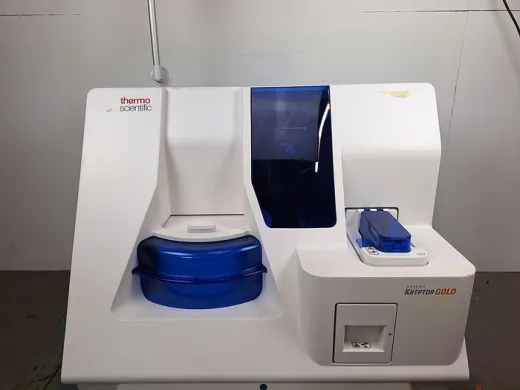
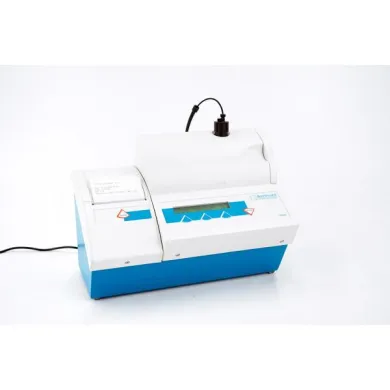
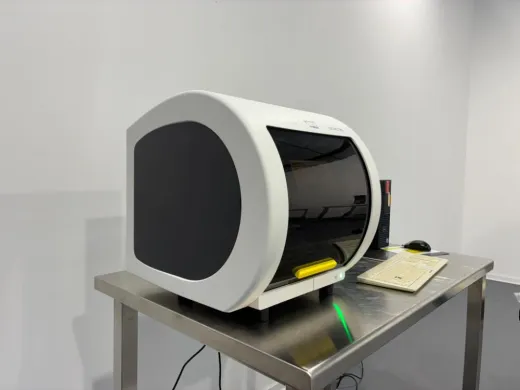
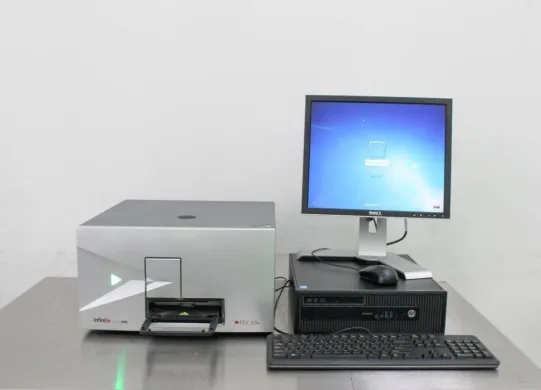
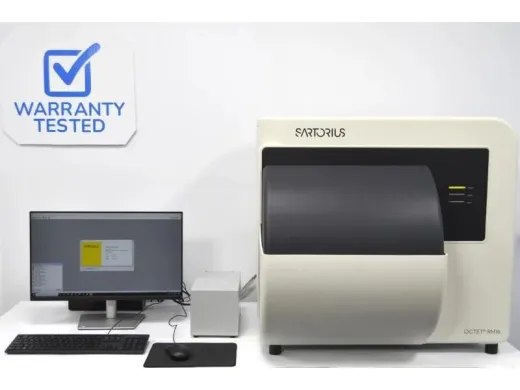
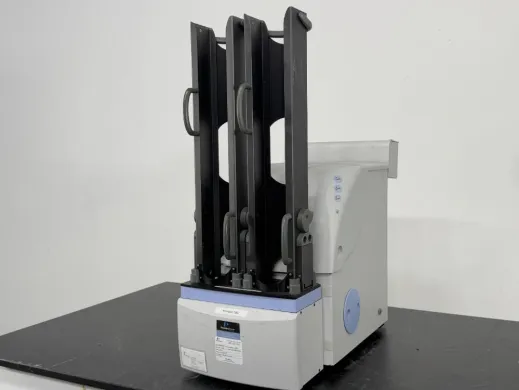
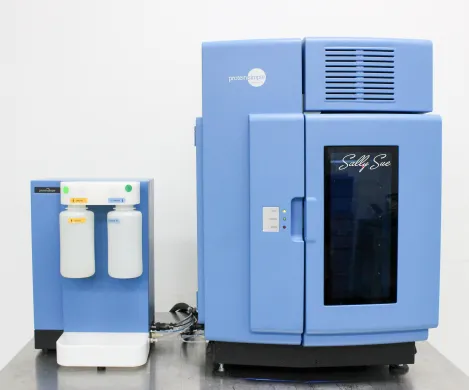
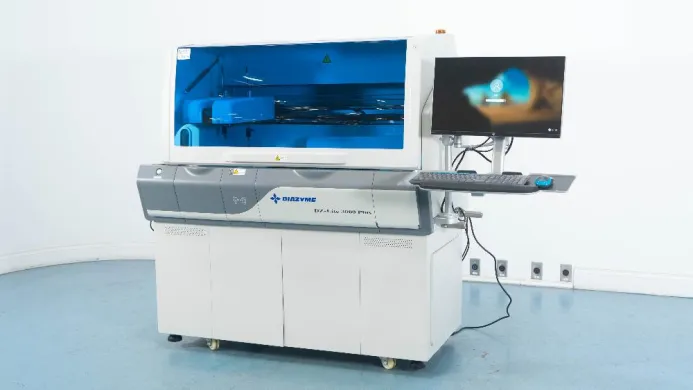
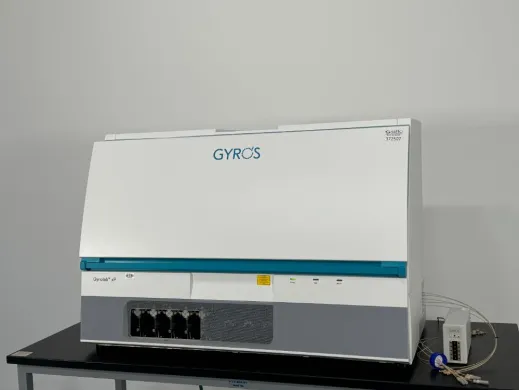
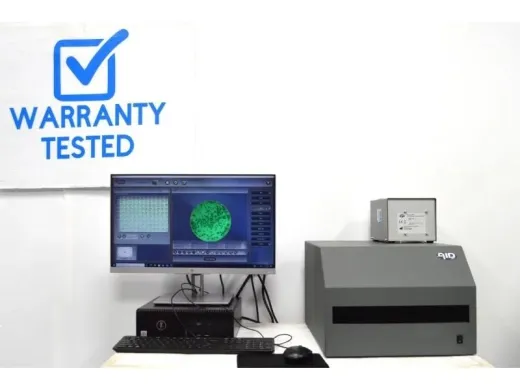
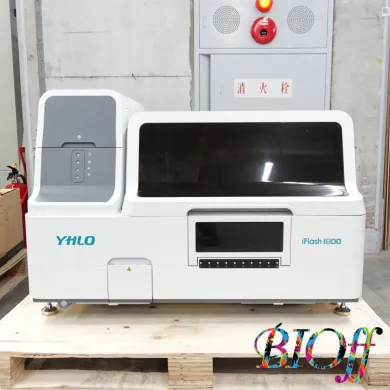
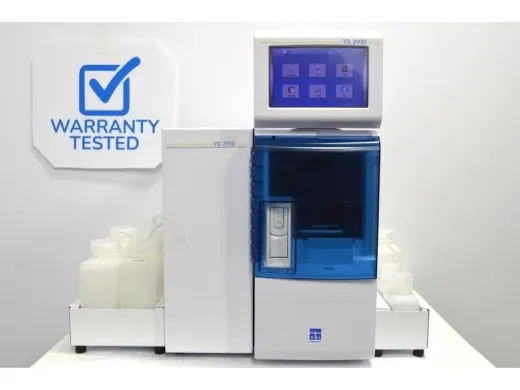
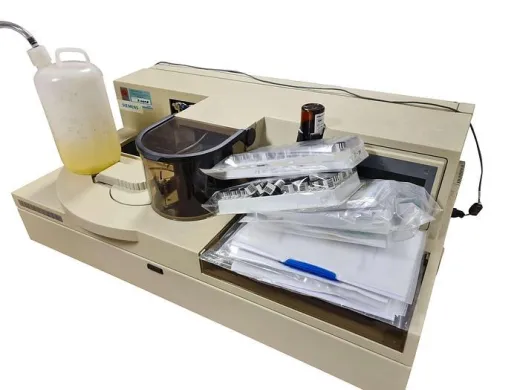
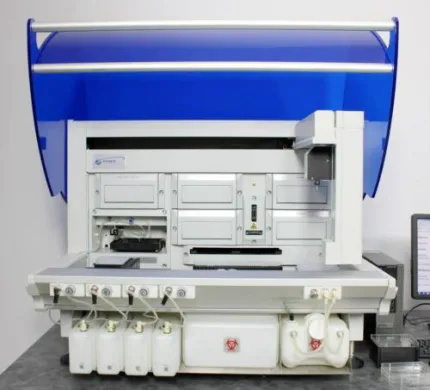
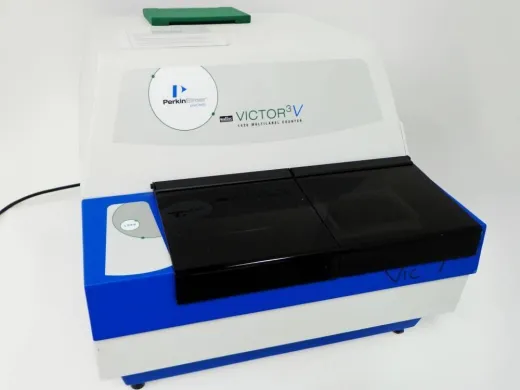
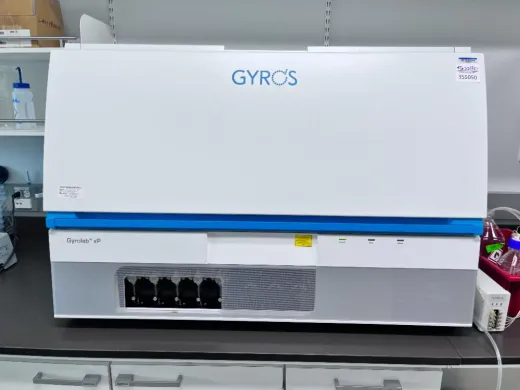
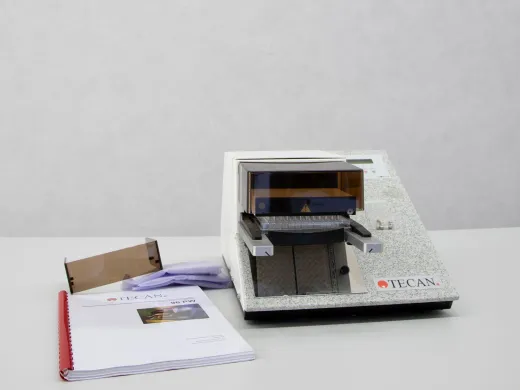
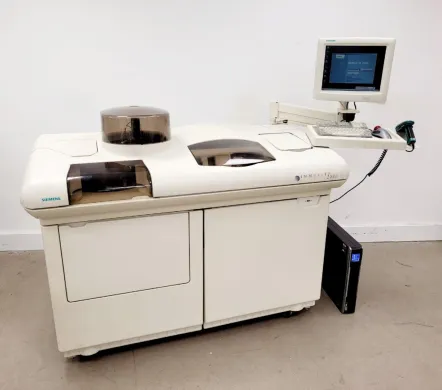
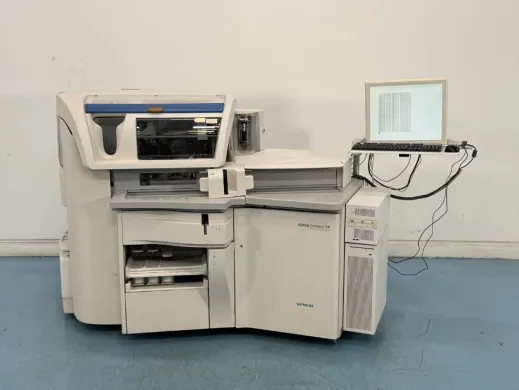
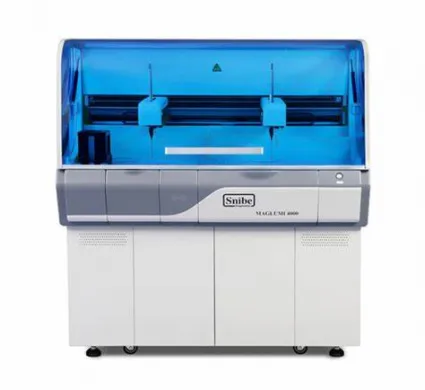
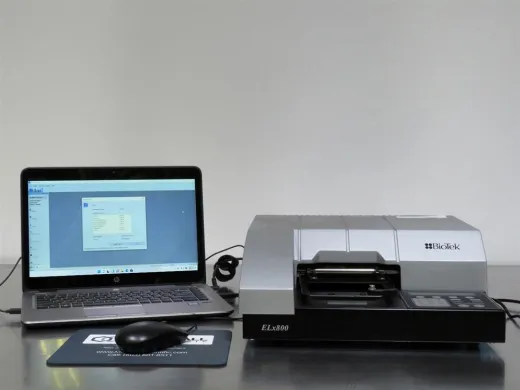
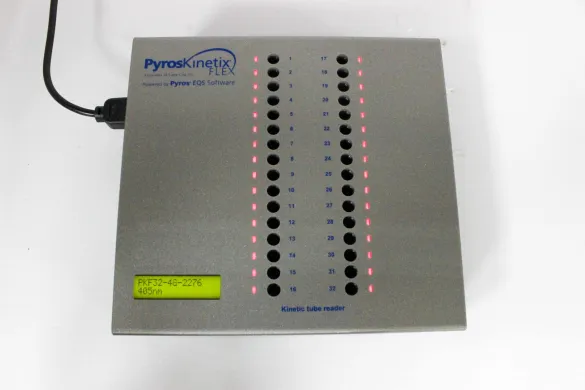
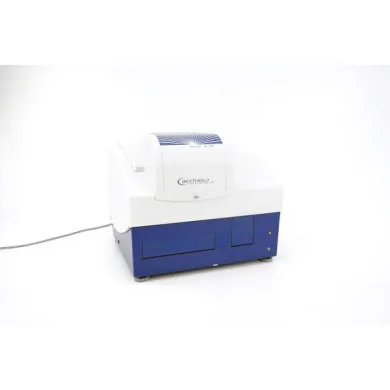
Among the listings that specify a type, the catalogue groups into a handful of distinct instrument classes, each built for a different stage of the assay workflow. An immunoassay analyzer is the general term for a benchtop or floor-standing unit that runs the binding reaction and reads the result, and it is the most common entry here. A microplate reader measures signal from the wells of a standardised plate, by absorbance, fluorescence or luminescence, and is the workhorse of plate-based ELISA. A microplate washer handles the wash steps between reagent additions, removing unbound material so the final read is clean. Clinical chemistry analyzers overlap with this category where a single instrument runs both immunoassays and routine chemistry panels. At the automated end sit automated immunoassay systems and automated immunoassay analyzers, which add robotic sample handling, onboard reagent storage and walk-away operation for high-volume laboratories.
These instruments do the quantitative measurement work behind immunoassay and ELISA, and that places them across much of molecular diagnostics. A microplate reader performs the readout step in immunoassay development and in protein quantitation; a bead-based analyser does multiplex immunoassay for cytokine and biomarker panels in proteomics and cell biology. Platforms of this class are also used for drug screening in bioprocessing and for antibody characterisation in molecular biology. The clinical chemistry analyzers listed here serve haematology-adjacent and endocrine testing, where hormone and protein immunoassay panels run alongside routine chemistry. Where a laboratory works in biomanufacturing or cell culture monitoring, these same readers quantify secreted proteins and titres from culture supernatant.
The brands behind the immunoassay system listings
The names that recur most across these listings are Charles River, Bio-Rad, Luminex, PerkinElmer, ProteinSimple. For a buyer, a strong presence of a given maker is practical rather than reputational: it means more comparable units on the catalog at any one time, a deeper pool of compatible consumables, and a better chance of sourcing a replacement optical module or fluidics part. Bead-based multiplex platforms and plate readers each carry their own assay ecosystems, so matching a used instrument to the reagent kits a laboratory already validates against saves far more than the purchase price gap. Describing each company belongs on its own brand page; here, what matters is availability and how easily one model can be weighed against another.
What a used immunoassay system costs here
99 percent of the listings are used. Prices run from EUR 16 to EUR 116.220, and that spread covers everything from a standalone microplate washer to a fully automated clinical analyser. Refurbished and used units are listed below the price of equivalent new instruments, which is the one firm comparison the catalogue data supports. Where a buyer needs to weigh a used unit against a new one, the individual listing is the place to check condition and documentation, and a warranty can be arranged in consultation for that specific listing.
Frequently asked questions
What is an immunoassay system?
An immunoassay system is a laboratory instrument that detects and quantifies specific proteins, hormones, antibodies and other analytes using the binding between an antigen and its matching antibody. The category covers benchtop analyzers, plate-based readers and fully automated platforms.
What does the term immunoassay system actually mean?
The name describes the measurement method: an assay that relies on immune recognition, where an antibody binds its target and the instrument reads the resulting signal. It refers to the whole platform that runs the reaction and reads the output, not just a single part of the workflow.
How do immunoassay systems work?
The sample is combined with antibodies that bind the target analyte, and a label such as a colour change, fluorescence or luminescence reports how much analyte is present. The instrument reads that signal from a cuvette, a bead set or the wells of a microplate and converts it to a concentration against a calibration curve.
What types of immunoassay systems are there?
Listings here group into immunoassay analyzers, microplate readers, clinical chemistry analyzers, microplate washers, automated immunoassay systems and automated immunoassay analyzers. They differ in whether they run the full assay, read a plate, handle wash steps, or add robotic sample handling for walk-away operation.
What are immunoassay systems used for?
They quantify proteins, hormones, antibodies and biomarkers in clinical diagnostics, drug discovery and life sciences research. Common uses include ELISA readouts, multiplex cytokine and biomarker panels, antibody characterisation and measuring secreted protein titres from cell culture supernatant.
How do I choose an immunoassay system?
Start with the detection chemistry, since a colorimetric reader cannot run a chemiluminescent assay and a fluorescence bead system reads panels an absorbance analyser never will. Confirm the wavelengths or channels covered, the number of analytes a multiplex platform resolves per well, and that your protocols are validated on the unit.
What is the difference between refurbished and used immunoassay systems?
A used unit is sold in its existing condition, while a refurbished one has been checked and brought back toward working specification before listing. For either, ask for the most recent calibration record and check the individual listing for condition and documentation.
How much does an immunoassay system cost?
Prices on the catalogue range from EUR 16 to EUR 116.220, with an average around EUR 10.095. A bare microplate reader or washer sits at the low end, while a fully automated clinical analyser with integrated sample handling occupies the top.
Which brands come up most in this category?
The names that recur most across these listings are Charles River, Bio-Rad, Luminex, PerkinElmer and ProteinSimple. A strong presence of one maker means more comparable units to weigh against each other and a deeper pool of compatible consumables and parts.
Can I get a warranty on a refurbished immunoassay system?
A warranty is often possible and is arranged in consultation for the specific listing. Check the listing itself for what documentation it includes before you buy.
Are parts available for these instruments?
Parts can be sourced via Questpair when a listing arrives incomplete or a component needs replacing. Optical modules, light sources and fluidics components are the parts that most often wear on these platforms.
How long does an immunoassay system last?
Lifespan depends on detector condition, light source hours and fluidics wear rather than year of manufacture. Instruments with documented calibration and a detector that still meets its original sensitivity specification hold their measurement value longer than the age alone suggests.
Should I buy a new or a refurbished immunoassay system?
Used and refurbished units are listed at lower prices than new ones, which is the firm comparison the catalogue data supports. A refurbished benchtop reader covers routine ELISA work at a fraction of a new platform's price, so check the individual listing to weigh condition and documentation against the saving.
Where can I buy an immunoassay system?
The Questpair catalogue lists 310 units in this category from 17 verified suppliers and distributors across 12 countries. New, used and refurbished instruments all appear, so you can compare condition and price in one place.
What are the lead time and shipping like?
Lead time and shipping depend on the individual supplier and the unit's location, which varies across 12 countries. The specific listing and the supplier handling it are where those details are confirmed.
How are these systems calibrated and maintained?
Calibration ties the measured signal to known standards and should be documented before purchase, alongside lamp or laser hour counts where the platform tracks them. Wash and aspiration lines need periodic servicing, and a weak signal path quietly widens every result, so verify the detector still meets its sensitivity spec.
Which types in this category are listed most, and who reaches for which?
Immunoassay analyzers are the most common entry, with microplate readers and washers serving plate-based ELISA labs. Bead-based analysers suit multiplex biomarker panels in proteomics, while automated immunoassay systems and clinical chemistry analyzers go to high-volume clinical laboratories that need walk-away operation.
Which brands dominate this category, and what does that mean for a buyer?
Charles River, Bio-Rad, Luminex, PerkinElmer and ProteinSimple appear most often across the listings. A larger installed base means consumables and replacement parts are easier to source and one model is easier to compare like-for-like, and matching a used instrument to reagent kits a lab already validates against often saves more than the purchase price gap.
What separates the bottom of the price band here from the top?
Cost tracks with automation and detection breadth: manual plate readers and washers sit at the low end, while walk-away analysers with integrated sample handling, onboard reagent storage and multiplex detection occupy the top. A unit that resolves more analytes per well or runs more detection modes commands a higher price than a single-mode absorbance reader.