

Electrophoresis
We personally find you the right used, refurbished and new electrophoresis instruments & equipment from verified suppliers.
Electrophoresis is a laboratory technique that separates charged molecules such as DNA, RNA and proteins by driving them through a gel or matrix under an applied electric field, and the equipment listed here is the hardware that performs it. On Questpair, new, used and refurbished electrophoresis equipment is listed across 854 items from 18 verified suppliers and distributors in 10 countries. 95 percent of the listings are used. Prices run from EUR 17 to EUR 40.817, covering bench gel tanks through to automated instruments. The catalogue centres on gel electrophoresis systems and the power supplies that drive them, both staples of molecular biology benches.
Updated:
Electrophoresis product list
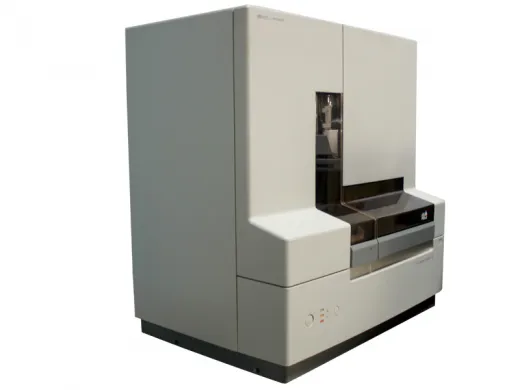
ABI 3100 prism Genetic analyzer
- Category
- Electrophoresis
- Brand
- Applied biosystems
- Suppliers
- 1 verified
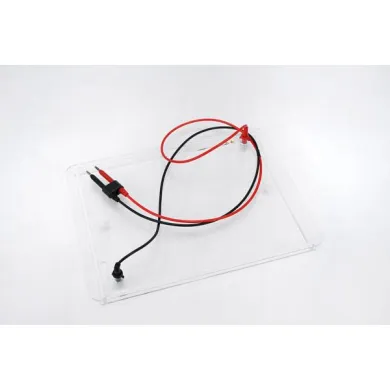


Not the exact instrument you need?
Tell our scientists what you are after. We track it down, including off-market supply.
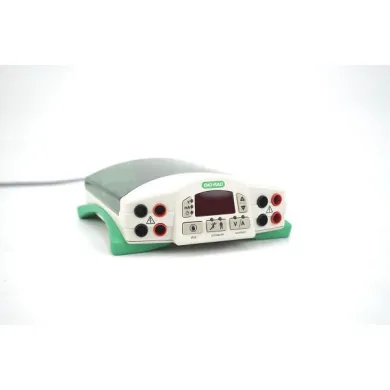
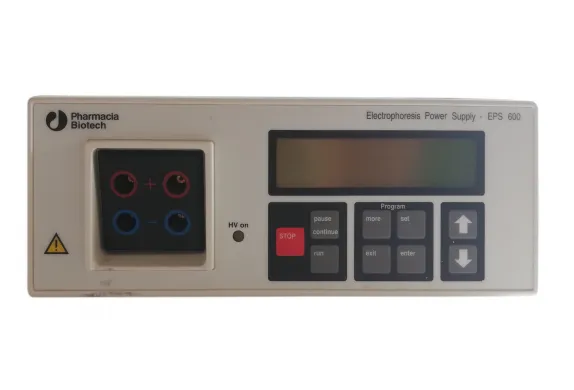
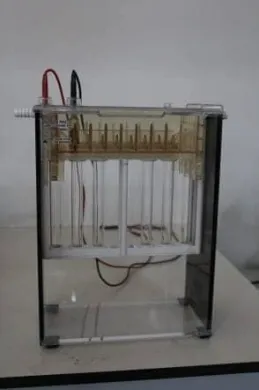
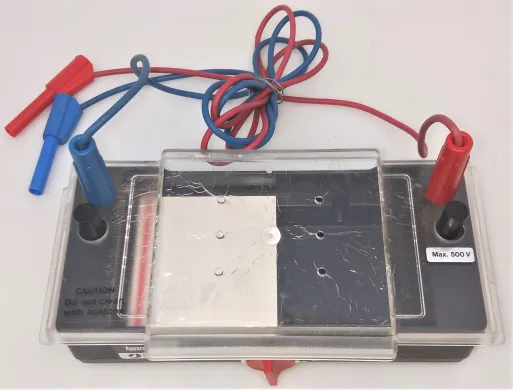
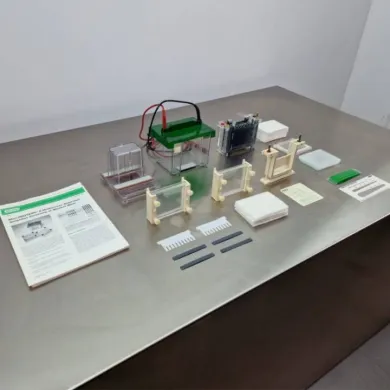
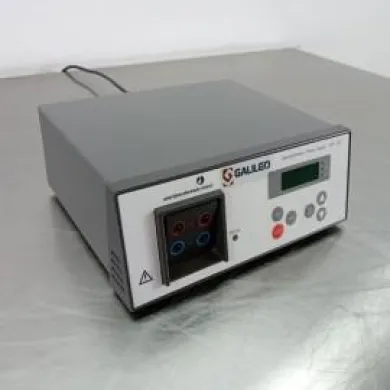
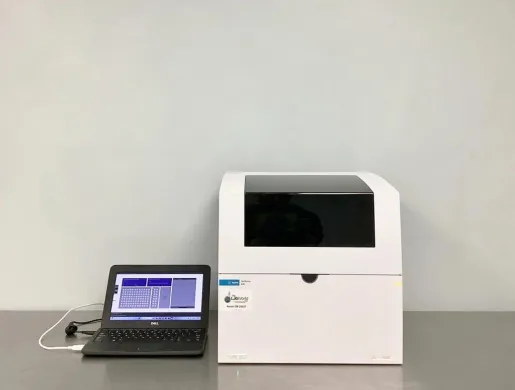
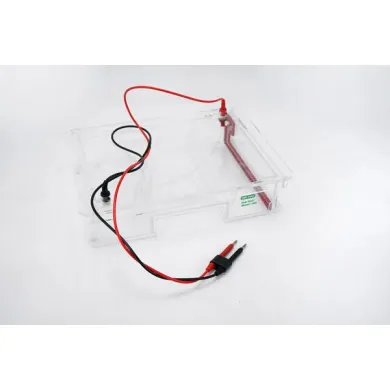
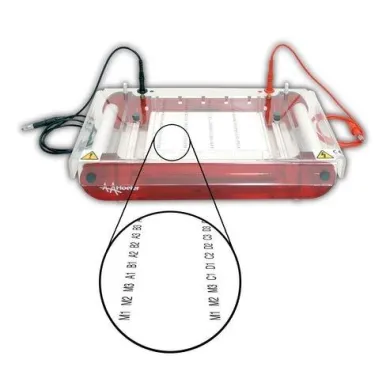
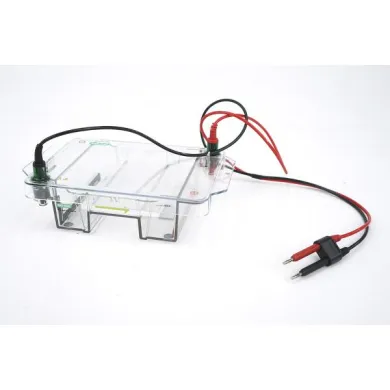
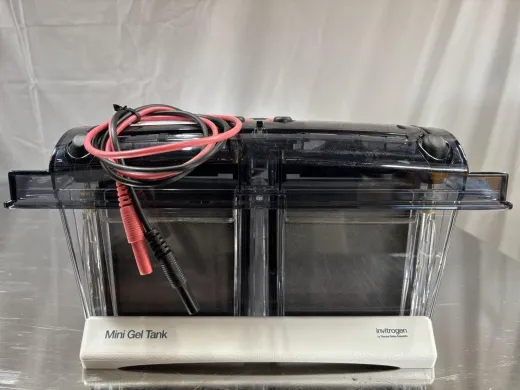
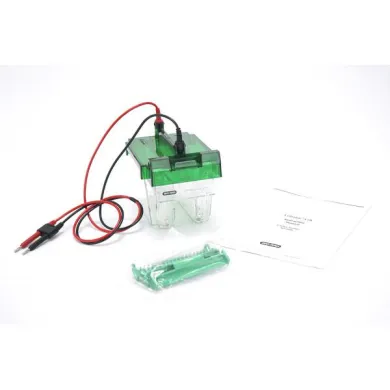
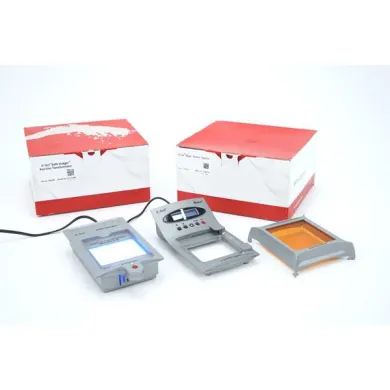
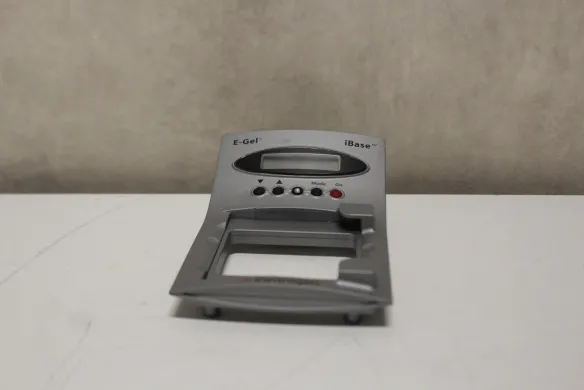
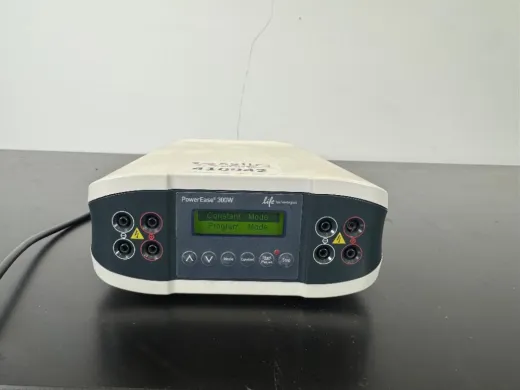
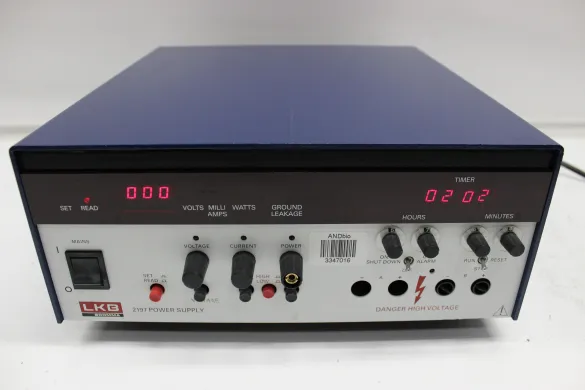
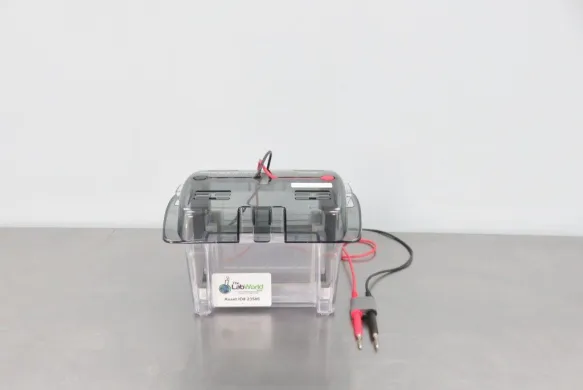
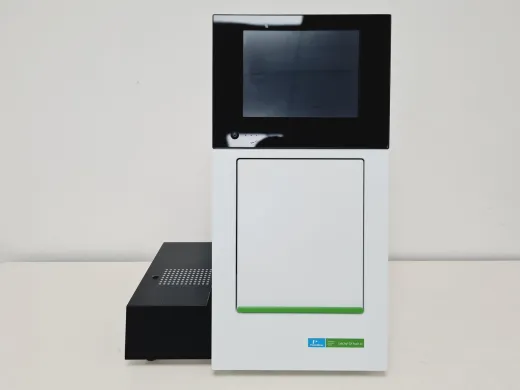
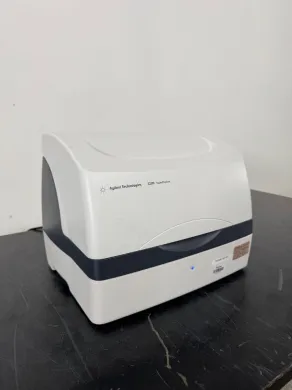
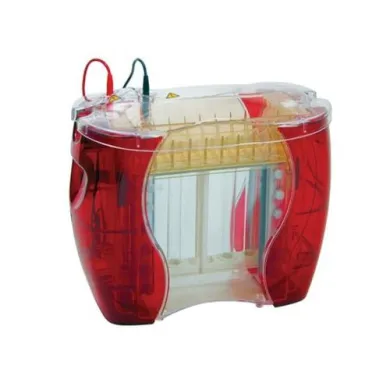
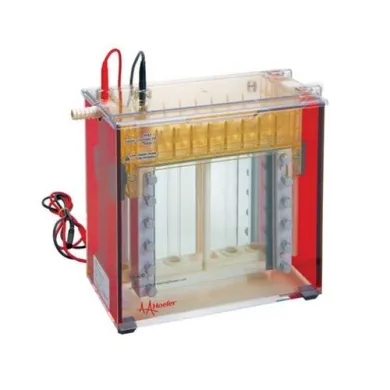
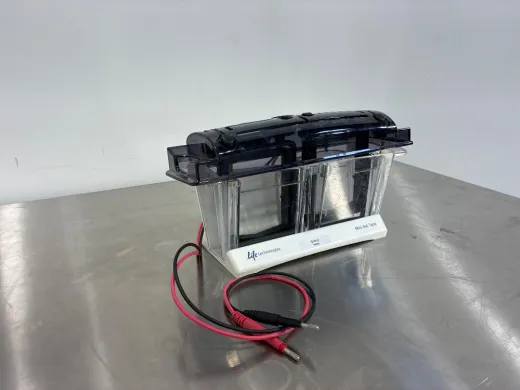
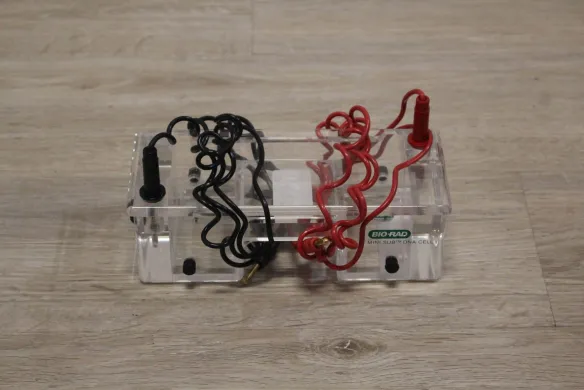
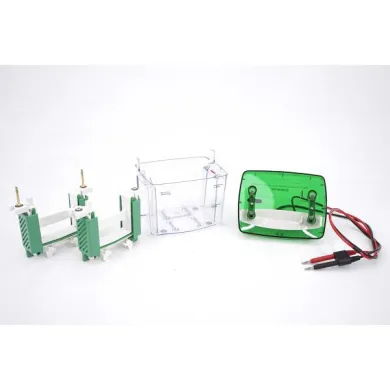
Bio-Rad Mini Sub Cell Electrophoresis Cell
- Category
- Electrophoresis
- Brand
- Bio rad
- Suppliers
- 1 verified
Not the exact instrument you need?
Tell our scientists what you are after. We track it down, including off-market supply.
Showing 1–40 of 459 listings
Show 40 more listingsBuying guide
The specification that settles most purchases in this category is the pairing of the separation unit with its power supply, because the two are bought and used as a system. A power supply is rated by its maximum voltage, current and wattage, and a gel tank needs a supply that reaches the voltage its run protocol calls for. Standard agarose DNA separations run at low voltage over a wide tank, while protein work by SDS-PAGE and sequencing-grade runs demand higher voltage from a programmable supply. Before anything else, read what a listing states for voltage and current range, and confirm it matches the runs the buyer actually performs. A supply too small for a vertical protein rig, or a tank with no compatible leads, is a mismatch no price makes good.
On a used unit, the electrical hardware is what to verify. Power supplies carry no consumables and age mostly in their internals, so a buyer wants evidence the output holds steady under load and that the safety interlocks on the lid and leads still function. Gel tanks and their platinum electrode wires corrode and foul with buffer salts over years of service, and a cracked casting or a broken electrode is a repair, not a wipe-down. Ask what condition the electrodes and seals are in, and whether the unit was tested powered up rather than only inspected cold. Questpair lists used and refurbished units at lower prices than new, and warranty on a given listing is arranged in consultation with the supplier, so a buyer weighing a used instrument should raise that against the specific item.
Price in this category spreads very wide, which reflects how different the hardware is at each end. A used bench power supply or a simple horizontal gel tank sits near the bottom of the range, well within a modest budget, and these are the units a teaching lab or a routine DNA bench buys for sale at a fraction of new cost. At the top sit automated and capillary systems that cost as much as a small instrument, because they fold the separation, detection and analysis into one box. The average listing lands far below the ceiling, so most of the catalogue is affordable workhorse hardware rather than the automated end. Invitrogen, Bio-Rad and Life Technologies account for much of the mid-range, where parts availability and model-to-model comparison are easiest, while Agilent occupies the automated tier.
Types of Electrophoresis
Which electrophoresis types are listed?
Among the listings that specify a type, most fall into two groups that work together on the bench. Gel electrophoresis systems are the separation hardware itself: the tank, the casting tray and the comb that forms the wells, in horizontal format for agarose DNA and RNA work and vertical format for polyacrylamide protein separations. Electrophoresis power supplies and laboratory power supplies are the units that drive them, rated by voltage and current and bought to match the tank. Automated electrophoresis systems form a smaller, higher-value group that combines separation with on-board detection, used where throughput or reproducibility matters more than cost. The broader molecular biology equipment and electrophoresis equipment entries cover units that sit alongside these on the same bench.
This hardware does molecular biology at its core. Agarose gel electrophoresis is the standard readout for PCR and cloning, where a researcher checks whether a reaction produced the expected DNA fragment. SDS-PAGE and native polyacrylamide gels do protein separation and are the first step in western blotting, protein purification and proteomics workflows. Capillary and automated gel systems serve genomics and molecular diagnostics, where nucleic acid fragment sizing and quality control feed into sequencing and genotyping. These separations are also used for immunoassay development and electrophoresis-based nucleic acid analysis across cell biology and microbiology benches.
The brands behind the electrophoresis listings
The catalogue is led by Invitrogen, Bio-Rad, Life Technologies, Agilent, Hoefer. For a buyer, that concentration is useful: Bio-Rad and Invitrogen gel systems are widely documented, their consumables and replacement parts are easy to source, and comparing one listed model against another is straightforward because the ranges are familiar. Life Technologies and Hoefer cover established protein and nucleic acid formats, and Agilent appears at the automated end. Parts for any of these can be sourced via Questpair.
What a used electrophoresis system costs here
Condition skews heavily toward pre-owned: 95 percent of the listings are used. Prices range from EUR 17 to EUR 40.817, a spread that covers simple power supplies and horizontal gel tanks at the low end and automated instrumentation at the high end, with the average listing near EUR 1.693. Used and refurbished units are listed below new prices, and warranty on any specific item is arranged in consultation with the supplier.
Frequently asked questions
What is electrophoresis?
Electrophoresis is a laboratory technique that separates charged molecules such as DNA, RNA and proteins by moving them through a gel or matrix under an applied electric field. The equipment in this category is the hardware that performs that separation: the gel tanks, casting trays and the power supplies that drive them.
What does electrophoresis mean?
The word describes the movement of charged particles through a medium under an electric field. In practice it refers to the bench technique and the equipment used to size and separate nucleic acids and proteins.
How does electrophoresis work?
A sample is loaded into wells in a gel, and a power supply applies a voltage across the gel so charged molecules migrate toward the opposite electrode. Smaller molecules move faster through the matrix than larger ones, so the sample separates into bands by size or charge.
What types of electrophoresis equipment are there?
The listings centre on gel electrophoresis systems and the electrophoresis power supplies or laboratory power supplies that drive them. Automated electrophoresis systems form a smaller, higher-value group that combines separation with on-board detection, alongside broader molecular biology and electrophoresis equipment entries.
What is electrophoresis used for?
Agarose gel electrophoresis is the standard check on PCR and cloning, confirming whether a reaction produced the expected DNA fragment. SDS-PAGE and native polyacrylamide gels separate proteins for western blotting and purification, while capillary and automated systems size nucleic acid fragments for sequencing and genotyping.
How do I choose electrophoresis equipment?
Match the separation unit to its power supply, since the two are bought and used as a system. Confirm the supply reaches the voltage your run protocol calls for, and pick horizontal tanks for agarose DNA and RNA work or vertical tanks for polyacrylamide protein separations.
What is the difference between refurbished and used electrophoresis equipment?
Used equipment is sold in its existing condition, while refurbished units have been checked and brought back toward working order before listing. For either, ask whether the unit was tested powered up under load rather than only inspected cold, and what condition the electrodes and seals are in.
How much does electrophoresis equipment cost?
Prices on Questpair run from EUR 17 to EUR 40.817, with the average listing near EUR 1.693. Simple power supplies and horizontal gel tanks sit at the low end, while automated and capillary systems sit at the top.
Which brands make electrophoresis equipment?
The catalogue is led by Invitrogen, Bio-Rad, Life Technologies, Agilent and Hoefer. Bio-Rad and Invitrogen gel systems are widely documented, Life Technologies and Hoefer cover established protein and nucleic acid formats, and Agilent appears at the automated end.
Can I get a warranty on a refurbished electrophoresis system?
A warranty is often possible and is arranged in consultation for the specific listing. Raise it with the supplier against the particular unit you are weighing.
Are parts available for electrophoresis equipment?
Parts can be sourced via Questpair. Common wear items include platinum electrode wires, casting trays, combs and lid leads for gel tanks.
How long does electrophoresis equipment last?
Power supplies carry no consumables and age mostly in their internals, so a unit whose output holds steady under load can serve for many years. Gel tanks and their electrode wires corrode and foul with buffer salts over time, which is why the electrodes and seals are the parts to check.
Should I buy new or refurbished electrophoresis equipment?
Used and refurbished units are listed at lower prices than new, which is the practical difference for most buyers of this straightforward hardware. Weigh a specific used listing on its tested condition and arrange any warranty in consultation with the supplier.
Where can I buy electrophoresis equipment?
Questpair lists new, used and refurbished electrophoresis equipment across 854 items from 18 verified suppliers and distributors in 10 countries. You can compare models and contact suppliers directly through the listing.
What are the lead time and shipping like?
Lead time and shipping depend on the individual supplier and the item's location, which varies across the listings. The listing and the supplier give the specifics for a given unit.
What calibration and maintenance does electrophoresis equipment need?
A power supply should be verified to hold its set voltage and current under load, and its lid and lead interlocks should function. Gel tanks need their electrode wires and seals kept clean and intact, since buffer salts corrode and foul them over time.
Which electrophoresis types are listed most, and who buys which?
Gel electrophoresis systems and their power supplies dominate the listings, bought by molecular biology and protein benches running agarose DNA checks and SDS-PAGE. Automated and capillary systems are a smaller group reached for in genomics and diagnostics where throughput and reproducibility matter more than cost.
Which brands dominate this category, and what does that mean for a buyer?
Invitrogen, Bio-Rad and Life Technologies account for much of the mid-range, where consumables and replacement parts are easy to source and comparing one model against another is straightforward. Agilent occupies the automated tier, and that concentration means a buyer can line listed models up against familiar ranges.
What separates the cheapest electrophoresis listings from the most expensive?
The bottom of the range is a used bench power supply or a simple horizontal gel tank, within a modest budget. The top is automated and capillary systems that fold separation, detection and analysis into one box, which is why they cost as much as a small instrument.