

Cameras
We personally find you the right used, refurbished and new cameras instruments & equipment from verified suppliers.
Cameras in this category are imaging devices built to capture what an optical instrument resolves, mounted to a microscope, a stage or a dedicated housing and read out as a digital image for measurement, documentation or analysis. The Questpair catalogue holds 246 camera listings from 15 verified suppliers and distributors across 8 countries. 82 percent of the listings are used. New, used and refurbished units all appear, with prices from EUR 12 to EUR 28.755. The range reflects how far the term reaches here, from a compact eyepiece sensor to a cooled scientific detector built for low-light microscopy. A specialist camera differs from a consumer one in what it reports: pixel-level linearity, quantum efficiency and a fixed optical mount matter more than megapixel count.
Updated:
Cameras product list
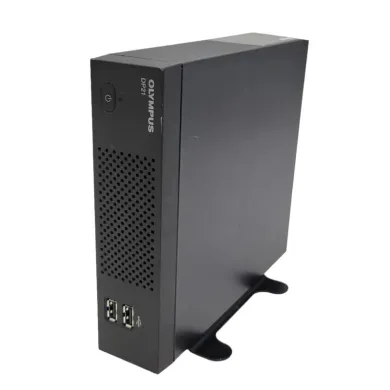
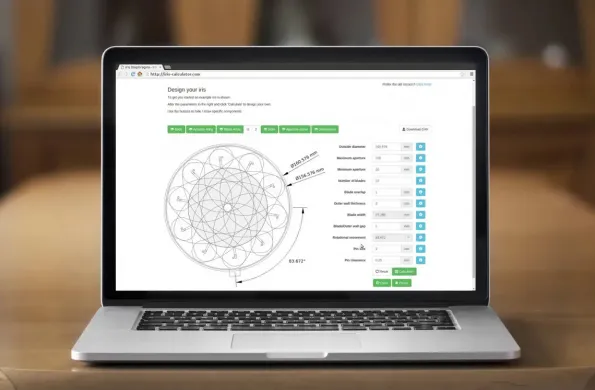
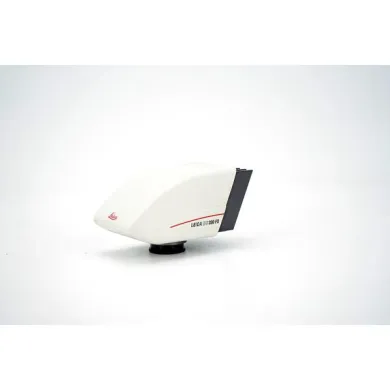
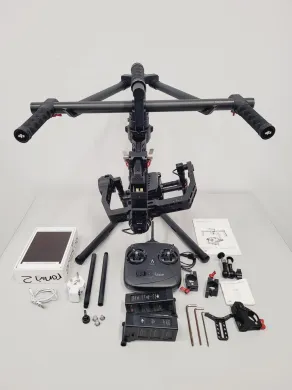


Not the exact instrument you need?
Tell our scientists what you are after. We track it down, including off-market supply.
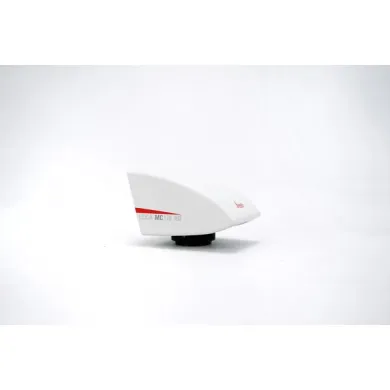
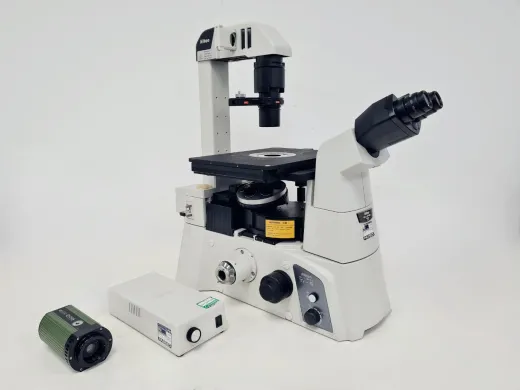
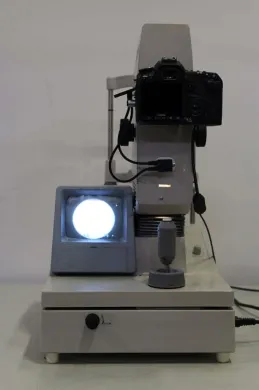
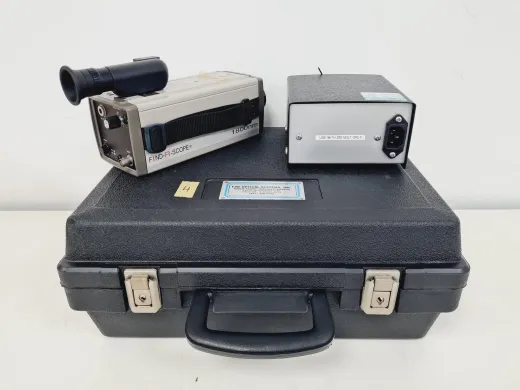
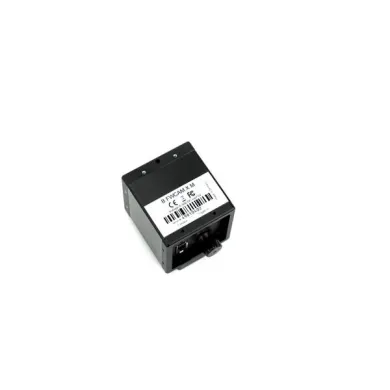
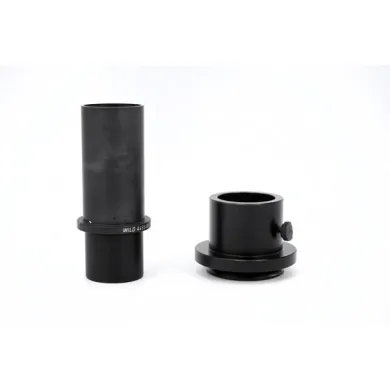
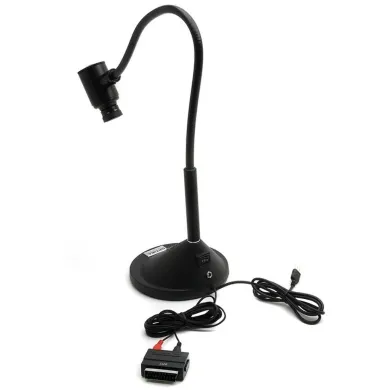
EDUCAM USB CCD Camera for PC-TV Applications
- Category
- Cameras
- Brand
- Educam
- Suppliers
- 1 verified
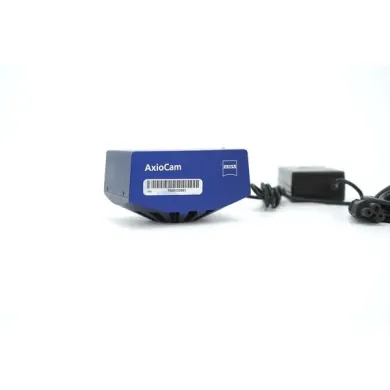
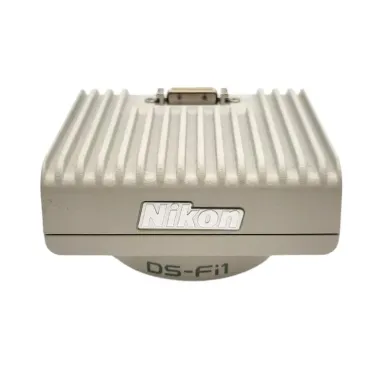
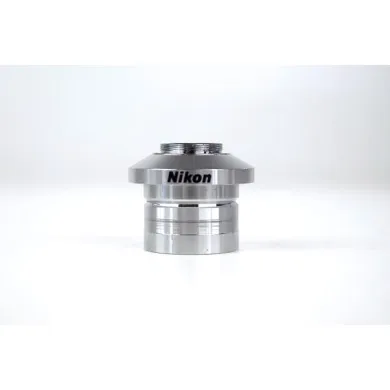
Nikon Digital Sight DS-Fi1 Microscope Camera
- Category
- Cameras
- Brand
- Nikon
- Suppliers
- 1 verified
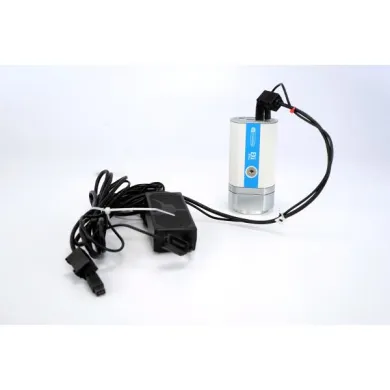
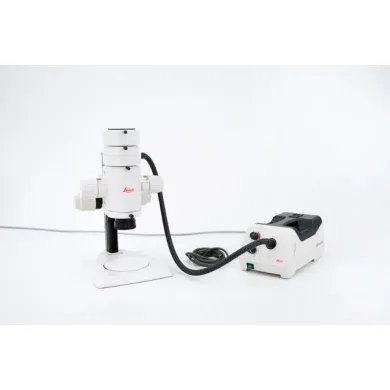
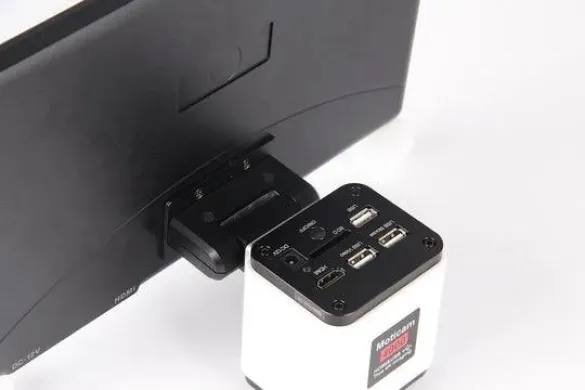
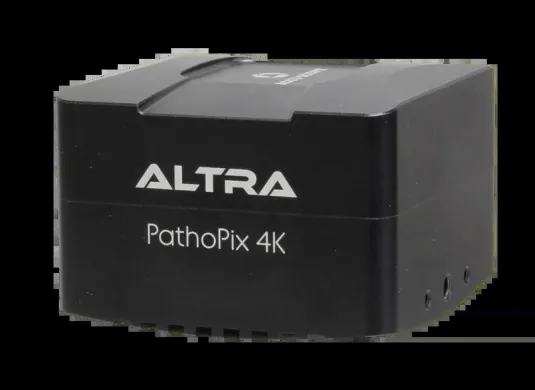
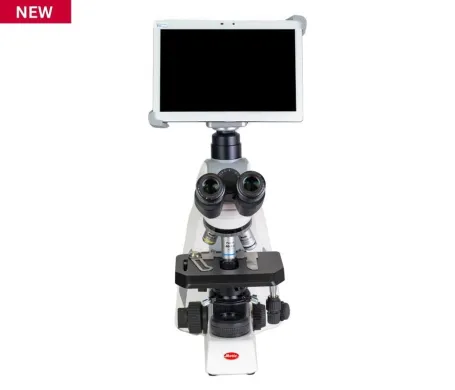
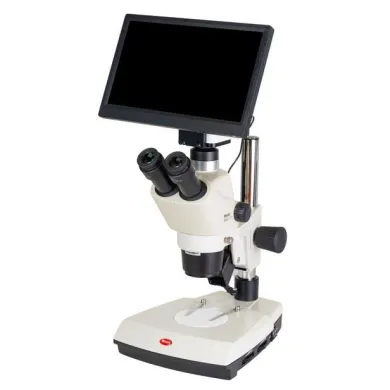
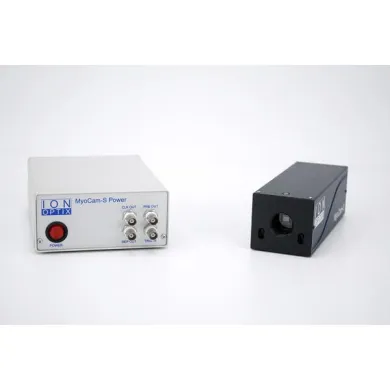
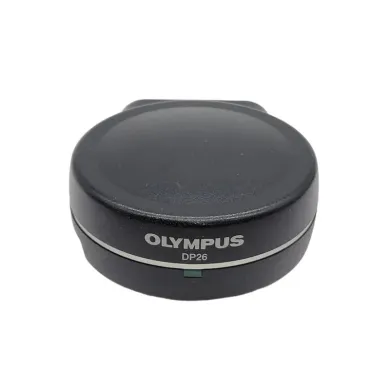
Not the exact instrument you need?
Tell our scientists what you are after. We track it down, including off-market supply.
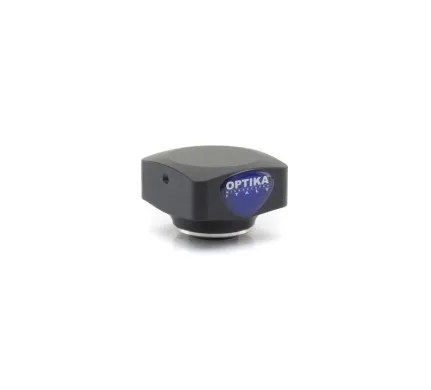
Showing 1–40 of 390 listings
Show 40 more listingsBuying guide
What the sensor has to deliver for the work
The sensor decides a camera purchase more than any other figure, and what it has to deliver depends entirely on the sample. A camera recording stained histology sections under bright transmitted light works in conditions a phone sensor would handle; a camera reading a weak fluorescence signal does not, and needs cooling to hold dark noise down and quantum efficiency high enough to count the few photons arriving. Read the datasheet for the quantum efficiency at the wavelengths you actually image, the full-well capacity that sets dynamic range, and whether the sensor is a CCD or a CMOS device, since the two behave differently on readout noise and frame rate. A scientific camera and an imaging system in this catalogue can sit an order of magnitude apart on exactly these numbers while sharing the word camera.
The mount settles compatibility before anything else. A microscope camera attaches through a C-mount, an F-mount or a proprietary adapter, and a sensor sized to one optical format vignettes or crops on another. Confirm the mount and the field-of-view coverage against the microscope you own, because a camera that physically fits can still throw away half the image circle.
On a used unit the questions shift. Ask for the operating hours where a cooled sensor is involved, since the thermoelectric cooler and its seal age; ask whether the software licence and the drivers transfer, because a scientific camera tied to a dead licence is a paperweight; and check that the correct adapter ships with it, as the proprietary ones are expensive and slow to replace. A sensor map or a recent dark-frame image tells you about hot pixels before the unit arrives. Warranty on these is arranged in consultation for the specific listing.
Price spans the category widely. What a camera costs here runs from EUR 12 for a basic eyepiece sensor to EUR 28.755 for a cooled scientific detector, with an average near EUR 1.335. A used camera listed for sale is more affordable than its new equivalent, which matters most at the scientific end where new prices are steep and a two-generation-old cooled sensor still outperforms current consumer hardware. The brands occupying the band sit predictably: the microscope makers supply the integrated upper tier, while the dedicated sensor houses hold the middle, so a buyer on a budget can often match a specification by stepping to an older model of the same line rather than a cheaper maker.
Types of Cameras
Which camera types are listed here?
Among the listings that specify a type, the catalogue sorts into a handful of recognisable classes: microscope camera, imaging equipment, digital camera, imaging system, scientific camera, ccd camera. A microscope camera is the most common, a sensor built to mount directly to an optical microscope and return a digital image through its software, used across microbiology, histology and routine cell imaging where a permanent record of a slide matters more than live speed. A digital camera here means a general-purpose unit adapted to the bench rather than a consumer body, often documenting gels, plates or whole specimens. A scientific camera is the specialised end, typically a cooled CCD camera or a low-noise CMOS device chosen for quantitative work: fluorescence microscopy, low-light cell imaging, and the photon-counting measurements that underpin much of molecular biology and genomics imaging. These also serve immunoassay readout and electrophoresis gel documentation, where signal intensity is the measurement rather than the picture. The broader imaging equipment and imaging system labels cover integrated setups that pair a sensor with illumination and capture control as one package.
The dividing line a buyer cares about runs between the documentation cameras and the scientific detectors. The first group prioritises colour fidelity and resolution for a visible, well-lit sample; the second prioritises sensitivity and linearity for a faint one. A histology lab reaching for slide documentation wants the first; a laboratory doing fluorescence or bioimaging wants the second, and the price gap between them is the gap in sensor technology, not in brand.
The brands behind the camera listings
The names that dominate are Olympus, Motic, Nikon, Zeiss, Leica. Their presence shapes a purchase in concrete ways. The microscope makers among them sell cameras matched to their own optics and software, which simplifies compatibility but ties the sensor to a particular ecosystem and adapter. Because these lines are widely installed, parts, adapters and comparable models turn up often, so a buyer can line up two or three listings of the same series and compare specification directly rather than guessing across makers. A well-represented brand also tends to hold its position on the used market, which keeps the resale and replacement path predictable.
What a used camera costs here
The condition mix runs heavily to used: 82 percent of the listings are used, with the balance of 44 new units against 202 used ones. Prices span from EUR 12 to EUR 28.755, and the spread covers everything from a simple eyepiece sensor to a cooled scientific detector, which is why the average of EUR 1.335 sits well below the top of the range. A used or refurbished camera is listed below the price of a new one. Where the choice between new and used is close, the deciding detail is on the individual listing, and a warranty can be arranged in consultation for that listing.
Frequently asked questions
What is a laboratory camera?
It is an imaging device that captures still images or video from a microscope, imaging system or other instrument and converts the optical signal into a digital file. The file is then used for measurement, documentation and analysis.
What does a camera in this category actually mean compared to a consumer camera?
These cameras are built to mount on laboratory instruments and record through an optical path such as a microscope, rather than through a standalone lens for general photography. Sensor type, resolution and the instrument mount decide whether a given unit fits your setup.
How do these cameras work?
Light from the instrument falls on an image sensor, either CCD or CMOS, which converts photons into an electrical signal that is digitised into an image. Cooled sensors reduce thermal noise so weak signals, such as fluorescence, remain visible.
What types of cameras are listed?
The catalogue holds microscope cameras, broader imaging equipment, digital cameras, complete imaging systems, scientific cameras and CCD cameras. The sensor and what it is asked to capture is the main dividing line between them.
What are these cameras used for?
They document slides, capture gel and blot images, record fluorescence and live-cell experiments, and archive samples for digital pathology. The application decides whether a colour camera or a cooled monochrome scientific camera is appropriate.
How do I choose the right camera?
Start with the instrument it must mount on, the sensor type the work requires, and the resolution and colour fidelity your images need. A colour camera suits brightfield histology, while fluorescence and faint-signal work calls for a cooled scientific sensor.
What is the difference between refurbished and used?
A used camera is sold in its current working condition, while a refurbished one has been checked and brought back toward working order before listing. Both are listed below new price, and the exact condition is described on the individual listing.
How much does a camera cost here?
Prices range from EUR 12 to EUR 28.755, with the average near EUR 1.335. The spread reflects the gap between a basic documentation camera and a cooled scientific detector with its own software.
Which brands are worth looking at?
The names that recur in this category are Olympus, Motic, Nikon, Zeiss and Leica. Olympus, Nikon, Zeiss and Leica cameras are often matched to their own microscope ranges, while Motic sits at the more affordable end of the digital camera segment.
Can I get a warranty on a refurbished camera?
A warranty is often possible and is arranged in consultation for the specific listing. Check the listing and ask about terms for that unit before purchase.
Can I still get parts for these cameras?
Parts can be sourced via Questpair. A brand with a wide installed base, such as the microscope makers in this category, tends to make comparable models and components easier to locate.
How long does a laboratory camera last?
A sensor and its housing have no fixed lifespan and continue working as long as the sensor and electronics remain sound and the software stays compatible with the instrument. Cooled scientific cameras depend on their cooling system remaining functional for low-noise performance.
New or refurbished, which should I buy?
The plain difference is price: used and refurbished cameras are listed below new. Weigh the specific listing, its stated condition, and the warranty that can be arranged in consultation for that unit.
Where can I buy these cameras?
They are listed on Questpair from verified suppliers and distributors. The catalogue holds 246 cameras from 15 suppliers across 8 countries, in new, used and refurbished condition.
What are the lead time and shipping like?
Lead time and shipping depend on the individual seller and the camera's location among the 8 countries represented. The listing is the place to confirm availability and dispatch for that specific unit.
Do these cameras need calibration or maintenance?
Colour cameras benefit from white balance and colour calibration against known references, and cooled scientific cameras need their cooling kept functional for consistent noise levels. Questpair does not provide servicing, but replacement parts can be sourced through it.
Which camera types are listed most and who reaches for each?
Histology and pathology lean on colour microscope cameras for slide documentation and digital pathology archives. Fluorescence, protein localisation and molecular biology work reaches for the cooled scientific camera, while genomics and proteomics labs use imaging systems for blot and array capture.
Which brands dominate this category and what does that mean for a buyer?
Olympus, Nikon, Zeiss and Leica recur because their cameras are often tied to their own microscope ranges, so a listing naming the parent instrument is easier to specify and more likely to mount without an adapter. Motic recurs at the affordable end of the digital camera segment.
What separates the cheapest cameras here from the most expensive?
At the low end sit basic documentation cameras that capture what the eye sees down the eyepiece. At the high end sit cooled scientific detectors built for weak signals and sold with their own software, which is why prices run from EUR 12 to EUR 28.755.