

Capillary electrophoresis
We personally find you the right used, refurbished and new capillary electrophoresis instruments & equipment from verified suppliers.
Capillary electrophoresis is an analytical separation technique that drives charged molecules through a narrow fluid-filled capillary under an electric field, sorting them by size and charge as they migrate toward the detector. The listings in this category are the instruments that run that separation: capillary electrophoresis systems, fragment analysers and DNA sequencers used across molecular biology and clinical laboratories. On Questpair, 100 percent of the listings are used. New, used and refurbished units all appear across 136 listings from 12 verified suppliers and distributors. Prices run from EUR 35 to EUR 60.262, which places bare benchtop analysers and fully configured sequencing platforms in the same catalogue.
Updated:
Capillary electrophoresis product list
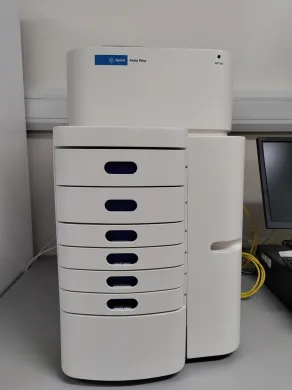
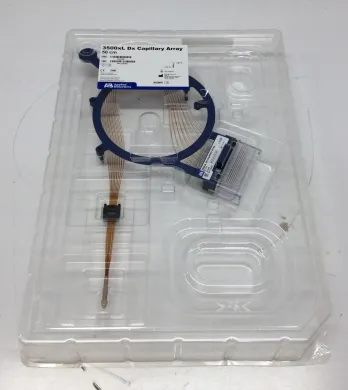
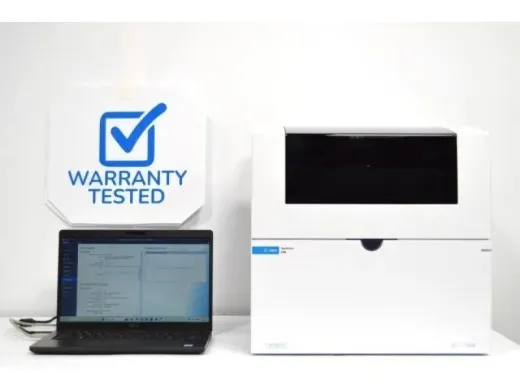
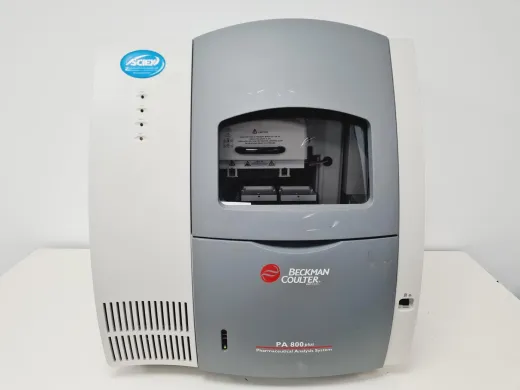


Not the exact instrument you need?
Tell our scientists what you are after. We track it down, including off-market supply.
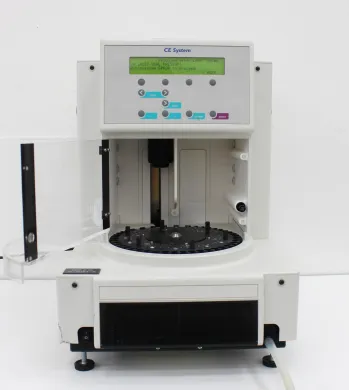
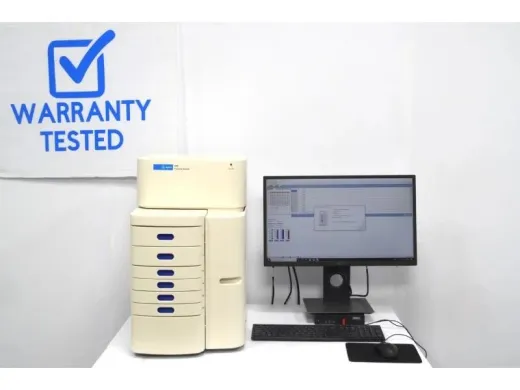
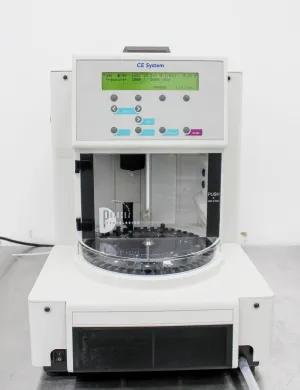
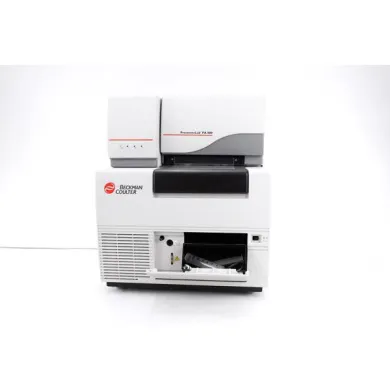
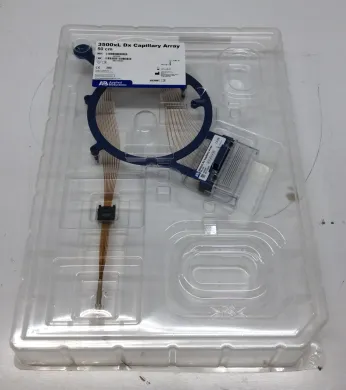
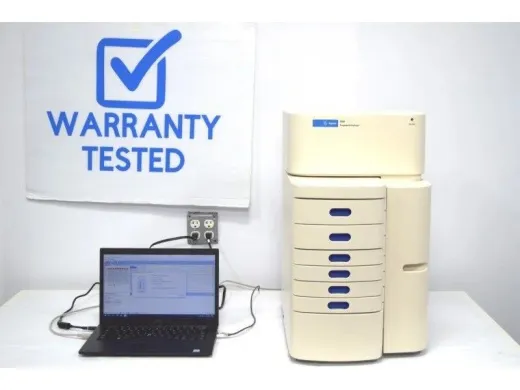
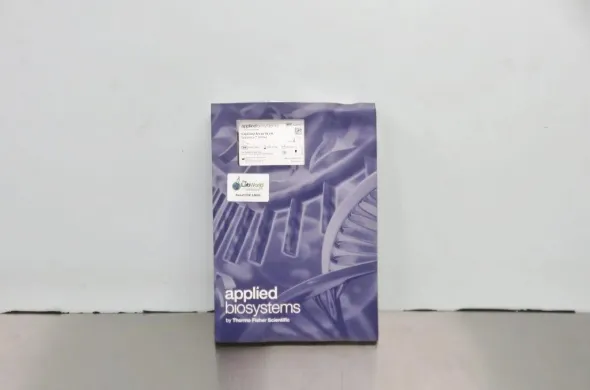
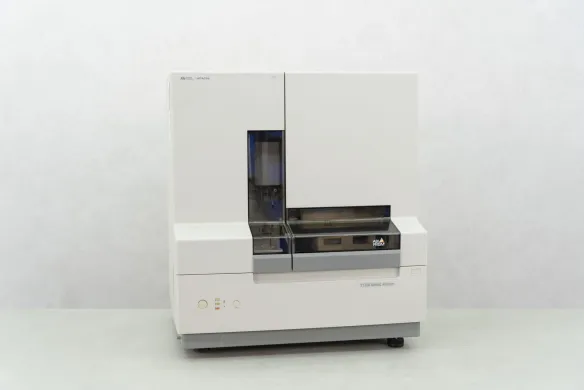
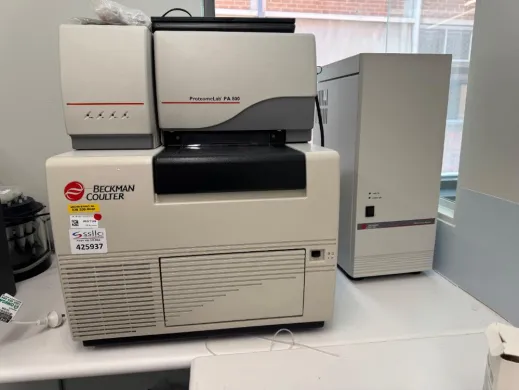
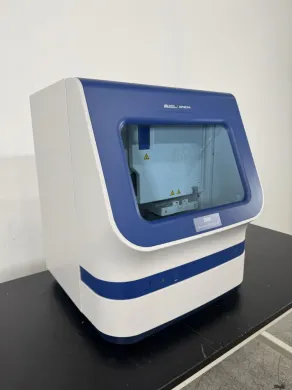
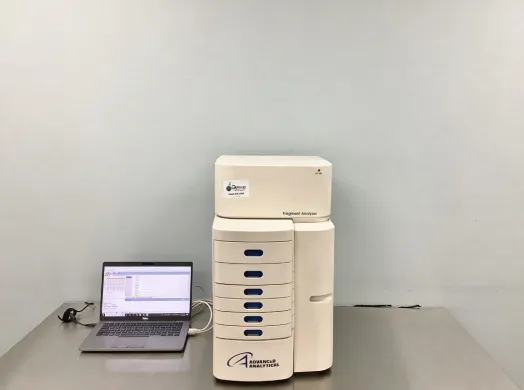
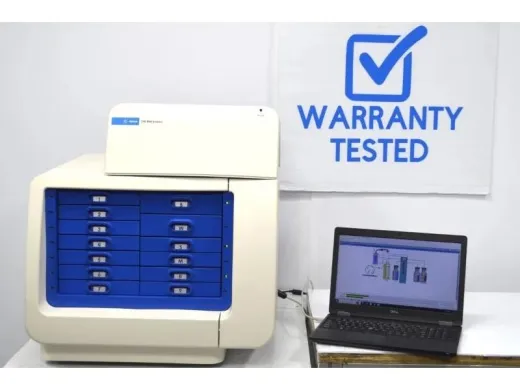
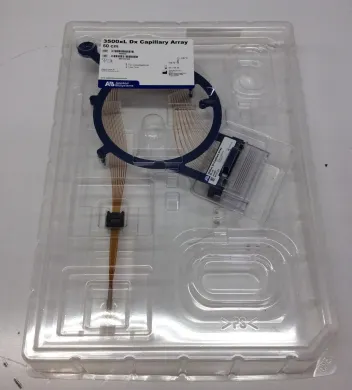
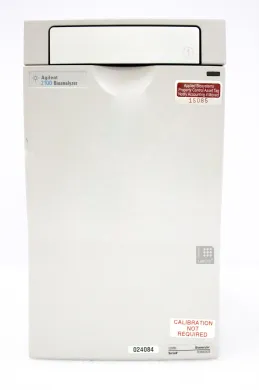
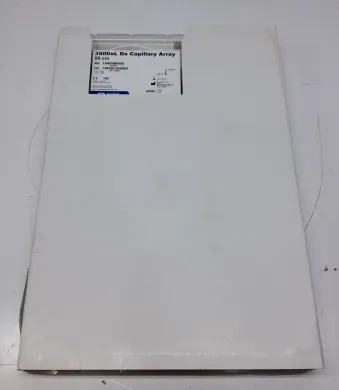
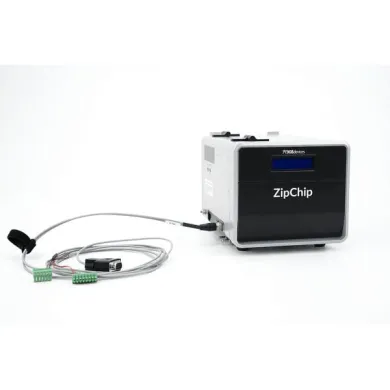
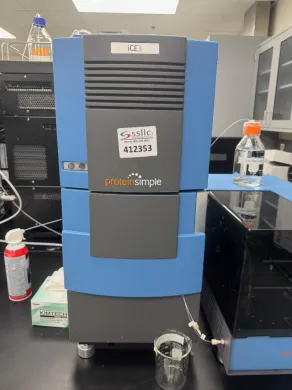
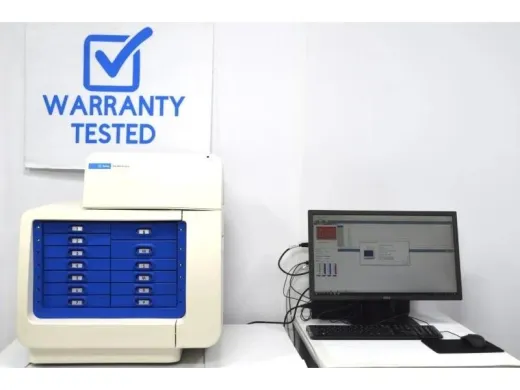
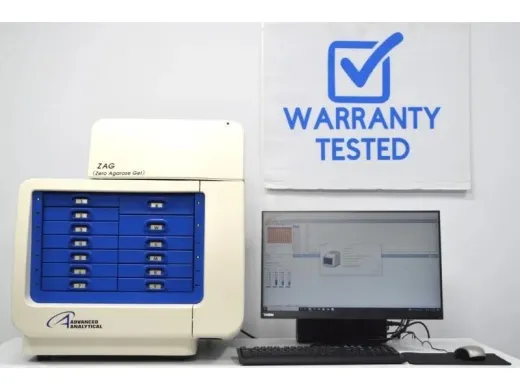
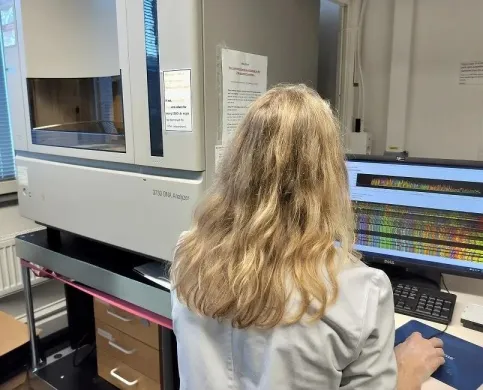
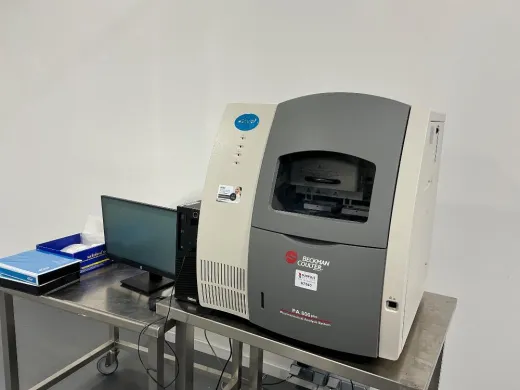
Not the exact instrument you need?
Tell our scientists what you are after. We track it down, including off-market supply.
Showing 1–40 of 96 listings
Show 40 more listingsAbout Capillary electrophoresis
Our take, based on listings data and supplier feedback.
What it is. Capillary electrophoresis is a key category of laboratory instrumentation, used across clinical, pharmaceutical, environmental, and academic research labs for a wide range of analytical and sample-handling applications.
Common instrument types. The capillary electrophoresis category spans several instrument families and configurations, each suited to specific throughput, sensitivity, and budget requirements, from entry-level benchtop units to high-end systems.
Buying via Questpair. Refurbished and used capillary electrophoresis instruments hold their value thanks to robust build quality and global service networks. Sourcing through Questpair gives buyers verified supplier credentials, standardized condition reporting, and side-by-side offers from multiple distributors, so you can compare price, condition, and warranty in one place.
Best for. Capillary electrophoresis equipment is an excellent fit for analytical chemistry, pharmaceutical QC, environmental and food testing, and high-throughput research labs that need reliable instrumentation with strong long-term serviceability.
Types of Capillary electrophoresis
Which capillary electrophoresis instruments are listed here?
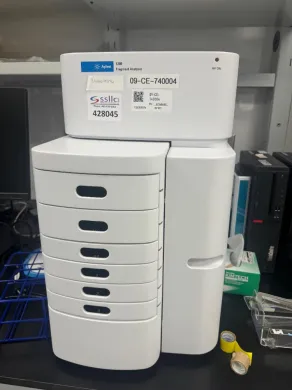
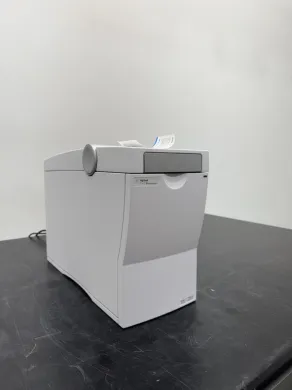
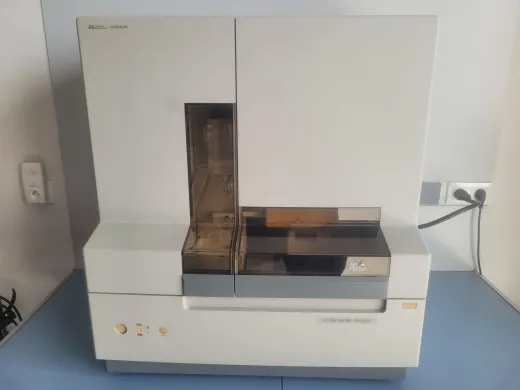
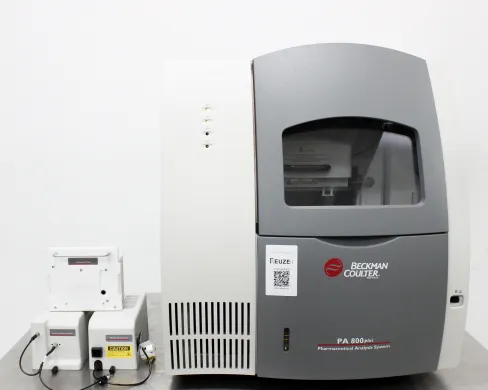
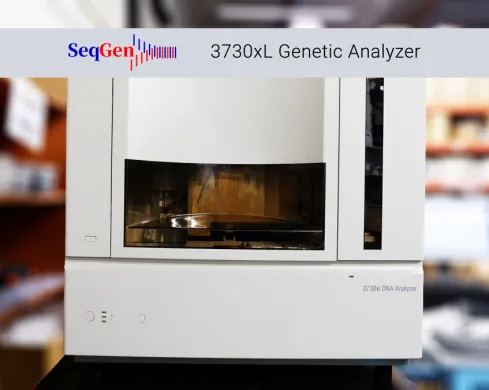
Among the listings that specify a type, the catalogue splits along what the separation is asked to resolve. A general capillary electrophoresis system is the configurable base: one or more capillaries, a high-voltage supply and a detector, used for ions, small molecules, proteins and nucleic acids depending on the buffer and capillary chemistry loaded. A DNA fragment analyser, or fragment analyser, is tuned for sizing and quantifying nucleic acid fragments, the work behind genotyping, microsatellite analysis and quality control of libraries ahead of sequencing. A DNA sequencer runs Sanger capillary electrophoresis, resolving labelled chain-termination products base by base. The capillary electrophoresis DNA analyser overlaps both, built around nucleic acid runs rather than general small-molecule separation. Molecular diagnostics equipment in this group applies the same migration to clinical assays. These platforms do electrophoresis for genomics and proteomics, fragment analysis for genotyping, and Sanger sequencing for variant confirmation, and they are also used for protein charge-variant analysis in biomanufacturing. The research field decides the capillary chemistry and the detector far more than the chassis does.
The brands behind the capillary electrophoresis listings
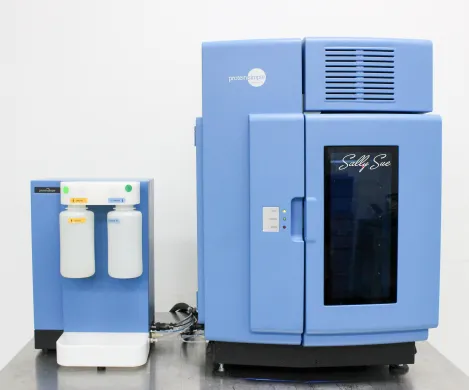
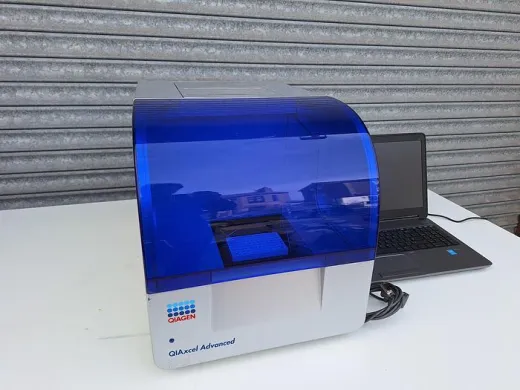
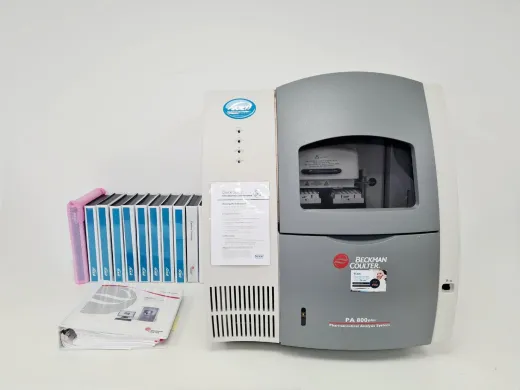
The instruments here cluster around Agilent, Applied Biosystems, Beckman Coulter, ProteinSimple, Qiagen. For a buyer that concentration matters in three practical ways. A model from a maker with a wide installed base is easier to compare, because specifications and run protocols are documented and a second unit exists to benchmark against. Consumables and capillaries for established lines stay in circulation longer, so a parts search is likelier to succeed. Price level tracks the brand too, since a diagnostics-grade sequencer and a research fragment analyser from different makers rarely sit in the same band. Parts across these lines can be sourced via Questpair, and the listings name verified suppliers and distributors rather than a single source.
What a used capillary electrophoresis instrument costs here
Every unit in this category is listed used. The spread runs from EUR 35 at the accessory and component end to EUR 60.262 for a complete multi-capillary platform, with an average near EUR 15.164. That range covers a bare analyser, a configured sequencer with autosampler, and the capillaries and parts that keep either running. Used and refurbished instruments list below new pricing, which is the chief reason this class of equipment reaches a wider set of laboratories. Warranty is arranged in consultation for the specific listing.
Frequently asked questions
What is capillary electrophoresis?
Capillary electrophoresis is a separation technique that moves charged molecules through a narrow fluid-filled capillary under high voltage, separating them by size and charge as they travel toward a detector. It is used across genomics, protein analysis and molecular diagnostics where resolution and automation matter.
What does capillary electrophoresis mean?
The name describes the format: electrophoresis, the migration of charged species in an electric field, carried out inside a thin capillary rather than across a slab gel. The capillary dissipates heat better and allows higher voltages, which gives sharper separations.
How do capillary electrophoresis instruments work?
A sample is injected into a capillary filled with buffer or a sieving polymer, a high voltage is applied across the capillary, and molecules migrate at rates set by their size and charge. A detector near the far end records each species as it passes, producing an electropherogram with a peak for each separated component.
What types of capillary electrophoresis instruments are there?
The listed types include complete capillary electrophoresis systems, DNA fragment analysers, dedicated fragment analysers, DNA sequencers, molecular diagnostics equipment and capillary electrophoresis DNA analysers. The practical split is between instruments that size DNA fragments, those that read base order, and general systems that separate proteins and charged small molecules.
What is capillary electrophoresis used for?
It is used for DNA fragment sizing, Sanger sequencing, microsatellite and STR analysis, clinical genotyping, pathogen identification and protein quality control. The common application is any separation where sharp, reproducible resolution of charged molecules is needed.
How do I choose a capillary electrophoresis instrument?
Start with the application, because a fragment analyser and a sequencer share the same physics but carry different optics, capillary arrays and software and rarely substitute for each other. Then match the capillary count per run to your real sample load, since a single-capillary bench unit and a multi-capillary array serve very different throughputs.
What is the difference between refurbished and used capillary electrophoresis units?
A used unit is sold in its current working state, while a refurbished unit has been inspected and reconditioned before sale. On both, check the capillary array run count, whether the instrument completes a self-test, and whether recent electropherograms show clean peaks; read the individual listing for what each includes.
How much does a capillary electrophoresis system cost?
Prices in the Questpair catalogue range from EUR 35 to EUR 60.262, with an average near EUR 15.164. A single capillary or spare part sits at the low end, while a fully configured multi-capillary genetic analyser with its workstation sits at the top.
What are the main brands for capillary electrophoresis?
The listings come mainly from Agilent, Applied Biosystems, Beckman Coulter, ProteinSimple and Qiagen. Applied Biosystems and Beckman Coulter built much of the genetic analysis installed base, Agilent covers fragment and protein platforms, ProteinSimple focuses on protein work, and Qiagen reaches into molecular diagnostics.
Is there a warranty on a refurbished capillary electrophoresis unit?
A warranty is often possible and is arranged in consultation for the specific listing. Check the listing details and confirm the terms before purchase.
Can I get parts for a capillary electrophoresis instrument?
Parts can be sourced via Questpair. For the common genetic analysis platforms, consumables such as capillary arrays and polymer circulate more widely, which is one reason a well-represented model is easier to keep running.
How long does a capillary electrophoresis instrument last?
The chassis and optics can serve for many years, but the capillary array, pump block and optical alignment are the wearing parts to watch. An instrument whose polymer chemistry or consumables are discontinued is limited regardless of its mechanical condition, so consumable availability often decides usable lifespan.
Should I buy new or refurbished?
Used and refurbished systems are listed at lower prices than new, which is what brings a multi-capillary platform within reach of a smaller lab. Weigh the price difference against the condition and inclusions in the individual listing, and note that warranty is arranged in consultation rather than set centrally.
Where can I buy a capillary electrophoresis system?
The Questpair catalogue lists these instruments from 12 verified suppliers and distributors across 6 countries, with 136 live listings. You can compare configurations and inclusions across those listings in one place.
What are the lead time and shipping like?
Lead time and shipping depend on the individual seller and the instrument's size and configuration, since a multi-capillary system with its workstation ships differently from a single part. The listing is the source for availability, and Questpair specialists respond within one hour to questions about a specific unit.
What calibration and maintenance does a capillary electrophoresis instrument need?
A sequencer or fragment analyser needs spatial and spectral calibration, and a unit that cannot show a passing calibration is an unknown however good the chassis looks. Routine maintenance centres on replacing the capillary array, maintaining the pump block and polymer, and keeping the optics aligned.
Which types in this category are listed most, and who reaches for which?
The listed range covers complete systems, DNA fragment analysers, dedicated fragment analysers, DNA sequencers, molecular diagnostics equipment and DNA analysers. A genomics or molecular biology lab reaches for a fragment analyser when the question is size, a lab confirming variants reaches for a sequencer, and clinical labs use molecular diagnostics instruments for validated genotyping and pathogen work.
Which brands dominate this category and what does that mean for a buyer?
Agilent, Applied Biosystems and Beckman Coulter account for a large part of the listings. A concentrated field means models are well documented and easy to compare, consumables and spares for the common platforms circulate more widely, and a given model number maps to a known specification.
What separates the cheapest capillary electrophoresis listings from the most expensive?
Price tracks the capillary count, the vintage of the detector, and whether the lot includes the computer and software licence. The low end holds accessories, spares and single capillaries, while the top holds complete multi-capillary genetic analysers with their workstations.