

Molecular imaging devices
We personally find you the right used, refurbished and new molecular imaging devices from verified suppliers.
Molecular imaging devices are instruments that capture and quantify light from labelled biological samples, recording signals such as fluorescence, chemiluminescence or stained bands separated by electrophoresis. They turn a gel, a blot or a microplate into a digital image a researcher can measure, archive and compare. On Questpair, 352 laboratory listings fall under this category, and among the current listings 100 percent are used. The catalogue carries new, used and refurbished units from Bio-Rad, Invitrogen, Syngene, Bruker, Azure Biosystems, held by 14 verified suppliers and distributors across 7 countries. Prices run from EUR 39 to EUR 258.267. These systems sit at the readout end of molecular biology, where the result of an assay becomes a number.
Updated:
Molecular imaging devices product list


Not the exact instrument you need?
Tell our scientists what you are after. We track it down, including off-market supply.
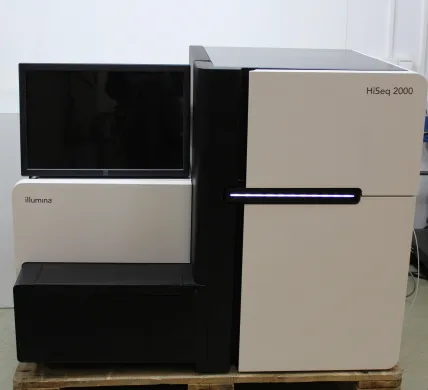
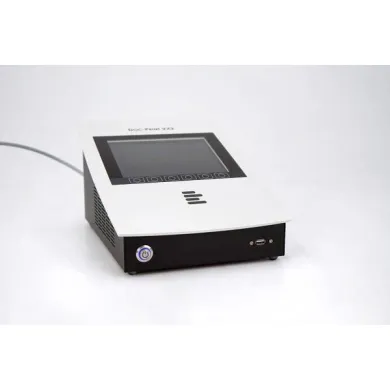
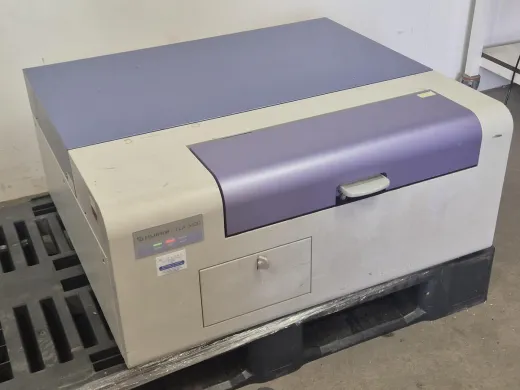
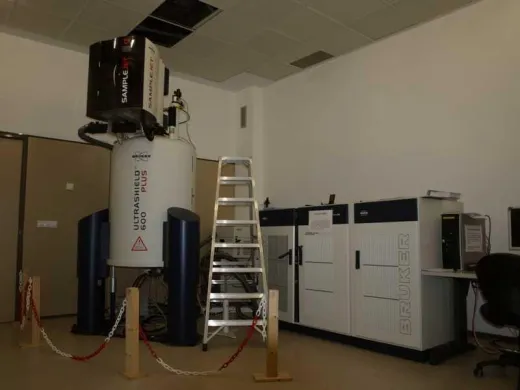
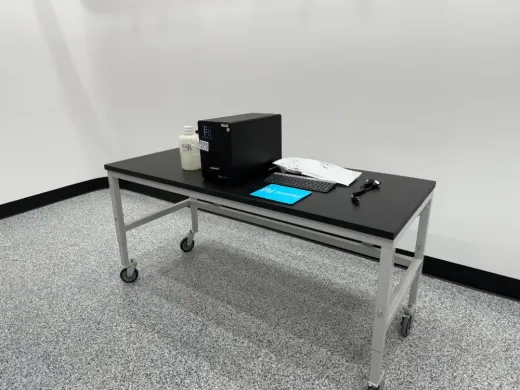
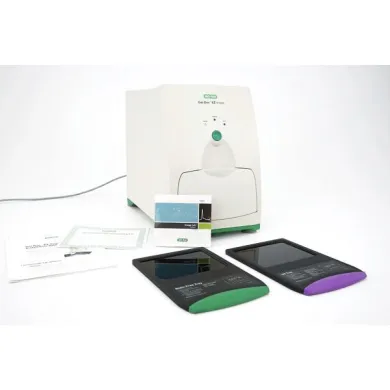
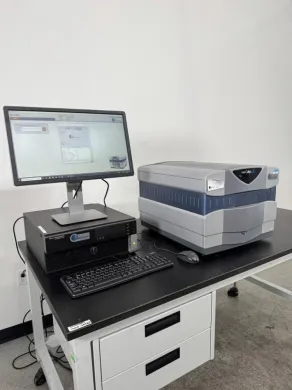
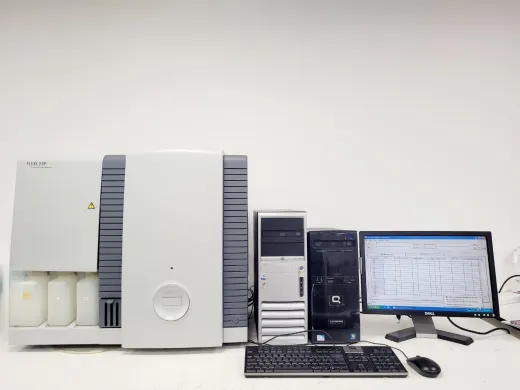
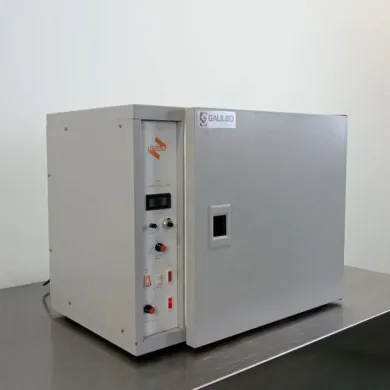
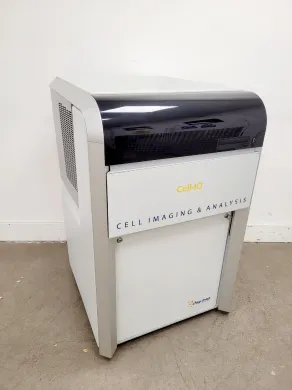
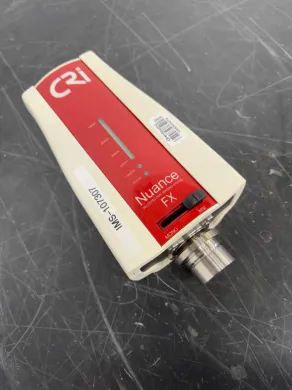
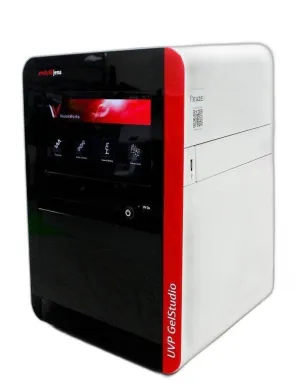
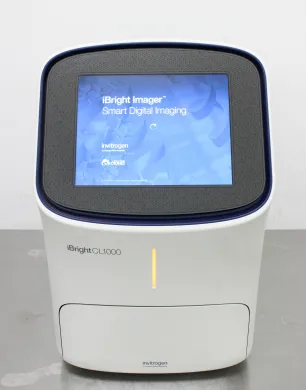
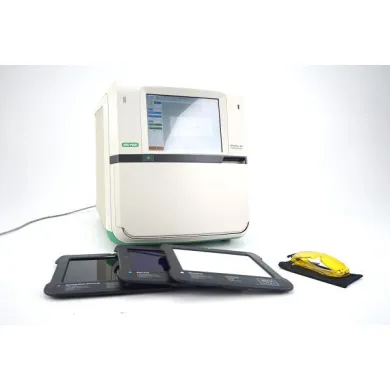
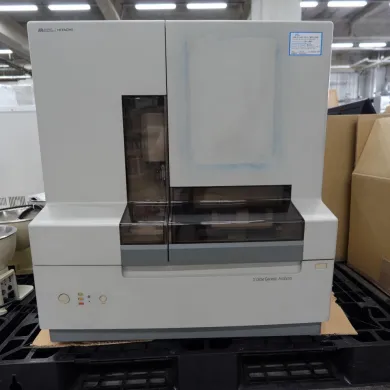
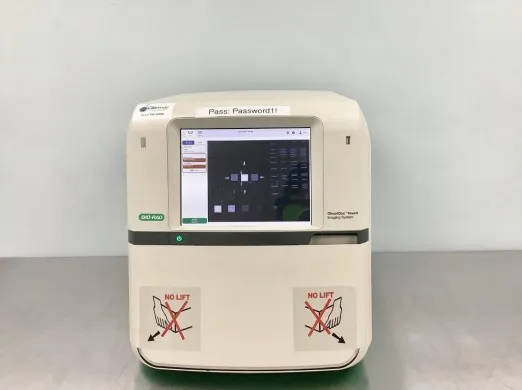
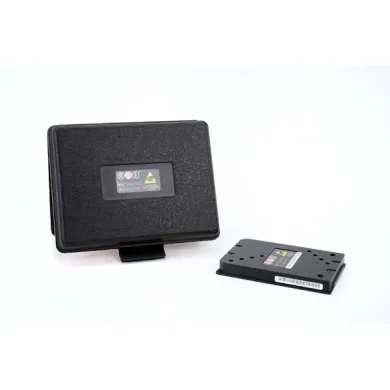
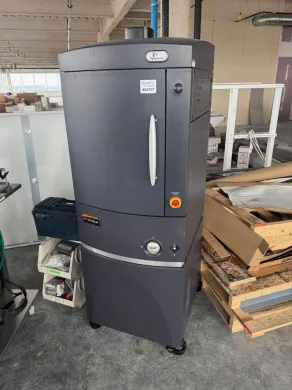
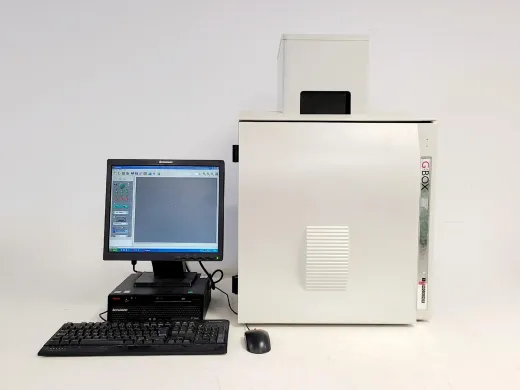
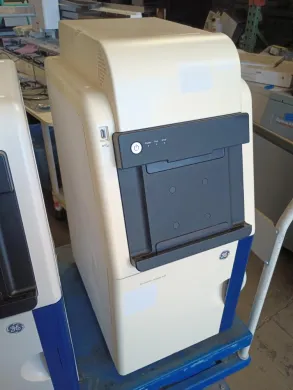
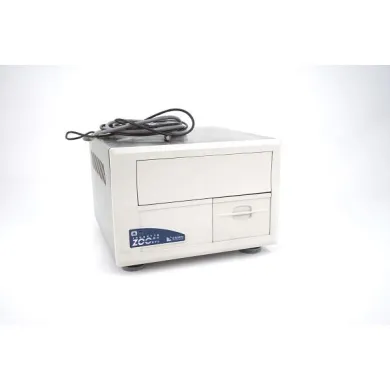
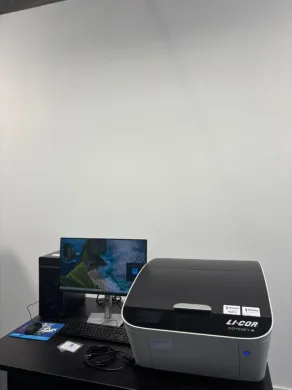
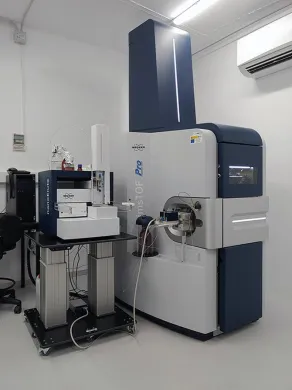
Not the exact instrument you need?
Tell our scientists what you are after. We track it down, including off-market supply.
Showing 1–40 of 181 listings
Show 40 more listingsBuying guide
What settles a molecular imaging purchase is the signal the instrument is built to read, because the detector and the light path are specified around it. A chemiluminescence imager needs a cooled, high sensitivity camera to collect faint emission over a long exposure in a dark chamber; a fluorescence imager needs the right excitation sources and emission filters for the dyes in use, and a gel documentation system reading ethidium bromide or a safer DNA stain needs only a transilluminator and a modest camera. Buying a cooled multi-mode system to photograph agarose gels is paying for sensitivity that the application never calls on, and buying a basic gel doc for quantitative western blots will not reach the low light levels those blots produce. Decide the assay first, then the detector follows.
Because the catalogue is almost entirely pre-owned, the second question is what the years have done to the optics and the sensor. A cooled scientific camera loses performance as its cooling degrades and as hot pixels accumulate, so a used chemiluminescence imager is worth checking for dark-frame noise and for an exposure that still resolves a weak band. On a fluorescence instrument, confirm that the excitation sources and the filter set match the fluorophores the work depends on, since filters are specific and a missing one is not always cheap to replace. A UV transilluminator loses lamp intensity over time and the bulbs are consumable. Parts for these instruments can be sourced via Questpair, and a warranty is often possible, arranged in consultation for the specific listing.
Price spans a wide band here, and the detector explains most of it. A bare UV transilluminator or a simple gel documentation unit sits near the lower end, while a cooled, multi-channel system configured for both fluorescence and chemiluminescence sits near the top. Prices range from EUR 39 to EUR 258.267, with an average around EUR 10.407. What a given unit costs follows directly from the camera and the light path rather than from the brand badge. Among the brands occupying this catalogue are Bio-Rad, Invitrogen, Syngene, Bruker, Azure Biosystems, and because 100 percent of what is listed is used, the units offered for sale are affordable relative to new equipment of the same specification, which keeps instruments like these within reach of a laboratory on a fixed budget.
Types of Molecular imaging devices
Which molecular imaging types are listed?
Among the listings that specify a type, six recur. A **gel documentation** system photographs a stained agarose or polyacrylamide gel, usually under UV or blue light, and is the everyday tool for checking a PCR product or confirming a restriction digest in molecular biology. A **fluorescence imaging** system excites a labelled sample and records the emitted light through matched filters, used in multiplexed western blotting and in **cell imaging** where more than one target is tagged at once. A **chemiluminescence imager** captures the light from an enzyme-substrate reaction with a cooled camera, the standard readout for a quantitative immunoassay or a chemiluminescent western blot in **proteomics**. A **UV transilluminator** is the light source under a gel rather than a camera, a component often bought on its own. **Digital imaging** and **molecular imaging** systems are the broader, multi-mode instruments that combine several of these detection modes in one chamber. These systems also used for documenting **electrophoresis** gels in **genomics** workflows, and gel documentation imaging and chemiluminescence western blot imaging are the phrases that describe most of the day-to-day work they do.
The brands behind the molecular imaging listings
The catalogue is led by Bio-Rad, Invitrogen, Syngene, Bruker, Azure Biosystems. For a buyer, a concentrated field like this one is an advantage: widely sold platforms are the ones a specialist can still find consumables and spare parts for, and the ones that are easy to compare model against model because the specifications are documented and familiar. Instruments from the better-represented makers tend to appear more than once in the catalogue, which gives a sense of the going price for a given configuration rather than a single data point. Parts for these platforms can be sourced via Questpair.
What a used molecular imaging device costs here
The condition mix is almost uniform: 100 percent of the listings are used. Prices run from EUR 39 to EUR 258.267, a spread that reflects the gap between a standalone transilluminator and a cooled multi-mode imaging platform rather than any difference in condition. The units are held by 14 verified suppliers and distributors across 7 countries, and used instruments are listed below the price of new equipment of the same specification.
Frequently asked questions
What is a molecular imaging device?
A molecular imaging device is an instrument that captures and quantifies light from labelled biological samples, recording signals such as fluorescence, chemiluminescence or stained bands separated by electrophoresis. It converts a gel, blot or microplate into a digital image that can be measured and archived.
What does molecular imaging mean in this context?
It refers to the detection and measurement of light emitted or transmitted by labelled molecules in a sample, turning an assay result into a numerical image. The term covers several detection modes, from UV-illuminated gels to enzyme-generated chemiluminescence.
How do molecular imaging devices work?
A light source or an enzyme reaction produces a signal from the labelled sample, and a camera or sensor records that light through matched filters or under a specific wavelength. Software then converts the captured light into an image where band or spot intensity can be measured.
What types of molecular imaging devices are there?
The listings here include gel documentation systems, fluorescence imaging systems, chemiluminescence imagers, digital imaging systems, molecular imaging systems and UV transilluminators. The first three are built around a specific signal, while digital and molecular imaging systems combine several detection modes in one chamber.
What are molecular imaging devices used for?
They document stained agarose or polyacrylamide gels, read fluorescent or chemiluminescent western blots, and quantify immunoassays. Common applications sit in genomics, proteomics and cell imaging, wherever an assay result needs to become a measurable image.
How do I choose a molecular imaging device?
Decide the signal the instrument must read first, because the detector and light path are specified around it. A chemiluminescence imager needs a cooled, high-sensitivity camera, a fluorescence imager needs excitation sources and filters matched to your dyes, and a gel documentation unit needs only a transilluminator and a modest camera.
What is the difference between refurbished and used units?
A used unit is sold in its existing condition, while a refurbished unit has been checked and brought back toward working specification before listing. Both are listed below the price of new equipment of the same specification; check the individual listing for the exact condition described.
How much does a molecular imaging device cost?
Prices range from EUR 39 to EUR 258.267, with an average around EUR 10.407. A bare UV transilluminator or simple gel documentation unit sits near the lower end, while a cooled, multi-channel system for both fluorescence and chemiluminescence sits near the top.
Which brands are available for molecular imaging devices?
The catalogue is led by Bio-Rad, Invitrogen, Syngene, Bruker and Azure Biosystems. These names recur across the listings, which helps when comparing one configuration against another.
Is a warranty available on refurbished units?
A warranty is often possible and is arranged in consultation for the specific listing. Check the individual listing to see what applies to that unit.
Can I get parts for these instruments?
Parts for these platforms can be sourced via Questpair. Widely sold systems from the brands in this catalogue tend to have better parts availability than rare models.
How long does a molecular imaging device last?
The main wear points are the optics and the sensor: a cooled scientific camera loses performance as its cooling degrades and hot pixels accumulate, and a UV transilluminator loses lamp intensity over time. A unit checked for dark-frame noise and a working light path can serve for years beyond its original purchase.
Should I buy new or used?
Used and refurbished units are listed at lower prices than new equipment of the same specification. Where you have to weigh the two, compare the specific listing and note that warranty is arranged in consultation rather than assumed.
Where can I buy a molecular imaging device?
They are listed on Questpair by 14 verified suppliers and distributors across 7 countries. The catalogue holds 352 listings in this category, with new, used and refurbished units.
What are the lead time and shipping like?
Lead time and shipping depend on the individual supplier and the location of the unit, which spans 7 countries. The specific listing and the supplier hold the details for that item.
What calibration and maintenance do these need?
A cooled camera benefits from a dark-frame check to confirm it still resolves a weak band, and fluorescence filters should be verified against the fluorophores in use. UV transilluminator bulbs are consumable and lose intensity over time, so lamp condition is worth confirming. Questpair does not provide servicing; parts can be sourced through it.
Which types are listed most and who reaches for which?
Gel documentation systems are the everyday tool for checking a PCR product or confirming a restriction digest in molecular biology. Fluorescence imagers suit multiplexed western blotting and cell imaging, chemiluminescence imagers are the readout for quantitative immunoassays and chemiluminescent blots in proteomics, and UV transilluminators are often bought on their own as a light source.
Which brands dominate this category and what does that mean for a buyer?
Bio-Rad, Invitrogen, Syngene, Bruker and Azure Biosystems lead the listings. A concentrated field means consumables and spare parts are easier to source for these platforms, and widely sold models appear more than once, giving a clearer sense of the going price for a given configuration.
What separates the cheapest units here from the most expensive?
The detector and light path explain most of the spread, not the brand badge. A standalone UV transilluminator or basic gel documentation unit sits at the bottom, while a cooled, multi-channel system configured for both fluorescence and chemiluminescence sits at the top of the range from EUR 39 to EUR 258.267.