

Microplate washers
We personally find you the right used, refurbished and new microplate washers instruments & equipment from verified suppliers.
Microplate washers are laboratory instruments that aspirate and dispense liquid across the wells of a microplate to remove unbound reagents between assay steps. They are built around a manifold of dispense and aspiration needles that address a plate one row or one column at a time, flushing wells with buffer and drawing the waste off before the next incubation. On Questpair, 422 of 425 washers are used, with 99 percent of the listings used. New, used and refurbished units appear across 17 verified suppliers and distributors in 8 countries. Prices run from EUR 77 to EUR 55.958.
Updated:
Microplate washers product list
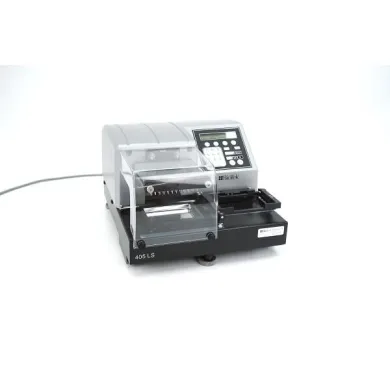
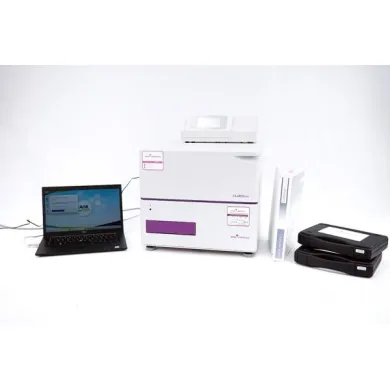
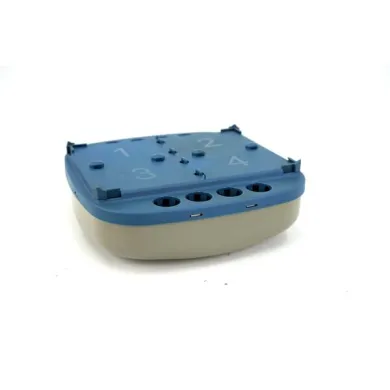
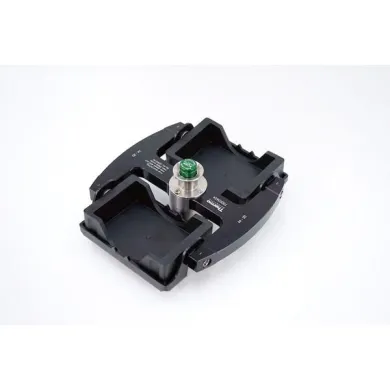


Not the exact instrument you need?
Tell our scientists what you are after. We track it down, including off-market supply.
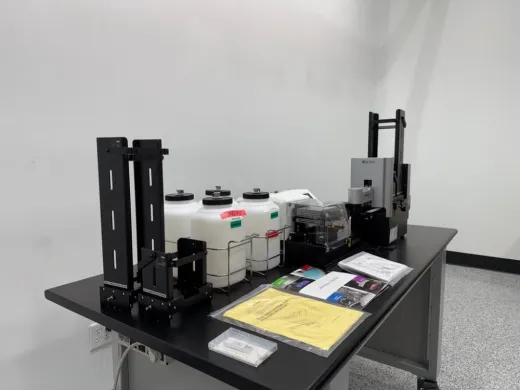
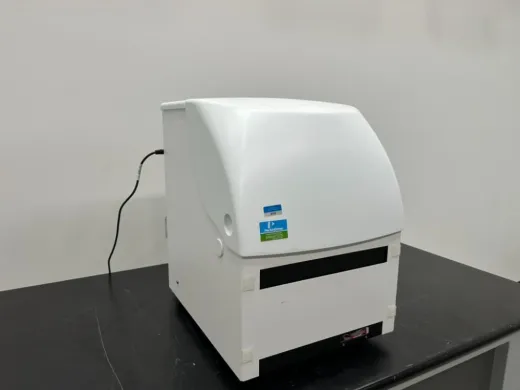
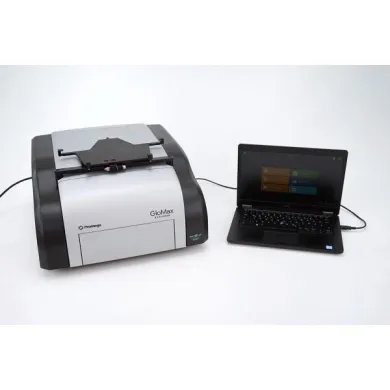
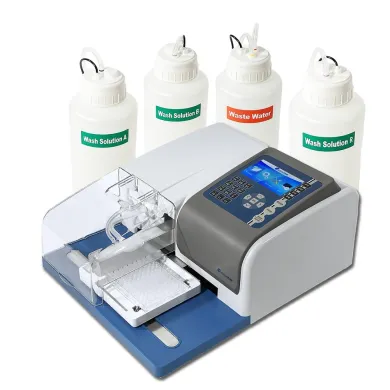
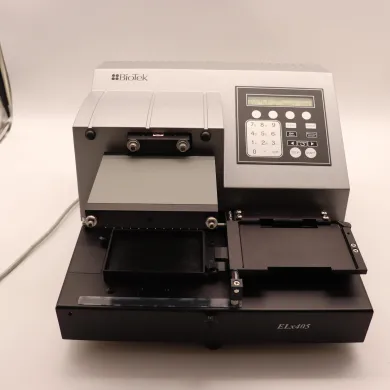
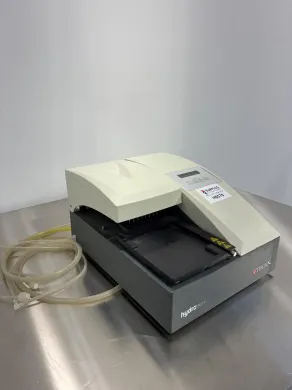
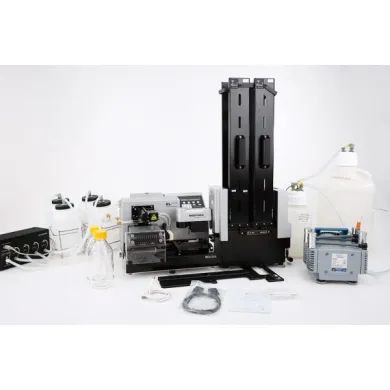
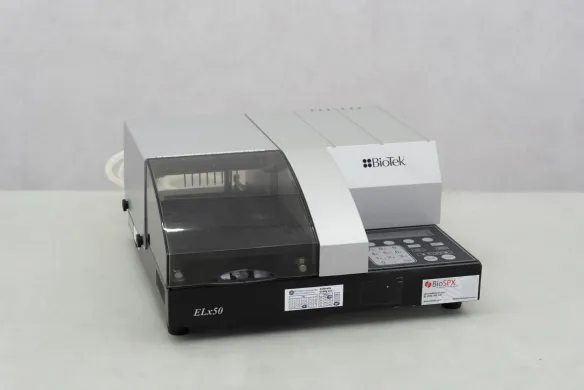
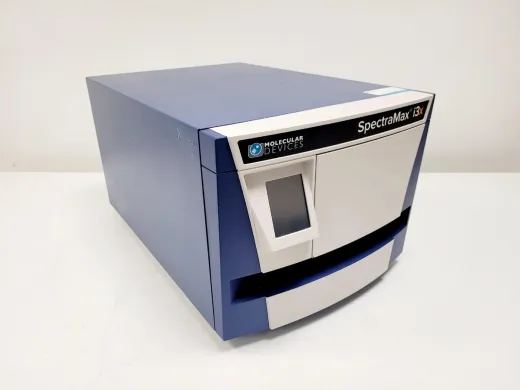
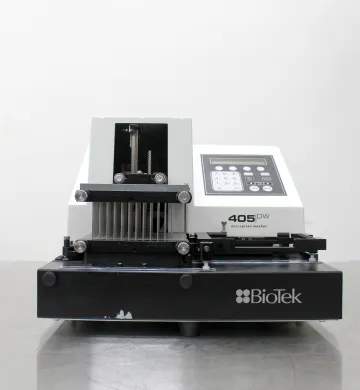
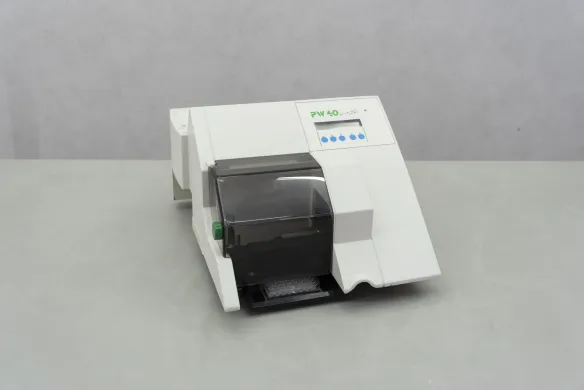
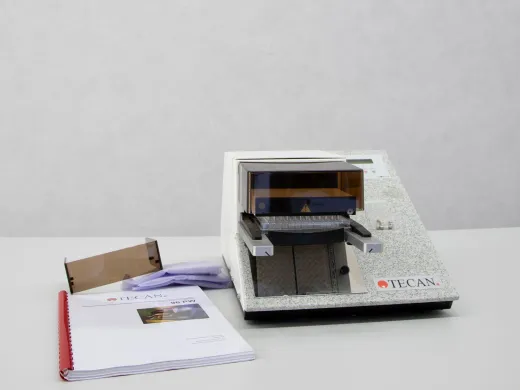
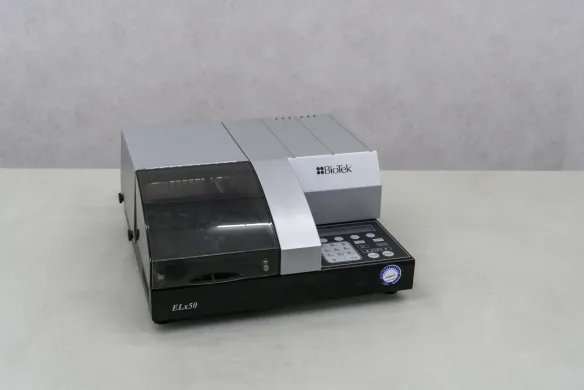
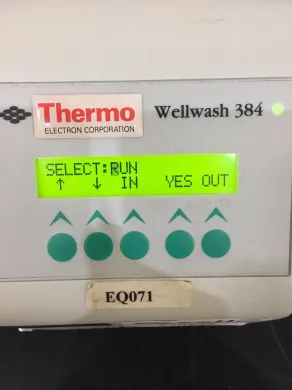
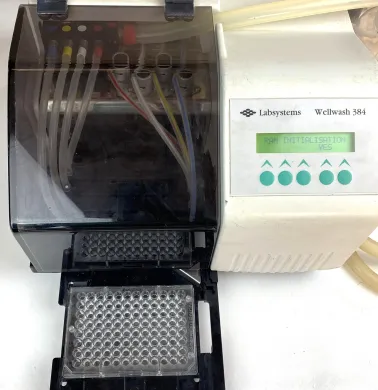
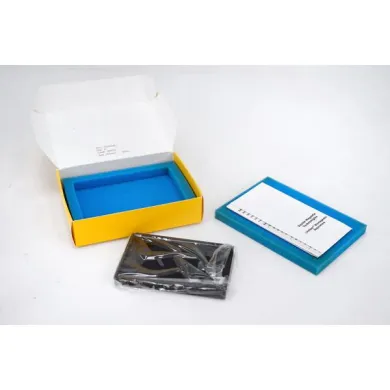
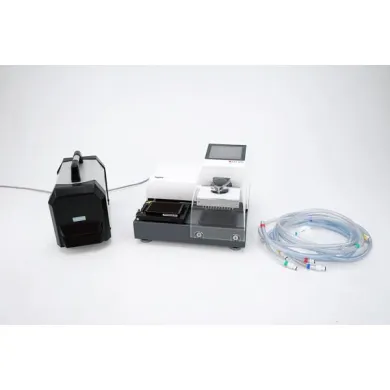
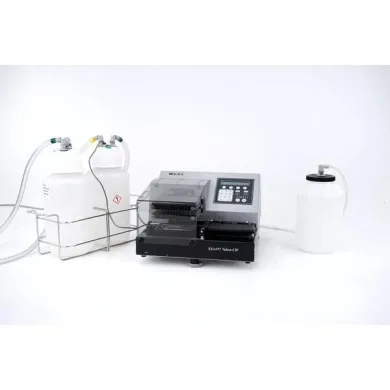
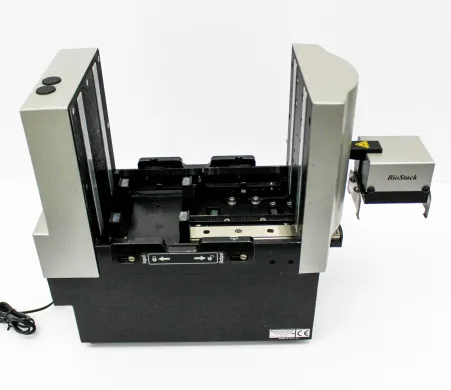
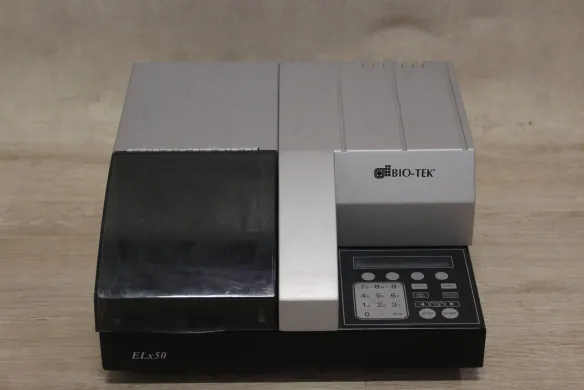
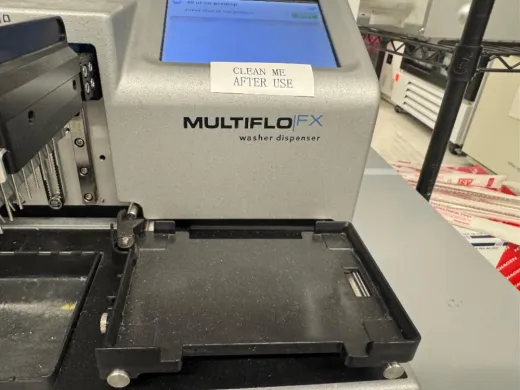
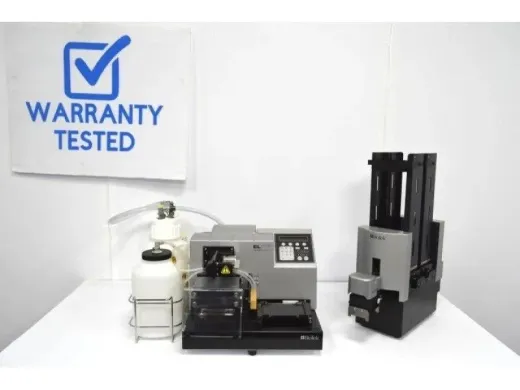
Not the exact instrument you need?
Tell our scientists what you are after. We track it down, including off-market supply.
Showing 1–40 of 188 listings
Show 40 more listingsBuying guide
Matching the washer to the assay format
What settles the purchase of a microplate washer is the plate format it addresses and how gently it does so. A 96-well manifold and a 384-well manifold are not interchangeable: the needle pitch is fixed to the well spacing, and a unit built for one density will not service the other without a changed head. A buyer running a single ELISA format can take a fixed manifold; a shared facility that moves between 96 and 384 wells needs a model whose head swaps or whose geometry covers both. Residual volume, the amount of liquid left in the well after aspiration, is the second number that decides it, because an assay with a low signal tolerates very little carryover between steps. Dispense accuracy and the number of programmable wash cycles follow from the assay, not from the datasheet headline.
Cell-based work raises a separate requirement that a plain ELISA washer will not meet. Adherent cells lift off the plate bottom if the aspiration needle sits too low or the flow runs too fast, so a washer intended for cell layers offers an adjustable aspiration height and a gentle dispense mode. If the catalogue listing does not state these, treat the unit as an ELISA washer and verify before committing it to a cell assay.
On a used instrument, the points to check are mechanical and they are specific to this class. Needles clog and bend, and a blocked dispense channel reads as an uneven wash across the plate; ask whether the manifold has been cleaned and whether any needles are replacements. The internal fluid lines and valves carry buffer and salt, which crystallise when a unit sits idle, so a washer out of service for a long period may need its fluidics flushed before it runs clean. Confirm the plate carrier moves freely and that the aspiration pump holds vacuum.
Price spans the full range the catalogue shows. A basic strip or single-format washer sits near the low end, while a fully automated plate washer with multiple buffer inputs and an onboard pump reaches the top. The average listing cost falls at EUR 4.233, which gives a sense of where the bulk of the catalogue sits rather than what any one model costs. For a buyer working to a fixed budget, the used instruments are listed for sale well below the price of new ones, and the spread between EUR 77 and EUR 55.958 is wide enough that format and automation level, not condition alone, drive where a given unit lands. These are affordable relative to new equipment, and warranty on any individual listing is arranged in consultation.
Types of Microplate washers
Which washer types are listed here?
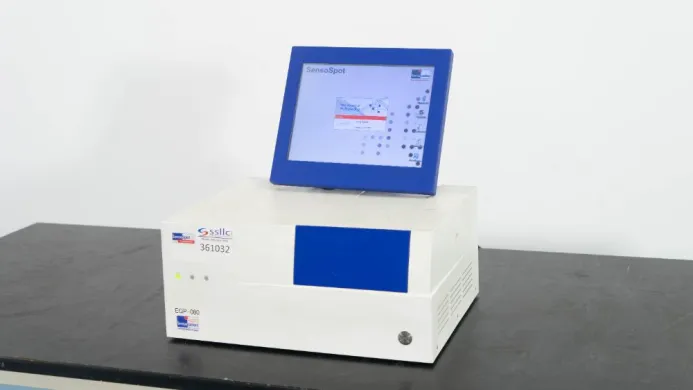
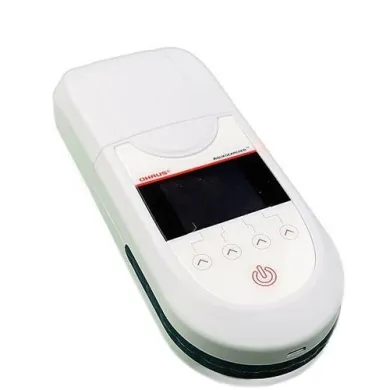
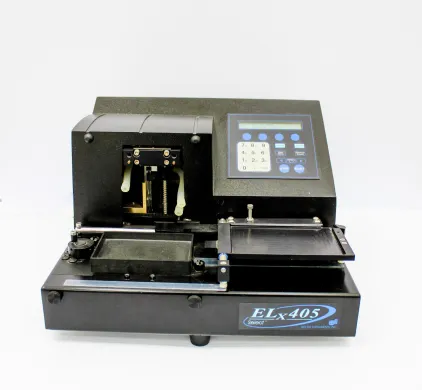
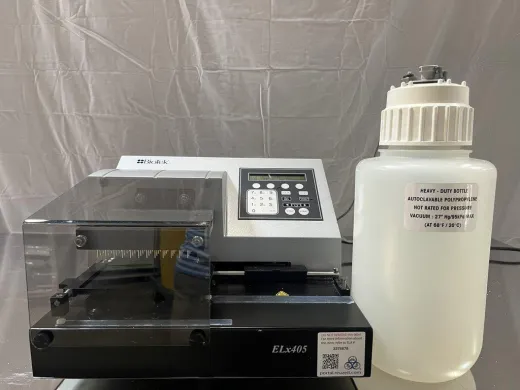
Among the listings that specify a type, the catalogue divides into a few recognisable forms. The plain **microplate washer** is the manual or semi-automatic workhorse, a single manifold that services one plate at a time under operator control. The **automated microplate washer**, also written as automated plate washer, adds an onboard pump, multiple buffer reservoirs and stored wash programs, which suits a laboratory running the same protocol across many plates a day. The **96-well plate washer** names the manifold density explicitly, the standard format for most immunoassay work, while the **ELISA plate washer** is the same class sold for its application: it performs the buffer flushes between the coating, blocking, antibody and substrate steps of an enzyme-linked immunosorbent assay. A handful of listings pair washing with reading and surface as a **microplate reader** in the same catalogue; those are detection instruments rather than fluid handlers and belong to a buyer who wants both functions in one footprint.
The washer is the fluidic engine behind immunoassay and ELISA workflows across molecular diagnostics and clinical microbiology, and an ELISA plate washer is the instrument a protocol names by that term when it sets out the wash step. In high-throughput screening and antibody work, an automated 96-well plate washer handles the repetitive buffer exchange that manual pipetting cannot sustain at plate scale, which is why it recurs in immunoassay development and in quality-control labs running batched diagnostic panels. These units also serve cell-based assays where a gentle wash protects an adherent monolayer.
The brands behind the microplate washer listings
The makers that recur most are BioTek, Molecular Devices, Agilent BioTek, Tecan, BioTek Instruments, Inc. For a buyer, a well-represented brand means a model is easy to compare against its siblings and against the same unit at a second supplier, and it means the dispense and aspiration needles, the most consumed parts on any washer, are the ones most likely to be found. Parts for these can be sourced via Questpair. A less common maker in the list may still suit a specific format, but expect fewer reference points when judging a fair price.
What a used microplate washer costs here
The condition mix is heavily one way: 99 percent of the listings are used. Prices range from EUR 77 to EUR 55.958. That spread covers the distance between a manual single-format washer and a fully automated system with integrated fluidics, and the average at EUR 4.233 indicates where the greater part of the catalogue sits rather than any single configuration.
Frequently asked questions
What is a microplate washer?
It is a laboratory instrument that aspirates and dispenses liquid across the wells of a microplate to remove unbound reagents between assay steps. It uses a manifold of dispense and aspiration needles that address the plate one row or column at a time.
What does microplate washer mean?
The name describes the function: the instrument washes the wells of a microplate by flushing them with buffer and drawing off the waste. It is the fluid-handling counterpart to a microplate reader, which detects signal rather than exchanging liquid.
How do microplate washers work?
A manifold lowers dispense needles into the wells to deliver wash buffer, then aspiration needles draw the liquid back out, leaving a small residual volume. An onboard or external pump drives the fluid, and programmable units repeat this cycle according to a stored wash protocol.
What types of microplate washers are there?
The listings here cover the plain microplate washer, the automated microplate washer (also called an automated plate washer), the 96-well plate washer, the ELISA plate washer, and a few microplate readers that pair washing with detection. The plain washer services one plate at a time under operator control, while automated models add onboard pumps, multiple buffer reservoirs and stored programs.
What are microplate washers used for?
They perform the buffer flushes between steps in immunoassay and ELISA workflows, removing unbound antibody, antigen or substrate before the next incubation. They also serve high-throughput screening, antibody work and cell-based assays where repetitive buffer exchange at plate scale is needed.
How do I choose a microplate washer?
Match the plate format first: a 96-well manifold and a 384-well manifold are not interchangeable because the needle pitch is fixed to the well spacing. Then weigh residual volume, dispense accuracy and the number of programmable wash cycles against your assay, and check for an adjustable aspiration height and gentle dispense mode if you run adherent cells.
What is the difference between a refurbished and a used microplate washer?
A used unit is sold as it came from service, while a refurbished unit has been checked and brought back to working condition before listing. On a washer, confirm what that work covered: whether the manifold was cleaned, whether needles were replaced, and whether the fluidics were flushed.
How much does a microplate washer cost?
Prices on Questpair range from EUR 77 to EUR 55.958, with the average at EUR 4.233. The spread covers the distance between a manual single-format washer and a fully automated system with integrated fluidics.
Which brands make microplate washers?
The makers that recur in these listings are BioTek, Molecular Devices, Agilent BioTek, Tecan, and BioTek Instruments, Inc. A well-represented brand gives you more reference points when comparing a model and makes the consumed parts, chiefly the dispense and aspiration needles, easier to source.
Is there a warranty on a refurbished microplate washer?
A warranty is often possible and is arranged in consultation for the specific listing. Terms are not set centrally, so check what the individual seller states for the unit you are considering.
Can I get parts for a microplate washer?
Parts can be sourced via Questpair, and the dispense and aspiration needles are the items consumed most on any washer. These are easiest to find for the well-represented brands, since the same model appears across more than one supplier.
How long does a microplate washer last?
Lifespan depends on how the fluidics are maintained, since buffer and salt crystallise in idle lines and valves and needles clog or bend with use. A unit whose manifold is cleaned and whose lines are flushed regularly keeps running cleanly for years.
Should I buy a new or a used microplate washer?
Used and refurbished washers are listed at lower prices than new ones, and the wide spread between EUR 77 and EUR 55.958 means format and automation level, not condition alone, drive where a unit lands. Where you need to weigh the two, check the individual listing and arrange warranty in consultation.
Where can I buy a microplate washer?
They are listed on Questpair across 17 verified suppliers and distributors in 8 countries. New, used and refurbished units appear in the same catalogue, so you can compare conditions and formats side by side.
What is the lead time and shipping on a microplate washer?
Lead time and shipping depend on the individual listing and the supplier's location across the 8 countries represented. For a specific unit, contact Questpair and specialists respond within an hour.
How are microplate washers calibrated and maintained?
Maintenance centres on the fluidics: clean the manifold, flush the fluid lines and valves to clear crystallised buffer, and check that needles are unblocked and unbent so the wash runs evenly across the plate. Confirm the plate carrier moves freely and the aspiration pump holds vacuum; Questpair does not perform servicing itself.
Which washer types are listed most here, and who reaches for each?
The listings that specify a type divide between the plain microplate washer, the automated microplate washer, the 96-well plate washer, the ELISA plate washer, and a handful of microplate readers. A single-protocol ELISA lab can take a fixed manual washer, while a high-throughput or quality-control lab running batched panels reaches for the automated 96-well unit, and a buyer wanting wash and read in one footprint looks at the reader pairings.
Which brands dominate this category, and what does that mean for a buyer?
BioTek, Molecular Devices, Agilent BioTek, Tecan and BioTek Instruments, Inc are the names that recur across these listings. A frequently listed model is easier to compare against its siblings and against the same unit at a second supplier, and its needles are the ones most likely to be available; a rarer maker may still fit a specific format but gives you fewer price reference points.
What separates the cheapest microplate washers from the most expensive?
At the low end sit basic strip or single-format manual washers that service one plate under operator control. At the high end are fully automated plate washers with multiple buffer inputs and an onboard pump, which is why the range runs from EUR 77 to EUR 55.958; automation level and plate format drive the difference more than condition does.