

Western blot / gel imaging systems
We personally find you the right used, refurbished and new western blot / gel imaging systems from verified suppliers.
Western blot and gel imaging systems are instruments that capture and quantify signal from electrophoresis gels and blotting membranes, recording either the chemiluminescent, fluorescent, or colorimetric output of a separation. A unit combines a dark enclosure, a cooled camera or scanner, and the illumination or excitation needed for the detection chemistry in use. New, used and refurbished systems are listed on Questpair, and among the current listings 100 percent are used. Prices span a wide laboratory range, reflecting the gap between a basic gel documentation box and a quantitative multiplex imager. Listings come from 10 verified suppliers and distributors across 5 countries.
Updated:
Western blot / gel imaging systems product list


Not the exact instrument you need?
Tell our scientists what you are after. We track it down, including off-market supply.
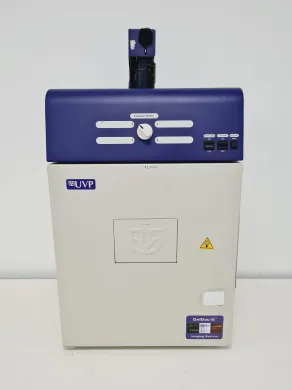
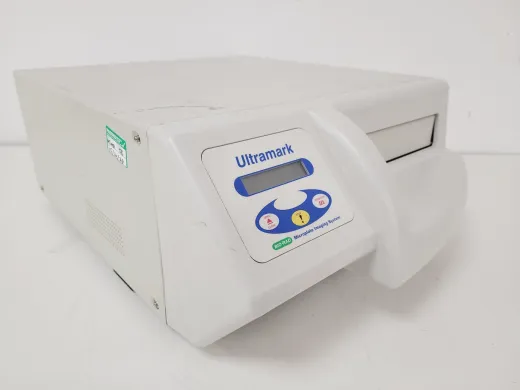
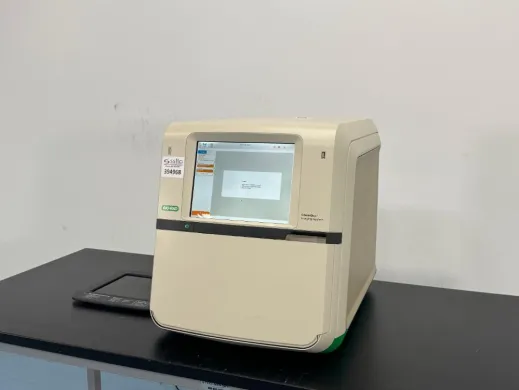
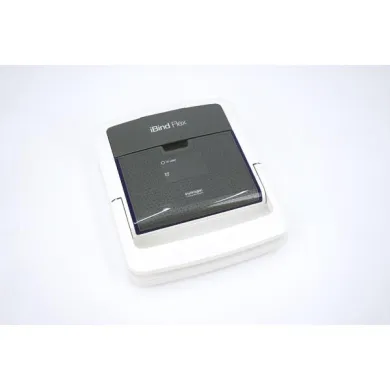
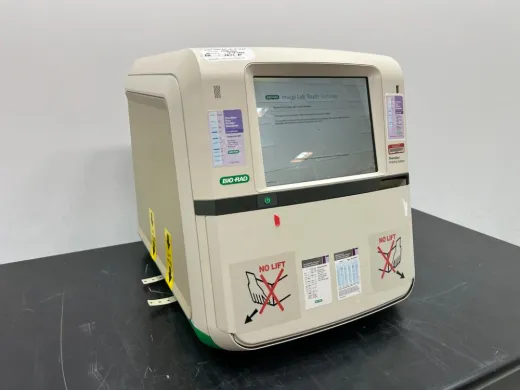
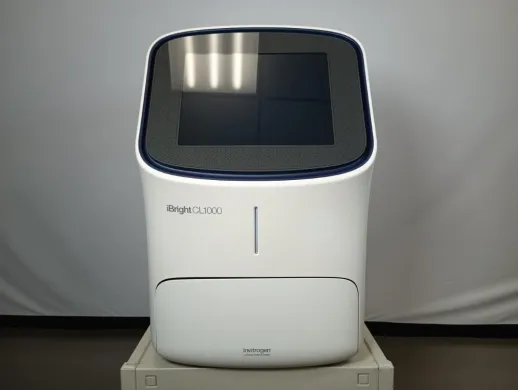
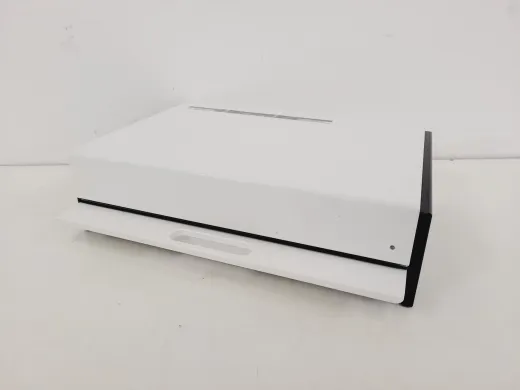
Not the exact instrument you need?
Tell our scientists what you are after. We track it down, including off-market supply.
Showing 1–40 of 85 listings
Show 40 more listingsBuying guide
The detection chemistry a lab runs settles the choice before any other specification. A system built for enhanced chemiluminescence needs a sensitive cooled camera and a light-tight enclosure, and nothing else about illumination matters, because the signal is generated by the sample. A fluorescence system is a different instrument: it needs excitation sources and emission filters matched to the dyes in use, and the number of channels it reads determines whether a membrane can be probed for two or three targets at once. A lab that only documents stained gels under UV or white light does not need either of those and should not pay for them. So the first question is not resolution or camera grade, it is what the membrane or gel actually emits.
From there, dynamic range decides whether the instrument can quantify or only record. Western blot work that feeds densitometry needs a camera whose linear range covers both a faint band and a saturated loading control in one exposure; a 16-bit sensor with wide dynamic range does this where a consumer-grade sensor clips. If the output is a figure for publication rather than a number for a table, a documentation-grade system is enough.
On a used unit, the camera and its cooling are what to verify. A cooled CCD or sCMOS sensor degrades slowly, and warm pixels or a failed Peltier cooler raise the noise floor in exactly the long exposures chemiluminescence depends on. Ask for a recent dark-frame or a sample image at a long exposure, confirm the illumination transilluminator and any filter wheels are present and intact, and check that the capture software still runs and is licensed, since some older systems are tied to a workstation and an operating system that is no longer easy to replace.
What a system costs on Questpair runs from EUR 39 to EUR 30.131, with an average near EUR 5.062. That spread is the gap between a simple gel documentation box and a quantitative near-infrared multiplex imager, not a difference in condition. A buyer working to a budget will find basic documentation systems at the low end well within reach, and refurbished units listed for sale sit below the price of equivalent new instruments. The brands that occupy the range, Bio-Rad, Invitrogen, Syngene, Li-Cor, ProteinSimple, each sit at a recognisable point on it, so matching the chemistry and the dynamic range to the work usually narrows the field to two or three models worth comparing directly.
Types of Western blot / gel imaging systems
Which imaging system types are listed?
Among the listings that specify a type, the instruments split along what they detect rather than what they look like. Gel documentation systems are the broad base: enclosed cameras for photographing stained gels under UV or white light, used across routine molecular biology to record a DNA or protein separation after electrophoresis. Chemiluminescence imagers are built around a cooled, sensitive camera and a dark chamber, the standard tool for enhanced chemiluminescence Western blotting where the signal comes from an enzyme reaction on the membrane. Fluorescence imaging systems and fluorescence imagers add excitation sources and emission filters, reading dyes directly, which is what makes multiplex detection of several targets on one blot possible. Gel imaging systems and molecular imaging systems are the general and higher-capability names in the sample, the latter typically combining more than one detection mode in a single enclosure. The distinction that matters to a buyer is whether an instrument quantifies or only documents, and that follows from its camera and its detection path, not from the label.
These instruments do the readout step for a large part of protein and nucleic acid analysis. Fluorescence and near-infrared imagers support quantitative multiplex Western blot imaging in proteomics and protein purification workflows, where a loading control and a target are measured on the same membrane. Chemiluminescence imagers are the detection stage for immunoassay and antibody validation work in molecular biology. Gel documentation systems record electrophoresis in genomics and microbiology labs, and the same enclosures also serve routine gel documentation for cloning and expression work. Where a lab runs DNA or RNA gels, these systems capture the output of agarose and polyacrylamide gel electrophoresis for downstream analysis.
The brands behind the Western blot imaging listings
The systems on offer come from Bio-Rad, Invitrogen, Syngene, Li-Cor, ProteinSimple. For a buyer, the practical effect of that mix is consistency: these are established lines, so consumables such as filters and transilluminators, and the capture software, are documented and comparable across models. A widely sold platform is easier to match specification for specification against an alternative, and spare parts for it can be sourced via Questpair rather than hunted down. The near-infrared and multiplex-oriented makers sit at the higher end of the price band, the documentation-focused systems lower, which tracks the chemistry split above more than any brand premium.
What a used Western blot imaging system costs here
Every current listing is used, with 100 percent of the catalogue in that condition. Prices range from EUR 39 to EUR 30.131, and the average sits near EUR 5.062. That range covers the full span from a simple gel documentation enclosure to a quantitative multiplex imager, so the position within it reflects capability rather than wear. Listings come from 10 verified suppliers and distributors across 5 countries, and a warranty is arranged in consultation for the specific listing.
Frequently asked questions
What is a Western blot / gel imaging system?
It is an instrument that captures and quantifies signal from electrophoresis gels and blotting membranes, recording chemiluminescent, fluorescent, or colorimetric output. A typical unit combines a dark enclosure, a cooled camera or scanner, and the illumination or excitation needed for the detection chemistry in use.
What does 'gel imaging system' mean in practice?
The term covers instruments that perform the readout step after a separation has been run, meaning they photograph or scan the gel or membrane so the result can be recorded or measured. It is a broad label that spans simple documentation enclosures through to quantitative multiplex imagers.
How do these imaging systems work?
The gel or membrane is placed in a light-tight enclosure, and depending on the chemistry it is either illuminated to excite a fluorescent dye, lit under UV or white light for a stained gel, or left to emit light from an enzyme reaction. A cooled camera or scanner then captures the signal, and capture software converts it into an image or a quantified value.
What types of Western blot and gel imaging systems are there?
The main types are gel documentation systems, chemiluminescence imagers, fluorescence imaging systems, fluorescence imagers, general gel imaging systems, and molecular imaging systems. They differ by what they detect: documentation systems photograph stained gels, chemiluminescence imagers read enzyme-generated light, and fluorescence systems read dyes directly for multiplex work.
What are these systems used for?
They perform the readout step for protein and nucleic acid analysis, including quantitative multiplex Western blot imaging, enhanced chemiluminescence Western blotting, and documentation of DNA or RNA gels. Applications span proteomics, protein purification, immunoassay and antibody validation, genomics, and microbiology.
How do I choose the right imaging system?
Start with the detection chemistry your lab runs: a chemiluminescence system needs a sensitive cooled camera and a dark enclosure, a fluorescence system needs excitation sources and emission filters matched to your dyes, and a documentation-only lab needs neither. After chemistry, dynamic range decides whether the instrument can quantify or only record an image.
What is the difference between refurbished and used?
A used unit is sold in its existing condition, while a refurbished unit has been checked and brought back to working order before sale. Both are listed below the price of equivalent new instruments, and the condition and any work done are described in the individual listing.
How much does a Western blot / gel imaging system cost?
On Questpair prices range from EUR 39 to EUR 30.131, with an average near EUR 5.062. That spread reflects the gap between a basic gel documentation box and a quantitative multiplex imager, so position in the range tracks capability rather than wear.
Which brands are worth looking at?
The systems listed come from Bio-Rad, Invitrogen, Syngene, Li-Cor, and ProteinSimple. These are established lines, so consumables such as filters and transilluminators and the capture software are documented and comparable across models.
Is a warranty available on a refurbished unit?
A warranty is often possible and is arranged in consultation for the specific listing. Check the individual listing and raise the question before purchase so the terms are clear.
Can I still get parts for these systems?
Parts such as filters and transilluminators can be sourced via Questpair. Because the brands listed are widely sold platforms, their components are documented, which makes matching a replacement easier than for an obscure instrument.
How long do these systems last?
The limiting components are usually the camera and its cooling: a cooled CCD or sCMOS sensor degrades slowly, but a failed Peltier cooler or warm pixels raise the noise floor in the long exposures chemiluminescence depends on. The software can also be a limiting factor when an older system is tied to a workstation and operating system that is hard to replace.
Should I buy new or refurbished?
Used and refurbished units are listed at lower prices than new ones, which is the clearest difference between them. Where you have to weigh the two, look at the specific listing and confirm the warranty, which is arranged in consultation for that unit.
Where can I buy one?
They are listed on Questpair from verified suppliers and distributors across 5 countries, with 10 suppliers represented. You can compare models and conditions directly in the catalogue.
What are the lead time and shipping like?
Lead time and shipping depend on the individual supplier and the unit's location, since listings come from suppliers across 5 countries. The specifics are confirmed with the supplier for the listing you are interested in.
What calibration and maintenance do these systems need?
On a used unit, verify the camera and its cooling first: ask for a recent dark-frame or a long-exposure sample image, and confirm the transilluminator and any filter wheels are present and intact. Also check that the capture software still runs and is licensed, since some older systems are tied to a specific workstation.
Which type is listed most, and who reaches for which?
Gel documentation systems form the broad base and serve routine molecular biology, genomics, and microbiology labs recording DNA or protein separations. Chemiluminescence imagers go to immunoassay and antibody validation work, while fluorescence imagers and molecular imaging systems are chosen by proteomics and protein purification labs that need quantitative multiplex detection.
Which brands dominate this category and what does that mean for a buyer?
Bio-Rad, Invitrogen, Syngene, Li-Cor, and ProteinSimple account for the systems on offer, with the near-infrared and multiplex-oriented makers at the higher end and documentation-focused systems lower. For a buyer this means consumables and software are comparable across models, and a widely sold platform is easier to match specification for specification against an alternative.
What separates the bottom of the price band from the top?
The low end is a simple gel documentation enclosure that photographs stained gels under UV or white light, with no quantification. The top is a quantitative near-infrared or multiplex imager with a wide dynamic range camera and multiple detection channels, so the gap is capability and detection chemistry rather than condition.