

Real-Time PCR
We personally find you the right used, refurbished and new real-time pcr instruments & equipment from verified suppliers.
Real-time PCR is a laboratory method that amplifies a target DNA or RNA sequence and measures the product as it accumulates, cycle by cycle, using a fluorescent signal. The technique, also called quantitative PCR or qPCR, reports the starting amount of template rather than only confirming its presence, which is what separates it from endpoint PCR. The Questpair catalogue lists 660 real-time PCR systems from 16 verified suppliers and distributors across 10 countries. New, used and refurbished instruments appear side by side. 98 percent of the listings are used. Prices run from EUR 58 to EUR 172.178, a spread that tracks channel count, block format and detection optics more than anything else.
Updated:
Real-Time PCR product list
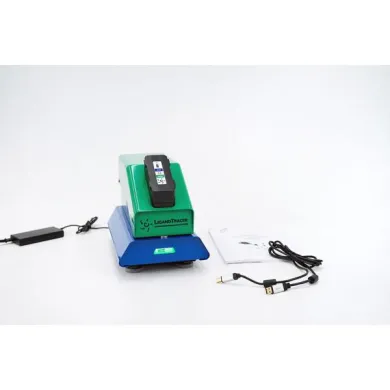
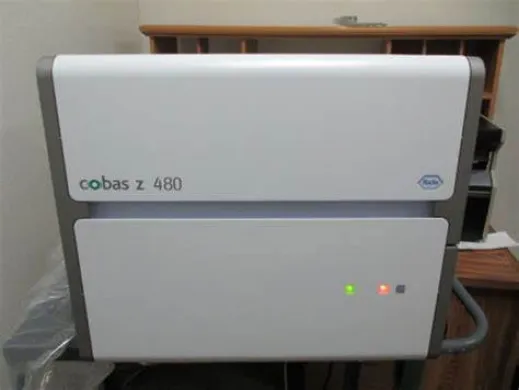
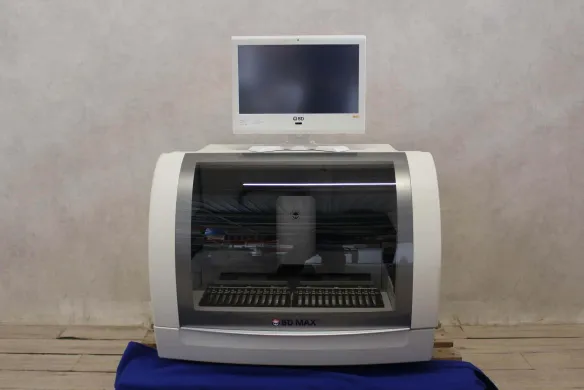
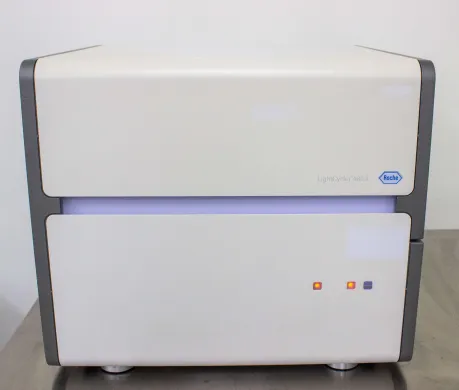
Roche Cobas Z 480 real time PCR
- Category
- Life science equipment other
- Brand
- Roche
- Suppliers
- 1 verified


Not the exact instrument you need?
Tell our scientists what you are after. We track it down, including off-market supply.
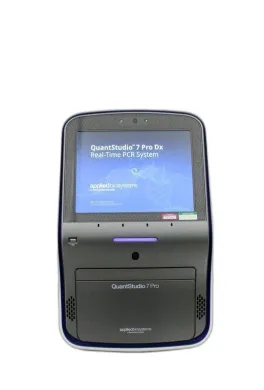
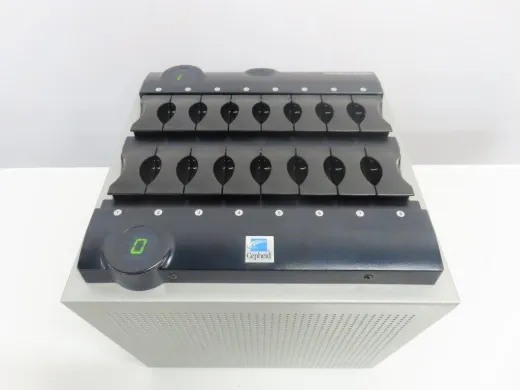
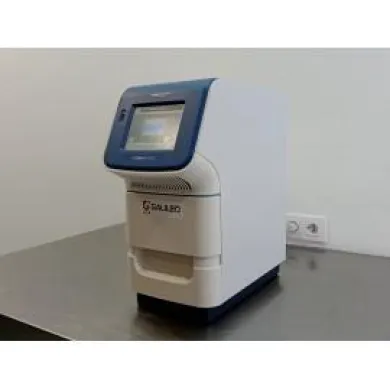
Not the exact instrument you need?
Tell our scientists what you are after. We track it down, including off-market supply.
Showing 1–40 of 361 listings
Show 40 more listingsBuying guide
The decision that comes first on almost every real-time PCR purchase is optical channel count, because it sets what the instrument can measure in a single run. A single-channel system reads one dye and answers presence or quantity for one target; a four, five or six-channel instrument reads several dyes at once and runs a multiplex reaction, several targets in the same well. A molecular diagnostics workflow with an internal control, or a gene expression panel, needs the channels; a lab that runs one assay at a time does not, and pays for optics it will not use. Read the channel specification against the assays actually on the bench, not against the ones that might arrive.
Block format follows from throughput. A 96-well block suits most research and routine testing; a 384-well block cuts reagent volume per reaction and raises the sample count per run, which matters at scale and is overkill below it. Some systems take interchangeable blocks, which changes how a used unit should be read: confirm which block is included and whether the alternate block is present, because buying it afterwards is rarely cheap.
On a used quantitative PCR instrument the optics and the thermal block are what to verify, and in that order. The excitation source and the detector drift and the calibration dyes expire, so ask when the instrument was last calibrated and whether a passive reference and dye calibration can be run on arrival. The Peltier block degrades with cycle count and shows up as poor well-to-well uniformity, which corrupts quantification before it ever fails outright; a uniformity check across the block is worth more than the hours logged. Confirm the control software licence transfers and that it runs on an operating system the lab still supports, because an orphaned instrument is a common and avoidable trap.
Price spans a wide range here, from EUR 58 to EUR 172.178, with an average near EUR 7.809. The low end covers basic single-channel units and parts; the high end covers high-channel diagnostics-grade systems with automation. The brands that occupy that band are Applied Biosystems, Bio-Rad, Roche, Agilent, Thermo Fisher Scientific, and their presence is practical rather than reputational: parts, consumables and comparable models are easier to find for them. For a lab working to a budget, that supply matters more than the sticker, and the refurbished and used units listed for sale sit below new, which is often what makes a higher channel count affordable at all.
Types of Real-Time PCR
Which real-time PCR instruments are listed here?
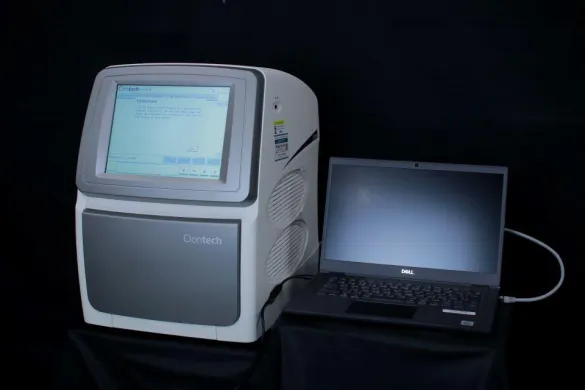
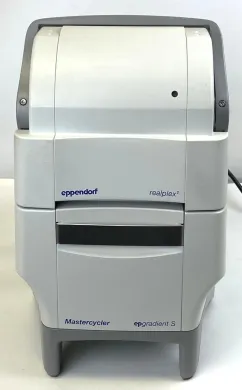
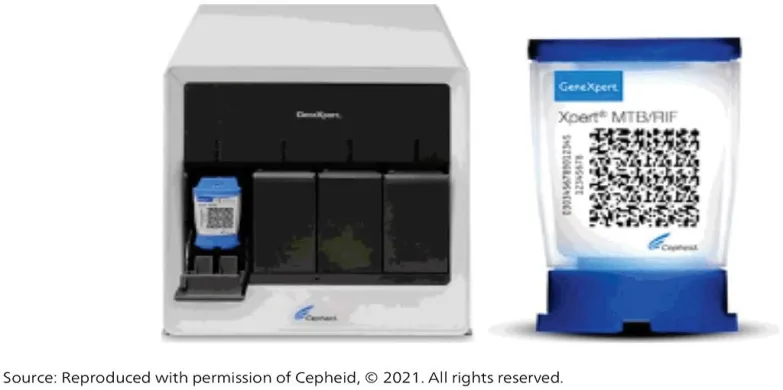
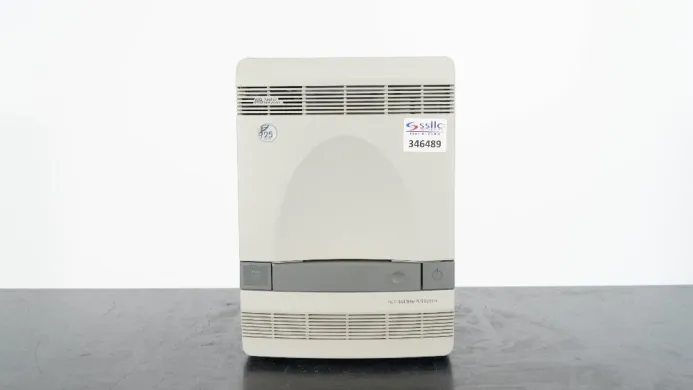
Among the listings that specify a type, six recur. A real-time PCR system is the complete instrument, thermal block and optics together, built to amplify and quantify in one pass. A thermal cycler is the amplification engine on its own; some are real-time capable and some are endpoint only, so the distinction is worth confirming before buying. A quantitative PCR instrument is named for what it does, qPCR, measuring template copy number rather than confirming a band. A fluorescence detection system is the optical module that reads the signal, central to any real-time instrument. A multiplex PCR system carries the channels to read several dyes, and several targets, in one reaction. Molecular diagnostics equipment covers instruments configured for clinical testing, often with the regulatory and software requirements that work carries.
The work these instruments do sits squarely in molecular biology and life sciences. Real-time PCR is the measurement step behind gene expression analysis, where it quantifies how much of a transcript a cell is making, and it underpins molecular diagnostics, from pathogen detection to oncology panels. A multiplex PCR system is also used for immunoassay-adjacent nucleic acid panels and for genotyping. In genomics and proteomics pipelines qPCR validates results from sequencing or cell culture work, and in biomanufacturing and bioprocessing it confirms the absence of contaminants and the identity of a cell line.
The brands behind the real-time PCR listings
The instruments here cluster around Applied Biosystems, Bio-Rad, Roche, Agilent, Thermo Fisher Scientific. For a buyer this concentration is useful: it means consumables, replacement lamps and detector parts are available through Questpair for the common models, and it means a given configuration can be compared against another of the same family rather than guessed at. Cross-platform assay transfer is also better documented for these makers, which lowers the risk when a lab moves a validated protocol onto a used unit.
What a used real-time PCR system costs here
98 percent of the listings are used. Prices range from EUR 58 to EUR 172.178, with the average near EUR 7.809. That spread covers everything from a bare single-channel cycler to a high-channel diagnostics platform with automation, which is why the gap between the floor and the ceiling is so wide. Used and refurbished units are listed below new, and across a method as instrument-heavy as quantitative PCR that is where most of the practical choice sits.
Frequently asked questions
What is real-time PCR?
Real-time PCR is a laboratory method that amplifies a target DNA or RNA sequence and measures the product as it accumulates each cycle, using a fluorescent signal. It reports the starting amount of template rather than only confirming its presence.
What does real-time PCR mean?
The term refers to detecting PCR product in real time, as amplification happens, rather than reading a result only at the end. It is also called quantitative PCR or qPCR because it measures template copy number.
How does real-time PCR work?
A thermal block cycles the reaction through denaturation, annealing and extension while optics read a fluorescent signal that rises as product accumulates. The cycle at which the signal crosses a threshold indicates how much template was present at the start.
What types of real-time PCR instruments are there?
The listings here fall into several types: a real-time PCR system (block and optics together), a thermal cycler (the amplification engine alone, sometimes endpoint only), a quantitative PCR instrument, a fluorescence detection system, a multiplex PCR system, and molecular diagnostics equipment configured for clinical testing. Confirm whether a thermal cycler is real-time capable before buying, since some are endpoint only.
What is real-time PCR used for?
It quantifies gene expression, underpins molecular diagnostics such as pathogen detection and oncology panels, and handles genotyping. In genomics and proteomics pipelines qPCR validates sequencing or cell culture results, and in biomanufacturing it confirms the absence of contaminants and the identity of a cell line.
How do I choose a real-time PCR system?
Start with optical channel count, which sets how many dyes and targets you can read in one run, then block format, which follows from throughput. Match both to the assays actually on the bench rather than to ones that might arrive, so you do not pay for channels or wells you will not use.
What is the difference between refurbished and used?
A used instrument is sold in its existing condition, while a refurbished one has been checked and brought back to working order before listing. Both appear on Questpair below new prices, and the specifics of what was done to a refurbished unit sit in the individual listing.
How much does a real-time PCR system cost?
Prices range from EUR 58 to EUR 172.178, with the average near EUR 7.809. The spread tracks channel count, block format and detection optics, so a single-channel cycler and a high-channel diagnostics platform sit at opposite ends.
Which brands are listed for real-time PCR?
The instruments here cluster around Applied Biosystems, Bio-Rad, Roche, Agilent and Thermo Fisher Scientific. Their presence means consumables, replacement lamps and detector parts are easier to find for the common models, and a configuration can be compared against another of the same family.
Can I get a warranty on a refurbished real-time PCR system?
A warranty is often possible and is arranged in consultation for the specific listing. Terms depend on the individual unit rather than a central policy, so check the listing you are considering.
Are parts available for these instruments?
Parts can be sourced via Questpair. Availability is generally better for the common models from Applied Biosystems, Bio-Rad, Roche, Agilent and Thermo Fisher Scientific, where consumables, lamps and detector components are more widely stocked.
How long does a real-time PCR system last?
Lifespan depends mostly on the thermal block and the optics, which degrade with cycle count. A Peltier block that has logged heavy use shows up as poor well-to-well uniformity before it fails outright, so a uniformity check tells you more than the hours logged.
Should I buy new or refurbished?
Used and refurbished units are listed at lower prices than new, which is often what makes a higher channel count affordable. Where you have to weigh the two, compare the individual listing and remember that warranty is arranged in consultation rather than assumed.
Where can I buy a real-time PCR system?
The Questpair catalogue lists 660 real-time PCR systems from 16 verified suppliers and distributors across 10 countries. New, used and refurbished instruments appear side by side.
What are the lead time and shipping like?
Lead time and shipping depend on the individual listing and the supplier handling it. For a specific timeline, contact Questpair through the listing and specialists respond within an hour.
What calibration and maintenance does a real-time PCR system need?
The excitation source and detector drift over time and calibration dyes expire, so ask when the instrument was last calibrated and whether a passive reference and dye calibration can be run on arrival. Well-to-well uniformity across the block should also be verified, since poor uniformity corrupts quantification. Questpair does not carry out servicing itself, but parts can be sourced through it.
Which types in this category are listed most, and who reaches for each?
Complete real-time PCR systems and quantitative PCR instruments suit labs doing gene expression and diagnostics, while a standalone thermal cycler is for amplification where another instrument handles detection. A multiplex PCR system serves genotyping and panels that read several targets at once, and molecular diagnostics equipment is configured for clinical work with its attendant regulatory and software requirements.
Which brands dominate this category and what does that mean for a buyer?
Listings concentrate around Applied Biosystems, Bio-Rad, Roche, Agilent and Thermo Fisher Scientific. For a buyer this concentration means parts, consumables and comparable models are easier to find, and cross-platform assay transfer is better documented, which lowers the risk of moving a validated protocol onto a used unit.
What separates the cheapest real-time PCR systems from the most expensive here?
The low end covers basic single-channel units and parts, which read one dye and answer presence or quantity for a single target. The high end covers high-channel diagnostics-grade systems with automation and 384-well blocks that read several dyes and raise sample count per run, which is why the gap between EUR 58 and EUR 172.178 is so wide.