

Flow cytometers
We personally find you the right used, refurbished and new flow cytometers instruments & equipment from verified suppliers.
Flow cytometers are instruments that measure the physical and chemical characteristics of cells or particles suspended in a fluid stream as they pass single-file through one or more laser beams. The technique counts cells, measures their size and granularity, and reads fluorescent markers bound to specific molecules, producing a multiparameter profile of a population one cell at a time. Across the Questpair catalogue, 736 laboratory listings span new, used and refurbished units from 18 verified suppliers and distributors in 9 countries. Of those listings, 100 percent are used. Prices run from EUR 18 to EUR 159.265, a spread that separates bare analysers from complete sorting systems.
Updated:
Flow cytometers product list
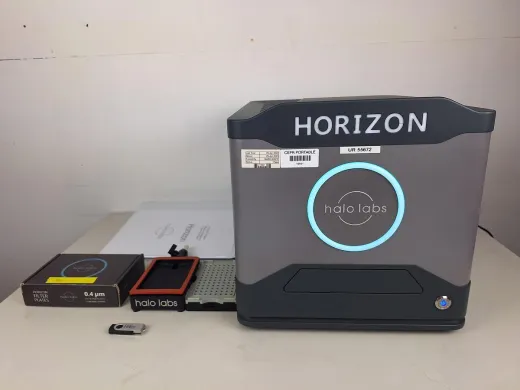
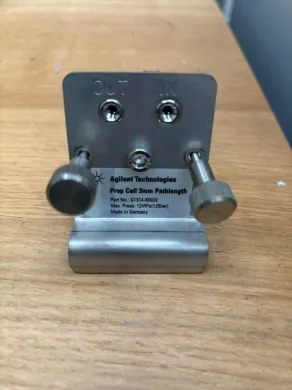
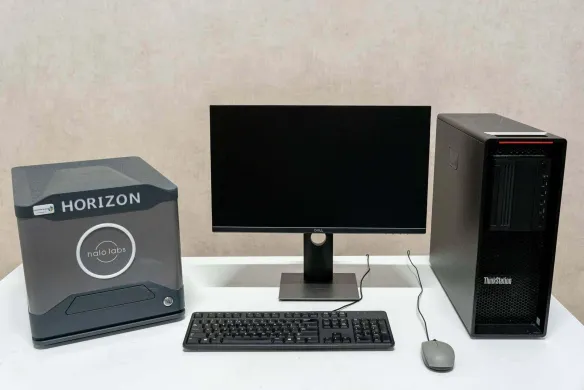
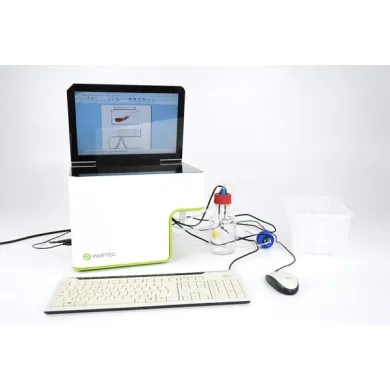


Not the exact instrument you need?
Tell our scientists what you are after. We track it down, including off-market supply.
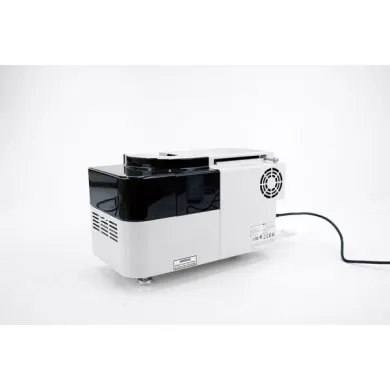
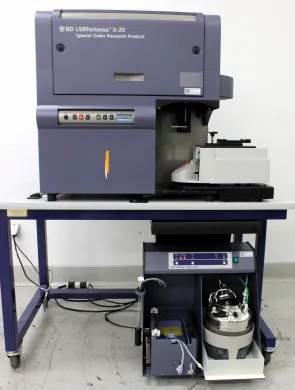
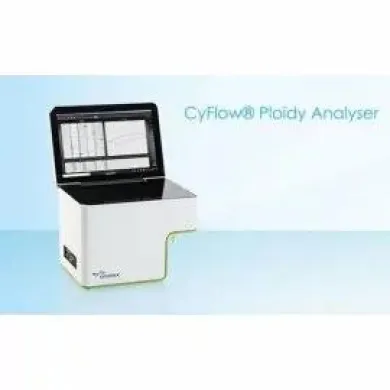
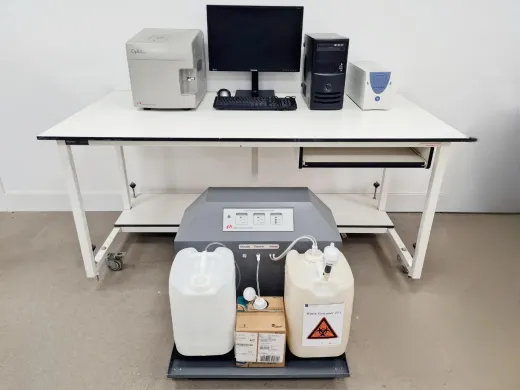
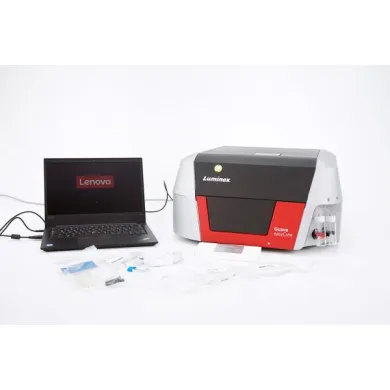
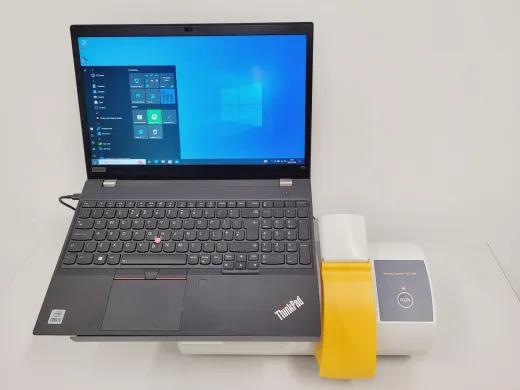
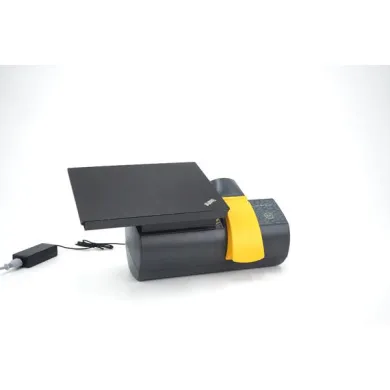
DakoCytomation CyAn ADP Flow Cytometer System
- Category
- Flow cytometers
- Brand
- Dako
- Suppliers
- 1 verified
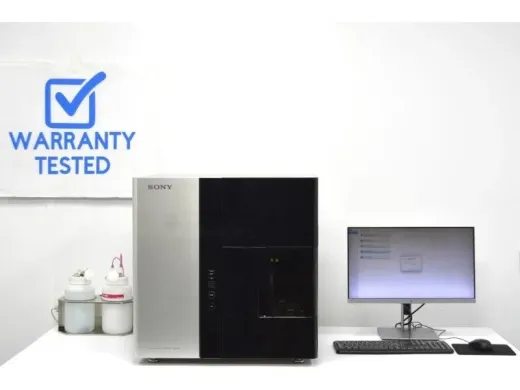
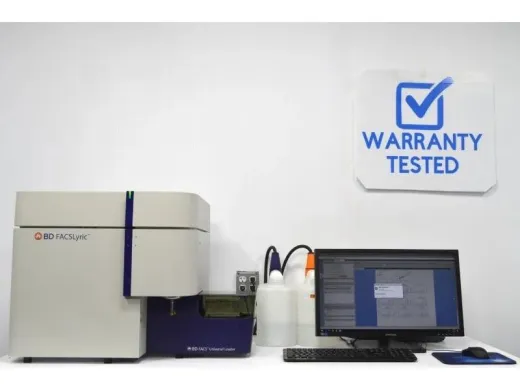
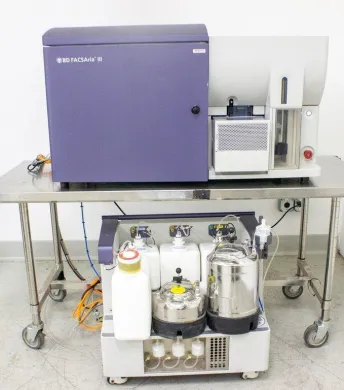
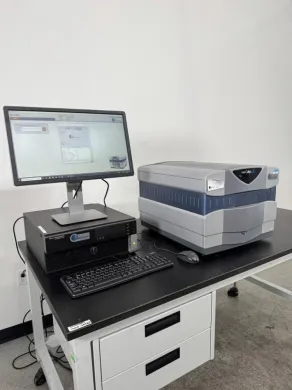
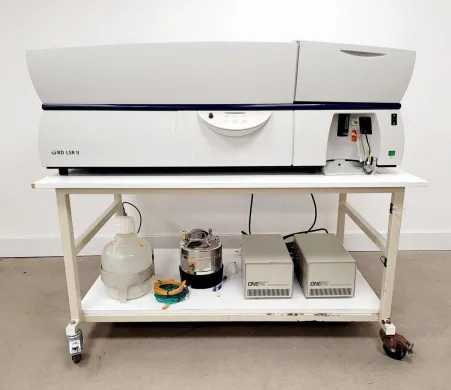
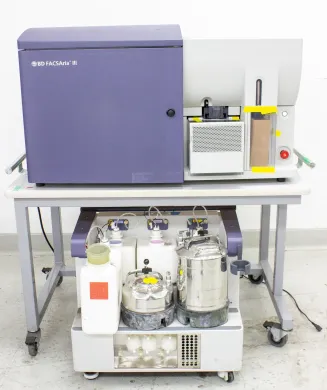
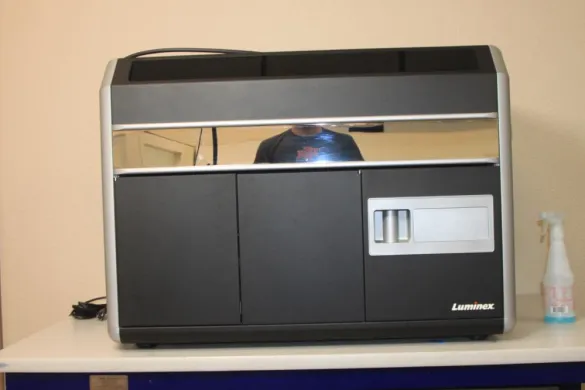
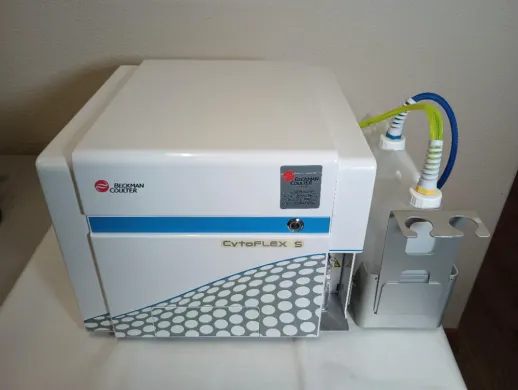
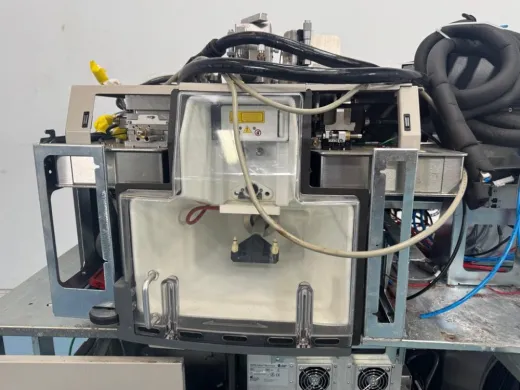
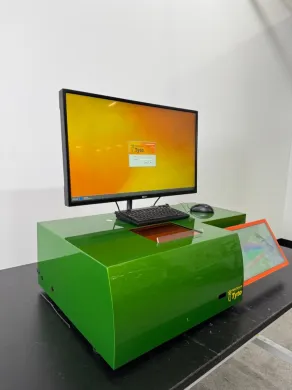
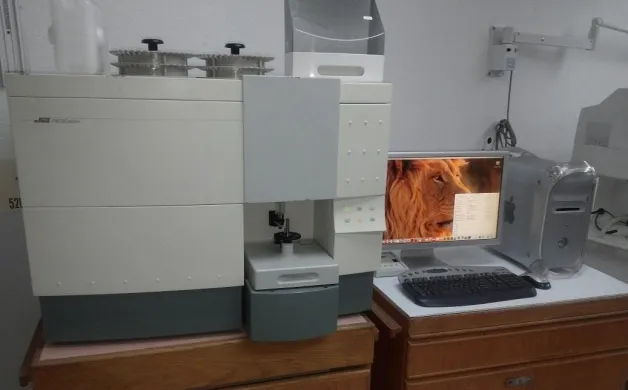
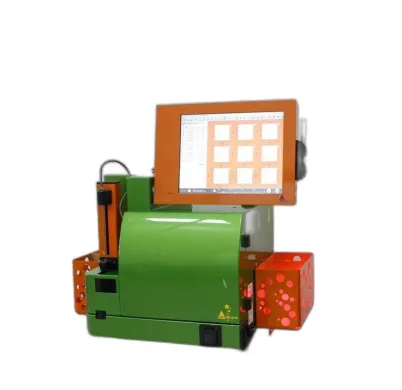
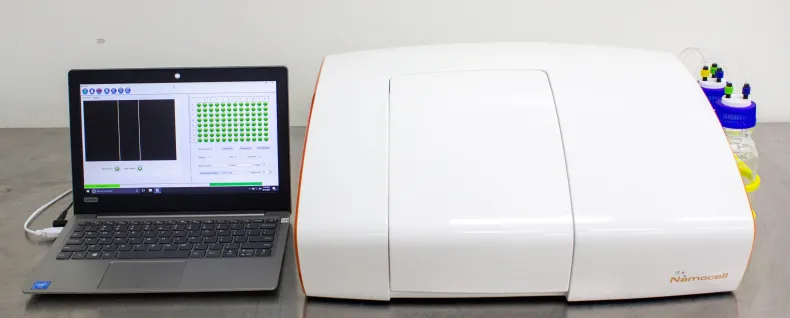
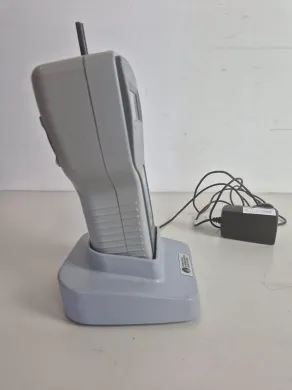
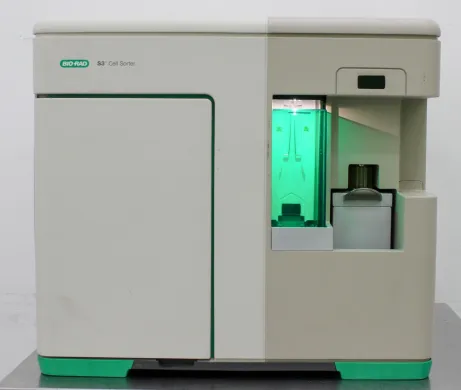
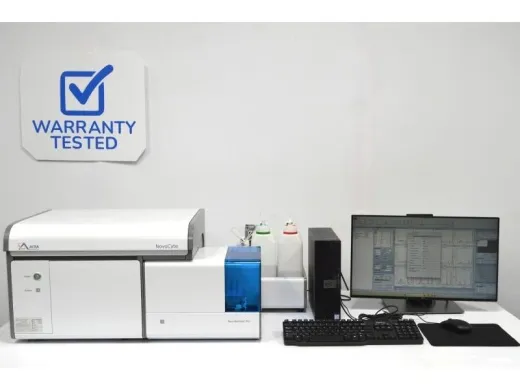
Not the exact instrument you need?
Tell our scientists what you are after. We track it down, including off-market supply.
Showing 1–40 of 354 listings
Show 40 more listingsBuying guide
What settles a flow cytometer purchase before anything else is the optical configuration, specifically how many lasers and detectors the instrument carries, because that number fixes how many markers can be read at once. A buyer running a four-colour immunophenotyping panel needs different hardware from one building a twenty-parameter panel for rare-event detection, and no amount of software compensates for a detector that is not there. Read the excitation wavelengths and the number of fluorescence channels first, then work outward to sample throughput, carryover between samples, and whether the plumbing handles the sample volumes a protocol actually uses.
Whether the instrument sorts or only analyses is the second question, and it changes the machine entirely. A cell analyser reads a population and discards it; a cell sorter physically diverts selected cells into tubes or plates for downstream culture, sequencing or protein purification. Sorters carry nozzles, deflection plates and far more fluidics to maintain, which is why they sit at the upper end of the price range and why their condition matters more. On a used sorter, verify the state of the fluidics and the optical alignment, ask for a recent performance report using calibration beads, and establish how many hours the lasers have run, since solid-state lasers degrade and replacements are a significant line item. Carryover testing and a stream-stability check tell a buyer more about a used cell sorting system than the datasheet ever will.
The price band on these systems is wide, and condition is the main thing moving a unit within it. Entry here is low enough that small consumables and parts sit near EUR 18, while a fully optioned multiparameter sorter reaches EUR 159.265. The average listing sits at EUR 24.474. What a flow cytometer costs on the secondary market tracks laser count, sorting capability and age more than brand, so a buyer with a fixed budget is usually choosing between an older high-specification analyser and a newer entry-level one. Used and refurbished units are listed for sale below the price of new, which is what makes a well-documented secondhand analyser the affordable route into high-parameter work. The brands that dominate the listings, led by BD and Beckman Coulter, are the ones most worth comparing on documented service history rather than on name.
Types of Flow cytometers
Which flow cytometer types are listed?
Among the listings that specify a type, the catalogue divides into analysers and sorters, with several form factors in between. A benchtop flow cytometer is the compact, fixed-optics workhorse of the clinical and research lab, sized to sit on a bench and run routine immunophenotyping, cell counting and viability assays. A cell analyzer reads a sample and reports its population profile without recovering the cells, which suits high-throughput screening where the readout is the endpoint. A cell sorter adds the hardware to physically isolate selected cells, feeding single-cell genomics, clonal expansion and cell culture downstream. Multiparameter flow cytometers carry the laser and detector count for deep panels, and a cell analysis system bundles the instrument with its acquisition and analysis software as one platform.
These types do the central measurement work of flow cytometry across cell biology, immunology and molecular diagnostics. A benchtop flow cytometer for immunophenotyping is a common clinical configuration, reading surface markers on blood and bone marrow samples. A cell sorter for single-cell genomics isolates defined populations ahead of sequencing, and a multiparameter flow cytometer for immunology research supports the high-colour panels used to map immune cell subsets. The technique is also used for apoptosis assays, cell cycle analysis and the quantification of fluorescent reporter proteins in synthetic biology and gene editing workflows. Across all of them the fluorescence channel count, not the chassis, determines what a given unit can actually resolve.
The brands behind the flow cytometer listings
The listings are led by BD, Beckman Coulter, BD Biosciences, Miltenyi Biotec, Invitrogen. For a buyer, that concentration matters in practical ways. Instruments from the dominant makers are the easiest to compare, because multiple units of the same model appear and their specifications line up directly. Parts and consumables for widely sold platforms are more readily available, and matching a used body to the sheath fluid, tubes and software it needs is simpler when the model is a common one. Less common makers can offer a capable instrument at a lower price, at the cost of harder comparison and thinner parts availability. Parts for any listed unit can be sourced via Questpair.
What a used flow cytometer costs here
Of the catalogue, 100 percent of the listings are used. Prices span from EUR 18 to EUR 159.265, with an average of EUR 24.474. That spread covers everything from individual tubes and replacement parts at the low end to fully configured multiparameter sorting systems at the top, which is why a single average tells a buyer less than the position of a specific model within the range. Used and refurbished analysers and sorters are listed below new pricing, and warranty on any given unit is arranged in consultation for that specific listing.
Frequently asked questions
What is a flow cytometer?
A flow cytometer is a laboratory instrument that suspends cells or particles in a fluid stream and passes them one at a time through a laser, measuring how each scatters light and emits fluorescence. It counts cells and quantifies their characteristics for counting, immunophenotyping and sorting workflows.
What does flow cytometer mean?
The name describes the method: cells flow in single file through a measurement point, and the cytometer reads each one as it passes. Flow cytometry is the technique, and the cytometer is the machine that performs it.
How do flow cytometers work?
Cells in a fluid stream pass one at a time through one or more laser beams. Detectors capture the scattered light, which reports cell size and internal complexity, and the fluorescence emitted by labelled markers, which reports which molecules each cell carries.
What types of flow cytometers are there?
The listings cover analysers that read and report on cells, cell sorters that physically divert selected cells into collection vessels, benchtop flow cytometers that compress the optics and fluidics into a small footprint, multiparameter instruments that carry more lasers and detectors, and cell analysis systems that bundle the instrument with software and sample handling.
What are flow cytometers used for?
They support immunophenotyping, cell counting, cell cycle analysis and apoptosis assays across immunology, oncology and cell culture characterisation. In diagnostics a benchtop analyzer reads clinical panels such as CD4 counts, while sorters isolate defined populations for single-cell genomics and rare-event work like minimal residual disease detection.
How do I choose a flow cytometer?
Decide first whether you only need to read cells or must also separate them, since a sorter is the more complex and costlier machine. Then match laser configuration and detector count to the number of fluorescent markers your panels require, and weigh footprint against parameter capacity if bench space is limited.
What is the difference between a refurbished and a used flow cytometer?
A used unit is sold in its current working condition, while a refurbished unit has been checked and brought back to a defined working state before listing. Both are listed below the price of new equipment, and the condition and any work done are described in the individual listing.
How much does a flow cytometer cost?
Across the catalogue, prices run from EUR 18 to EUR 159.265, with an average around EUR 24.474. That spread reflects everything from a single probe or filter to a fully configured multi-laser sorter.
Which brands make flow cytometers?
The listings here are led by BD, Beckman Coulter, BD Biosciences, Miltenyi Biotec and Invitrogen. These names appear across analysers, sorters and benchtop systems in the catalogue.
Can I get a warranty on a refurbished flow cytometer?
A warranty is often possible and is arranged in consultation for the specific listing. Terms vary by unit, so check the individual listing and confirm what applies before purchase.
Are parts available for these instruments?
Parts such as optical components, filters and consumables can be sourced via Questpair. Widely sold platforms tend to have a broader pool of circulating parts to draw from.
How long does a flow cytometer last?
Lifespan depends on usage intensity, the care given to the optics and fluidics, and how well lasers and detectors are maintained. A model with a long production run is easier to keep running because matching units and parts are easier to find.
New versus refurbished: which should I buy?
Used and refurbished units are listed at lower prices than new, which is the main practical difference in the catalogue. Where you have to weigh the two, review the condition described in the individual listing and the warranty arranged in consultation for that unit.
Where can I buy a flow cytometer?
Flow cytometers are listed on Questpair from 18 verified suppliers and distributors across 9 countries, totalling 736 listings. You can compare laser configuration and detector count across listings that share a platform.
What is the lead time and shipping on a flow cytometer?
Lead time and shipping depend on the individual supplier and the unit's location, which spans 9 countries. For a specific listing, contact Questpair and specialists respond within an hour.
How are flow cytometers calibrated and maintained?
Routine upkeep covers laser alignment, fluidics cleaning and calibration with reference beads so that scatter and fluorescence readings stay consistent. Questpair does not perform servicing, but calibration beads and replacement parts can be sourced through the catalogue.
Which flow cytometer types are listed most, and who reaches for which?
The field splits between instruments that read cells and instruments that sort them. Benchtop analysers suit labs running routine panels such as CD4 counts, multiparameter systems serve high-dimensional immunology and oncology work, and sorters feed single-cell genomics by isolating defined populations.
Which brands dominate this category, and what does that mean for a buyer?
BD, Beckman Coulter, BD Biosciences, Miltenyi Biotec and Invitrogen appear most often in the listings. A heavy presence of established makers means more units on the same platform to compare side by side, and consumables and optical parts that circulate more freely.
What separates the cheapest flow cytometer listings from the most expensive?
At the low end sit single components such as a probe, filter or accessory, plus used and refurbished analysers priced below new. At the high end are fully configured multi-laser sorters with the hardware to divert cells and the detector count to read many markers at once, which is why the band stretches from EUR 18 to EUR 159.265.