
Cell Biology
We personally find you the right new, used and refurbished cell biology instruments & equipment from verified suppliers.
Studying cells demands equipment that keeps them alive, counts them accurately and resolves structures at the micron scale, often across the same experiment. A single set of experiments on a cell line can move material between an incubator, a counter, a cytometer and a microscope, and each handoff puts its own constraint on what came before. Across this work Questpair lists 16376 items from 156 verified suppliers and distributors in 78 countries. The equipment ranges from benchtop counters to multi-laser analysers, and the choices at one stage limit the choices at the next. This page walks the stages and names what each one needs.
Updated:
Cell Biology product list


Not the exact instrument you need?
Tell our scientists what you are after. We track it down, including off-market supply.
Not the exact instrument you need?
Tell our scientists what you are after. We track it down, including off-market supply.
Showing 1–40 of 8,918 listings
Show 40 more listingsBuying guide
This set spans far more ground than any one category, so the price range is correspondingly wide. Across the work listings run from EUR 4 to EUR 400.457. The bottom end sits with consumables and the simplest counting and labelling items, the antibodies, the manual counters, the cells themselves. The top end belongs to the measurement stage: multi-laser cytometers and fully automated imaging platforms carry the heavy figures, because that is where the optics, detectors and automation concentrate. A buyer equipping the counting and preparation stages works in a very different band from one specifying the readout instruments.
Condition skews heavily toward pre-owned. 96 percent of the listings are used. Used and refurbished units are listed at lower prices than new, which is the practical reason the readout instruments remain reachable at this scale: a cytometer or imaging system at a fraction of its new price is what puts the expensive end of this work within a realistic budget. Where a buyer has to weigh new against used, the warranty question is handled per listing and arranged in consultation, so it is worth checking against the specific unit rather than assumed from condition alone.
The equipment comes from 156 verified suppliers and distributors across 78 countries, so the same instrument often appears at several price points. Parts can be sourced via Questpair, which matters most for the mechanical stages of the work, the handlers and the stages that take wear.
Types of Cell Biology
Cell biology is less a single workflow than a set of linked stages, and the equipment this work draws on reflects that: microscopes and imaging systems for looking, flow cytometers and cell counters for measuring, automated liquid handling for scale, and the cells and microorganisms themselves as the starting material. The categories below are the ones the catalogue actually carries for this work. The stages run roughly in order, from getting cells to a usable state through to reading out what they tell you, and these are them.
Which equipment prepares and measures the starting population?
Before anything is imaged or sorted, the population has to be quantified. A cell counter answers the first question of almost every protocol: how many, and how many of those are alive. The counters in the catalogue span manual hemocytometer-based reading through automated image analysis, and the automated units matter where throughput or consistency does, because an operator counting by eye introduces variance that propagates into every downstream number.
Primary and cultured cells are themselves listed here, alongside bacteria, bacteriophages and other microorganisms. This is the input to the rest of the work, and the condition it arrives in sets what the equipment after it has to cope with. A fragile primary line constrains how it can be centrifuged and handled; a robust bacterial culture tolerates far rougher treatment. Colloids and suspensions sit in this group too, where particle behaviour rather than viability is the measured property.
How does the work read out single cells?
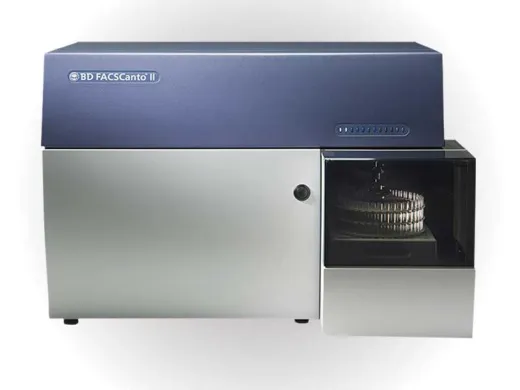
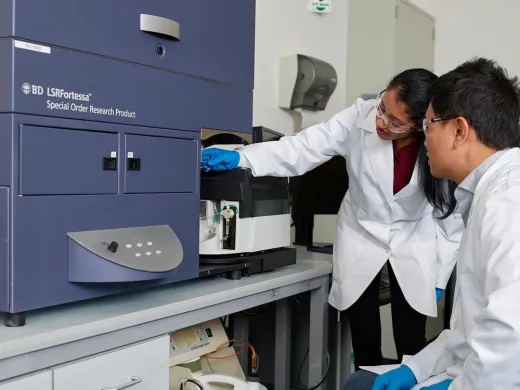
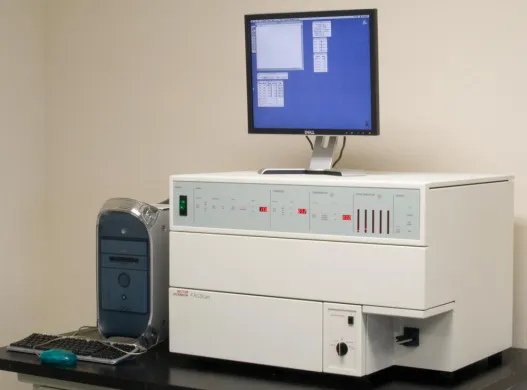
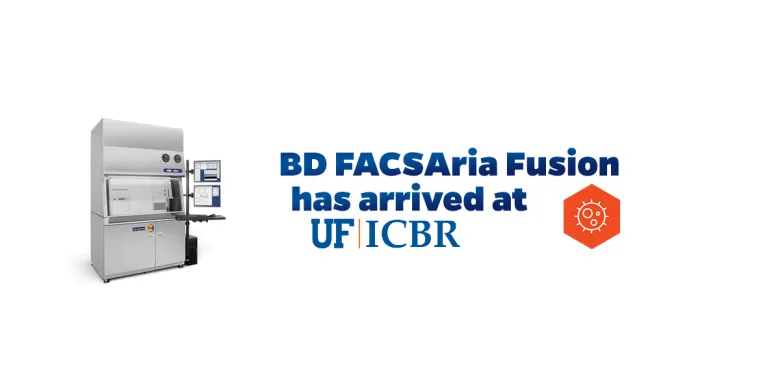
Two classes of equipment dominate the readout stage, and they answer different questions. Flow cytometry measures many cells one at a time as they pass a laser, returning population statistics on fluorescence and scatter, and it depends on flow cytometry antibodies to label the markers of interest. The analysers in the catalogue range from compact single-laser benchtop units to configurations with multiple lasers and detectors, and the choice turns on how many parameters a panel needs to measure at once.
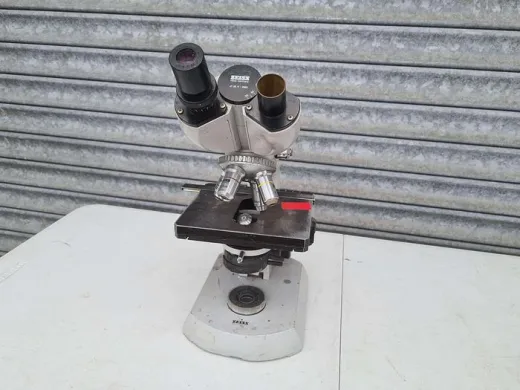
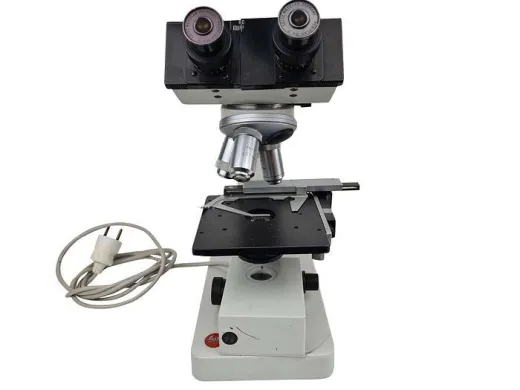
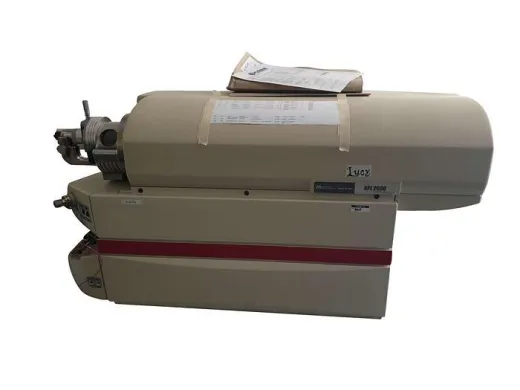
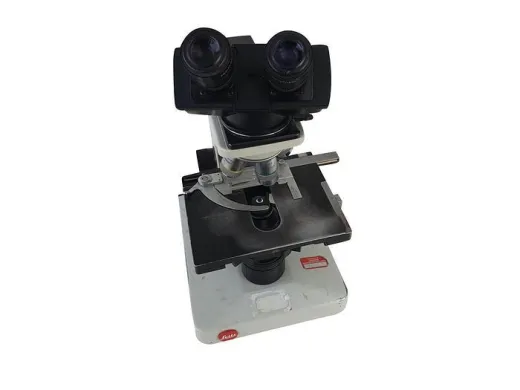
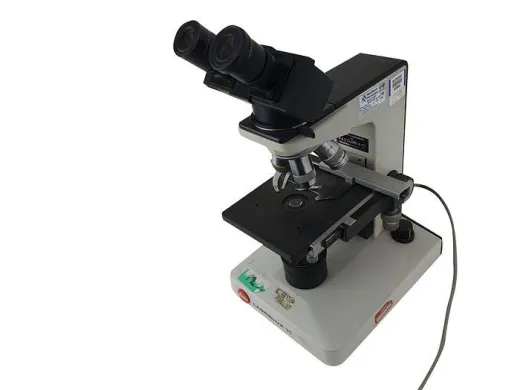
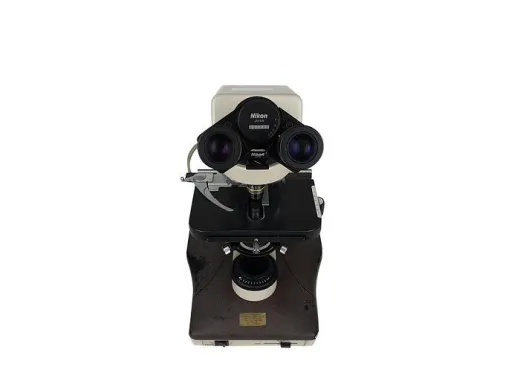
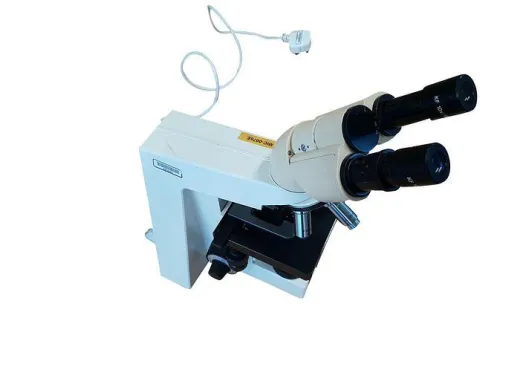
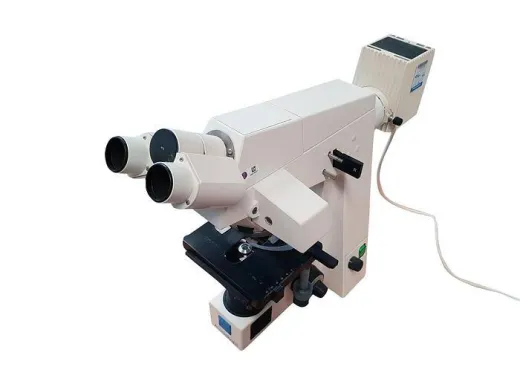
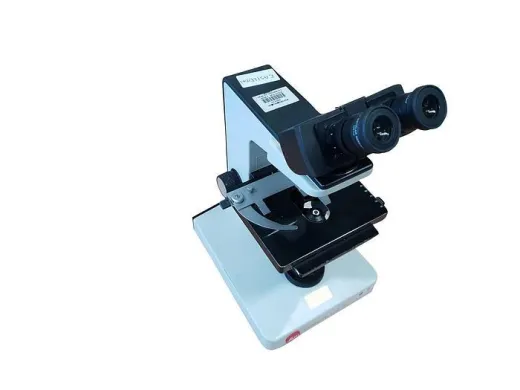
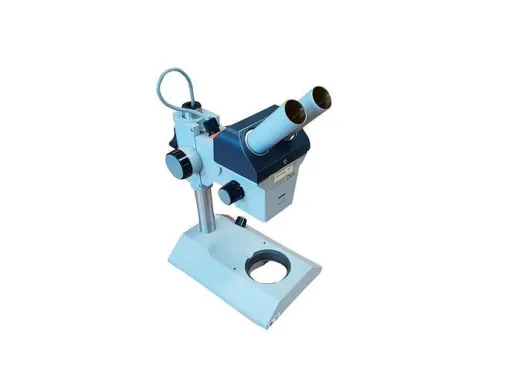
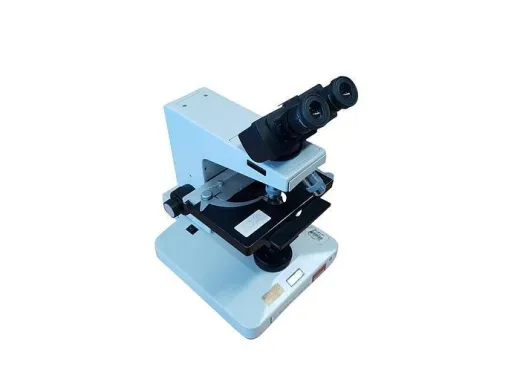
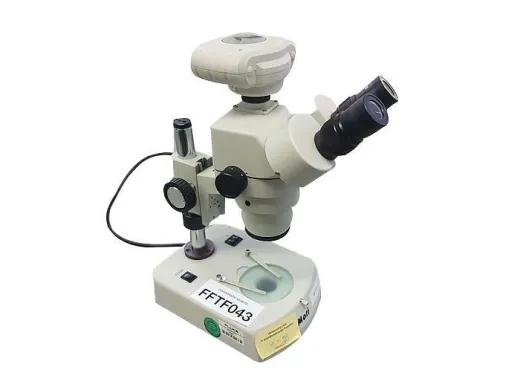
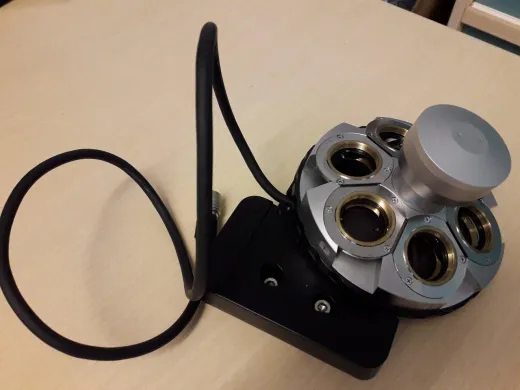
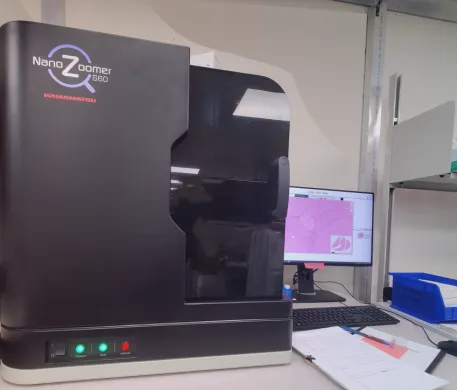
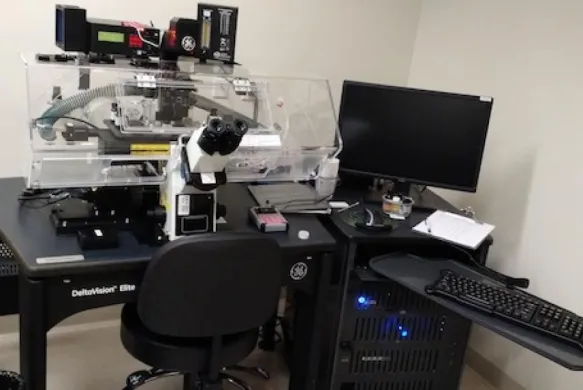
Microscopy answers the spatial question that cytometry cannot: where a signal sits inside a cell, and what the cell looks like. The microscopes and broader microscopy equipment here cover brightfield through fluorescence, and the imaging systems add automated acquisition and analysis on top. Where a protocol needs both counts and context, the two classes constrain each other: a sort on the cytometer defines what population the microscope then examines, and a fragile sorted fraction limits how it can be prepared for imaging.
Where does automation enter?
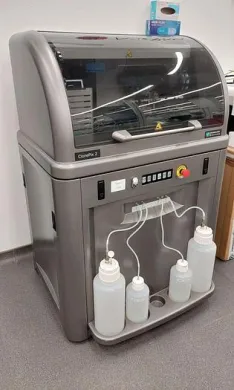
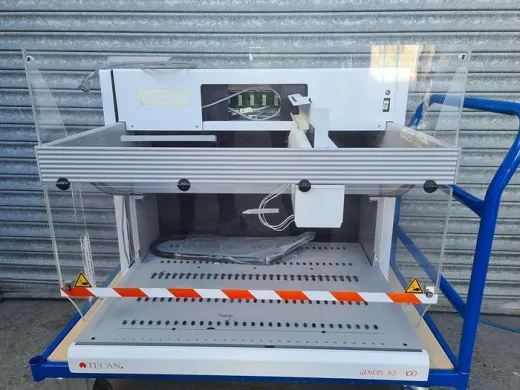
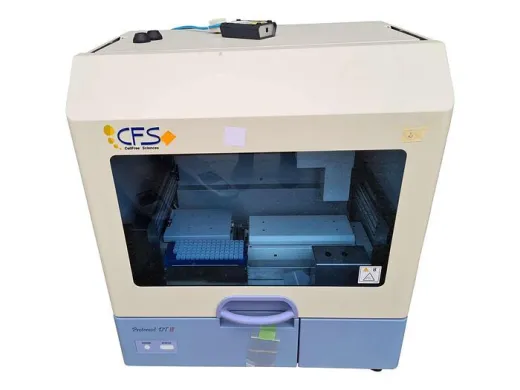
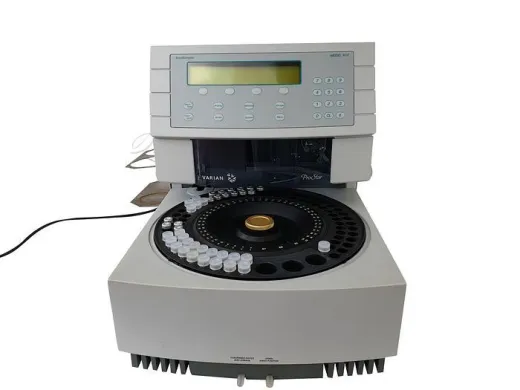
Automated liquid handling sits across the stages rather than at one of them. It replaces manual pipetting in plating, staining and serial dilution, and its value grows with plate count, because the variance an operator introduces over a long run is exactly what a handler removes. A lab running screens at scale leans on it heavily; a lab doing a handful of plates a week often does not need it. The constraint it imposes is upstream: a handler fixes the plate format and volume range the rest of the setup has to match, so it is a decision that shapes the counters, the cytometer plates and the imaging stage around it.
Frequently asked questions
What equipment do you need at minimum to start cell biology work?
At the base you need a way to count cells and a way to read them out. A cell counter, manual or automated, answers how many cells and how many are alive, and either a microscope or a flow cytometer gives you the actual measurement depending on whether you need spatial detail or population statistics. The cells or microorganisms themselves are the starting material, and both are listed in the catalogue alongside the instruments.
Which step is the most expensive to set up?
The readout stage carries the heaviest figures. Multi-laser flow cytometers and fully automated imaging platforms concentrate the optics, detectors and automation, so they sit at the top of the range, while counting and preparation items sit near the bottom. Across this work listings run from EUR 4 to EUR 400.457.
What can be bought used and what is better new?
The readout instruments are where used buying matters most, since a cytometer or imaging system at a lower price is what makes that stage reachable. 96 percent of the listings are used, and used and refurbished units are listed at lower prices than new. Warranty is arranged in consultation for the specific listing, so check that per unit rather than assuming it follows from condition.
What has to match between the steps?
Plate format and volume range are the main constraints that travel through the stages. An automated liquid handler fixes the format and volume the rest of the setup has to work with, so the counters, the cytometer plates and the imaging stage all have to accept it. A sort on the cytometer also defines which population the microscope then examines, and a fragile sorted fraction limits how it can be prepared for imaging.
Roughly what does a complete setup cost?
It depends heavily on which stages you equip, because a counting and preparation setup works in a very different band from a readout setup. Across this work listings run from EUR 4 to EUR 400.457, with consumables, manual counters and antibodies at the bottom and multi-laser cytometers and automated imaging platforms at the top. The same instrument often appears at several price points across 156 verified suppliers and distributors.
Where does cutting the budget cost you later?
Counting is the place where a cheap choice propagates. An operator counting by eye on a manual hemocytometer introduces variance that feeds into every downstream number, so an automated counter earns its cost where throughput or consistency matters. The same logic applies to liquid handling over long runs, where manual pipetting adds variance that a handler removes.
Which equipment is shared with other work?
Automated liquid handling sits across the stages rather than at one of them, replacing manual pipetting in plating, staining and serial dilution, so it serves any work built on plates. Microscopes and cell counters are also general-purpose and move between projects. Flow cytometers tend to be dedicated to the readout work that needs them.
What should I check on used equipment for cell biology?
On a cytometer, confirm the laser and detector configuration matches the number of parameters your panels need. On an imaging system or microscope, check the optics and the automated acquisition stage, and on a liquid handler check the mechanical parts that take wear. Warranty is arranged in consultation for the specific listing, and parts for the mechanical stages can be sourced via Questpair.
About Questpair
Questpair is the European marketplace for lab equipment, where AI-prepared cases and personal specialists guide every purchase. We work with 247 verified suppliers across 38 countries to find buyers the right new, used or refurbished instruments, with response within 1 hour and significant savings vs buying new.
Personal · Fast · Reliable · Affordable