
Metabolomics
We personally find you the right new, used and refurbished metabolomics instruments & equipment from verified suppliers.
Metabolomics measures the small molecules a cell or tissue produces, often hundreds at once and across a concentration range of several orders of magnitude, so the work leans harder on the analytical instrument than on any single preparation step. A run stands or falls on separation and detection: chromatography resolving the mixture, a mass spectrometer or NMR identifying what comes off it. Questpair lists 35446 items across the categories this work draws on, from 158 suppliers. Because the output is a comparison between samples rather than a single reading, reproducibility matters more here than peak performance, which shapes what a lab buys at every stage.
Updated:
Metabolomics product list


Not the exact instrument you need?
Tell our scientists what you are after. We track it down, including off-market supply.
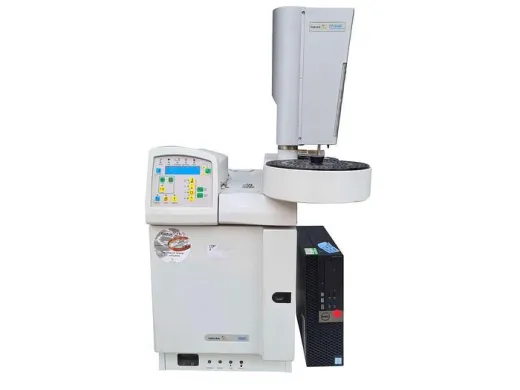
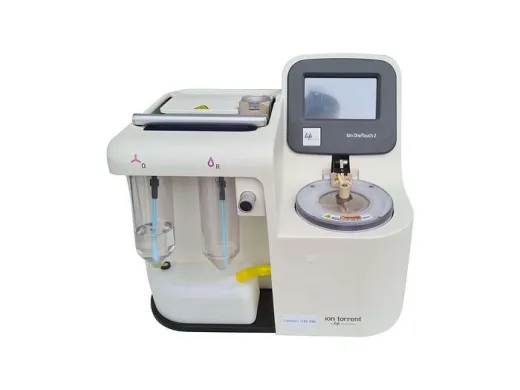
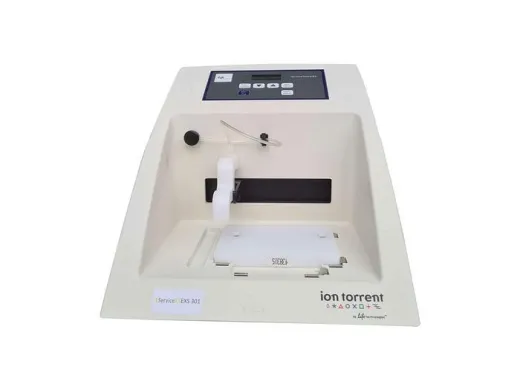
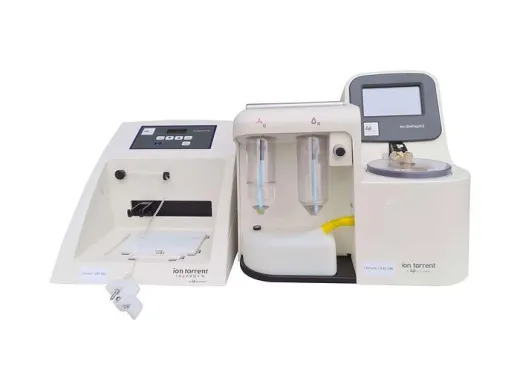
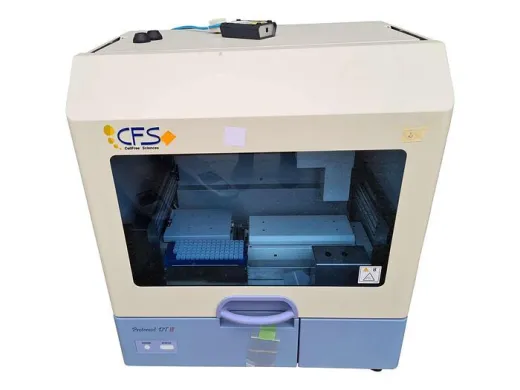
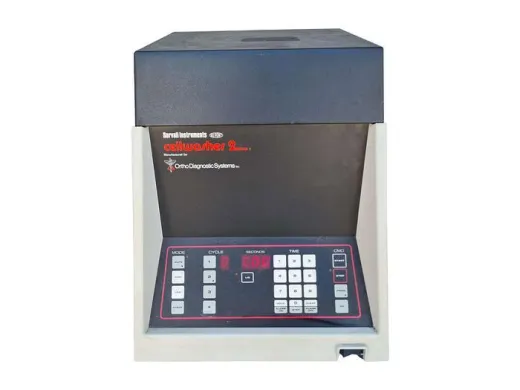
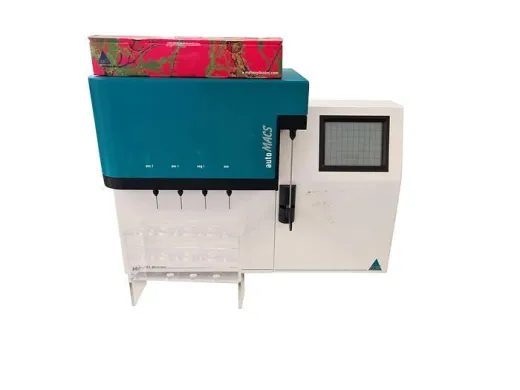
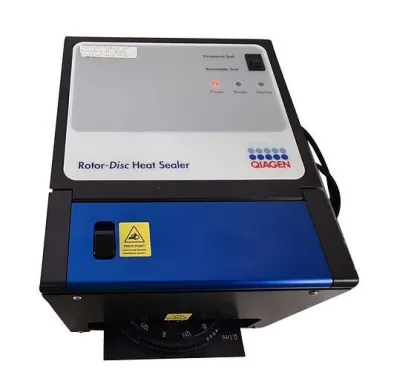
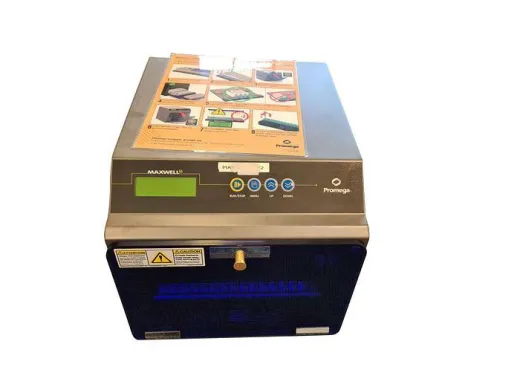
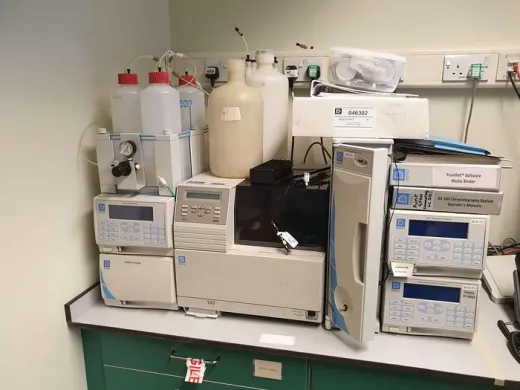
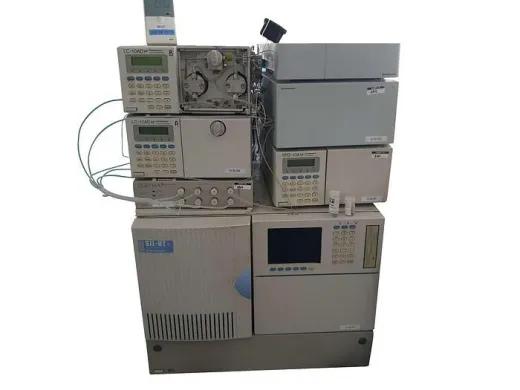
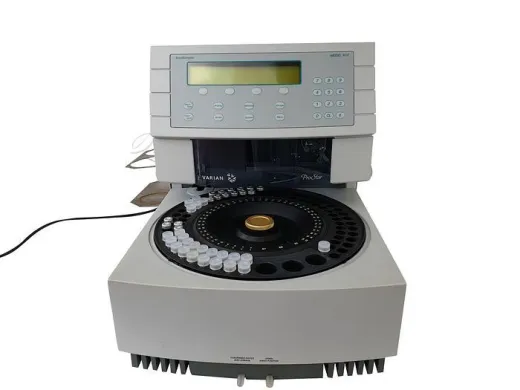
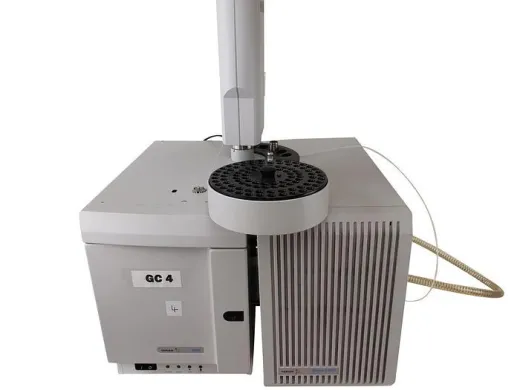
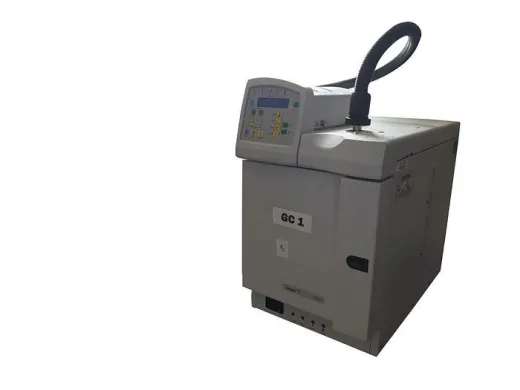
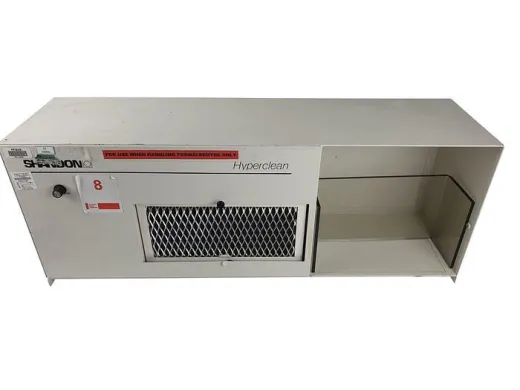
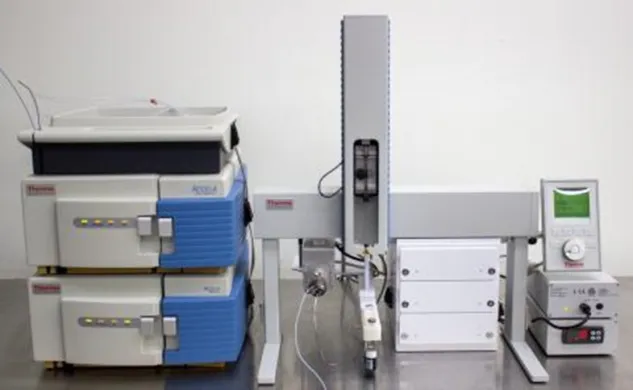
Shimadzu SIL-HT HPLC System with Accessories
- Category
- Hplc systems
- Brand
- Shimadzu
- Suppliers
- 1 verified
Not the exact instrument you need?
Tell our scientists what you are after. We track it down, including off-market supply.
Showing 1–40 of 16,540 listings
Show 40 more listingsBuying guide
Because this setup spans sample prep through to detection, the price range on the marketplace is wider than on any single category. Listings run from EUR 1 to EUR 400.457. The low end is consumables, pipette hardware and older liquid-handling units; the high end is the detection platforms, where a high-resolution mass spectrometer or a high-field NMR accounts for most of a lab's spend. The separation hardware sits in between, and the data-processing software rarely dominates the hardware cost but often determines whether the hardware pays off.
Condition follows the same logic. 86 percent of the listings are used. On the front-end hardware that matters little, since a liquid handler is mechanical and a serviced unit performs as new. On the detection side it matters more, because a mass spectrometer's sensitivity and an NMR's field homogeneity are what the work depends on, and those are the specifications to confirm against the individual listing. Used and refurbished units are priced below new, which is the one difference the catalogue supports; where a buyer has to weigh new against used, warranty is arranged in consultation for the specific listing rather than set centrally.
A practical rule for building a setup from parts: match the detector to the question first, then work backwards to the separation that feeds it and the preparation that feeds that. Buying a platform the samples cannot keep up with, or a liquid handler for a throughput that does not exist, is the common way money goes to the wrong stage.
Types of Metabolomics
Metabolomics equipment spans two families that rarely share a bench: the separation and detection platforms (mass spectrometers, NMR spectrometers, chromatography systems with their data processing software) and the front-end hardware that feeds them (sample preparation and automated liquid handling). The work runs as a sequence, from raw sample to annotated feature table, and each stage constrains the one after it. These are the stages, in the order a lab actually performs them.
Preparing the sample
Everything downstream inherits the quality of this step. Metabolites degrade fast, so extraction has to quench enzyme activity quickly and pull the target classes into solvent without biasing toward the easy ones. Polar and non-polar compounds partition differently, which is why many protocols split a single sample into two extracts and analyse each separately. This is where sample preparation and automated liquid handling earn their place: a study comparing fifty samples cannot tolerate hand-pipetting variance between them, because that variance shows up later as a difference the biology did not cause. Liquid handlers standardise volumes, dilutions and plate layouts across the batch, and they let a lab process overnight what a technician could not finish in a day.
How much of this to automate depends on throughput. A handful of samples a week does not justify a liquid handler; a clinical cohort of several hundred does, and at that scale manual preparation is the limiting error source.
Which platform resolves the mixture?
A crude extract holds too many compounds to detect at once, so it is separated before it reaches the detector. Chromatography does this, and the choice of mode follows the chemistry: reversed-phase liquid chromatography for lipids and non-polar metabolites, hydrophilic interaction for the polar fraction, gas chromatography for volatile and derivatised species. The separation feeds directly into detection, and the two have to be matched, because a column that co-elutes two isomers hands the detector a problem it cannot always solve.
Mass spectrometry or NMR?
Detection splits into two approaches, and they answer different questions. Mass spectrometers measure mass-to-charge with high sensitivity, reaching compounds present at trace levels, and they pair naturally with the upstream separation. This is the larger platform on the marketplace and the one most untargeted studies start from. NMR spectrometers detect far fewer compounds per run and need more material, but they measure without destroying the sample and quantify without a reference standard for every analyte, which makes them the choice where reproducibility over years matters more than depth of coverage. Many labs run both, using NMR for the robust quantitative backbone and the mass spectrometer to reach what NMR cannot see.
Turning spectra into data
A single run produces thousands of features, none of them useful until peaks are picked, aligned across samples, and matched against a library. Chromatography data processing systems and spectral software do this, and the bottleneck in a large study is as often here as at the instrument. The processing step constrains the whole design: a lab that cannot align its runs cannot compare its samples, which is the entire point of the exercise.
Frequently asked questions
What equipment do I need at minimum to start metabolomics?
At minimum you need a separation platform, usually a chromatography system, coupled to a detector that is either a mass spectrometer or an NMR spectrometer, plus the software to pick and align peaks. Sample preparation hardware is required too, though at low throughput that can be manual pipetting rather than an automated liquid handler.
Which step is the most expensive to set up?
Detection is where most of the spend goes: a high-resolution mass spectrometer or a high-field NMR accounts for the largest share of a setup. Separation hardware sits in the middle, and sample prep with liquid handling is the lower end, which is why the catalogue price range runs from EUR 1 to EUR 400.457.
What can I buy used and what is better new?
Front-end hardware such as liquid handlers is mechanical, so a serviced used unit performs as a new one and is a reasonable saving. On the detection side the specifications that the work depends on, a mass spectrometer's sensitivity or an NMR's field homogeneity, are what you confirm against the individual listing before deciding between used and new. Used and refurbished units are listed at lower prices than new.
What has to match between the steps?
The separation mode has to match the detector and the chemistry of your target compounds: reversed-phase for lipids, hydrophilic interaction for polar fractions, gas chromatography for volatile species. A column that co-elutes two isomers hands the detector a problem it cannot solve, so match the detector to the question first, then the separation that feeds it, then the preparation.
Roughly what does a complete metabolomics setup cost?
Listings across the categories this work draws on span from EUR 1 to EUR 400.457, with the detector driving the total. A complete setup combines prep hardware, a chromatography system, a mass spectrometer or NMR, and processing software, so the figure depends mostly on which detection platform you choose.
Where does cutting the budget cost you later?
Underspending on sample preparation at high throughput shows up later as variance the biology did not cause, because hand-pipetting differences across a large cohort become false differences between samples. Skimping on data-processing capability also bites late: a lab that cannot align its runs cannot compare its samples, which is the whole point of the exercise.
Which equipment is shared with other work?
Chromatography systems, mass spectrometers and automated liquid handlers are not specific to metabolomics and are used across analytical and preparative work in many labs. NMR spectrometers and general sample preparation hardware likewise serve structural and quantitative work beyond this application.
What should I check on used equipment for metabolomics?
On a used mass spectrometer, confirm the sensitivity specification against the listing; on a used NMR, confirm field homogeneity, since both are what the work relies on. For liquid handlers and other front-end hardware, confirm it has been serviced. Parts can be sourced through Questpair and warranty is arranged in consultation for the specific listing.
About Questpair
Questpair is the European marketplace for lab equipment, where AI-prepared cases and personal specialists guide every purchase. We work with 247 verified suppliers across 38 countries to find buyers the right new, used or refurbished instruments, with response within 1 hour and significant savings vs buying new.
Personal · Fast · Reliable · Affordable