
Gene Editing (CRISPR)
We personally find you the right new, used and refurbished gene editing (crispr) instruments & equipment from verified suppliers.
Editing a genome rests on getting a nuclease and its guide into a living cell, confirming the cut landed where it should, and recovering the cells that carry the change. Each of those demands a different instrument, and the constraint is the cell line: a construct that electroporates cleanly into one line kills another. The Questpair catalogue holds 5207 listings across the categories this work draws on, from 109 verified suppliers and distributors. Delivery is the first choke point and sequencing is the second, so a bench assembled for one organism rarely transfers whole to the next. The equipment below follows that sequence, delivery through readout, and where two steps pull against each other it is called out.
Updated:
Gene Editing (CRISPR) product list


Not the exact instrument you need?
Tell our scientists what you are after. We track it down, including off-market supply.
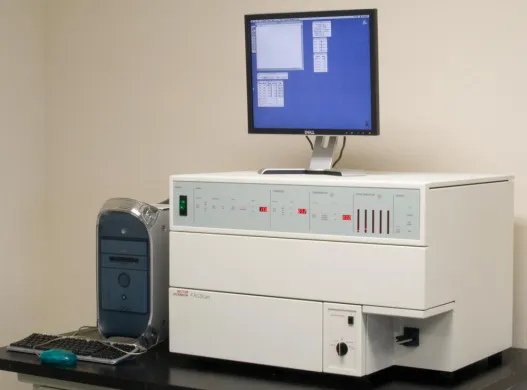

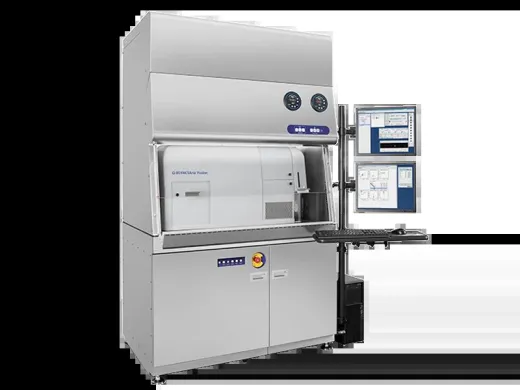
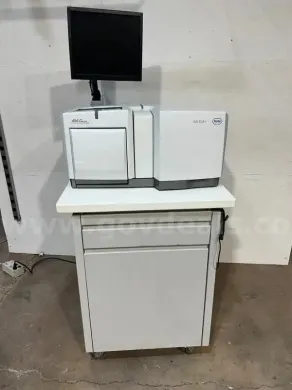
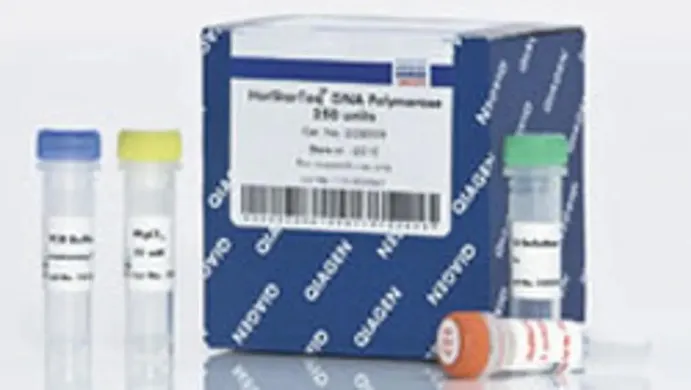
Not the exact instrument you need?
Tell our scientists what you are after. We track it down, including off-market supply.
Showing 1–40 of 2,538 listings
Show 40 more listingsBuying guide
This set spans the full width of the catalogue, so the price range is wider than any single category shows. Listings run from EUR 1 to EUR 400.457. The low end is reagents and the molecular tools that carry a construct, along with the cuvettes and small consumables that the delivery step gets through quickly. The high end belongs to the readout: a DNA sequencer or a sorting flow cytometer is where the capital sits, and an automated liquid handling deck configured for an arrayed screen lands in the same bracket. An electroporator falls between the two, nearer the lower end as a bench instrument than as a high-throughput system.
Condition tilts heavily toward used: 98 percent of the listings are used. For the readout instruments that matters most, since a sequencer or a cytometer bought at the used price is where the saving against new is largest. The catalogue distinguishes new and used only, so condition beyond that is a question for the individual listing.
Because this work buys across categories rather than within one, the first decision is which stage to equip first. A lab already able to deliver and confirm gains more from a sorter than from a second electroporator, and the reverse holds for one that can read but not yet reach its cells. Where warranty matters on a given instrument, it is arranged in consultation for that specific listing.
Types of Gene Editing (CRISPR)
This work pulls on several classes of instrument at once: electroporators and the genome editing and molecular tools that carry the construct, imaging systems and flow cytometers for sorting, DNA sequencers and PCR equipment for confirmation, and automated liquid handling where the screen runs at scale. Gene editing, or CRISPR, is not one procedure but a chain of them, and the stages below run roughly in the order a protocol follows them. Each stage names the equipment it leans on and where it binds the stage after it.
How does the construct get into the cell?
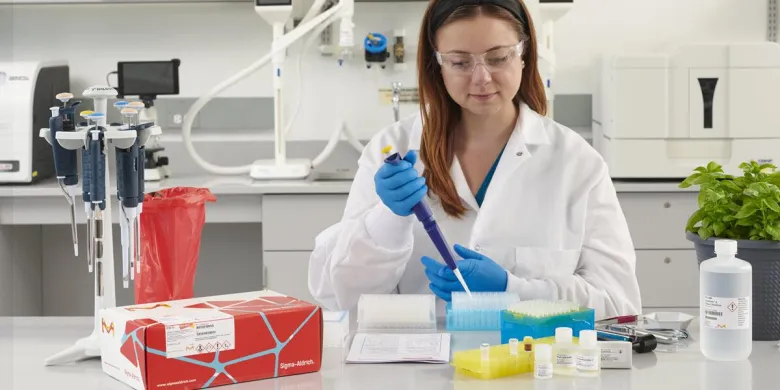
Delivery is where the method stands or falls, and it is the step most sensitive to the cell type. Electroporation is the common route for lines that resist chemical transfection: a field pulse opens the membrane long enough for the ribonucleoprotein or plasmid to enter. The pulse that works for a hardy immortalised line will lyse a primary T cell, so the equipment here is judged on how finely the waveform can be set rather than on throughput alone. The genome editing and molecular tools category covers the reagents and the delivery hardware that pair with this step.
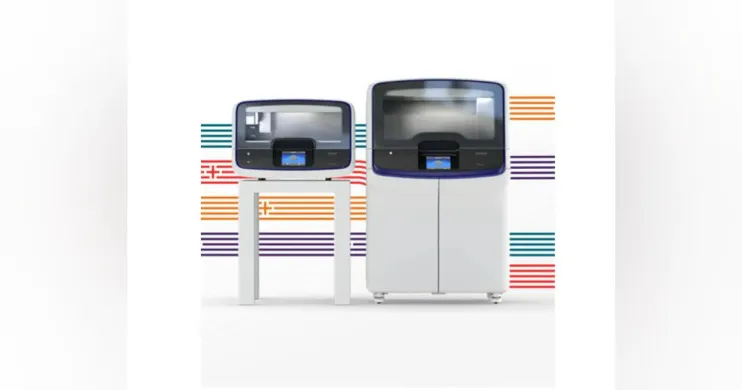
Where the target is many lines at once, as in an arrayed screen, delivery moves onto automated liquid handling. That shifts the bottleneck: a deck that dispenses into hundreds of wells still needs each well electroporated, so the two have to be matched in format or the gain is lost at the transfer.
Confirming the edit landed
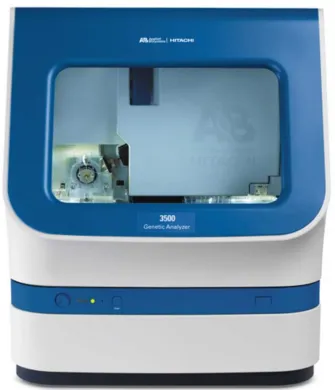
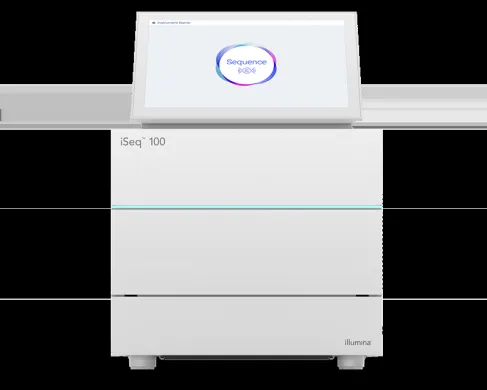
A cut is invisible until it is read, and two instruments do the reading at different depths. PCR equipment amplifies the edited locus for a first pass, enough to tell whether cutting occurred at all. DNA sequencers then resolve what the repair machinery actually did, the indels, the knock-in, the off-target events that a gel cannot show. The order matters: amplifying the wrong region wastes a sequencing run, so primer design on the PCR side constrains what the sequencer can confirm.
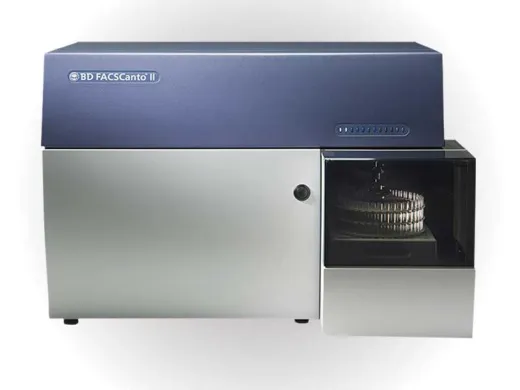
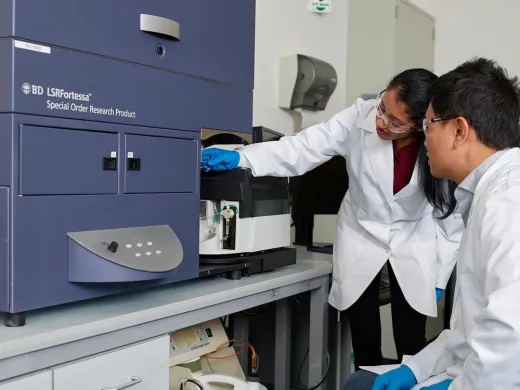
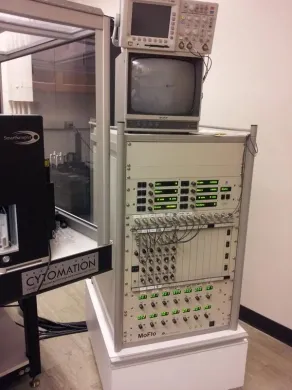
For edits that change a surface marker or a reporter, flow cytometers read the population directly and quantify what fraction carries the change. This is faster than sequencing and answers a different question, how many cells rather than exactly what, so the two readouts sit side by side rather than one replacing the other.
Which cells made it through, and are they alive?
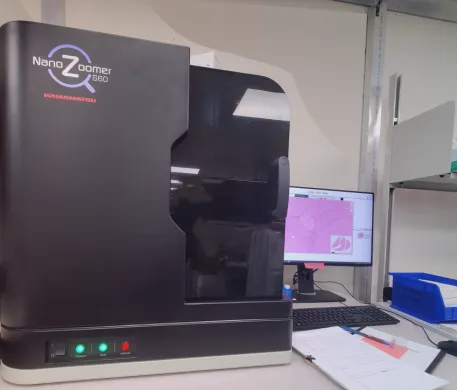
An edit is only useful in cells that survive it, and recovery is its own stage. Imaging systems track the culture after delivery, reading viability and expression over time rather than at a single endpoint. Where the edited cells have to be separated from the rest, flow cytometers sort on the reporter and pull out the fraction that took the change, which is also how a clonal line begins.
This is the step that loops back to the first. A delivery setting gentle enough to preserve viability may lower the editing rate, and an aggressive one raises the rate while thinning the survivors. The imaging and sorting instruments are what make that trade visible, so the readout at the end informs how the delivery at the start is set the next time round.
Frequently asked questions
What's the minimum equipment I need to start gene editing?
At the base you need a way to get the construct into your cells and a way to confirm the cut landed, which means an electroporator with the genome editing and molecular tools reagents on the delivery side, and PCR equipment to amplify the edited locus on the readout side. A DNA sequencer resolves exactly what changed, but a lab can begin without sorting or imaging and add those as the work scales.
Which step costs the most to set up?
The readout carries the capital. A DNA sequencer or a sorting flow cytometer sits at the top of the range, and an automated liquid handling deck configured for an arrayed screen lands in the same bracket. An electroporator is a bench instrument nearer the lower end, so delivery is cheaper to equip than confirmation.
What can I buy used and what is worth buying new?
Used and refurbished units are listed below new prices, and the saving is largest on the readout instruments, a sequencer or a cytometer, where the capital is highest. Reagents and consumables such as cuvettes are bought fresh because the delivery step gets through them quickly. Whether to go used or new on a given instrument comes down to the individual listing, where warranty is arranged in consultation.
What has to match between the steps?
Two bindings run through this chain: the electroporation waveform has to suit the cell line, since a pulse that works for a hardy immortalised line will lyse a primary T cell, and the PCR primer design has to target the region the sequencer will read, or the run is wasted. Where delivery scales onto automated liquid handling, the dispensing deck and the electroporation format have to match or the gain is lost at the transfer.
Roughly what does a complete setup cost?
Across the categories this work draws on, listings range from EUR 1 to EUR 400.457. The low end is reagents, molecular tools and consumables, the high end is the sequencer, the sorting cytometer or an arrayed-screen liquid handler, and an electroporator falls between the two. A full bench spans that whole range rather than any single figure, so the total depends on which stages you equip.
Where does cutting the budget cost me later?
Skimping on the electroporator costs you the fine waveform control that lets a gentle pulse preserve viability while still editing, and on sensitive cell lines that trade is where the method stands or falls. A weak readout costs you later too: PCR tells you a cut occurred, but without a sequencer you cannot see the indels, the knock-in or the off-target events, so you edit blind.
Which of these instruments get used for other work?
Most of this bench is not single-purpose. PCR equipment, DNA sequencers and flow cytometers serve any molecular or cell-analysis workflow, imaging systems read any culture over time, and automated liquid handling runs any arrayed assay. The electroporator and the CRISPR-specific reagents are the parts most tied to editing itself.
What should I check on used equipment before buying for this work?
On an electroporator, check how finely the waveform can be set, since that control is what adapts it to a new cell line. On a sequencer or a cytometer, the condition beyond new or used is a question for the individual listing, and specialists respond within an hour if you contact Questpair about documentation. Parts can be sourced via Questpair, and warranty on a given unit is arranged in consultation.
About Questpair
Questpair is the European marketplace for lab equipment, where AI-prepared cases and personal specialists guide every purchase. We work with 247 verified suppliers across 38 countries to find buyers the right new, used or refurbished instruments, with response within 1 hour and significant savings vs buying new.
Personal · Fast · Reliable · Affordable