
Proteomics
We personally find you the right new, used and refurbished proteomics instruments & equipment from verified suppliers.
Proteomics work turns a biological sample into a readable set of proteins, and the equipment choice binds at every handoff: a peptide mixture that was separated cleanly still fails if the detector cannot resolve what arrives. The analysis demands instruments that stay in step with each other, from the separation column to the mass analyser, because a weak link anywhere caps the whole run. Questpair carries 48434 listings against this work from 186 verified suppliers and distributors. The spread runs from single reagents to complete analytical platforms, so a lab building a pipeline is sourcing across categories at once, not filling one bench.
Updated:
Proteomics product list


Not the exact instrument you need?
Tell our scientists what you are after. We track it down, including off-market supply.
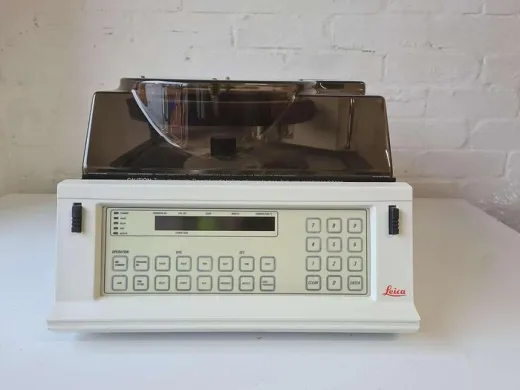
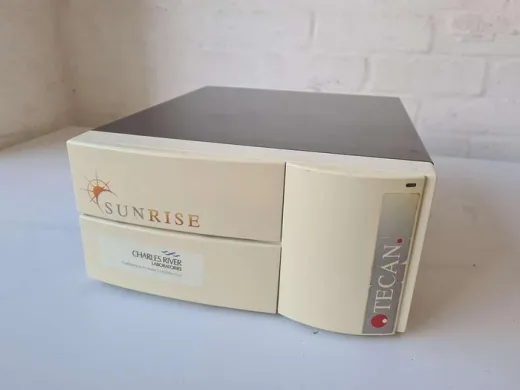
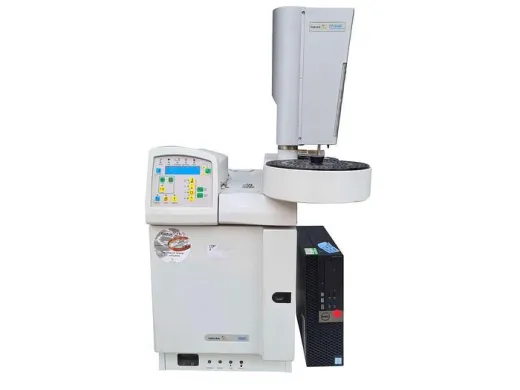
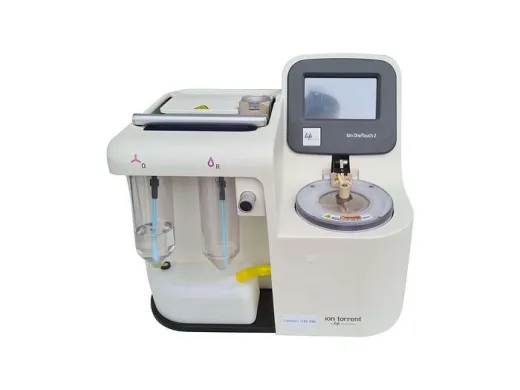
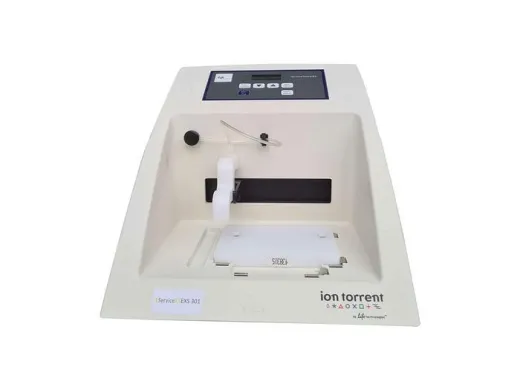
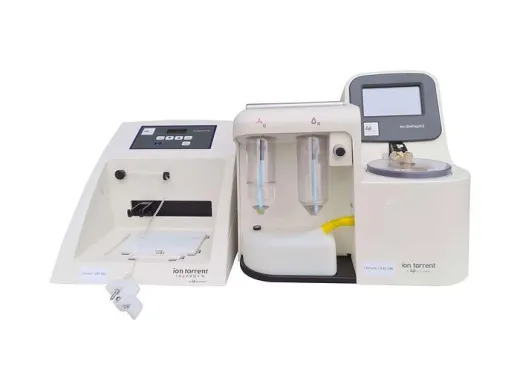
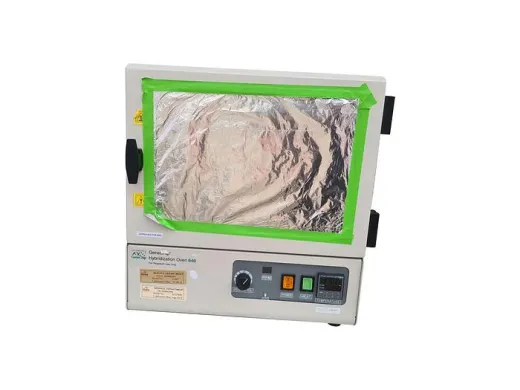
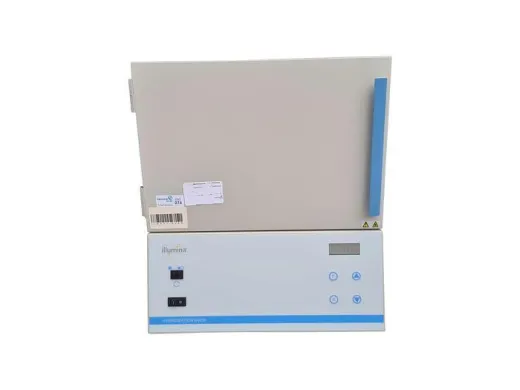
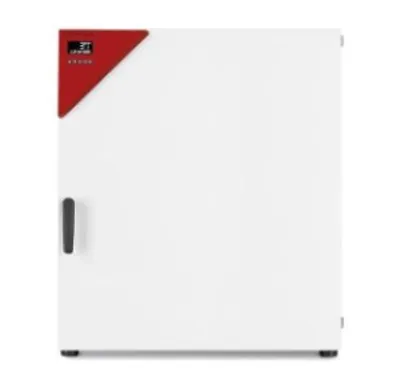
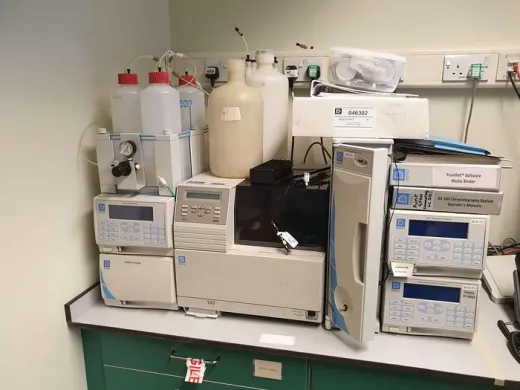
Illumina Boekel 230401 - 21LL Hybridization Oven
- Category
- Furnaces
- Brand
- Illumina
- Suppliers
- 1 verified
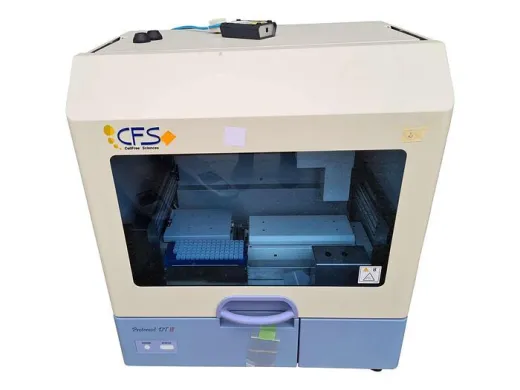
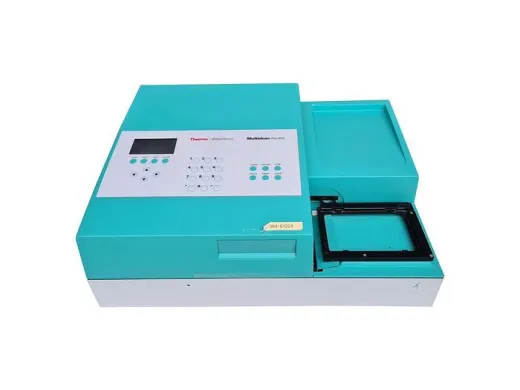
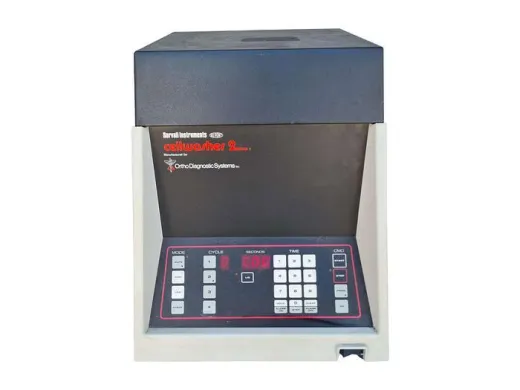
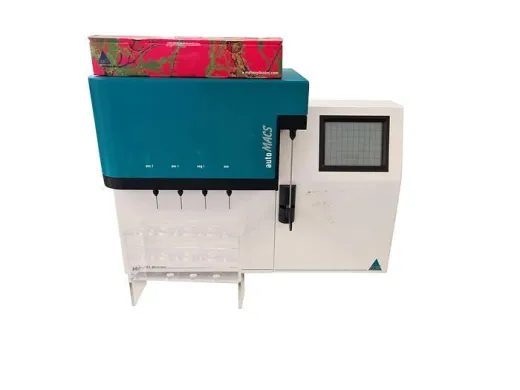
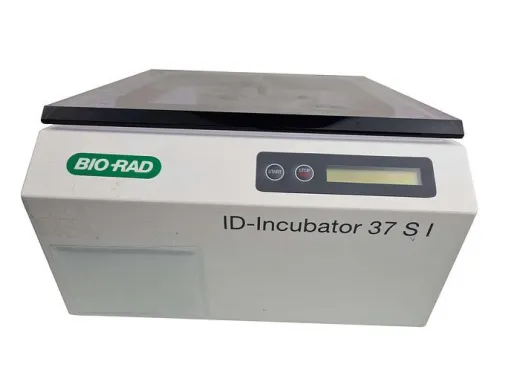
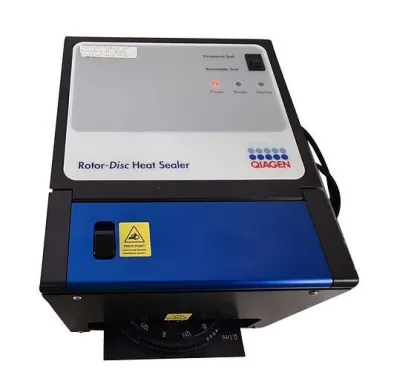
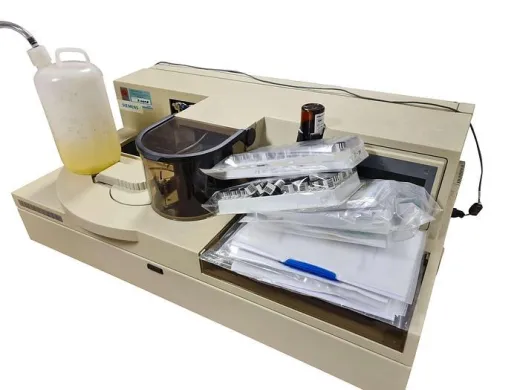
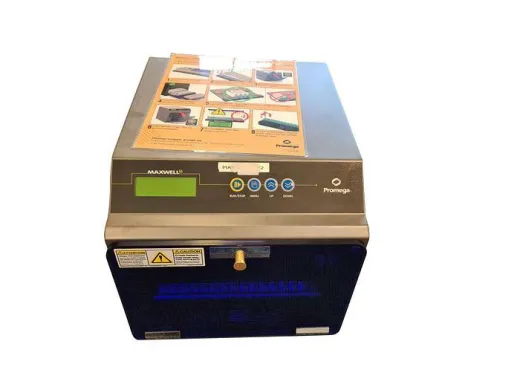
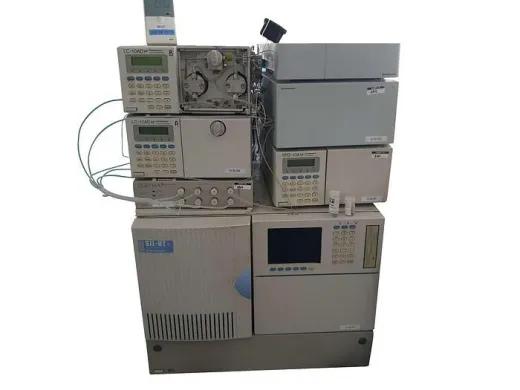
Shimadzu SIL-HT HPLC System with Accessories
- Category
- Hplc systems
- Brand
- Shimadzu
- Suppliers
- 1 verified
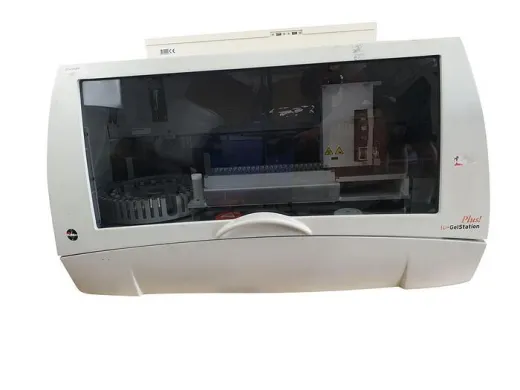
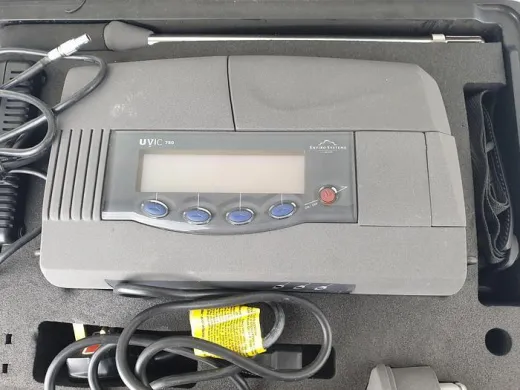
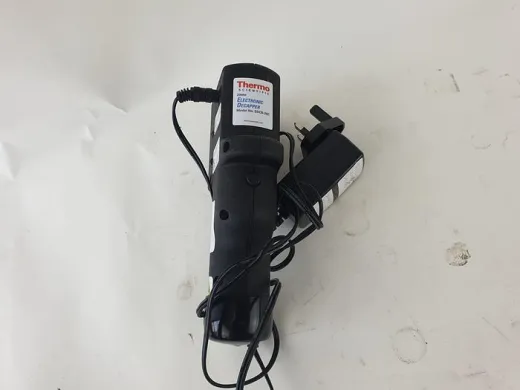
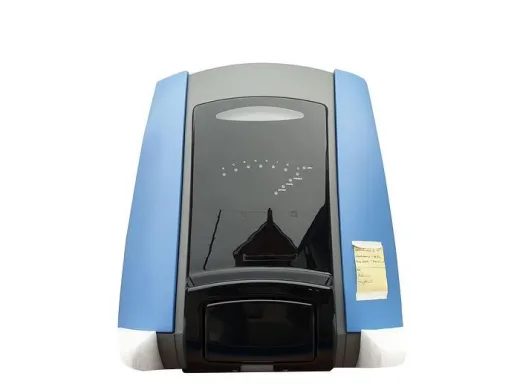
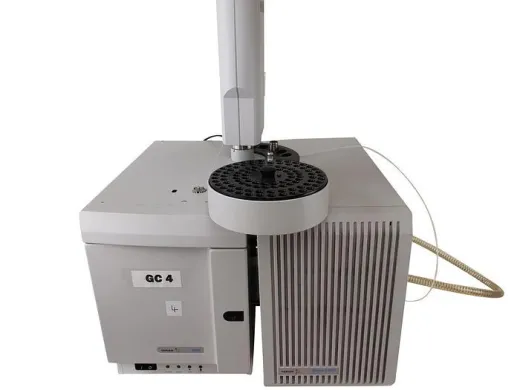
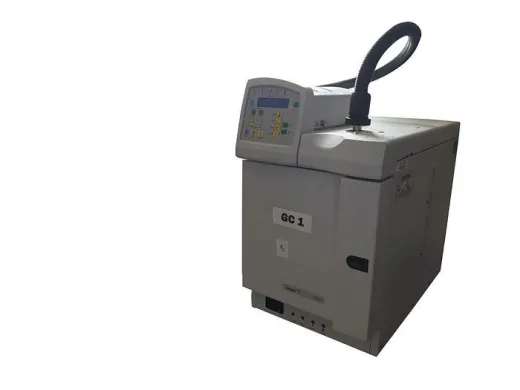
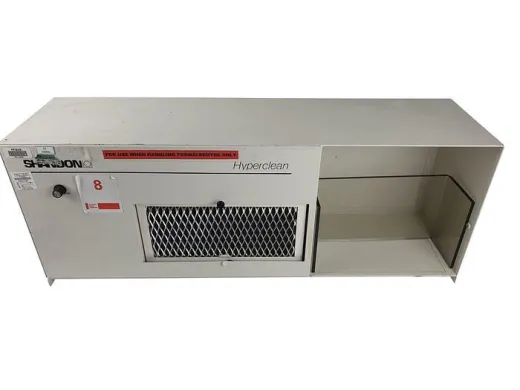
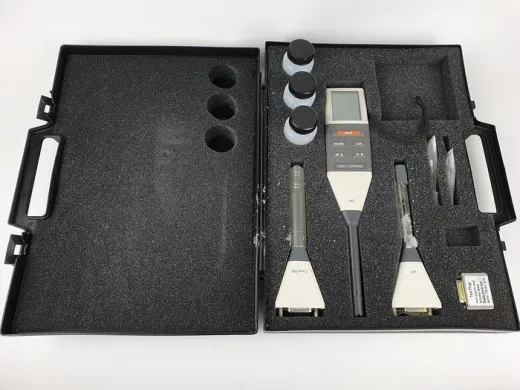
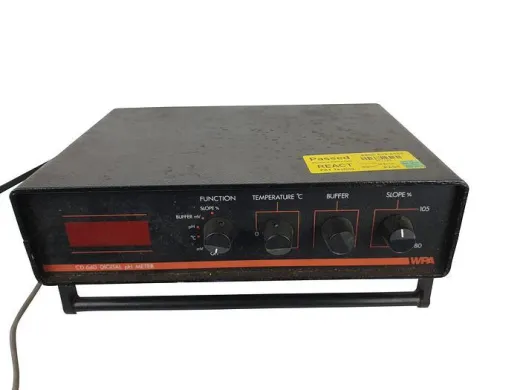
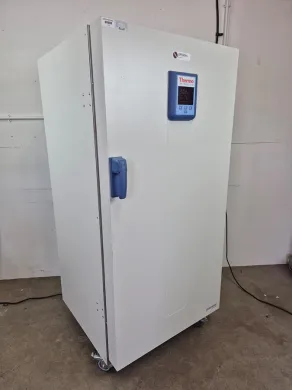
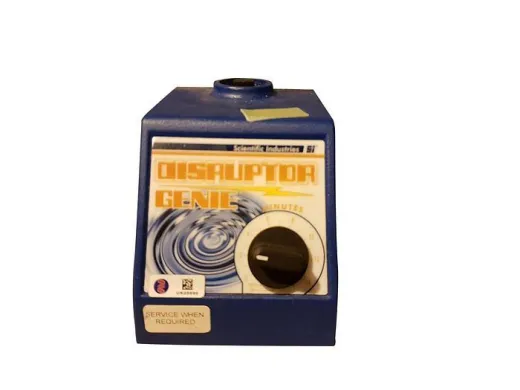
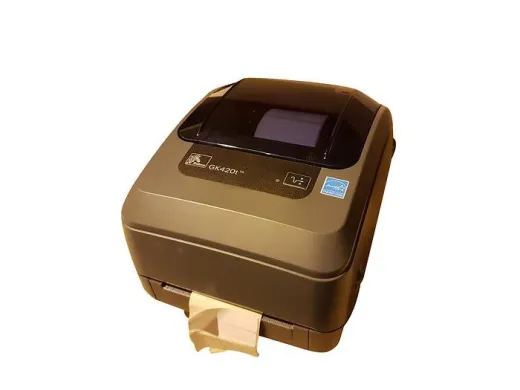
Not the exact instrument you need?
Tell our scientists what you are after. We track it down, including off-market supply.
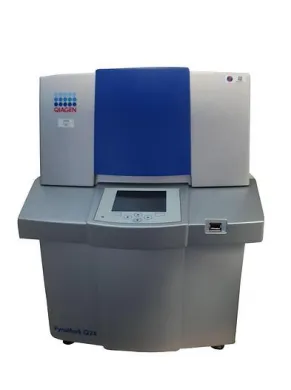
Showing 1–40 of 21,189 listings
Show 40 more listingsBuying guide
Because this work spans separation, detection and the reagents between them, the price range is wider than any single category shows. Prices run from EUR 1 to EUR 533.942. The low end is reagents, enzymes and consumables, the kind of thing a lab reorders by the box. The high end is the complete analytical platforms, a high-resolution mass spectrometer coupled to a liquid chromatography front-end, which is the part of the pipeline most labs buy once and keep running for years. Between those sit the electrophoresis and blotting rigs and the standalone chromatography systems.
Condition matters most on the instruments, less on the consumables. 89 percent of the listings are used. For a mass analyser or a chromatography pump, a used unit asks the buyer to weigh calibration state and service history, both of which belong to the individual listing rather than to any blanket rule. Used and refurbished instruments are listed below new prices, and that price difference is the clear reason to consider them; where warranty matters it is arranged in consultation for the specific listing, so the question to ask is about that listing and not about the category. Parts can be sourced via Questpair when an older platform needs them. For reagents and enzymes the condition distinction carries less weight, and the decision there is mostly about shelf life and specification, which again sit on the listing itself.
Types of Proteomics
Proteomics runs as a pipeline, and the instruments this field draws on are mass spectrometers, chromatography systems, electrophoresis and western blotting rigs, and the sample preparation and reagent lines that feed them. The stages below are the work in the order a lab actually does it, each one constrained by the one before.
How is the sample prepared for analysis?
Before anything separates or ionises, the proteins have to come out of the cells intact and in a form the downstream steps accept. This is where sample preparation equipment and the reagent lines sit: lysis, digestion into peptides, and cleanup to strip salts and detergents that would otherwise poison the detector. Enzymes and biochemicals do the digestion, antibodies and reagents handle enrichment where a lab is chasing a subset rather than the whole proteome. The quality of this step sets a ceiling on everything after it, because a contaminated or partially digested sample does not improve further along the line. A lab running affinity enrichment leans on reagents here that a shotgun workflow never touches.
Separating the peptides
A digested sample is too complex to read all at once, so it is spread out in time or space first. Two routes dominate, and they constrain what comes next in different ways.
Chromatography, specifically liquid chromatography, feeds peptides to the detector in a continuous gradient, one narrow band after another. The column and pump determine how finely the mixture resolves, and that resolution is what the analyser then has to keep pace with. Electrophoresis separates by size or charge on a gel instead, and western blotting extends that into targeted detection of named proteins. These are different jobs: chromatography front-ends a mass spectrometer, while the gel-based route often stands alone as a confirmation or a targeted readout.
Why does the separation method constrain the detector?
This is the join a single-category page can never describe. A fast chromatographic gradient delivers peptide bands only a few seconds wide, and a detector that scans too slowly simply misses half of them. So the choice of column and gradient is not independent of the mass analyser; it sets the scan speed the analyser must hit. A lab pairing a high-resolution instrument with a slow separation wastes the resolution, and the reverse wastes the separation. The two have to be matched, which is why proteomics is sourced as a connected set and not as a shelf of standalone boxes.
Reading the proteins
The mass spectrometer is where identity and quantity are read. Peptides are ionised, measured by mass, and often fragmented and measured again, so the instrument reconstructs which proteins were present and in what amount. Analytical instrumentation in this class spans a wide range of resolving power and speed, and the right end depends on the question: discovery work that maps a whole proteome asks more of the analyser than a targeted assay checking a handful of known markers.
Where do antibodies still fit a mass-spec workflow?
Even when the readout is a mass spectrometer, antibodies and reagents often appear upstream, pulling a specific protein class out of the background so the analyser sees it against less noise. That is enrichment, not detection, and it is why the antibody and reagent lines sit in a proteomics pipeline alongside instruments that do not use antibodies at all. Among the listings that specify a type, the biotech and life sciences and reagent categories carry the consumables this enrichment depends on.
Frequently asked questions
What is the minimum equipment I need to start proteomics work?
At a minimum you need sample preparation gear for lysis, reduction, alkylation and digestion, a separation step (either a chromatography system or an electrophoresis and blotting rig), and a mass spectrometer for identification, plus the enzymes, antibodies and reagents that feed each stage. Without the detection instrument you can prepare and separate samples but not identify the proteins, so a complete workflow needs all three stages present.
Which step is the most expensive to set up?
Detection is where the budget concentrates: a research-grade mass spectrometer with its nano-flow front end is the single costliest purchase and sets what the rest of the workflow can achieve. The chromatography systems, electrophoresis and blotting rigs, and sample preparation hardware sit well below it, and reagents and enzymes are the low end bought by the box.
What can I buy used and what is better bought new?
The larger items, a mass spectrometer or a chromatography system, are where a used unit makes sense because used and refurbished units are listed below new ones and the saving is real. Reagents, enzymes and antibodies are a different calculation: bought fresh and used quickly, so specification matters more than condition and buying them new is the norm.
What has to match between the separation step and the detector?
The gradient length, the column chemistry and the scan speed of the instrument that follows all have to agree, because the detector reads whatever the separation hands it. This is why the chromatographic front end and the mass spectrometer are chosen as a pair rather than sourced independently.
Roughly what does a complete proteomics setup cost?
Across the categories this work draws on, prices run from EUR 1 to EUR 533.942. The low end is reagents, enzymes, antibodies and consumable preparation items; the high end is the mass spectrometer with its nano-flow front end; the chromatography, electrophoresis and sample preparation hardware fall between the two.
Where does cutting the budget early cost you later?
Nothing downstream recovers from a bad extraction, so underspending on sample preparation and on the protease purity limits every run that follows regardless of the instrument. Cutting the detector or its nano-flow front end caps what the whole pipeline can resolve, since the separation and detection have to match and a slow scan cannot keep pace with sharp chromatographic peaks.
Which of this equipment can I share with other lab work?
Sample preparation gear for lysis, concentration and desalting, along with centrifuges and the electrophoresis and western blotting rigs, is used across many protein and molecular biology workflows, not only proteomics. The mass spectrometer with its dedicated nano-flow front end is the piece configured specifically for this work, though analytical instruments alongside it handle general calibration and supporting measurement.
What should I check on a used mass spectrometer or chromatography system before buying?
Confirm the scan speed and mass range against the separation route you plan to run, the condition and hours on the vacuum and ion source components, and whether calibration can still be met. The terms that matter sit on the individual listing, and a warranty is arranged in consultation for that specific listing; replacement parts can be sourced via Questpair if a component needs changing.
About Questpair
Questpair is the European marketplace for lab equipment, where AI-prepared cases and personal specialists guide every purchase. We work with 247 verified suppliers across 38 countries to find buyers the right new, used or refurbished instruments, with response within 1 hour and significant savings vs buying new.
Personal · Fast · Reliable · Affordable