
Genomics & Sequencing
We personally find you the right new, used and refurbished genomics & sequencing instruments & equipment from verified suppliers.
Reading and editing nucleic acid relies on a chain where each step sets up the next, and a weak link anywhere costs the whole run. Sequencing demands clean, quantified input, so sample preparation and liquid handling bind the result as tightly as the sequencer itself does. The Questpair catalogue carries 29954 listings across sequencers, thermal cyclers, editing tools, automated pipetting platforms and the preparation kit that feeds them, from 151 verified suppliers and distributors. Throughput is the axis most choices turn on: a single sample a week and a thousand a day draw on different parts of this set entirely, and the preparation burden scales with it rather than the sequencer alone.
Updated:
Genomics & Sequencing product list


Not the exact instrument you need?
Tell our scientists what you are after. We track it down, including off-market supply.
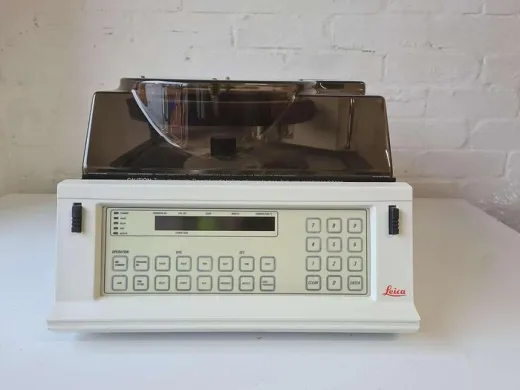
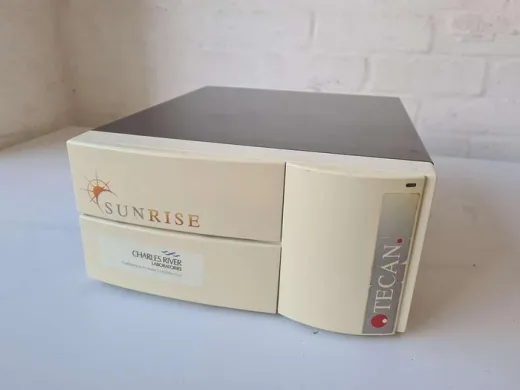
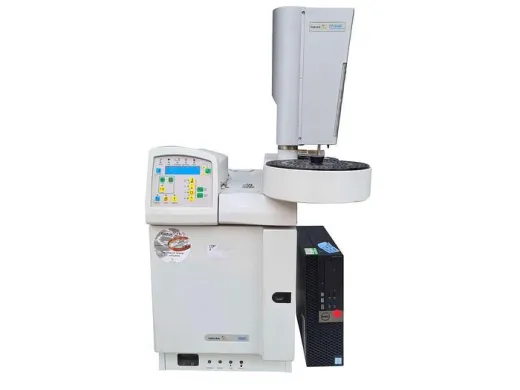
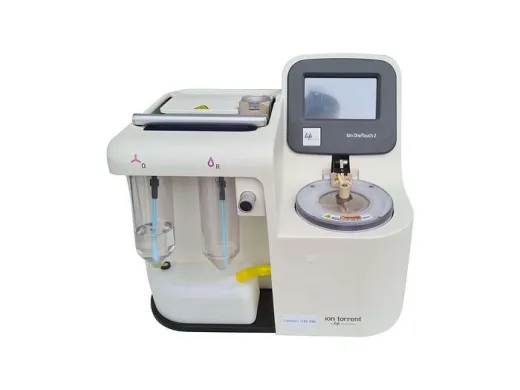
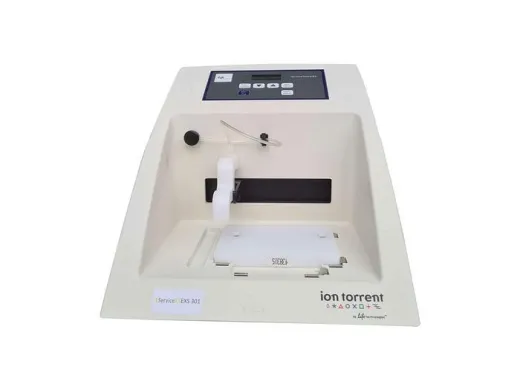
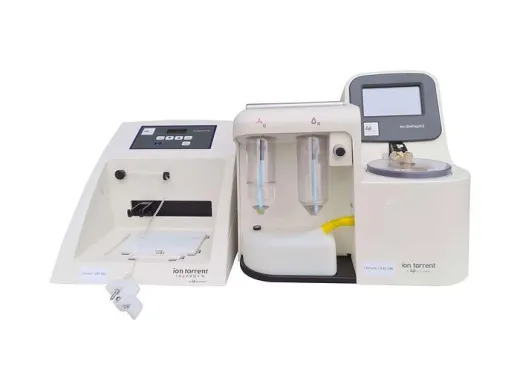
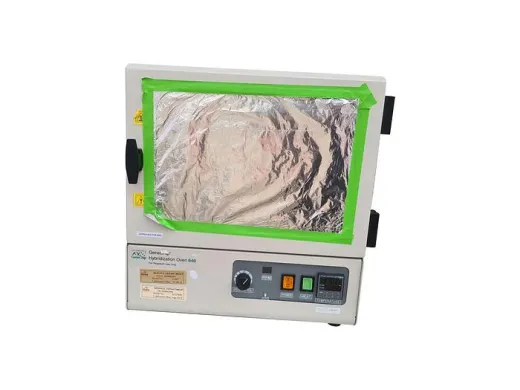
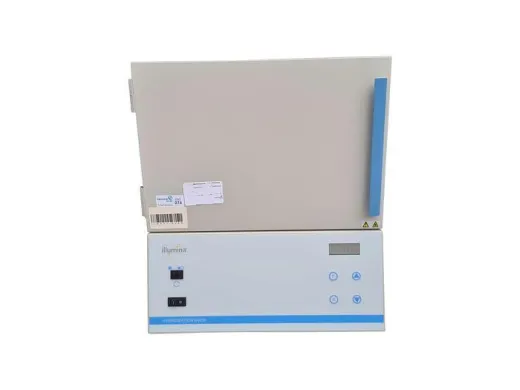
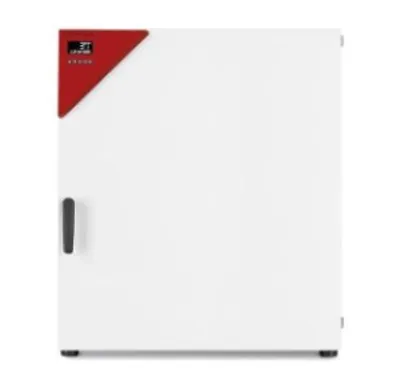
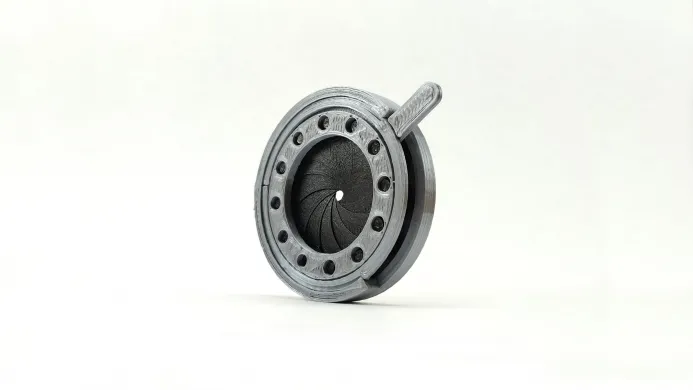
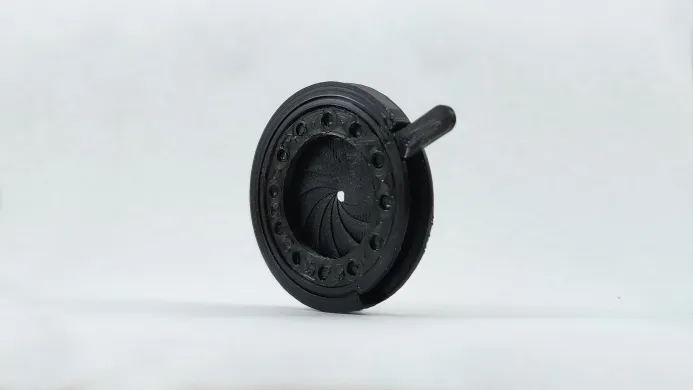
Illumina Boekel 230401 - 21LL Hybridization Oven
- Category
- Furnaces
- Brand
- Illumina
- Suppliers
- 1 verified
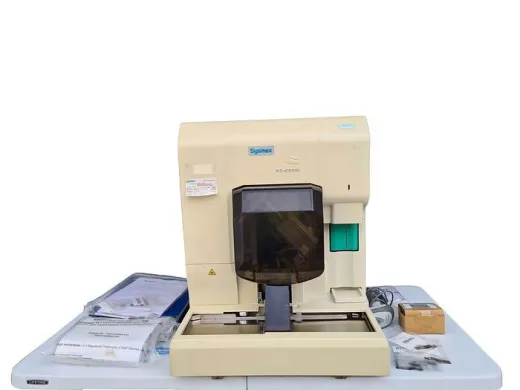
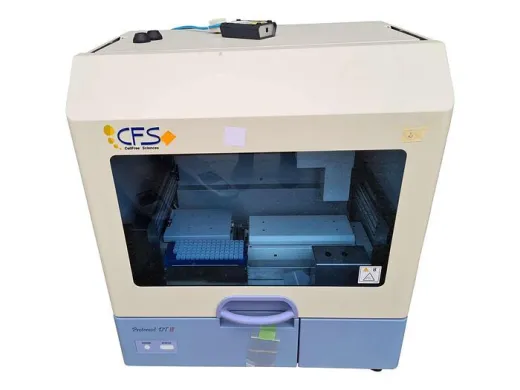
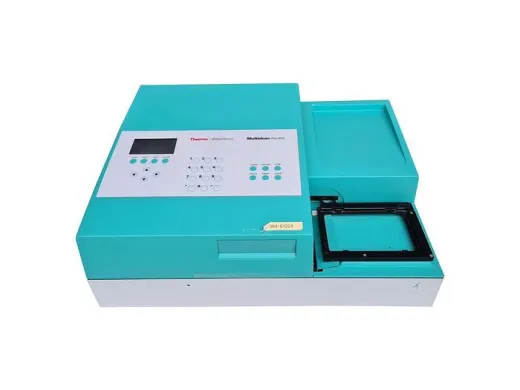
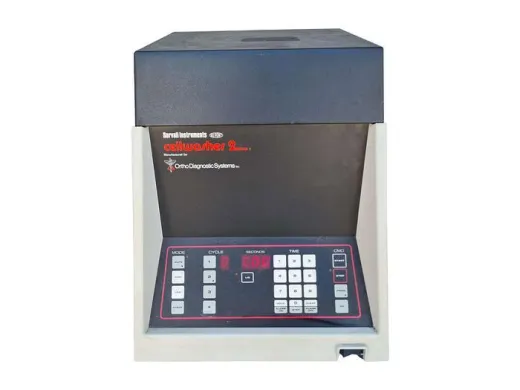
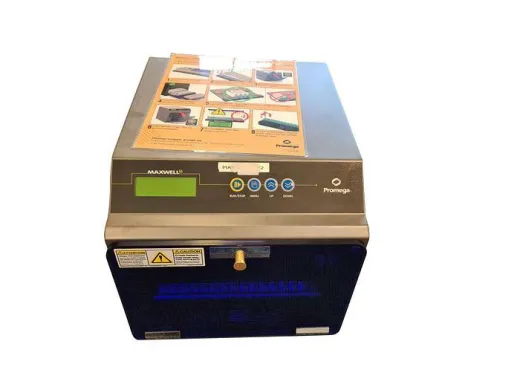
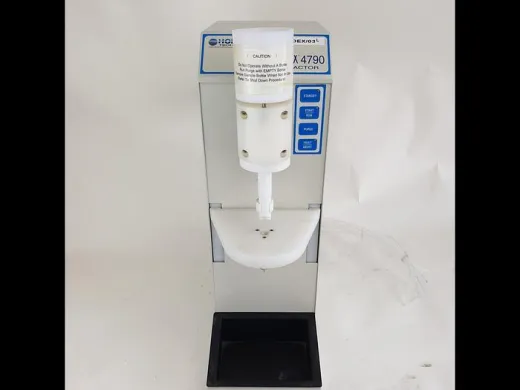
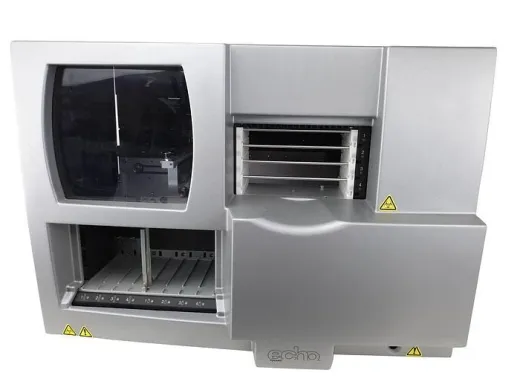
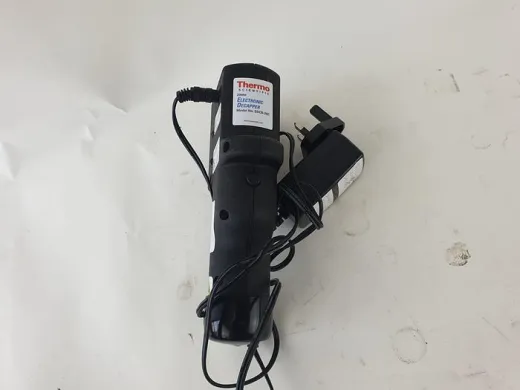
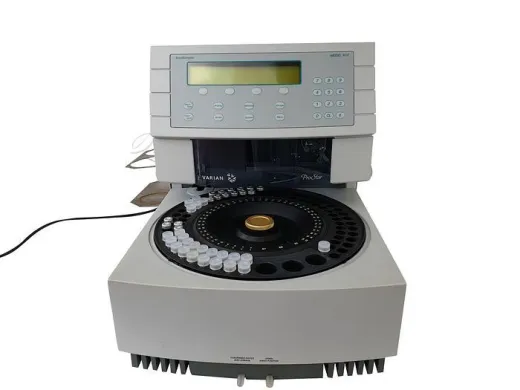
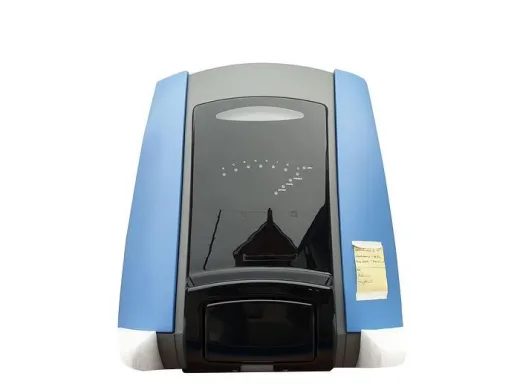
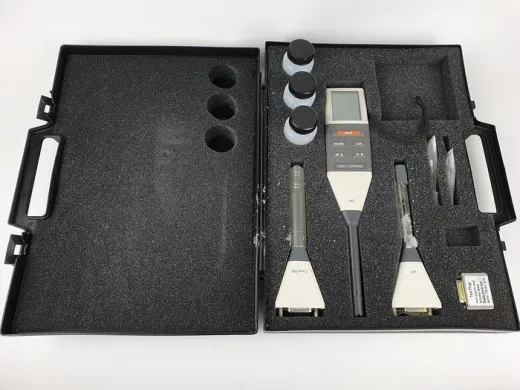
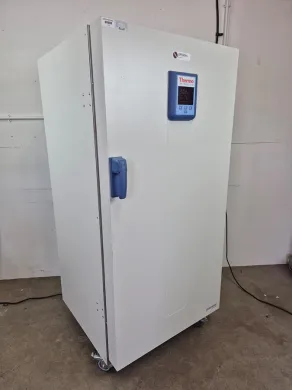
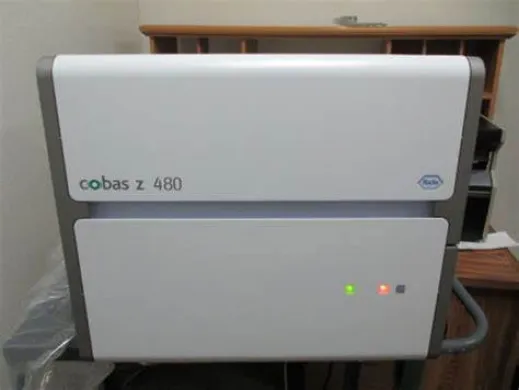
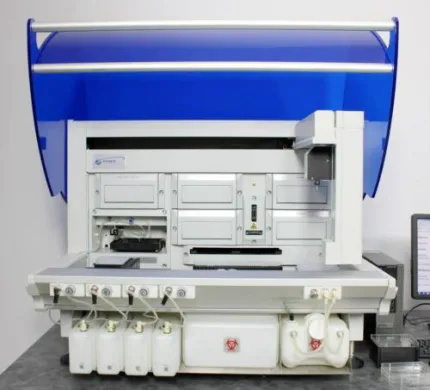
Roche Cobas Z 480 real time PCR
- Category
- Life science equipment other
- Brand
- Roche
- Suppliers
- 1 verified
Not the exact instrument you need?
Tell our scientists what you are after. We track it down, including off-market supply.
Showing 1–40 of 11,997 listings
Show 40 more listingsBuying guide
Prices run from EUR 1 to EUR 533.942. That is the widest span of any grouping on the site, because it holds both ends of a pipeline in one place. At the low end sit consumable-adjacent items and small molecular tools, the kind a bench orders by the box. At the high end sit the dna sequencers and the larger automated liquid handling platforms, which is where the expensive part of this work concentrates: the reading instrument and the automation that feeds it account for most of a serious setup's cost, while amplification and preparation gear sit well below them.
Condition weighs on the decision across the whole set. 96 percent of the listings are used. For a pipeline assembled from several categories at once, that share is what makes a full setup reachable, since the instruments are listed below new pricing. Where a buyer is weighing a used reader or handler against new, the warranty is arranged in consultation for the specific listing rather than fixed across the catalogue, so the individual listing is where that question gets answered.
The catalogue draws on 151 verified suppliers and distributors across 92 countries. Parts for an instrument already in service can be sourced via Questpair, and where a listing lacks its manuals, specialists respond within the hour. Match the spend to the stage: the reading and automation end carries the large figures, so that is where condition and listing detail deserve the closest look before buying.
Types of Genomics & Sequencing
Genomics and sequencing is not one machine but a pipeline, and the equipment it draws on spans dna sequencers, pcr equipment, genome editing and molecular tools, automated liquid handling, microarray scanners and sample preparation gear. These do not substitute for one another; they sit in sequence, and the order below follows the order the work is actually done in. Each stage places its own demand on the instrument it needs, and two of them constrain each other in ways no single category page can show.
How does sample preparation bind the whole run?
Everything downstream reads whatever the preparation stage hands it, which is why this is where throughput and cost quietly concentrate. Nucleic acid is extracted, fragmented, quantified and turned into a library before anything is read. Extraction kit, fluorometers and bead-based cleanup sit here, and the quality they produce is the ceiling on what the sequencer can return: a degraded or poorly quantified input is not recovered later. The binding constraint is between this stage and the next two. A platform that reads a thousand samples a day needs libraries built at that rate, so the preparation bench, not the reader, is what sets the real pace. Where this step runs by hand it caps throughput regardless of how fast the instrument downstream is.
Automating the pipetting
Once sample counts climb, manual pipetting stops being the bottleneck you can live with. Automated liquid handling platforms move and mix the small, repeated volumes that library prep and plate setup demand, which is where this category earns its place. The constraint runs both ways with preparation: a liquid handler is only worth its bench space when the number of samples justifies the setup, and below that line the manual route is cheaper and no slower. Above it, the handler is what lets preparation keep pace with a high-throughput reader. Deck format and compatible plate types decide whether a given platform fits an existing workflow, so the step is less about the machine alone than about what it has to feed.
Which instrument does the reading?
This is the stage the field is named for. dna sequencers span short-read and long-read chemistries, and the two answer different questions: one for accurate variant calling at depth, the other for resolving structure and long repeats. Alongside them, pcr equipment covers the amplification that both targeted sequencing and standalone assays depend on, and microarray scanners read fixed-content hybridisation arrays where the question is known in advance rather than open. The choice here is driven by read length, run time and the per-run sample batch, all of which have to match what the preparation and handling stages upstream can actually deliver.
Editing and the molecular toolkit
Genome editing and molecular tools belong to the half of this work that writes rather than reads. CRISPR-associated reagents, nucleases and the molecular biology instruments around them let a sequence be altered and the result verified, usually by sequencing the edited product. The loop closes back on the reading stage, which is why editing rarely stands alone on a bench: it leans on the same preparation, amplification and readout equipment that the rest of the pipeline uses. Grouped under genomics and sequencing on the catalogue are also biotech and life sciences and clinical laboratory equipment, which cover the broader instrumentation a working molecular lab keeps around these core steps.
Frequently asked questions
What equipment do you need at minimum to start sequencing?
At minimum you need a reading instrument, a thermal cycler or other PCR equipment for amplification, and the sample preparation gear that feeds them: an extraction kit, a fluorometer for quantification and bead-based cleanup. Manual pipetting covers the liquid handling at low sample counts, so an automated platform is not part of a minimal bench until throughput justifies it.
Which step is the most expensive to set up?
The reading instrument and the automation that feeds it account for most of a serious setup's cost. DNA sequencers sit at the high end of the catalogue, and larger automated liquid handling platforms sit alongside them, while amplification and preparation gear fall well below both.
What can be bought used and what is better new?
Used and refurbished sequencers, handlers and thermal cyclers are listed below new pricing, which is what makes a full pipeline assembled from several categories reachable. Consumable-adjacent items and the preparation kit are ordered new by the box since they are spent each run. Price is the difference Questpair can state between used and new; warranty is arranged in consultation for the specific listing.
What has to match between the steps?
The preparation stage has to build libraries at the rate the reader consumes them, so a high-throughput sequencer needs a preparation bench and liquid handler running at the same pace. On the reading side, read length, run time and per-run batch size have to fit what preparation and handling can actually deliver. For automation specifically, the deck format and compatible plate types decide whether a platform fits the existing workflow.
Roughly what does a complete setup cost?
Across this grouping prices range from EUR 1 to EUR 533.942, which is the full span because it holds both ends of the pipeline. A given setup's total depends on throughput: the reader and automation carry the large figures, while amplification and preparation gear sit lower, and a single-sample-a-week bench draws on different parts of the set than a thousand-a-day operation.
Where does cutting the budget cost you later?
Cutting on sample preparation caps the whole run, because a degraded or poorly quantified input is the ceiling on what the sequencer returns and is not recovered downstream. Underspending on liquid handling where sample counts are high leaves preparation unable to keep pace with the reader, so the expensive instrument runs below its capacity.
Which equipment here is shared with other lab work?
PCR equipment and sample preparation gear are used by standalone assays and by genome editing, not only by sequencing. Editing leans on the same preparation, amplification and readout equipment the reading pipeline uses, which is why it rarely stands alone on a bench. The grouping also covers biotech and life sciences and clinical laboratory equipment, the broader instrumentation a molecular lab keeps around these core steps.
What should I check on a used sequencer or liquid handler before buying?
Give the closest look to the reading and automation end, since that is where the large figures sit: confirm the chemistry and read length on a sequencer, and the deck format and compatible plate types on a handler, against your own workflow. Check each listing's detail directly, and where a listing lacks its manuals you can contact Questpair, with specialists responding within the hour. Parts for an instrument in service can be sourced via Questpair, and warranty is arranged in consultation for the specific listing.
About Questpair
Questpair is the European marketplace for lab equipment, where AI-prepared cases and personal specialists guide every purchase. We work with 247 verified suppliers across 38 countries to find buyers the right new, used or refurbished instruments, with response within 1 hour and significant savings vs buying new.
Personal · Fast · Reliable · Affordable