
Stem Cell Research
We personally find you the right new, used and refurbished stem cell research instruments & equipment from verified suppliers.
Stem cell research puts an unusual demand on its equipment: the cells have to stay viable and undifferentiated for weeks, which means the chain from growth through analysis cannot drop below standard at any single step. A contaminated incubator or an unsterile transfer undoes the whole culture, so the work binds tightly across stages. Questpair carries 9681 listings for this work from 136 suppliers across 67 countries, spanning the incubators that hold the cultures, the safety cabinets they are handled in, and the cytometers and imaging systems that read the results. What follows is the equipment each stage calls for and where two stages constrain one another.
Updated:
Stem Cell Research product list



Not the exact instrument you need?
Tell our scientists what you are after. We track it down, including off-market supply.

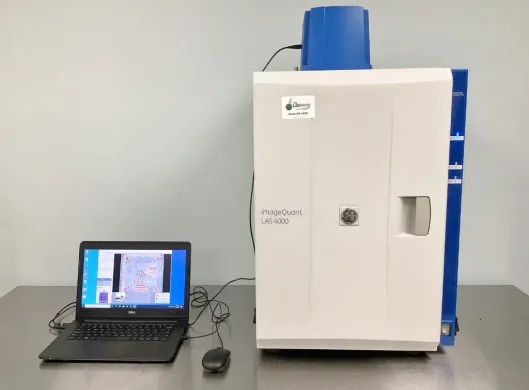
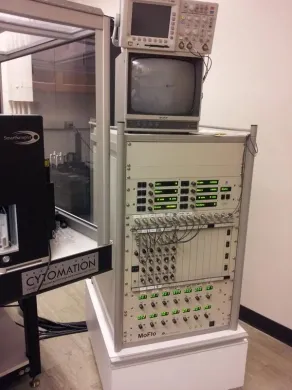

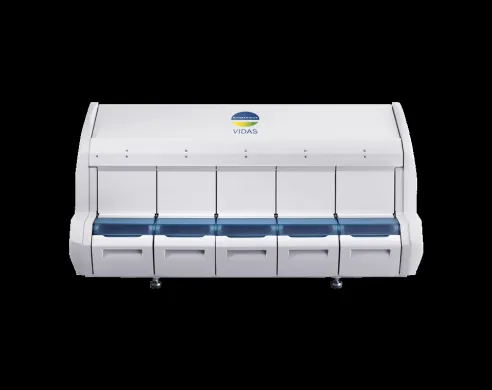
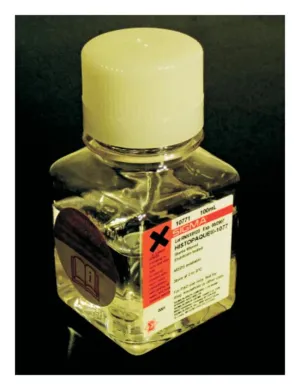

Not the exact instrument you need?
Tell our scientists what you are after. We track it down, including off-market supply.
Showing 1–40 of 4,119 listings
Show 40 more listingsBuying guide
Because this work spans the whole bench rather than one instrument, the price range is far wider than any single category shows. Listings run from EUR 13 at the low end, where consumables, primary and cultured cells and basic cell counters sit, up to EUR 400.457 for the instruments that read populations and images. The expensive end is the analytical equipment: flow cytometers and the larger imaging systems account for most of the upper range, while automated liquid handling and biological safety cabinets occupy the middle. Incubators span a broad band of their own, since a basic unit and a tri-gas model built for pluripotent culture are different machines at different prices.
Across the catalogue 95 percent of the listings are used. That share matters more here than on a single-category page, because a lab assembling a full setup is buying several instruments at once, and used pricing is what makes a complete bench feasible rather than a single flagship piece. Used and refurbished units are listed below new prices, and where you are weighing the two, the decision sits with the individual listing rather than a general rule.
The equipment is offered by verified suppliers and distributors. Where a listing needs a warranty, that is arranged in consultation for the specific listing, so the term depends on the unit rather than on a blanket policy. When you plan a purchase, read the range against the stage you are buying for: the analytical instruments are where the budget concentrates, and the handling and holding equipment, while essential, sits lower.
Types of Stem Cell Research
Stem cell research draws on a defined set of instruments: biological safety cabinets, incubators, automated liquid handling, cell counters, flow cytometers, imaging systems, and the primary and cultured cells themselves. The work runs as a sequence, from establishing a culture to reading what it has become, and each stage leans on different equipment with the one before it setting the terms. These are the stages.
Establishing and holding the culture
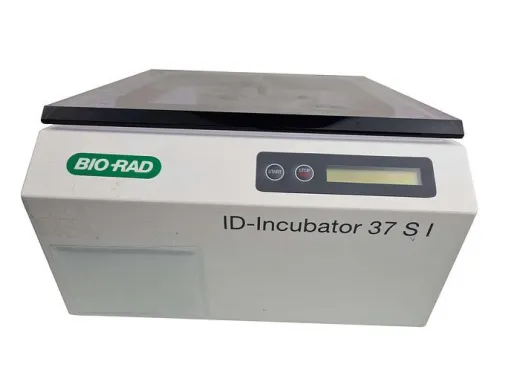
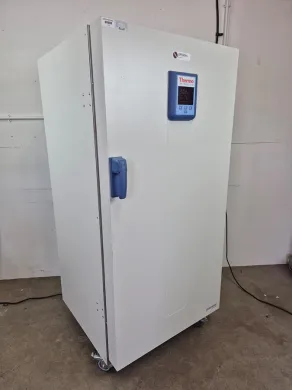
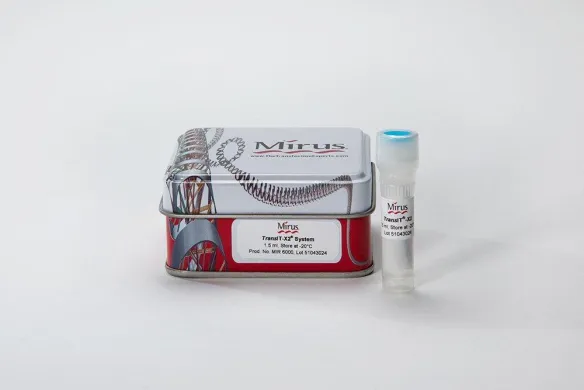
The culture begins with cells, either primary lines isolated from tissue or established cultured lines, and the choice sets everything downstream: primary material behaves closer to the source but divides a fixed number of times, while cultured lines expand indefinitely at the cost of some fidelity. Either way the cells need an environment that holds without drift. An incubator maintains temperature, humidity and CO2 at the narrow setpoints these cultures require, and for pluripotent lines in particular the tolerance is tighter than for routine mammalian culture, because small shifts push cells toward differentiation. The incubator therefore does not just keep cells alive, it keeps them in the state the study depends on.
How does handling constrain everything after it?
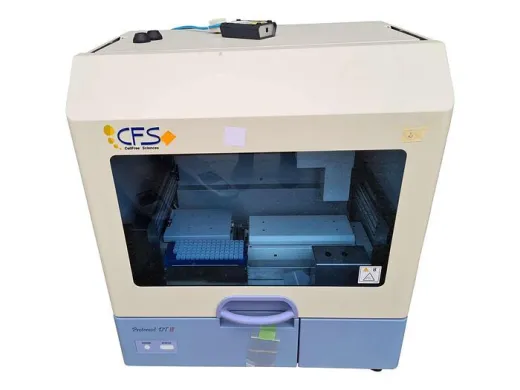
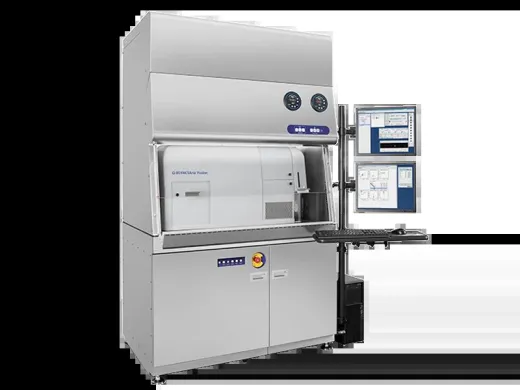
Every transfer, feed and passage happens inside a biological safety cabinet, and this is the stage where the whole sequence is most exposed. A single contamination event means discarding weeks of expansion, so the cabinet is not an accessory to the incubator but its gatekeeper: cells that leave a controlled incubator are only as protected as the cabinet they are opened in. Where throughput rises, automated liquid handling takes over the repetitive feeding and plating, which does two things at once. It removes a source of manual variation between wells, and it reduces how often a human reaches into the sterile field. The constraint runs both ways here. A liquid handler is only useful if it fits the cabinet and the plate format the rest of the work uses, so this choice is made against the cabinet and the downstream assay, not on its own.
Reading what the cells have become
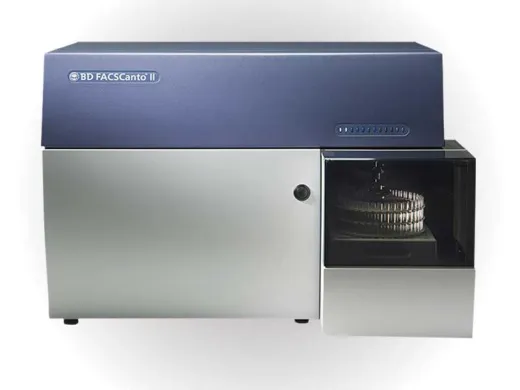
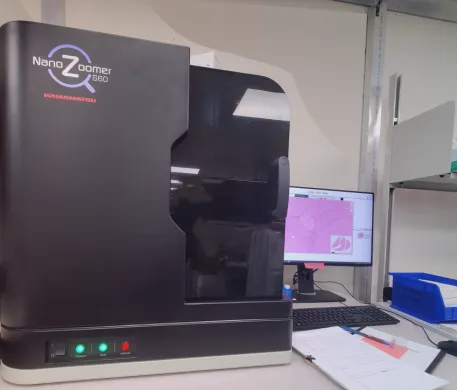
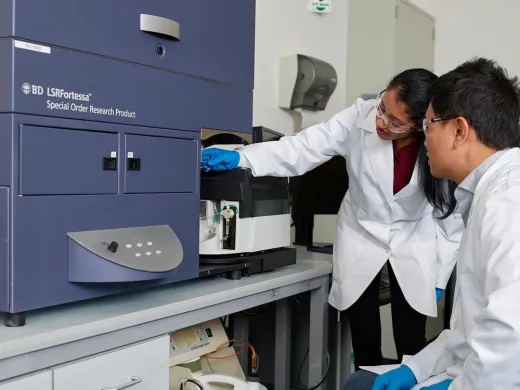
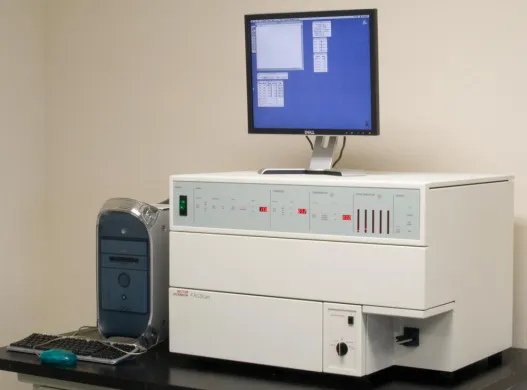
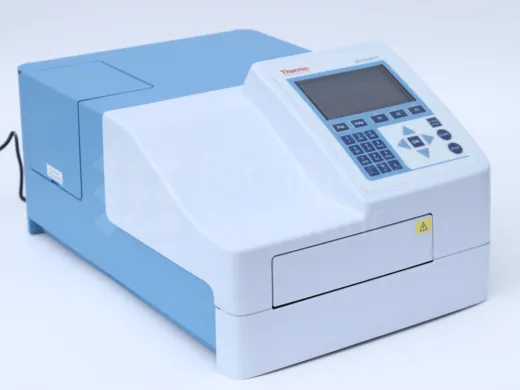
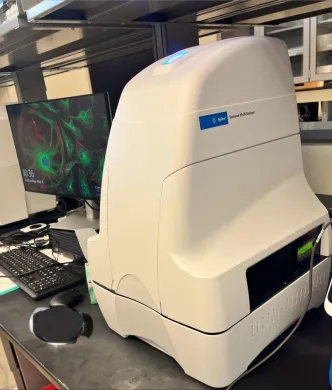
Once cultures are established the question turns to what they are: how many, in what state, and expressing what. A cell counter gives the baseline number and viability that every later figure is normalised against. From there the analysis splits by what you need to know. Flow cytometry reads surface and intracellular markers across thousands of cells, which is how a population is checked for pluripotency markers or for the appearance of differentiated types, and it returns a distribution rather than an average. Imaging systems answer a different question, holding the spatial information that cytometry discards: where cells sit, how colonies form, how morphology changes over a time course. The two are complementary rather than interchangeable, and many studies run both.
Where the stages pull against each other
The stages do not sit in isolation. Plate format chosen for automated handling has to match what the imaging system and the cytometer accept, or samples are re-plated and disturbed. Cell numbers coming off the counter determine whether there is enough material for a cytometry panel at all. The equipment on offer here follows this spine, from cells and incubators through cabinets and liquid handling to counters, cytometers and imagers, and the categories listed are among those the catalogue carries for this work rather than a complete map of the field.
Frequently asked questions
What equipment do you need at minimum to start stem cell work?
A working setup needs at least an incubator to hold the culture, a biological safety cabinet for every transfer and feed, and a cell counter to establish baseline numbers and viability. Analysis equipment such as a flow cytometer or imaging system is added according to what the study has to read, but the holding and handling pair cannot be skipped without exposing the whole culture.
Which step is the most expensive to set up?
The analytical stage carries the highest cost, with flow cytometers and larger imaging systems accounting for most of the upper range up to EUR 400.457. Automated liquid handling and biological safety cabinets sit in the middle, while cells, consumables and basic counters sit near the low end at EUR 13.
What can I buy used and what is better bought new?
Used and refurbished units are listed at lower prices than new, and for a lab buying several instruments at once that difference is what makes a full bench feasible. The choice between new and used sits with the individual listing rather than a general rule, and warranty where needed is arranged in consultation for that specific unit.
What has to match between the stages?
Plate format is the main constraint: the format chosen for automated liquid handling has to be accepted by both the imaging system and the cytometer, or samples get re-plated and disturbed. A liquid handler also has to physically fit the safety cabinet it works in, so it is selected against the cabinet and the downstream assay, not on its own.
Roughly what does a complete setup cost?
Because the work spans the whole bench rather than one instrument, listings run from EUR 13 to EUR 400.457 across the catalogue. A full setup combines holding and handling equipment at the lower and middle bands with analytical instruments at the top, so the total depends on which assays you run and how much of the bench you buy used.
Where does cutting the budget cost you later?
The biological safety cabinet and the incubator are where an underspend returns as lost cultures, since a single contamination event or a drift in CO2 and temperature discards weeks of expansion. Pluripotent lines in particular need tighter incubator tolerance than routine mammalian culture, so a basic unit bought to save money can push cells toward differentiation.
Which equipment is shared with other lab work?
Incubators, biological safety cabinets, cell counters and imaging systems are used across general mammalian cell culture, not only stem cell work, so they are rarely dedicated to one project. Flow cytometers are also shared, though a cytometry panel built for pluripotency markers is specific to this work even when the instrument is not.
What should I check on used equipment for this work?
For an incubator, confirm it holds CO2, temperature and humidity at the narrow setpoints pluripotent culture needs, and check whether it is a tri-gas model if your lines require one. For a safety cabinet confirm the airflow and filtration are intact, for a liquid handler check it accepts the plate format the rest of your bench uses, and for cytometers and imagers check calibration and detector condition. Parts can be sourced through Questpair if a unit needs them.
About Questpair
Questpair is the European marketplace for lab equipment, where AI-prepared cases and personal specialists guide every purchase. We work with 247 verified suppliers across 38 countries to find buyers the right new, used or refurbished instruments, with response within 1 hour and significant savings vs buying new.
Personal · Fast · Reliable · Affordable