
Eppendorf equipment
We personally find you the right used, refurbished & new Eppendorf instruments & equipment from verified suppliers
Eppendorf is a German life science laboratory instrument and consumable manufacturer, founded in 1945 in the Hamburg district of Eppendorf by physicist Dr. Heinrich Netheler and engineer Dr. Hans Hinz. The company remains privately held by the founding Netheler and Hinz families and operates as Eppendorf SE, converted from Eppendorf AG in October 2021. Its instruments span liquid handling, centrifugation, PCR and thermal cycling, temperature control and mixing, bioprocessing and the plastics that feed all of them. On Questpair, 2630 Eppendorf items are offered by verified suppliers and distributors across 9 countries.
Updated:
Eppendorf product list


Not the exact instrument you need?
Tell our scientists what you are after. We track it down, including off-market supply.
Not the exact instrument you need?
Tell our scientists what you are after. We track it down, including off-market supply.
Showing 1–40 of 937 listings
Show 40 more listingsAbout Eppendorf
Eppendorf is a German life science laboratory instrument and consumable manufacturer, founded in 1945 in the Hamburg district of Eppendorf by physicist Dr. Heinrich Netheler and engineer Dr. Hans Hinz. The two drew on radar and electrical engineering experience from the war years to build a workshop for medical devices, and the firm still carries the district's name. It remains privately held by the founding Netheler and Hinz families, operating as Eppendorf SE after its conversion from Eppendorf AG in October 2021. The range spans liquid handling, centrifugation, PCR and thermal cycling, temperature control and mixing, bioprocessing and cell culture, and the laboratory plastics that tie those workflows together. On Questpair, 2630 Eppendorf items are listed by verified suppliers and distributors across 9 countries. That makes the brand page a working catalogue of what one maker's instruments cost on the second-hand market.
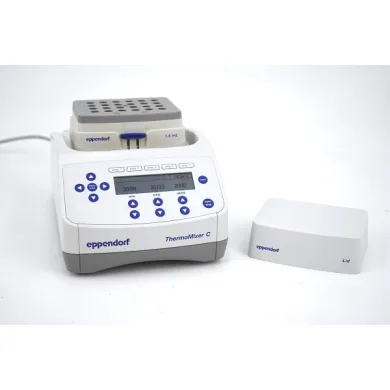
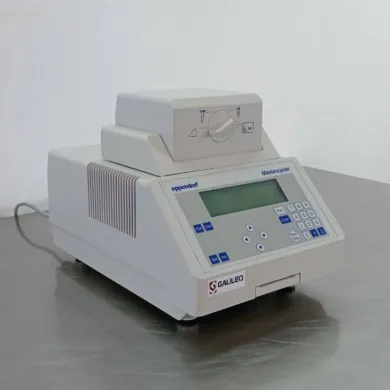
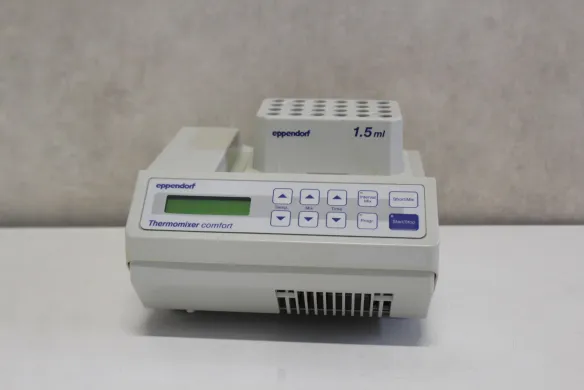
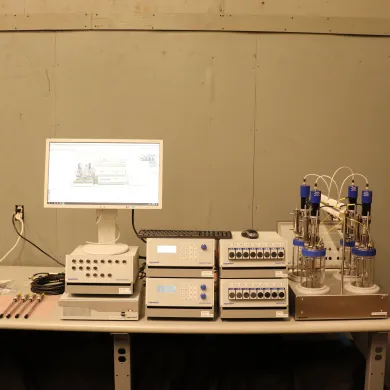
Much of this range serves molecular biology directly. The Mastercycler thermal cyclers run PCR, the step that amplifies a target sequence before it can be sequenced, genotyped or cloned, which places them at the front of genomics and molecular diagnostics work. The pipettes and epT.I.P.S. tips meter the microlitre volumes that cell culture, protein purification and immunoassay all depend on, where a few percent of pipetting error changes a result. The ThermoMixer holds a sample at a set temperature while it shakes, a combination synthetic biology and enzyme assays rely on, and the BioFlo bioreactors run the controlled fermentation and cell expansion that bioprocessing and biomanufacturing are built around. A small benchtop centrifuge for spinning down lysate and a BioFlo vessel for growing cells at litre scale are two ends of the same life-science bench, and both are Eppendorf's.
Eppendorf product lines on Questpair
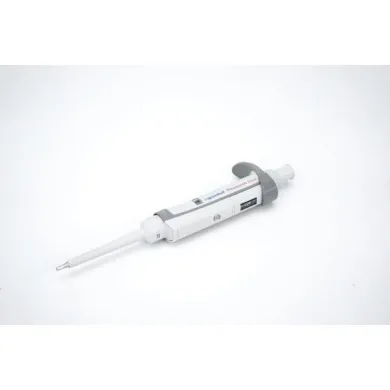
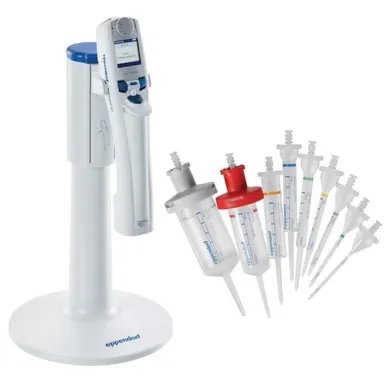
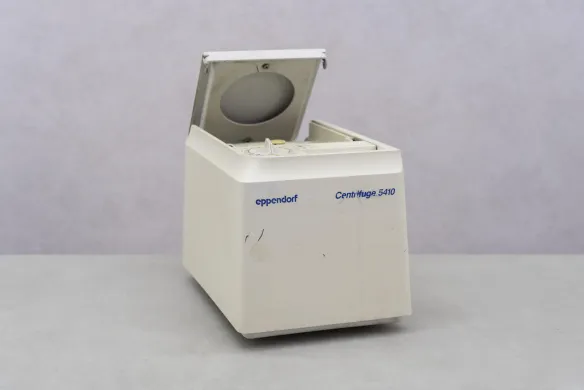
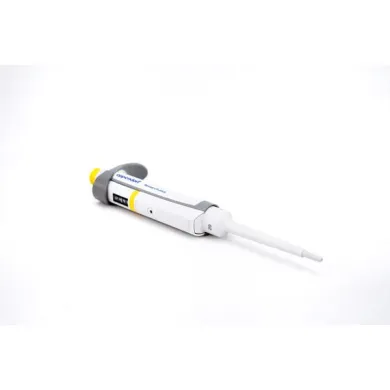
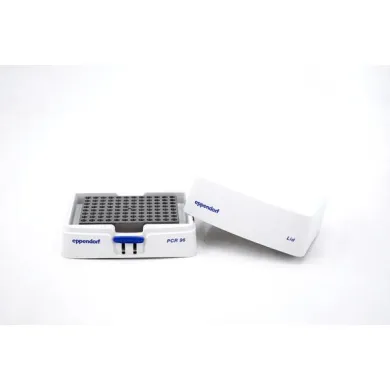
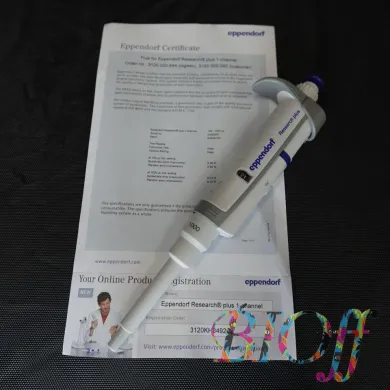
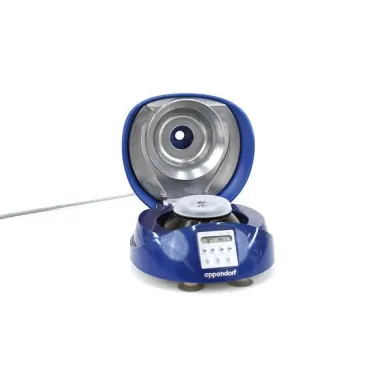
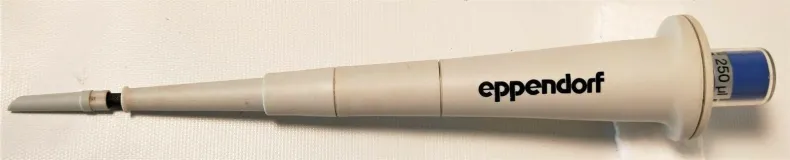
The pipette lines are the most recognised: Research plus mechanical pipettes and the Xplorer electronic range, fed by epT.I.P.S. tips and Eppendorf Tubes. In centrifugation, the compact Vacufuge concentrator sits alongside larger benchtop units, so a lab can cover both evaporation and standard pelleting from one maker. For PCR and thermal cycling, the Mastercycler family and twin.tec PCR plates appear together, which is the pairing most protocols assume. Temperature control and mixing centre on the ThermoMixer, while bioprocessing and cell culture bring in the BioFlo bioreactors and Innova shakers. Consumables, the plates, tubes and tips, run through the whole catalogue because they are what the instruments consume. Which of these families show up at any moment depends on the stock, but the spread across liquid handling, spinning, cycling and mixing is what lets a lab rebuild an Eppendorf-based protocol from listings rather than redesign it.
What is on Questpair, and in what condition?
The condition split is the clearest fact to start from: 93 percent of the Eppendorf listings are used. Prices run from EUR 9 to EUR 134.971, with the average entry near EUR 3.004, and that wide span simply reflects how different a single pipette is from a bioreactor. Used and refurbished entries are listed below new pricing, which is the straightforward reason most buyers come to a page like this. Where a listing lacks a manual, or a unit arrives short an accessory, documentation and parts can be sourced through Questpair, where specialists respond within the hour. A warranty is often possible and is arranged in consultation for the specific listing, so a buyer weighing a used entry against a new one should read the terms attached to that individual unit rather than assume a blanket policy. The brand page itself is the catalogue for Eppendorf on Questpair, so comparing a Research plus against a Mastercycler against a Vacufuge is a matter of reading the listings here, not of looking elsewhere.
Questpair review of Eppendorf
Our take based on listings data and supplier feedback
Eppendorf is read on a bench as much by its consumables as by its instruments, and the catalogue on Questpair reflects that split. The maker's name sits on pipettes, centrifuges, thermal cyclers and mixers alike, so a lab that standardises on one supplier can keep its liquid handling, its spin steps and its PCR setup under a single familiar interface. That coherence is the first thing a buyer draws on here. Across 2630 listings from 22 suppliers, the Research plus and Xplorer pipette lines, the Vacufuge and larger centrifuges, the Mastercycler thermal cyclers and the ThermoMixer all appear, which means a protocol written around Eppendorf parts can be rebuilt from stock rather than substituted.
The second point a lab weighs is price against condition, and the distribution is clear. 93 percent of the Eppendorf listings are used. Prices run from EUR 9 to EUR 134.971. That span covers a single pipette at the low end and a bioprocessing instrument at the high end, with the average entry near EUR 3.004, so the figure a buyer meets depends entirely on which class they are after. Used and refurbished units are listed below new pricing, and where a buyer has to choose between a new and a used entry, the decision sits with the individual listing: warranty is arranged in consultation for that specific unit rather than set centrally. A twin.tec plate or a box of epT.I.P.S. is a different purchase from a BioFlo bioreactor, and the catalogue holds both.
The third advantage is reach. The Eppendorf stock is offered from 9 countries, which matters when the requirement is specific. A Mastercycler in a particular block format, a Research plus at one fixed volume, an Innova shaker sized to a given incubator, these are not always on the shelf of the nearest seller, and a wider pool raises the chance that the exact configuration is listed somewhere. For a lab replacing an instrument it already runs, matching the existing model is often more useful than trading up, and breadth of supply serves that better than a single-source channel would.
Where this catalogue is weaker is the same place every used-equipment catalogue is weaker: condition is described listing by listing, not certified across the board, so a buyer reading a used Vacufuge entry is reading one seller's account of one unit. That is worth stating plainly rather than papering over. The counterweight is that documentation and parts are reachable through Questpair, where specialists answer within the hour, so a listing that lacks a manual or a missing accessory is not a dead end. On balance, the strength here is coverage of one maker's range at used prices, read against the standing caution that each entry is its own instrument.
**Breadth of a single maker's catalogue**
Across 2630 Eppendorf listings from 22 verified suppliers and distributors, a lab can source pipettes, centrifuges, thermal cyclers and mixers under one familiar name rather than assembling them piecemeal.
**Used stock at a fraction of new prices**
With 93 percent of the Eppendorf listings used, a buyer reaches instruments that are listed below new pricing, where entries run from EUR 9 to EUR 134.971.
**Cross-border availability**
The Eppendorf stock is offered from 9 countries, which widens the pool a buyer draws on when a specific Research plus model or Mastercycler configuration is needed.
Frequently asked questions
Where can I find manuals and documentation for Eppendorf instruments?
Contact Questpair for manuals and documentation, and specialists respond within an hour. This covers the instrument lines in the catalogue, from Mastercycler thermal cyclers to the centrifuge range.
How much does Eppendorf equipment cost?
Across the catalogue prices range from EUR 9 to EUR 134.971, with an average around EUR 3.004. Single consumables and accessories sit at the low end, while complete bioprocessing systems reach the high end.
What's the difference between refurbished and used Eppendorf units?
Both have been in service before and are listed below the price of a new equivalent. The condition, age and included accessories differ per listing, so the individual listing is where those details are recorded.
Can I get a warranty on an Eppendorf centrifuge or pipette?
A warranty is often possible and is arranged in consultation for the specific listing rather than set across the catalogue. Check the listing you are interested in for its terms.
Is Eppendorf equipment suitable for clinical and research use?
Eppendorf builds instruments for liquid handling, centrifugation, PCR and thermal cycling, temperature control, and bioprocessing, which cover molecular biology, genomics and cell culture work. Whether a specific unit fits a clinical or research protocol depends on the model and its specifications, listed per item.
How long do Eppendorf instruments last?
These are durable laboratory instruments, which is why a secondary market exists for them: 93 percent of the listings here are used units that have already been in service. Service life in practice depends on usage, maintenance and the specific instrument class.
Can I get spare parts for Eppendorf instruments?
Parts can be sourced via Questpair. The part you need depends on the specific model and series, so identify the unit first.
What are good alternatives to Eppendorf?
The alternative depends on the category. For pipettes and liquid handling, centrifugation, PCR cyclers or bioreactors, other makers in each class appear in the relevant Questpair category pages where you can compare specifications side by side.
How long does delivery take?
Lead time depends on the supplier and the individual listing, since the catalogue holds stock from 22 verified suppliers and distributors across 9 countries. The listing and the supplier handling it are where to confirm timing.
What is the difference between parts and spares for these instruments?
In practice the two terms describe the same thing: replacement components for an instrument. Both can be sourced via Questpair once you know the model.
Do suppliers ship Eppendorf equipment internationally?
The catalogue reaches buyers across 9 countries, with listings from 22 verified suppliers and distributors. Shipping scope for a given unit is set by the supplier on that listing.
What product lines does Eppendorf make and how do they differ?
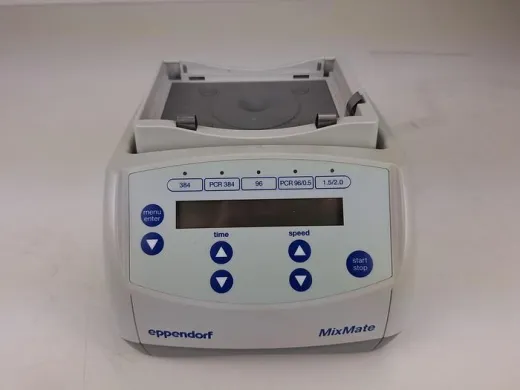
The lines split by function: Mastercycler for PCR thermal cycling, Research plus (manual) and Xplorer (electronic) for pipetting, ThermoMixer for heating, cooling and agitation, Vacufuge for vacuum concentration, and BioFlo bioreactors with Innova shakers for cell culture and fermentation. Consumables like epT.I.P.S. tips, twin.tec PCR plates and Eppendorf Tubes run on these instruments.
Which Eppendorf centrifuges are listed here and in what condition?
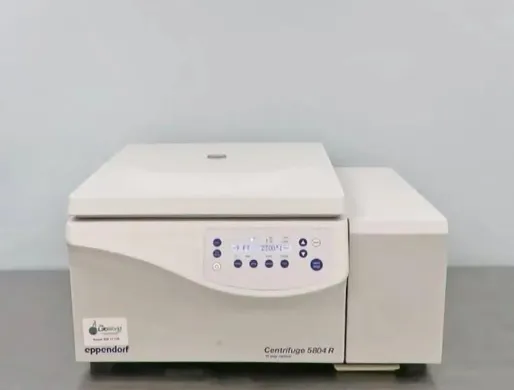
The centrifuge listings cover classes including laboratory centrifuge, benchtop centrifuge, refrigerated benchtop centrifuge, high-speed centrifuge, microcentrifuge and molecular biology centrifuge. Across the whole brand 93 percent of listings are used, with 189 new listings, and each unit's exact condition is recorded on its own listing.
Why are some Eppendorf listings so much cheaper than others?
The low prices correspond to consumables and single accessories, while the high prices are complete bioprocessing systems such as bioreactors. Within instruments of the same type, condition, age and included accessories also move the price, which is why two similar units can differ.
About Questpair
Questpair is the European marketplace for lab equipment, where AI-prepared cases and personal specialists guide every purchase. We work with 247 verified suppliers across 38 countries to find buyers the right used, refurbished or new instruments, with response within 1 hour and significant savings vs buying new.
Personal · Fast · Reliable · Affordable