
Eppendorf general laboratory equipment
We personally find you the right new, used and refurbished eppendorf general laboratory equipment from verified suppliers.
Eppendorf centrifuges in this category centre on three families drawn from a workshop-era instrument maker: the compact 5424 and 5425 microcentrifuges, the versatile 5804 and 5810 benchtops, and the refrigerated 5417 R and 5920 R lines built for cold-chain work. Among the listings that specify a type, the spread runs from fixed-angle microcentrifuges through swing-bucket benchtops to refrigerated high-speed units. The Questpair catalogue holds 2509 Eppendorf centrifuge listings from 20 verified suppliers and distributors across 8 countries. That breadth means a buyer can compare a bench microcentrifuge against a floor-standing refrigerated model without leaving the intersection of this maker and this class of equipment.
Updated:
Eppendorf General laboratory equipment product list
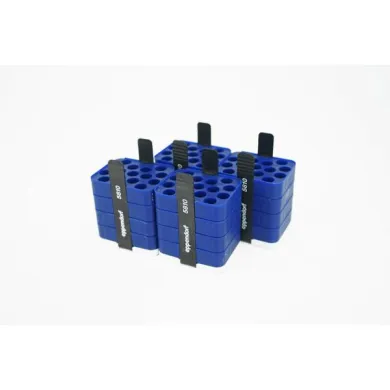
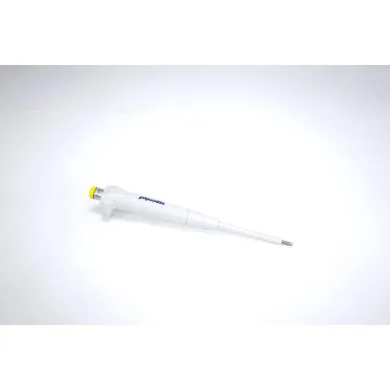


Not the exact instrument you need?
Tell our scientists what you are after. We track it down, including off-market supply.
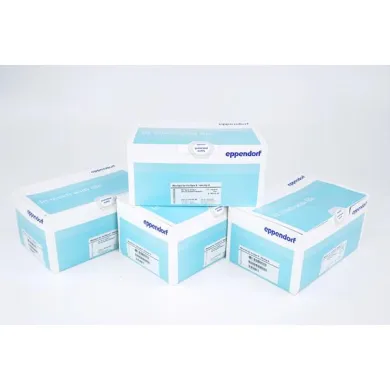
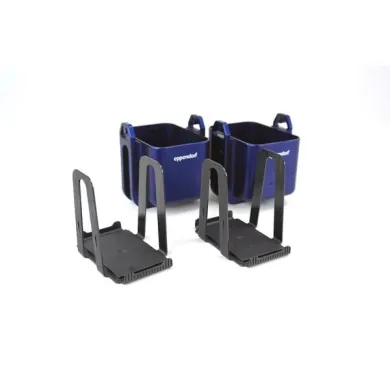
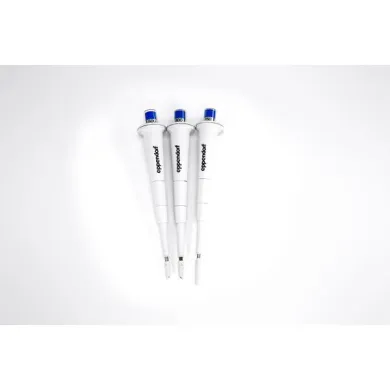
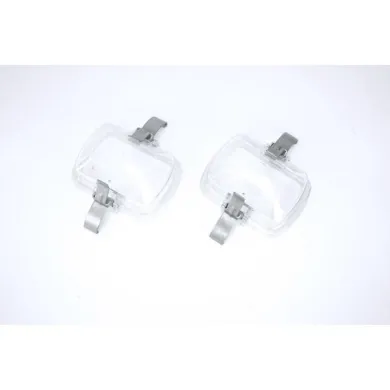
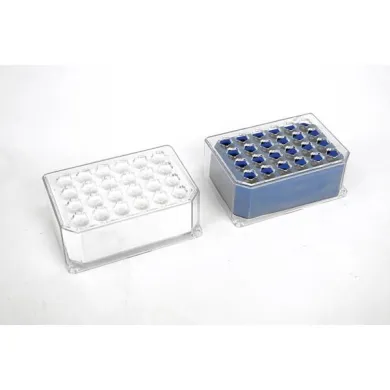
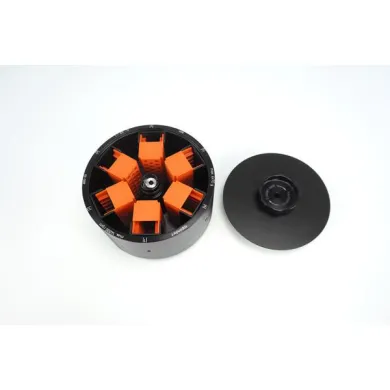
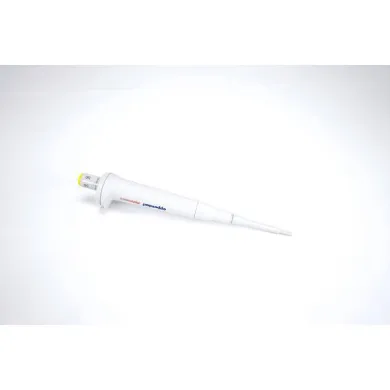
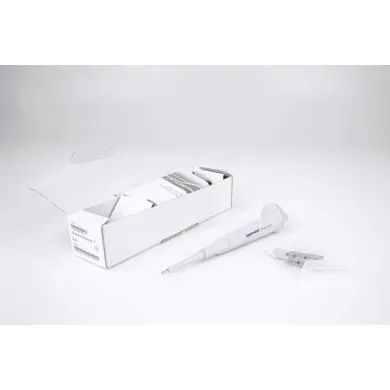
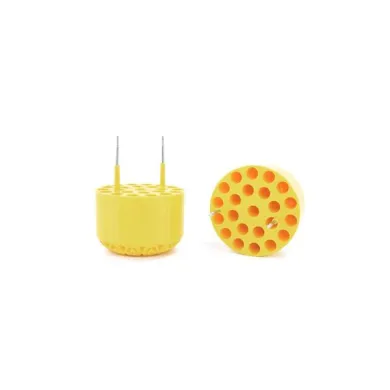
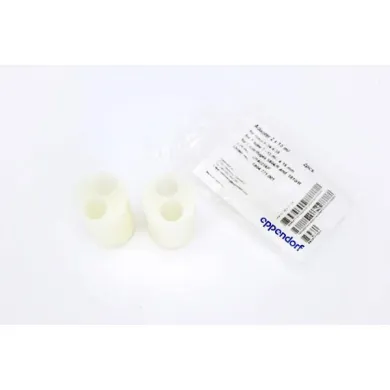
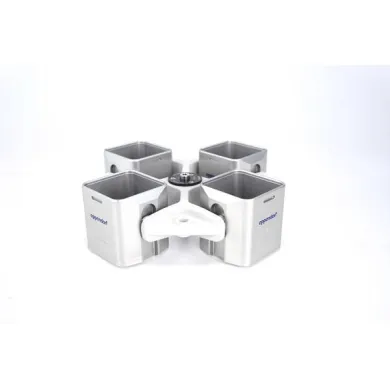
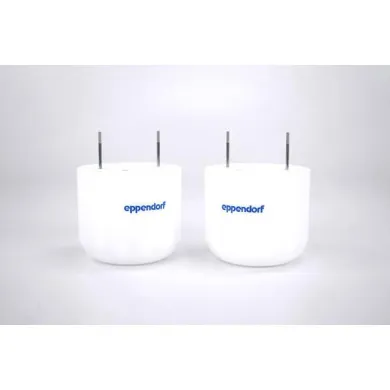
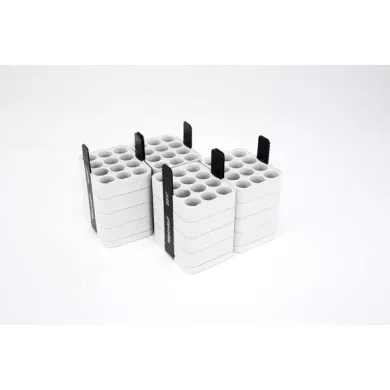
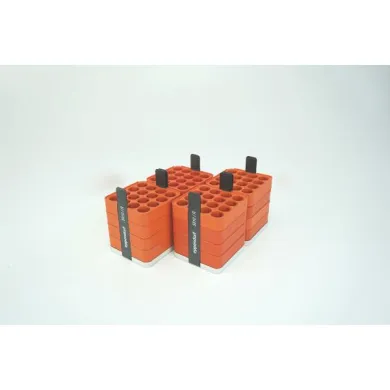
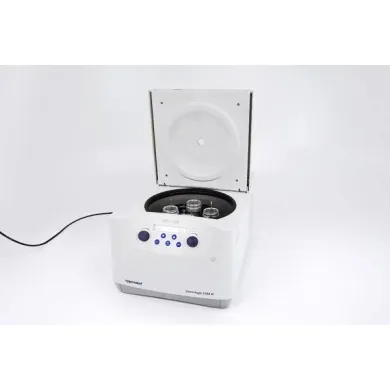
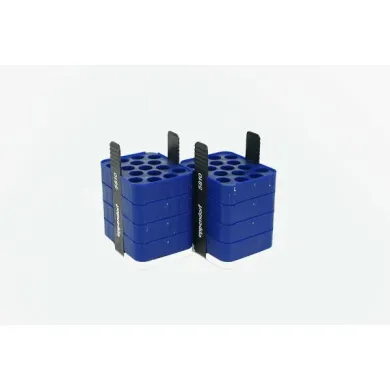
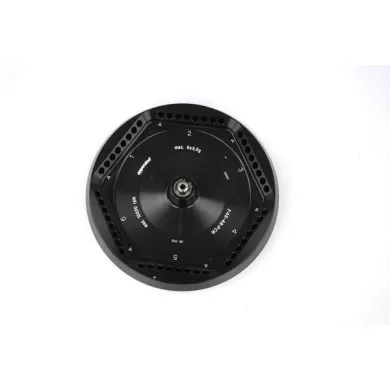
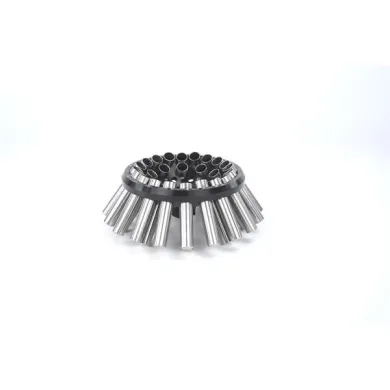
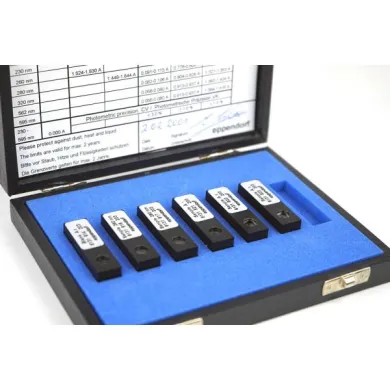
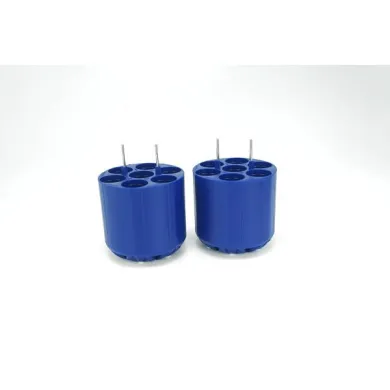
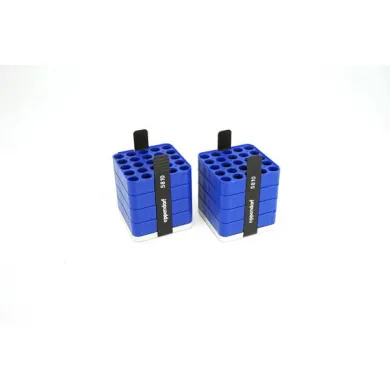
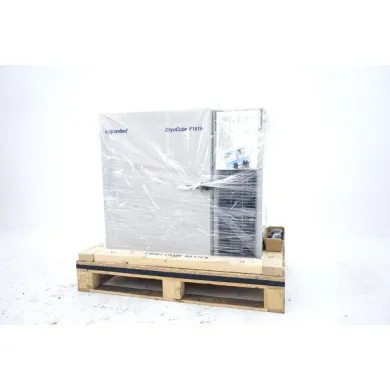
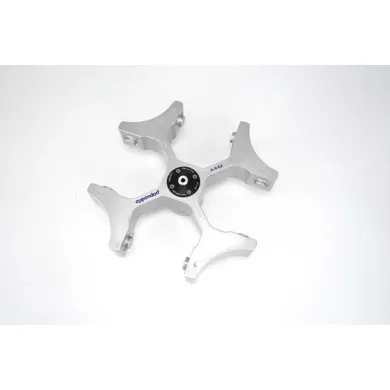
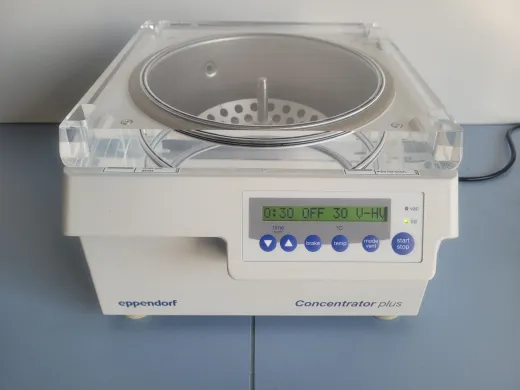
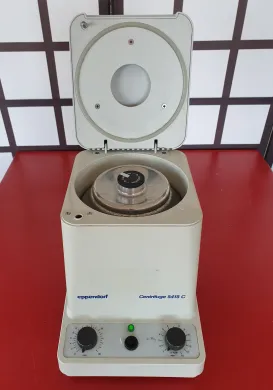
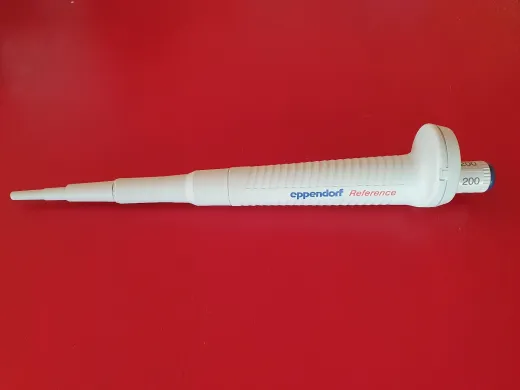
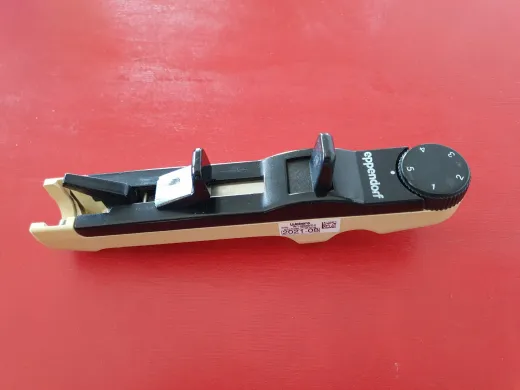
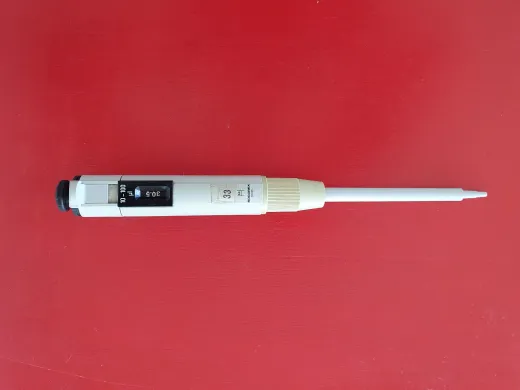
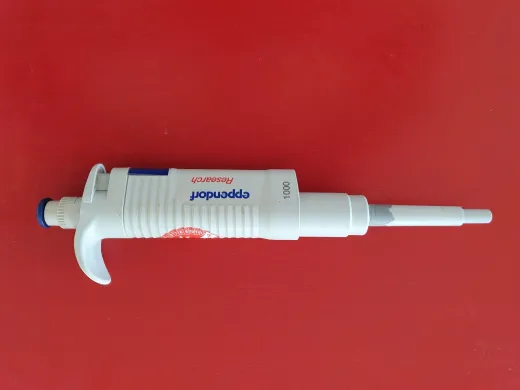
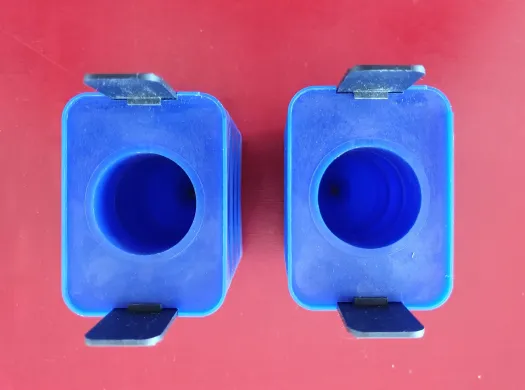
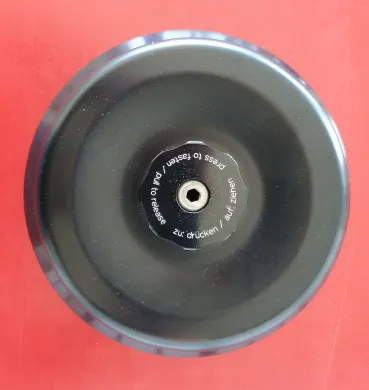
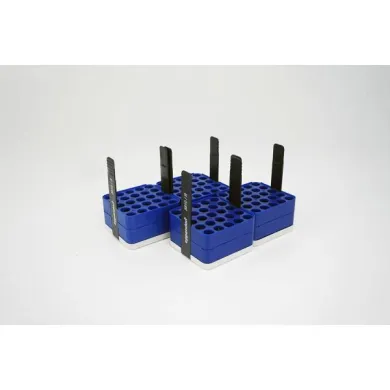
Rotor 14438 F45-30-11
- Category
- Centrifuge rotors or parts
- Brand
- Eppendorf
- Suppliers
- 1 verified
Not the exact instrument you need?
Tell our scientists what you are after. We track it down, including off-market supply.
Showing 1–40 of 1,069 listings
Show 40 more listingsBuying guide
Choosing an Eppendorf centrifuge
The first decision is which body matches the work, because the families do not overlap cleanly. If runs are single-tube spin-downs at high force, a 5424 or 5425 microcentrifuge is the fit; if the protocol needs microplates, conical tubes, or swing-bucket geometry, the 5804 or 5810 benchtop is the relevant line. Temperature control is a separate choice: only the R-suffixed models hold a cold set point, and paying for refrigeration a protocol never uses is wasted outlay.
On a used Eppendorf unit, the rotor and the drive are where wear concentrates. A rotor has a defined service life and a maximum cycle count, often stamped or logged, so a seller should be able to show the rotor model, its age, and whether it is within that life. Listen for bearing noise in any run record, check that the lid latch and imbalance cut-out function, and confirm the rotor on offer matches the body, since a 5804 rotor does not drop into a 5424 and vice versa. Ask whether the original rotor is included or sold separately, because the price bands split sharply on that point.
Price breaks down by what the listing actually contains. Entries near EUR 9 are accessories and bare rotors, not running instruments; a complete used benchtop sits well above that, and refrigerated high-speed bodies climb toward EUR 134.495. The compatibility trap worth naming is the rotor-to-body lock within Eppendorf's own range: adapters let one rotor take several tube sizes, but a rotor is tied to its drive family, so a cheap body paired with the wrong rotor becomes two incomplete purchases. On the Questpair catalogue, warranty is arranged in consultation for the specific listing, and parts can be sourced through the platform, so confirm rotor availability before committing to an older body.
Eppendorf centrifuge series carried here
Among the listings that specify a type, six forms recur: laboratory centrifuge, benchtop centrifuge, refrigerated benchtop centrifuge, high-speed centrifuge, microcentrifuge, and molecular biology centrifuge. The microcentrifuge slot is held by the 5424 and the newer 5425, single-tube-strip machines sized for a few 1.5 to 2 millilitre tubes, suited to spin-downs and nucleic acid prep. The benchtop and refrigerated-benchtop forms map to the 5804, 5810 and their R-suffixed cold variants, which take swing-bucket rotors for plates and conical tubes, so they fit a protein or cell-pelleting bench. Molecular biology work leans on the small refrigerated units where sample integrity depends on holding four degrees during a run. Each family carries its own rotor ecosystem, and the rotor rather than the drive often decides what a given unit can actually do.
Where the microcentrifuges and refrigerated benchtops diverge
The deciding specification shifts by family. A 5424-class microcentrifuge reaches roughly 21,000 times gravity in a fixed-angle rotor but holds only a small sample count, so it is a throughput-limited, speed-rich tool. The 5804 and 5810 benchtops trade top speed for capacity: swing-bucket rotors here accept microplates and large conical tubes, with maximum relative centrifugal force closer to the 3,000 to 20,000 range depending on the rotor fitted. Refrigeration is the second axis. The R-suffixed models add compressor cooling, typically holding a set point near four degrees through a long run, which matters for enzymes and live cells and is irrelevant for a quick pellet. A buyer choosing here is really choosing between speed per tube, bucket capacity, and whether the run needs temperature control, since no single Eppendorf body covers all three at once.
How condition and price break down for Eppendorf centrifuges
Pricing on this intersection stretches wide because the family spans palm-sized microcentrifuges and large refrigerated floor units. Prices range from EUR 9 to EUR 134.495, with an average around EUR 2.853. The low end covers bare rotors, lids and small accessories rather than complete instruments, while the ceiling reflects high-capacity refrigerated systems with multiple rotor sets. Condition is heavily weighted toward pre-owned stock: 93 percent of the listings are used. That mix means a buyer comparing two near-identical model numbers will more often be weighing two used units against each other than a used unit against new, so the rotor history and run hours matter as much as the headline model name.
Frequently asked questions
Which Eppendorf centrifuge series show up in this category?
The listings cluster around the 5424 and 5425 microcentrifuges, the 5804 and 5810 benchtop models, their R refrigerated variants, and the high-capacity 5920 R. Across the Questpair catalogue these cover microcentrifuges, benchtop units, refrigerated benchtop units, high-speed models and molecular biology configurations.
How do the 5424, 5804 and 5920 differ in practice?
They sit at different points on the speed-versus-capacity trade-off: the 5424 spins 1.5 and 2 mL tubes to around 21,000 g, the 5804 and 5810 take microtubes through 15 and 50 mL conicals and plates at lower g-force, and the 5920 R holds four 750 mL buckets or large plate loads for cell harvesting. The R suffix on any of them adds a temperature set point for heat-sensitive samples.
How much does a used Eppendorf centrifuge cost?
Listings range from EUR 9 to EUR 134.495, with the average at EUR 2.853. The low end is typically bare rotors and buckets listed on their own, while complete instruments and refrigerated high-capacity units sit at the upper end.
Are refurbished Eppendorf units available, and how do they compare to new?
Used and refurbished units appear in the catalogue and are listed at lower prices than new. Each listing carries its own condition note, so read that and check what rotor ships with the unit before comparing.
Which Eppendorf model fits which application?
Stay with a 5424 or 5425 microcentrifuge only if the work stays in 1.5 and 2 mL tubes for DNA or protein pelleting. Move to a 5804 or 5810 once 15 or 50 mL conicals or plates enter the protocol, and choose the 5920 R for large-volume cell culture or plate work. Pick the R refrigerated variant only when the sample is heat-sensitive.
What should I check before buying a used Eppendorf centrifuge?
Listen for noise or vibration at speed and confirm the unit reaches and holds its rated maximum, since the drive bearing and motor are the expensive failure points. Check the lid latch and safety interlock, and on R models confirm the compressor pulls the chamber to the set point and holds it. Ask whether the rotor comes with its age or use-cycle history, because a rotor has a defined service life.
Are Eppendorf rotors and parts interchangeable across the series?
No. Rotors are platform-specific, so a 5804 rotor does not fit a 5424, and an aerosol-tight lid is sold per rotor rather than per machine. Verify that the rotor, its lid and the adapters for your tube format are all included before treating a listing as complete. Replacement parts can be sourced via Questpair.
How does Eppendorf compare to other centrifuge brands in this category?
Within this catalogue the practical distinction is the tube format and whether cooling is needed, which the model number and rotor fitted answer directly rather than the brand name alone. The pairing holds 2509 listings through 20 verified suppliers and distributors across 8 countries, and 93 percent of those are used, so comparison often comes down to condition and the included rotor on a specific listing.