
IKA general laboratory equipment
We personally find you the right new, used and refurbished ika general laboratory equipment from verified suppliers.
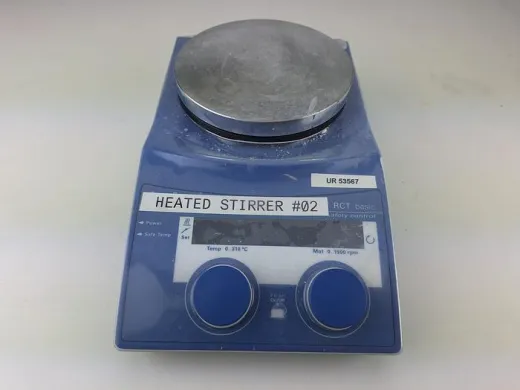
IKA general laboratory equipment on Questpair centres on the mixing and agitation lines this maker built its name on: the RET and RCT magnetic stirrer series, the EUROSTAR overhead stirrers, and the KS and MS orbital shakers. Among the listings that specify a type, the spine runs through laboratory mixers, stirrers of both the magnetic and overhead kind, and orbital shakers, so a buyer here is almost always matching a drive and a vessel rather than a complete instrument. The Questpair catalogue holds 1225 such listings from 16 verified suppliers and distributors across 7 countries. That breadth means the same model often appears in several states and configurations at once.
Updated:
IKA General laboratory equipment product list


Not the exact instrument you need?
Tell our scientists what you are after. We track it down, including off-market supply.
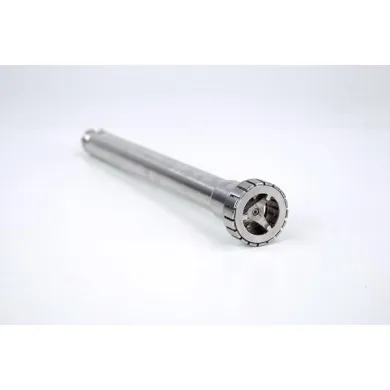
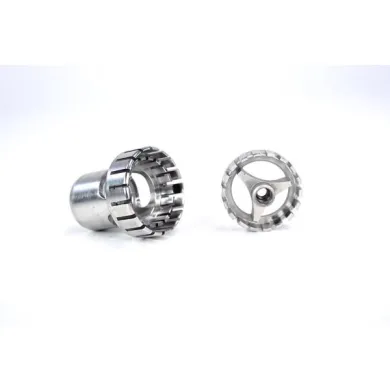
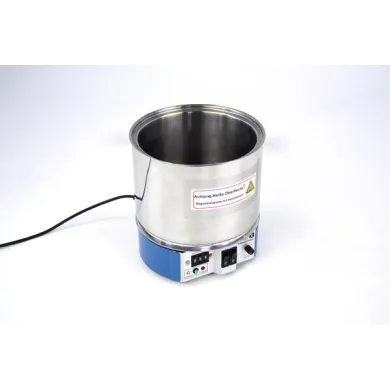
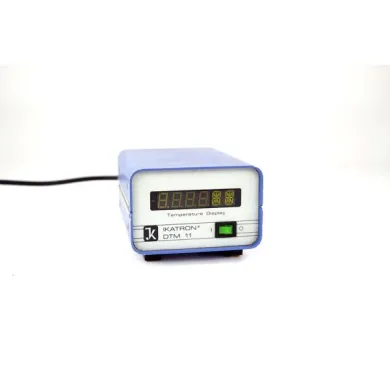
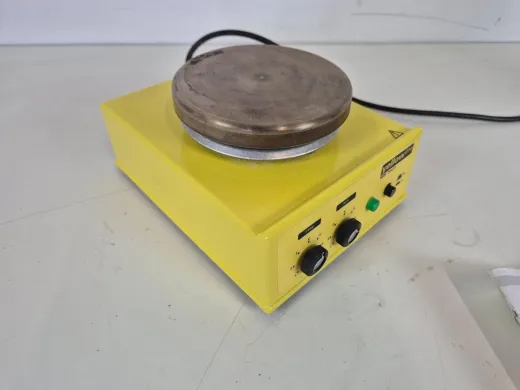
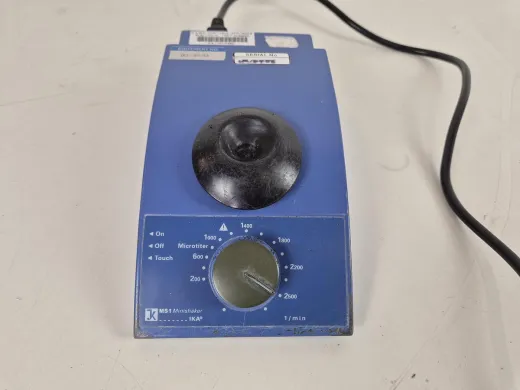
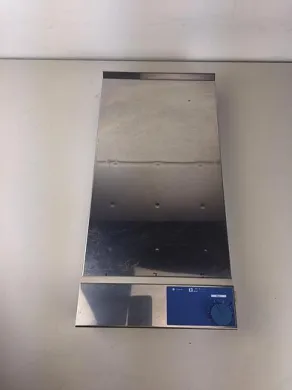
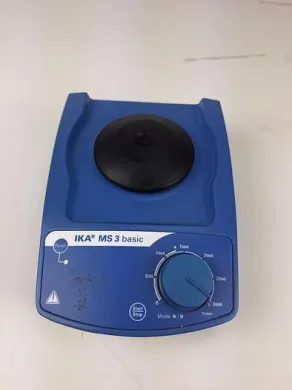
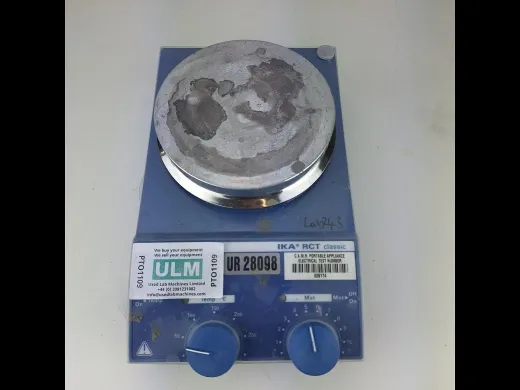
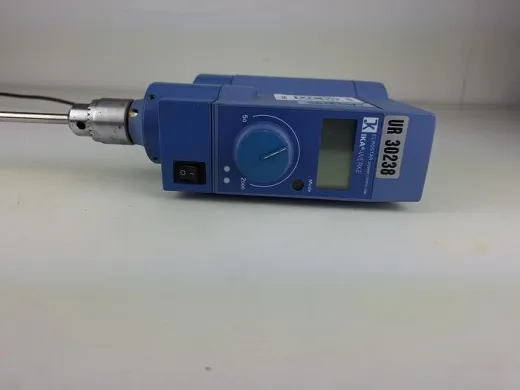
Not the exact instrument you need?
Tell our scientists what you are after. We track it down, including off-market supply.
Showing 1–40 of 689 listings
Show 40 more listingsBuying guide
Choosing an IKA general laboratory equipment
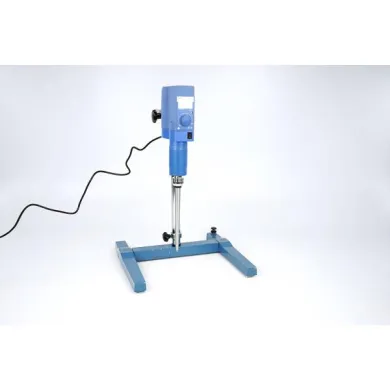
The first decision is which family fits the work, because the deciding specification differs between them. If the medium is thin and the vessel small, a magnetic stirrer from the RCT or RET line is enough, and the figure to check is the maximum stirring volume against your largest batch, followed by the hotplate temperature ceiling if you need heat. If the medium is viscous or the vessel runs past a few litres, a magnetic bar will slip and an overhead EUROSTAR drive is the right class, chosen on rated torque and whether the head holds speed under load rather than on top speed alone.
On a used IKA unit the wear is mechanical and electrical rather than cosmetic. For overhead drives, check the chuck and bearing for play and listen for a motor that labours at low speed, since the gearing and brushes are what age first. For magnetic stirrers, the hotplate's temperature accuracy drifts over years of use, so a seller should be able to show that a probe-controlled unit still tracks its setpoint. For shakers, the eccentric drive and platform mounts carry the load and are the parts that loosen. Ask what the unit was last used for, because continuous high-torque or high-temperature duty shortens the service life of these components.
The price band is wide because a listing may be a head alone or a complete assembly. A low figure often means no stand, no probe, and no vessel clamp, so confirm what is included before comparing two numbers. The compatibility trap inside IKA's own range is the accessory fit: a temperature probe, a support stand, or an H-series boss head is keyed to specific model generations, and a probe from one RET generation does not always read correctly on another. Confirm the exact model and firmware generation with the supplier so that any probe, stand, or clamp you add actually mates with the drive.
IKA stirrer and shaker series in this category
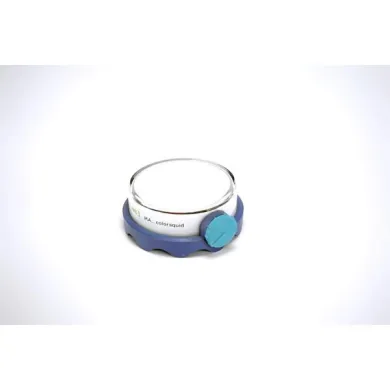
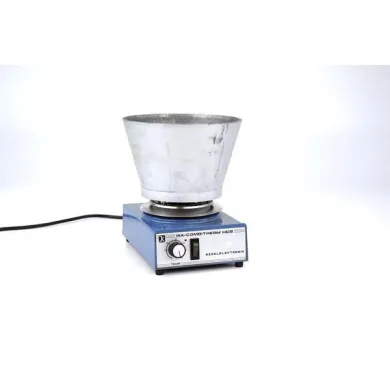
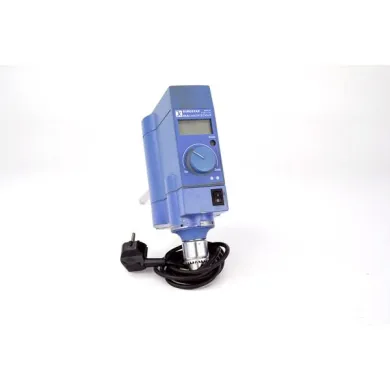
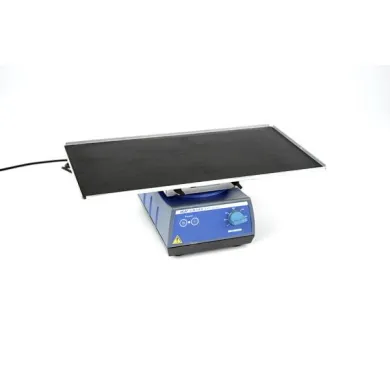
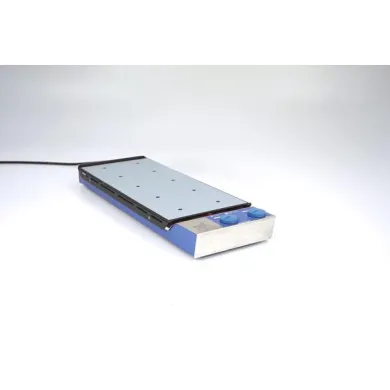
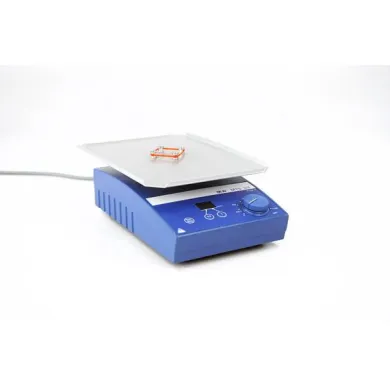
The listings cluster around a handful of families, and among the listings that specify a type they fall into laboratory mixers, magnetic stirrers, overhead stirrers, and orbital shakers. The magnetic stirrer side is carried by the RCT and RET control lines, with the RET control-visc reaching into higher-torque work and the C-MAG range covering simpler hotplate stirring. For overhead agitation the EUROSTAR series dominates, sized from light bench duty up to the higher-torque digital heads that drive viscous media. Orbital and reciprocating motion comes from the KS and MS shaker lines, the former built around orbital platforms and the latter around compact microplate and vial mixing. Placed into their types: magnetic stirrers hold the RCT, RET and C-MAG; overhead stirrers hold the EUROSTAR; shakers hold the KS and MS. Each family suits a different scale of work, from a single flask on a hotplate to a multi-litre vessel under a clamped overhead drive.
Where the EUROSTAR and RET lines diverge
The deciding parameter changes with the family. For the EUROSTAR overhead drives, torque and maximum stirring volume separate the models: the lighter heads handle a few litres of low-viscosity liquid, while the digital high-torque units push into tens of litres and viscosities where a magnetic bar would simply stall. Speed range and whether the head holds its set speed under load are the figures to weigh here. For the RCT and RET magnetic stirrers, the split is between stirring volume, hotplate temperature ceiling, and whether the unit carries a temperature probe port for closed-loop control. The RET control-visc adds viscosity trend monitoring, which matters for reaction work rather than routine dissolution. On the shaker side, the KS and MS families diverge on orbit diameter and platform load, so a buyer running flasks wants a wider orbit and a higher payload than one agitating microplates. Reading across the brand's own range, the rule holds that overhead drives are chosen on torque and volume, magnetic stirrers on temperature and probe capability, and shakers on orbit and load.
How price and condition break down
Prices run from EUR 27 to EUR 22.248. That band covers a bare magnetic stirrer at one end and a fully configured overhead or reactor-grade drive at the other, with the average landing at EUR 1.126. The spread reflects how much of an instrument a listing includes, since a stirrer head, a support stand, and a temperature probe are often sold separately. 77 percent of the listings are used. The condition mix therefore leans toward previously owned units, which is where the lower half of the price band tends to sit.
Frequently asked questions
Which IKA lab equipment series are listed here?
The listings centre on the RCT and RET magnetic stirrer lines, the C-MAG hotplate stirrers, the EUROSTAR overhead stirrers, and the KS and MS orbital and reciprocating shakers. Across types these fall into laboratory mixers, magnetic stirrers, overhead stirrers, and orbital shakers.
What's the difference between these series?
The RCT, RET and C-MAG are magnetic stirrers chosen on stirring volume, hotplate temperature ceiling and probe capability. The EUROSTAR units are overhead drives chosen on torque and maximum volume, while the KS and MS shakers differ on orbit diameter and platform load.
How much does a used IKA stirrer or shaker cost?
Across the brand the listings range from EUR 27 to EUR 22.248, with an average of EUR 1.126. Used and refurbished units sit at lower prices than new, and the figure also depends on whether a stand, probe or clamp is included.
Are refurbished IKA units available?
Yes, both used and refurbished units appear in the catalogue, priced below new. Of the listings here 77 percent are used, so the lower half of the price band is well populated.
Which model do I need for my application?
For thin media in small vessels, an RCT or RET magnetic stirrer is enough, matched on maximum stirring volume and hotplate temperature. For viscous media or vessels past a few litres, a EUROSTAR overhead drive chosen on rated torque fits, and for flask or microplate agitation a KS or MS shaker suits depending on orbit and payload.
What should I check before buying a used IKA unit?
On overhead drives, check the chuck and bearing for play and listen for a motor labouring at low speed. On magnetic stirrers, confirm the hotplate still tracks its setpoint, and on shakers inspect the eccentric drive and platform mounts for looseness. Ask what the unit was last used for, since continuous high-torque or high-temperature duty shortens component life.
Are parts, probes and stands interchangeable across the series?
Not reliably. A temperature probe, support stand or H-series boss head is keyed to specific model generations, and a probe from one RET generation does not always read correctly on another. Confirm the exact model and firmware generation with the supplier before adding any accessory, and parts can be sourced via Questpair.
How does IKA compare to other brands in this category?
The distinction is in how IKA splits its range by deciding parameter: overhead drives on torque and volume, magnetic stirrers on temperature and probe control, shakers on orbit and load. Other makers in this category cover the same functions, so comparison comes down to matching a specific model's rated torque, temperature ceiling or payload against your batch rather than brand alone.