
IKA laboratory equipment
We personally find you the right new, used and refurbished ika laboratory equipment from verified suppliers.
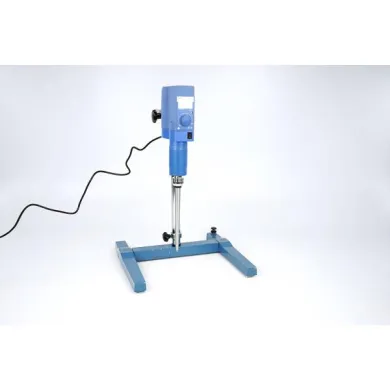
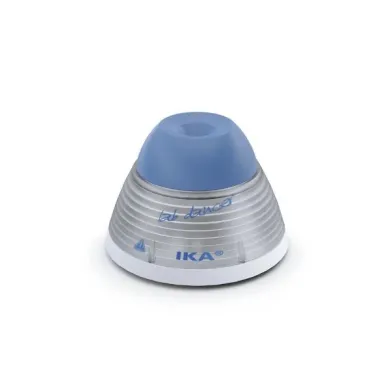
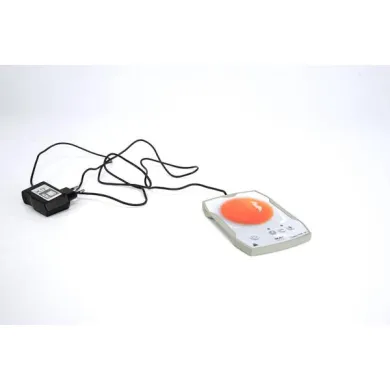
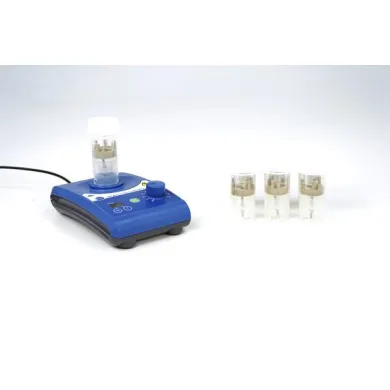
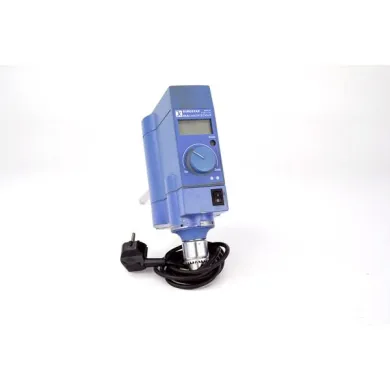
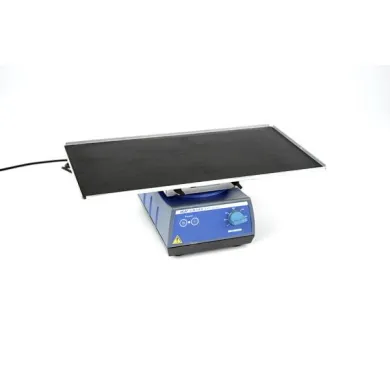
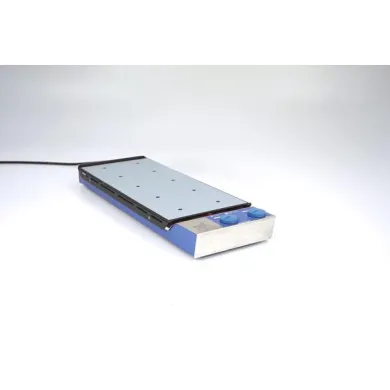
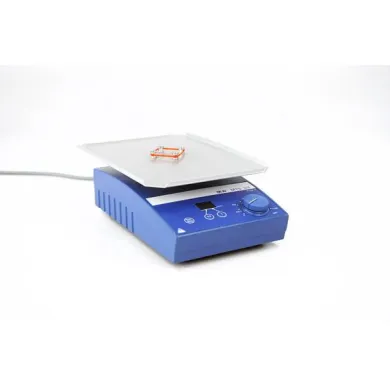
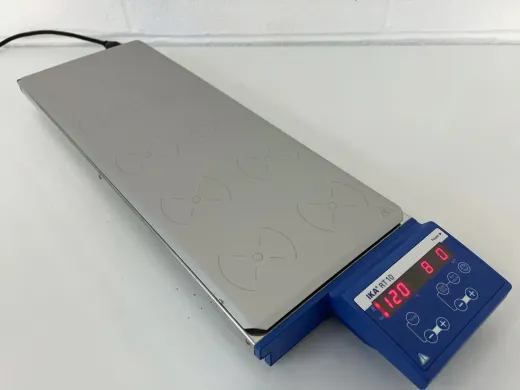
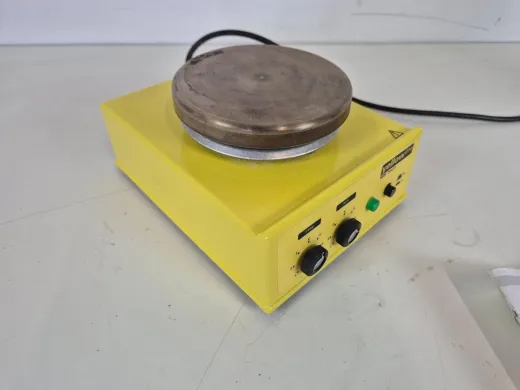
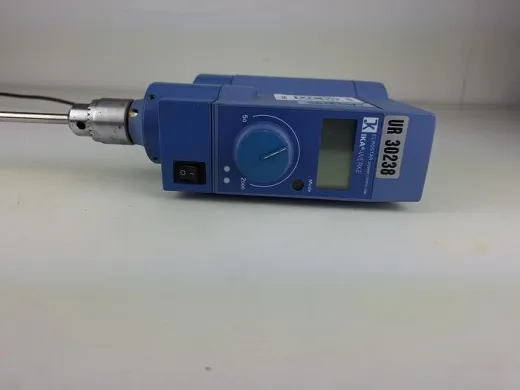
IKA laboratory equipment on Questpair runs to the firm's mixing and agitation lines: the RW overhead stirrer range, the RCT and C-MAG magnetic stirrer series, the KS and MS orbital shaker families, and the Ultra-Turrax dispersers that carry the brand's name in homogenisation work. These are the instruments that move, blend and suspend a sample rather than measure it, and they make up the bulk of what the brand lists here. The Questpair catalogue holds 1295 of them across 16 verified suppliers and distributors in 7 countries. Among the listings that specify a type, the spine is laboratory mixers and stirrers, magnetic stirrers and orbital shakers, so a buyer arriving here is usually choosing an agitation unit rather than a process reactor or a mill.
Updated:
IKA Laboratory equipment product list


Not the exact instrument you need?
Tell our scientists what you are after. We track it down, including off-market supply.
Not the exact instrument you need?
Tell our scientists what you are after. We track it down, including off-market supply.
Showing 1–40 of 747 listings
Show 40 more listingsBuying guide
Choosing an IKA laboratory mixer
The first decision is the action, because an IKA magnetic stirrer, overhead stirrer and disperser are not interchangeable even within one brand. Match the medium to the drive: a magnetic stirrer handles water-thin to lightly viscous liquids and nothing a stir bar cannot turn, an RW overhead stirrer takes over once viscosity rises toward pastes and resins, and an Ultra-Turrax is the only one of the three that reduces particle size rather than just circulating the batch. Decide which of those your protocol needs before comparing models, because a cheaper unit from the wrong group will not do the job at any price.
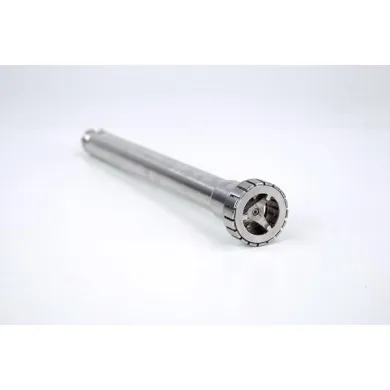
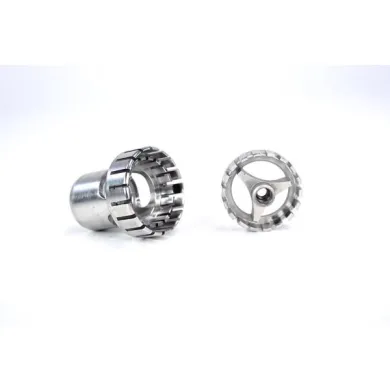
On a used IKA unit, the wear is mechanical and electrical rather than optical. On overhead stirrers, check the motor bearings and the chuck for play, since both carry the load on viscous runs. On magnetic hotplates, the ceramic or aluminium plate surface and the heating element are the parts that degrade, so ask whether the plate reaches and holds its rated temperature. On dispersers, the dispersing tool itself is a consumable: the rotor-stator gap widens with use and blunts the particle reduction, so confirm whether the tool is included and what state it is in. A seller should be able to show the unit powering up and holding speed.
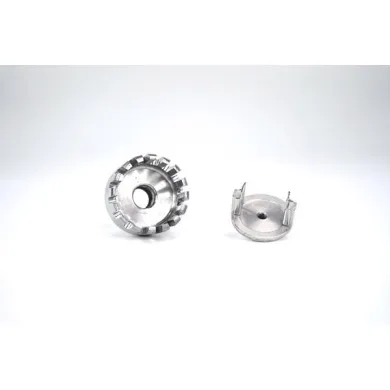
The price band splits cleanly by group. Bare stirrers and hotplates sit near EUR 27; complete overhead and disperser systems with controllers and tools reach toward EUR 46.182. Within IKA, watch the dispersing-tool fit: Ultra-Turrax drive units and tubes are sized in matched pairs, and a tool from one generation does not always seat in another drive. Confirm the drive and tool are a matched set before buying either on its own.
IKA stirrer, shaker and disperser series
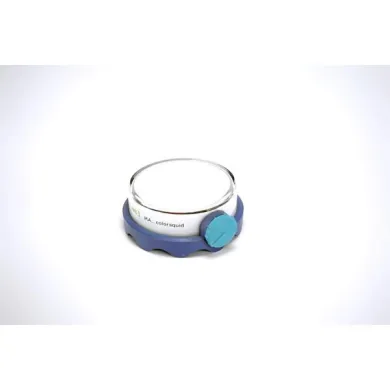
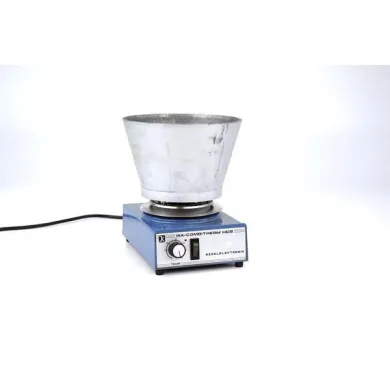
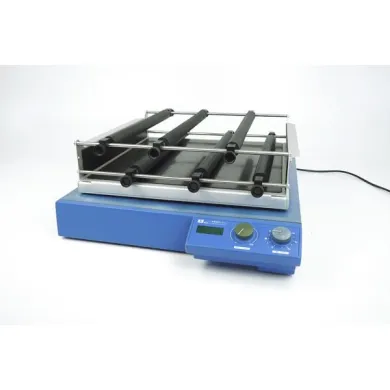
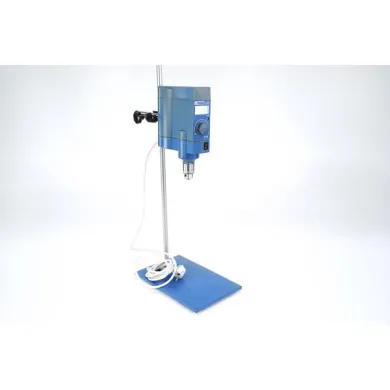
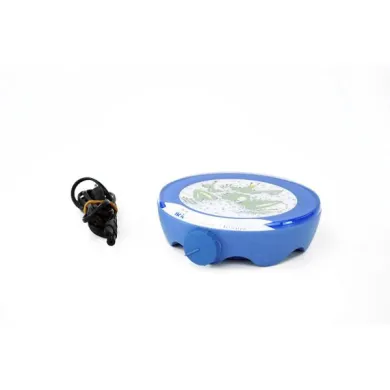
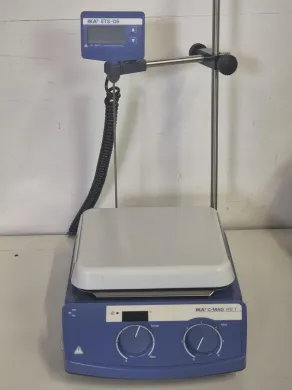
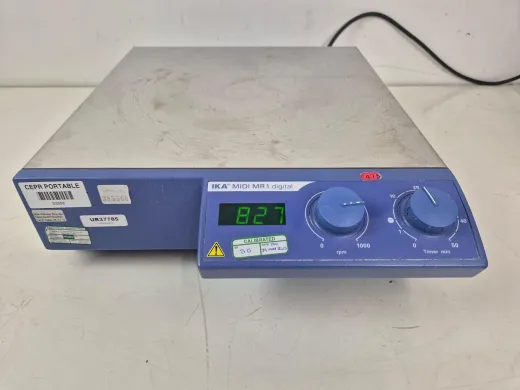
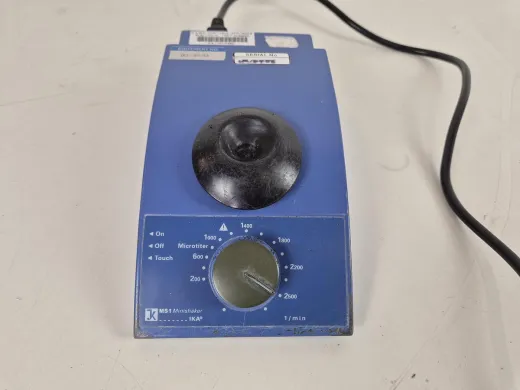
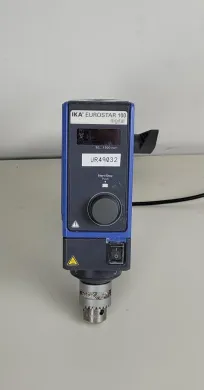
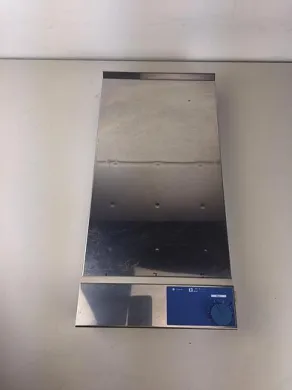
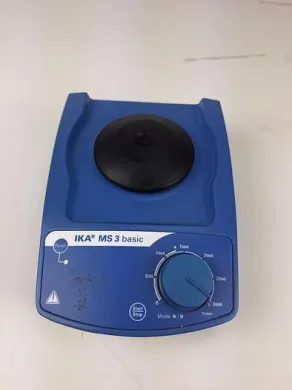
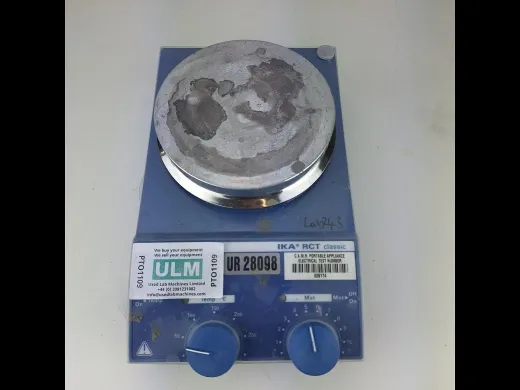
Among the listings that specify a type, the catalogue groups into laboratory mixers and stirrers, magnetic stirrers, orbital and overhead stirrers, and laboratory shakers, and each IKA line sits in one of those. The RCT and C-MAG lines are magnetic stirrers, the heated RCT basic and the ceramic-plate C-MAG covering the small-volume end. The RW line is the overhead stirrer family, built for viscous media and larger vessels that a magnetic bar cannot turn. The KS, MS and HS lines are shakers, the KS and HS running an orbital motion for culture flasks and staining trays, the MS covering vortex and microplate work. The Ultra-Turrax T-series are the dispersers, used to homogenise and emulsify where a stirrer only blends. A buyer picks the group first by the action the sample needs, then the series by scale.
Where the RW, RCT and Ultra-Turrax lines diverge
The deciding specification changes with the group, which is why these lines do not substitute for one another. Among the magnetic stirrers, the separator is plate temperature and stir volume: an RCT basic heats to around 310 degrees C and turns a few litres of water-thin liquid, while the unheated plates trade that range for a lower price. The RW overhead stirrers separate on torque and viscosity: a small RW model drives a few litres of low-viscosity fluid, the larger RW units carry enough torque for pastes and high-viscosity resins that stall a magnetic bar entirely, so viscosity is the number to match, not volume alone. The Ultra-Turrax dispersers separate on tip diameter and peripheral speed, which set the particle size they can reduce a sample to and the batch volume they suit, from a few millilitres on a fine dispersing tool up to several litres on a larger head. For routine mixing the magnetic stirrers are enough; viscosity above water pushes you to overhead, and particle reduction pushes you to a disperser.
What a used IKA mixer costs here
Listings run from EUR 27 to EUR 46.182, with an average around EUR 1.689. The low end is bare magnetic stirrers and hotplates; the high end is overhead-stirrer and disperser systems with controllers and accessories. 74 percent of the listings are used.
Frequently asked questions
Which IKA stirrer and mixer series are sold here?
The listings cover the RCT and RET magnetic stirrers, the Eurostar and RW overhead drives, the Ultra-Turrax dispersing and homogenising line, and the KS and MS orbital and reciprocating shakers. These map onto the type categories in the catalogue: laboratory mixers, laboratory stirrers, magnetic stirrers, orbital shakers, overhead stirrers and laboratory shakers.
What is the difference between a magnetic stirrer and an overhead stirrer from IKA?
A magnetic stirrer like the RCT turns a stir bar through a magnetic field, so it works only while that field can keep the bar coupled, which fails past roughly a litre or in viscous or particle-laden fluid. An overhead drive such as a Eurostar or RW turns a shaft and impeller directly, so it keeps working at higher volume and viscosity where the bar would decouple.
How much does a used IKA stirrer cost?
Across all IKA equipment here prices range from EUR 27 to EUR 46.182, with an average of EUR 1.689. Used and refurbished units are listed below new ones, and the bottom of the band is held by bench magnetic stirrers and entry shakers rather than the process-scale drives.
Are refurbished IKA units available, and are they different from used ones?
Yes, refurbished and used IKA units both appear in the catalogue, listed at lower prices than new. The condition and what each listing includes vary unit by unit, so read the individual listing for the state of the heater, bearing or dispersing element rather than assuming a condition label alone tells you the full picture.
Which IKA model should I pick for a viscous or high-volume sample?
For anything above roughly a litre or any viscous or particle-laden medium, an overhead drive is the right family, and the figure to read is the quoted viscosity limit in mPa·s against the speed curve. A basic RW turns thin solvents but stalls in a slurry, while a digital Eurostar power control holds its set speed as load rises, which is the specification that separates them.
What should I check before buying a used IKA overhead stirrer?
The bearing and the chuck take the load, so confirm the shaft runs true with no lateral play and the chuck grips without slipping. Also check whether the listing includes the stand and the correct shaft and impeller, since these are often sold separately.
What goes wrong on an older RCT magnetic stirrer?
The heating plate and the drive magnet are the ageing components, and a tired heater is common on older RCT plates. Ask whether the plate reaches and holds its set temperature before buying.
Are shafts, rotors and stands interchangeable across IKA series?
Compatibility sits mostly within IKA's own range rather than across brands: an overhead drive, its stand, the boss-head clamp and the matching shaft and impeller are frequently separate items, and an Ultra-Turrax dispersing drive needs the correct tube generation to work. Confirm a listing bundles the tooling before comparing it on price with one that does not.
How does IKA compare to other stirrer and mixer brands?
The decision between IKA families and other makers rests on torque or shear against the thickest medium you run, not on brand name. What distinguishes the IKA range here is the span, from magnetic bench plates through geared and electronically governed overhead drives up to rotor-stator dispersing units, so a single brand covers the full torque range rather than one class.