
Thermo Fisher Scientific laboratory equipment
We personally find you the right new, used and refurbished thermo fisher scientific laboratory equipment from verified suppliers.
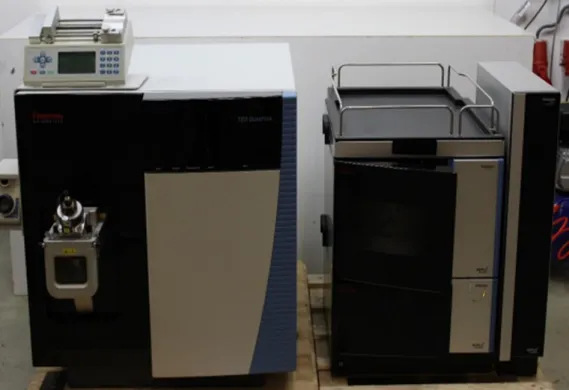
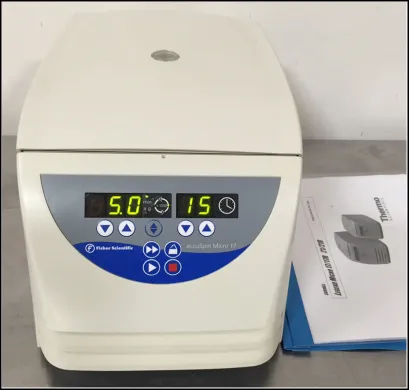
Thermo Fisher Scientific laboratory equipment on Questpair centres on temperature-controlled and sample-preparation hardware: Heratherm and Heracell incubators, Forma ultra-low freezers, and the Sorvall and Heraeus centrifuge families. Among the listings that specify a type, the spine is cell culture incubators, CO2 incubators, laboratory freezers, and both benchtop and floor-standing centrifuges, almost all under the Thermo Scientific label.
The Questpair catalogue holds 9624 listings of this hardware from 24 verified suppliers and distributors across 20 countries. Prices run from EUR 1 to EUR 533.942. That spread, from a single consumable to a complete ultra-low storage unit, is wider than any single device explains, and the series below sit at very different points along it.
Updated:
Thermo Fisher Scientific Laboratory equipment product list


Not the exact instrument you need?
Tell our scientists what you are after. We track it down, including off-market supply.
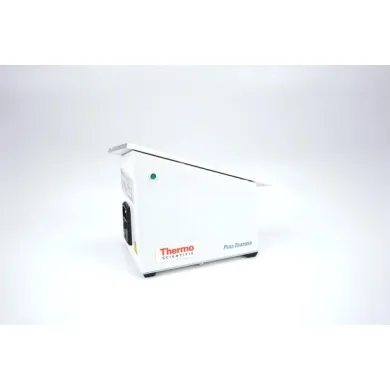
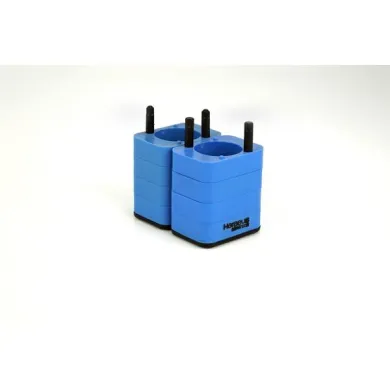
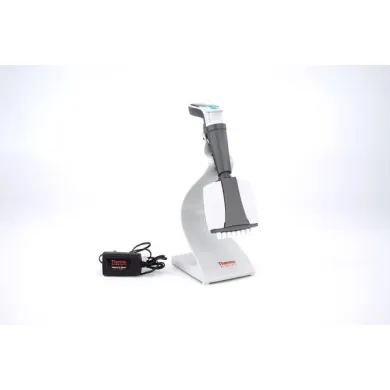
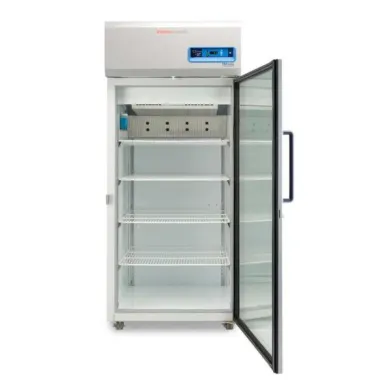
Not the exact instrument you need?
Tell our scientists what you are after. We track it down, including off-market supply.
Showing 1–40 of 4,479 listings
Show 40 more listingsBuying guide
Choosing a Thermo Fisher Scientific laboratory equipment
Because this maker spans incubation, cold storage and centrifugation under one name, the first decision is which family you are actually buying into, since nothing transfers between them. Inside the Heracell CO2 line, match chamber volume to your throughput and check the decontamination route, as a high-temperature cycle and a copper chamber are serviced and validated differently. For Forma and TSX ultra-low freezers, the deciding figure is usable volume against your rack system, not nominal litres, and the compressor type governs recovery after a door opening. On Sorvall and Multifuge units, the rotor is the real purchase: confirm which rotors are included and their maximum rated speed, because a centrifuge body without the rotor you need is an incomplete instrument.
On a used unit, the wear points are specific. For centrifuges, ask what the seller can show on rotor hours and any speed derating, since a rotor has a defined fatigue life and is the component that ages. For CO2 incubators, the CO2 sensor and the door gasket are the parts that drift and perish, so recent calibration data and a sound seal matter more than cosmetic condition. For ultra-low freezers, ask after compressor hours and whether the unit holds minus 80 without excessive cycling. Parts for these families can be sourced via Questpair if a component needs replacing.
Price tracks family and completeness rather than age alone, which explains the width of the band: a bare refrigerator and a fully rotor-equipped high-speed centrifuge sit far apart. The compatibility trap worth naming is within this maker's own range, where rotor-to-body fit and rack-to-chamber fit are specific to the model and generation, so confirm the exact part numbers against the unit before you commit.
Heratherm, Heracell, Forma and Sorvall: the series that show up
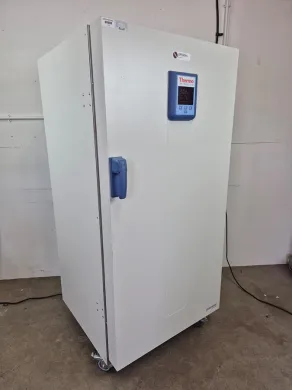
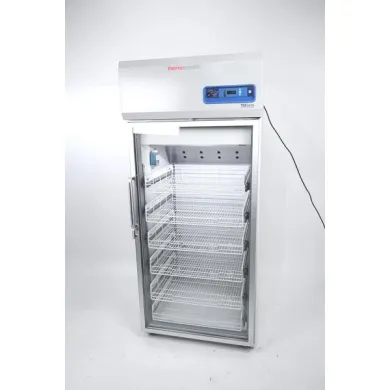
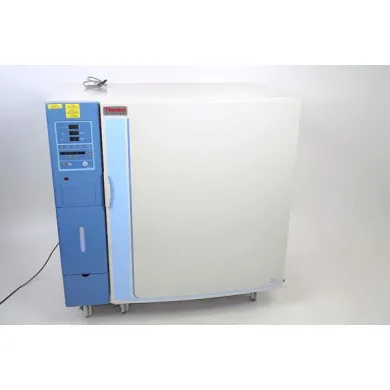
Among the listings that specify a type, four families account for most of what sits under this maker's name. The Heratherm line covers general laboratory incubators, both gravity and mechanical convection, aimed at routine drying, warming and microbiology work. Heracell is the CO2 incubator family for cell and tissue culture, where atmosphere control rather than temperature alone is the point. Cold storage splits between Forma and TSX ultra-low freezers at minus 80 and the Forma and TSG lab and chromatography refrigerators higher up the range. On the separation side, Sorvall and the older Heraeus Multifuge and Megafuge names carry the benchtop and floor-standing centrifuges. Each family maps onto one of the types above, so a listing's series usually tells you what kind of work it was built for before you read the specification.
Where the incubators and the centrifuges actually diverge
The deciding specification differs by family, which is why these cannot be ranked against each other. Within the Heracell CO2 line the questions are chamber size, typically 160 or 240 litre, and the sterilisation method: high-temperature decontamination at 180 degrees C versus copper-lined chambers. Heratherm units separate on convection type, gravity for gentle work and mechanical for faster, more uniform recovery, and on temperature ceiling, commonly to 250 or 330 degrees C. Forma and TSX ultra-low freezers divide on cabinet volume, roughly 300 to 950 litre, and on whether the refrigeration is cascade or a variable-speed compressor, which decides pull-down time and energy draw. Sorvall and Multifuge centrifuges separate on maximum relative centrifugal force and on rotor type: a swing-out head for plates and tubes against a fixed-angle head for pelleting, with top speeds that run from a few thousand rpm on general benchtop units into the tens of thousands on high-speed floor models. The parameter that matters is the one tied to the work, so a culture lab weighs chamber atmosphere while a prep lab weighs force and rotor fit.
How condition and price break down across the listings
98 percent of the listings are used. Prices run from EUR 1 to EUR 533.942. The average sits at EUR 3.913. That range covers a great deal of ground, because a loose accessory or consumable and a complete minus 80 freezer are both counted here, and the two belong to different purchasing decisions entirely. Used and refurbished units carry lower prices than new stock, which is the one difference the catalogue data supports directly. Where a warranty matters on a given unit, it is arranged in consultation for that specific listing rather than set across the catalogue.
Frequently asked questions
Which equipment series does Thermo Fisher Scientific make that show up here?
The listings centre on four families: Heratherm general laboratory incubators, Heracell CO2 incubators for cell and tissue culture, Forma and TSX ultra-low freezers for cold storage, and Sorvall along with the older Heraeus Multifuge and Megafuge centrifuges. Each series maps onto a single kind of work, so the series name usually tells you the application before you read the specification.
How do these series differ from each other?
They cover separate functions and cannot be ranked against one another: Heratherm handles drying and warming, Heracell controls culture atmosphere, Forma and TSX hold samples at minus 80, and Sorvall and Multifuge units separate samples by force. The deciding specification therefore shifts by family, chamber atmosphere for a CO2 incubator against relative centrifugal force and rotor type for a centrifuge.
How much does a used Thermo Fisher Scientific unit cost?
Across the brand catalogue prices range from EUR 1 to EUR 533.942, with the average at EUR 3.913. That band is wide because a loose consumable and a complete ultra-low freezer are both counted, so the figure tracks which family and how complete the unit is rather than its age alone.
Are refurbished units available, and how do they compare on price?
Yes, 98 percent of the listings are used, and used and refurbished units are listed below new stock. Price is the one comparison the catalogue data supports directly; where a warranty matters on a given unit, it is arranged in consultation for that specific listing.
Which model suits which application?
For cell and tissue culture choose a Heracell CO2 incubator and match chamber volume, usually 160 or 240 litre, to your throughput. For drying and microbiology a Heratherm incubator fits; for minus 80 storage a Forma or TSX freezer; and for sample preparation a Sorvall or Multifuge centrifuge, benchtop for routine work and floor-standing for high-speed pelleting.
What should I check before buying a used one?
The wear points differ by family: for centrifuges ask about rotor hours and any speed derating, since the rotor has a defined fatigue life; for CO2 incubators ask after CO2 sensor calibration and door gasket condition; for ultra-low freezers ask about compressor hours and whether the unit holds minus 80 without excessive cycling. Recent calibration data matters more than cosmetic condition.
Are parts and rotors interchangeable across the series?
No. Nothing transfers between the incubation, cold storage and centrifugation families, and even within the centrifuge range rotor-to-body fit and rack-to-chamber fit are specific to the model and generation. Confirm exact part numbers against the unit before you commit; parts can be sourced via Questpair if a component needs replacing.
How does Thermo Fisher Scientific compare to other makers in this category?
What separates this maker on Questpair is that incubation, cold storage and centrifugation sit under one name across the Heratherm, Heracell, Forma, TSX, Sorvall and Multifuge series, so a buyer can match several device types to one labelling scheme. Any direct comparison depends on the specific type you need, since the deciding specification is chamber atmosphere for an incubator, usable volume and compressor type for a freezer, and relative centrifugal force and rotor fit for a centrifuge.