
Thermo Fisher Scientific analytical instruments
We personally find you the right new, used and refurbished thermo fisher scientific analytical instruments from verified suppliers.
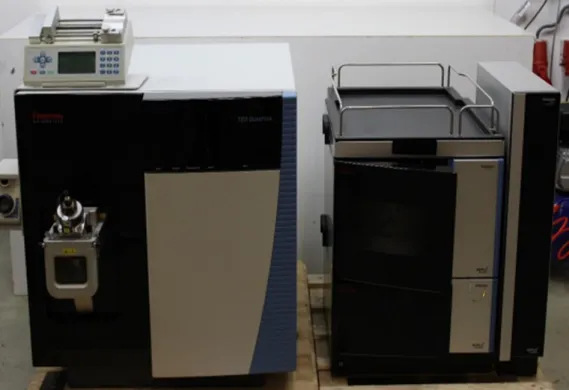
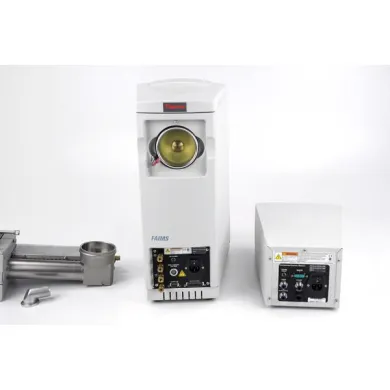
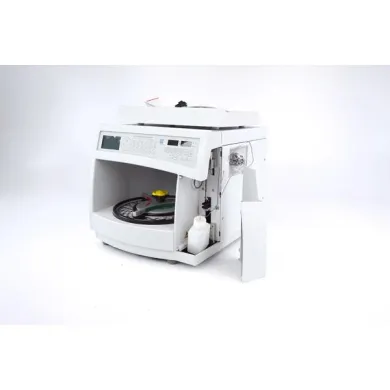
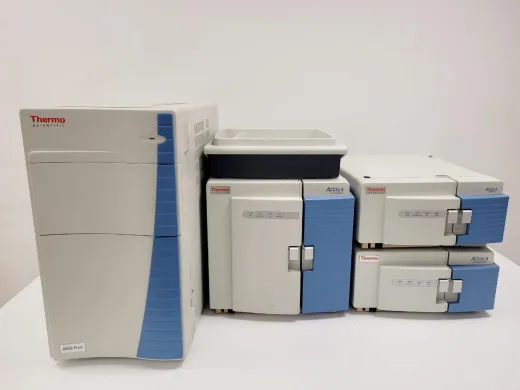
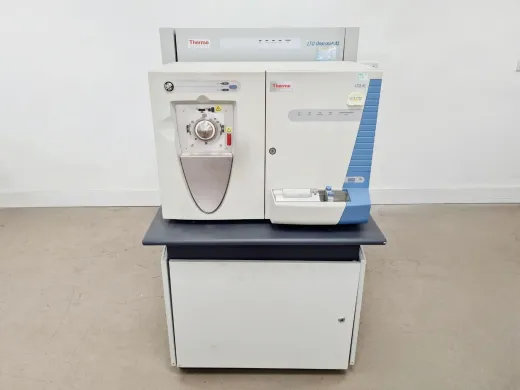
Thermo Fisher Scientific analytical instruments on Questpair centre on ICP-MS platforms, high-resolution mass spectrometers and the accessories that keep them running, drawn from the Thermo Scientific line and its Applied Biosystems siblings. The intersection currently holds 1676 items from 19 verified suppliers and distributors across 16 countries, a figure no brand or category page alone shows. Among the listings that specify a type, the spine is split between whole analysers and the parts around them: ICP-MS accessories and components, autosamplers, benchtop pH meters and mass spectrometry accessories. That mix matters, because buyers here are as often completing an existing bench as acquiring a new analyser outright.
Updated:
Thermo Fisher Scientific Analytical instruments product list


Not the exact instrument you need?
Tell our scientists what you are after. We track it down, including off-market supply.
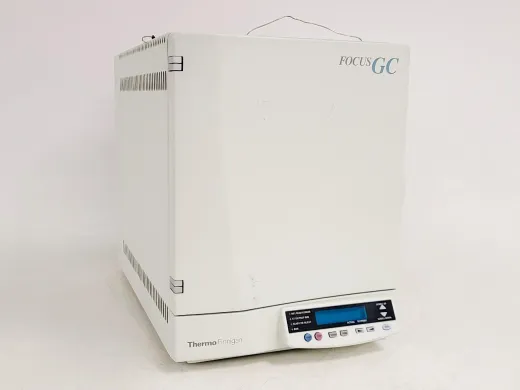
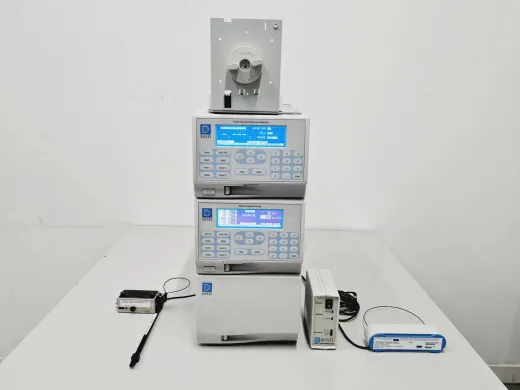
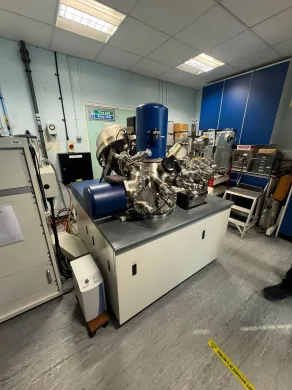
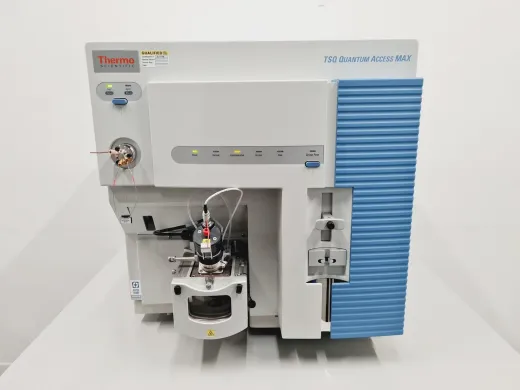
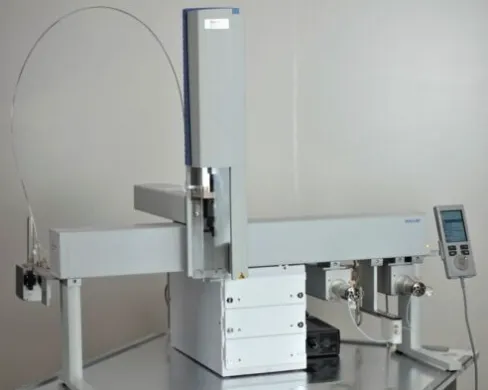
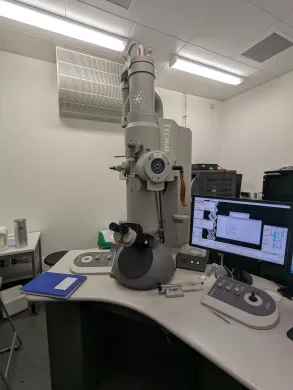
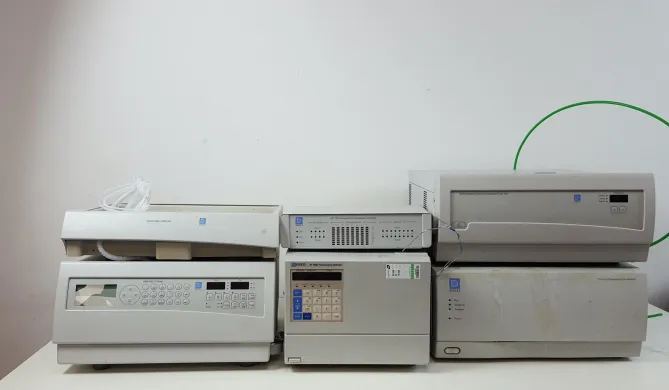
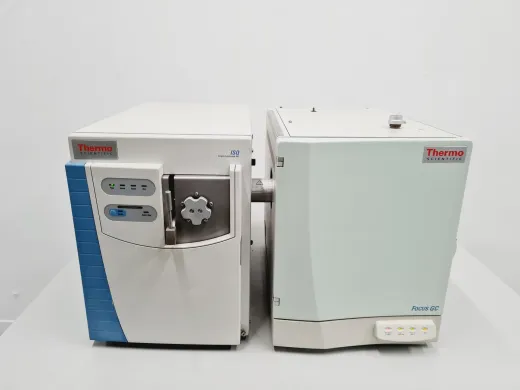
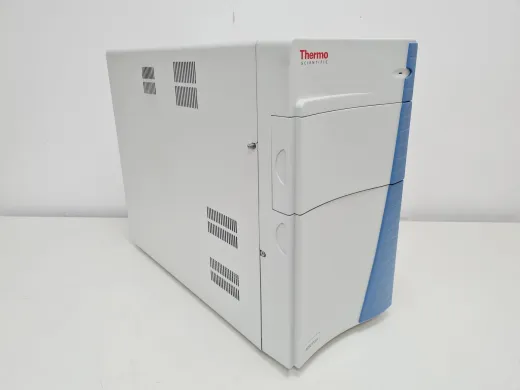
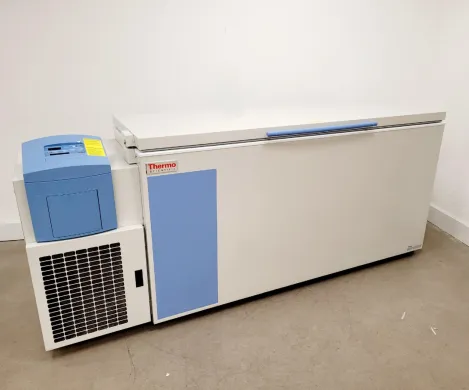
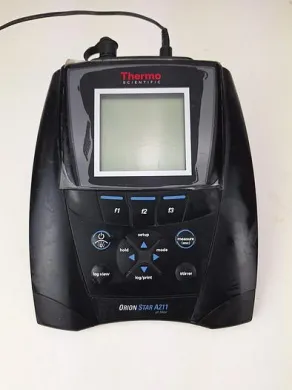
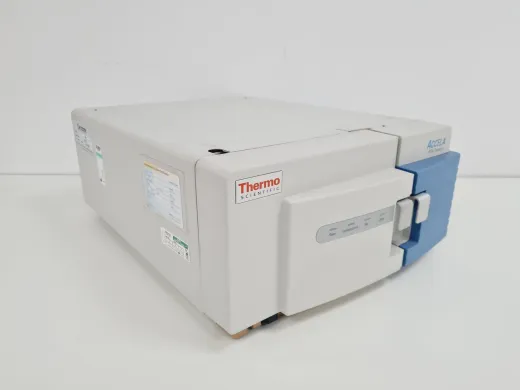
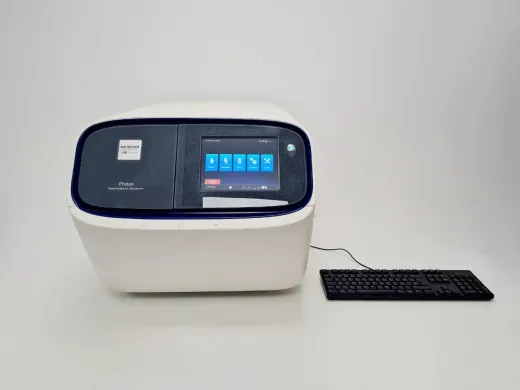
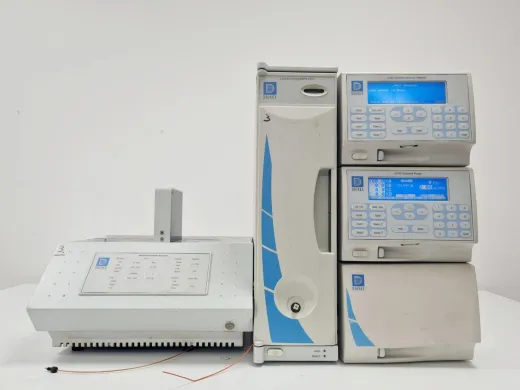
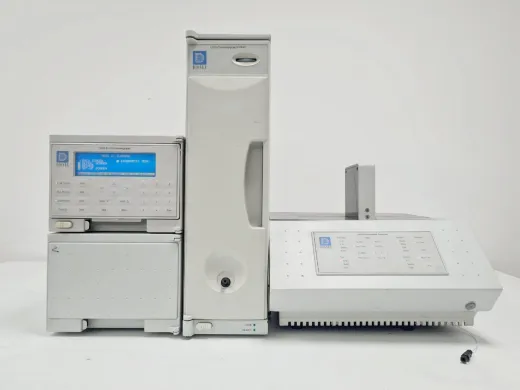
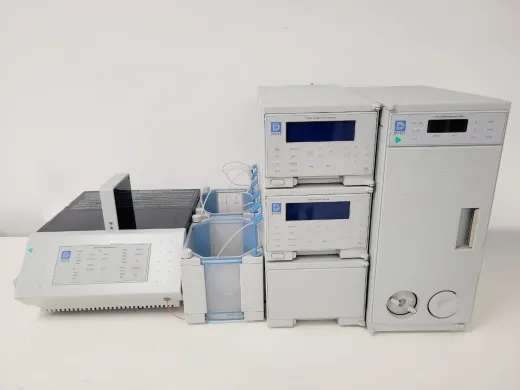
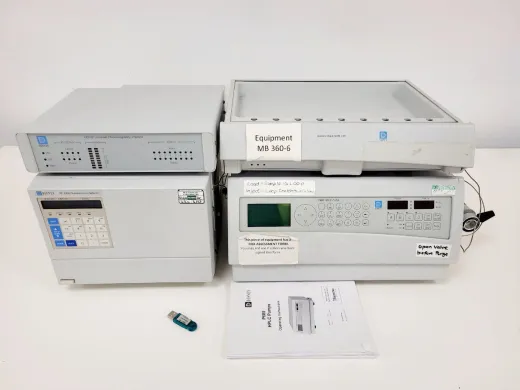
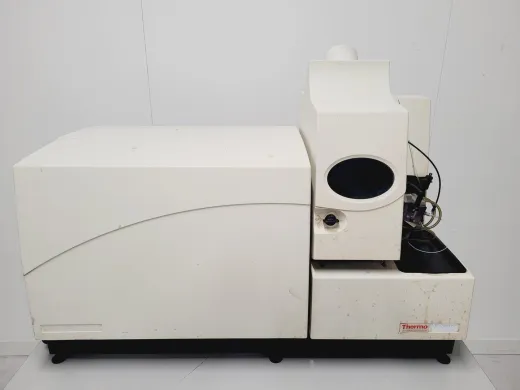
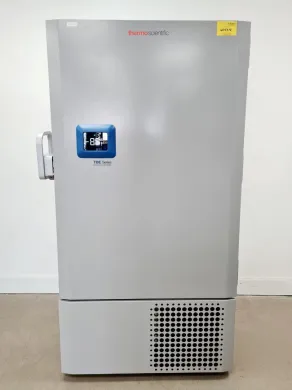
Not the exact instrument you need?
Tell our scientists what you are after. We track it down, including off-market supply.
Showing 1–40 of 922 listings
Show 40 more listingsBuying guide
Choosing a Thermo Fisher analytical instrument
Start by deciding whether you are buying an analyser or completing one, because the two paths follow different logic. For a high-resolution mass spectrometer, the first fork is acquisition mode: an Orbitrap-class instrument for untargeted, accurate-mass work, or a quadrupole system for targeted quantitation where speed and robustness outweigh resolving power. For ICP-MS, weigh detection limits against your matrix, and confirm whether the cell technology on a given unit can suppress the interferences your samples produce.
On a used Thermo Fisher instrument, the components with a service life are the ones to verify first. For mass spectrometers, ask the seller to show the state of the ion source, the turbo and roughing pumps, and the detector, since these wear and are the costliest to replace. For ICP-MS, check the torch, cones and nebuliser condition and ask when the detector was last serviced. A recent performance or tune report, where a seller can provide one, tells you more than a photograph. Autosamplers should be checked for valve and seal condition.
The price band breaks down along the analyser-versus-accessory line described above, so read each listing for what it actually contains before comparing figures. The compatibility trap specific to this maker is generational: an ion source, sampler cone, nebuliser or inlet matched to one analyser revision will not fit another, even within the same Thermo Scientific family. Match the accessory's part number to your exact instrument model and firmware generation, not just to the series name. Where documentation is missing, Questpair specialists respond within an hour, and parts can be sourced through Questpair when a listing arrives incomplete. Warranty is arranged in consultation for the specific listing.
Thermo Fisher ICP-MS and mass spectrometry series on Questpair
Among the listings that specify a type, the catalogue falls into two camps: complete analysers and the consumables and modules that feed them. The whole-instrument side is led by high-resolution mass spectrometers, where the Thermo Scientific line covers Orbitrap-class instruments built for accurate-mass work and the triple-quadrupole and single-quadrupole systems used for targeted quantitation. ICP-MS sits alongside these for elemental and trace-metal analysis. The accessory side, larger by listing count, holds ICP-MS accessories and components, autosamplers that front both ICP-MS and chromatography-coupled spectrometers, and mass spectrometry accessories such as ion sources and inlet hardware. Benchtop pH meters round out the general analytical instrumentation. A trace-metals laboratory leans on the ICP-MS and its accessories; a proteomics or metabolomics group gravitates to the high-resolution analysers.
Where the analysers and the accessories diverge
The deciding parameter depends on which type you are buying. Across high-resolution mass spectrometers, the split is resolving power and acquisition mode: Orbitrap-class systems reach resolutions in the tens to hundreds of thousands and suit untargeted discovery, while quadrupole systems trade that resolution for faster, more robust targeted scans. For ICP-MS, the parameters that separate models are detection limits in the parts-per-trillion range, interference-removal capability (collision or reaction cell), and sample throughput. Autosamplers are chosen on vial capacity and the valve chemistry they tolerate. The point that catches buyers is that accessories are not interchangeable across these families: an ion source, a nebuliser or a sampler cone is matched to a specific analyser generation. This is why the accessory-heavy listings reward careful reading of the model and revision before purchase.
What a used Thermo Fisher analytical unit costs
Prices run from EUR 1 to EUR 266.971. The average sits at EUR 7.020. That spread is the width of the pair itself, from a single pH-meter electrode or a bag of ICP-MS cones at the low end to a complete high-resolution mass spectrometer at the top. 96 percent of the listings are used. The low floor reflects how many entries are single accessories rather than instruments, so a headline figure of 1676 items should be read as a mix of analysers and the parts that service them.
Frequently asked questions
Which Thermo Fisher Scientific analytical instrument series are in this catalogue?
The listings draw on two lines: Thermo Scientific, which covers the high-resolution mass spectrometers, ICP-MS accessories and components, autosamplers, and the Orion benchtop pH meters, and Applied Biosystems, which appears in the detection and sample-handling parts. The type breakdown runs across ICP-MS accessories, mass spectrometry accessories, high-resolution mass spectrometers, autosamplers, ICP-MS components, and benchtop pH meters.
How do these instrument types differ from each other?
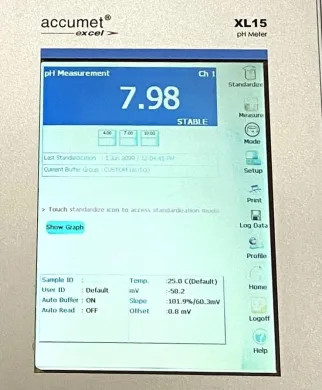
The dividing line is what each one measures. High-resolution mass spectrometers separate ions by exact mass and reach resolving power in the tens of thousands; ICP-MS measures elements at trace concentrations down to parts per trillion; autosamplers handle sample loading and are rated on vial capacity and injection precision; and benchtop pH meters read to a hundredth or thousandth of a pH unit.
How much does a used Thermo Fisher analytical instrument cost?
Across the whole brand catalogue prices run from EUR 1 to EUR 266.971, with an average of EUR 7.020. The low end holds replacement parts and basic meters; the high end is complete high-resolution systems, and used units are listed below comparable new ones.
Can I find refurbished units rather than new ones?
Yes. 96 percent of the listings are used, and both used and refurbished entries are priced below new. Each listing documents its own condition, so read the individual entry for what has been serviced or replaced.
Which model should I pick for my application?
Match the type to the measurement: untargeted discovery or proteomics work needs the resolving power of a high-resolution mass spectrometer, trace elemental analysis points to ICP-MS and its consumable parts, unattended chromatography or spectrometry loading calls for an autosampler, and routine pH readings are covered by an Orion benchtop meter. If you already run a bench, the component and accessory listings are where your matching work happens rather than a whole-instrument purchase.
What should I check before buying a used mass spectrometer?
Ask the seller what the instrument was last used for and whether the ion source and detector have been serviced, since detectors age and a vacuum system that has sat idle may need attention before it reaches specification. Confirm the resolving power matches your work so you are not paying for a tier you will not use.
Are parts and components interchangeable across the Thermo Scientific range?
Not reliably. Interface cones, torches, nebulisers and autosamplers are built for specific generations and models, so a part made for one platform will not necessarily seat on another even within the same brand. Verify the exact instrument model a part was made for rather than relying on the product line name.
How do these compare to analytical instruments from other brands?
The comparison turns on the specification you are buying against rather than the badge: high-resolution mass spectrometers compete on resolving power, ICP-MS platforms on detection limit and matrix tolerance, and pH meters on electrode compatibility and resolution. Within this catalogue the balance leans toward accessories and components for established spectrometry platforms, so compatibility with a bench you already run is often the deciding factor.