
Ohaus analytical instruments
We personally find you the right new, used and refurbished ohaus analytical instruments from verified suppliers.
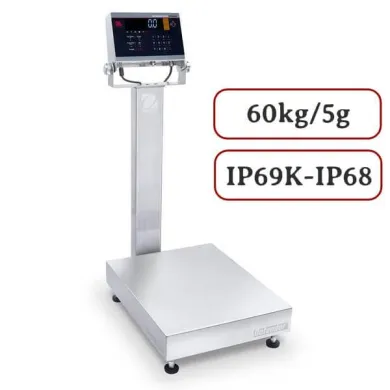
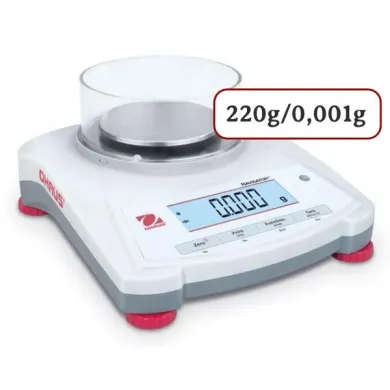
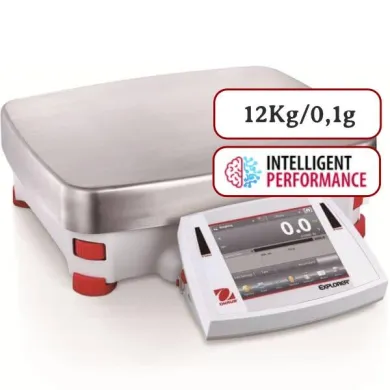
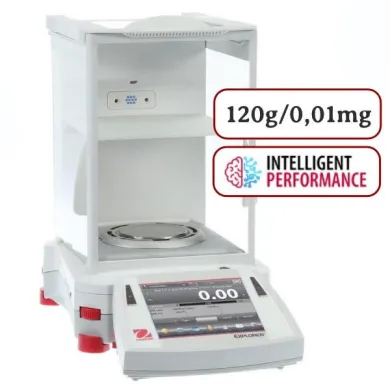
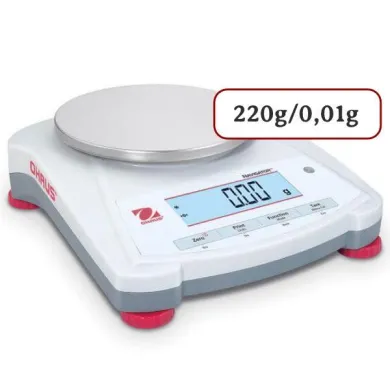
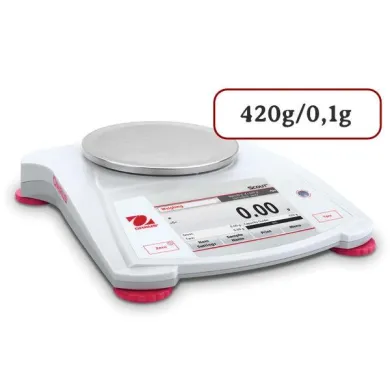
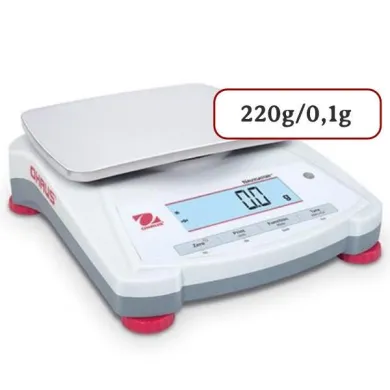
Ohaus analytical instruments on Questpair centre on the Explorer, Adventurer, Pioneer and Scout weighing lines, the four series that carry most of this maker's benchtop balances. Among the listings that specify a type, the spine is analytical balances and precision balances, with laboratory scales, density determination balances and parts counting balances filling out the rest. Across this pairing the catalogue holds 1224 items from 16 verified suppliers and distributors in 7 countries. The Explorer and Adventurer sit at the fine-resolution end for quantitative work, while Scout and the sturdier Ranger-derived scales handle routine weighing. That spread, from a sub-milligram analytical balance to a general laboratory scale, is why one brand covers both ends of a weighing bench.
Updated:
Ohaus Analytical instruments product list
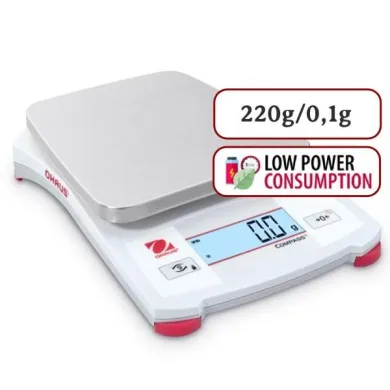
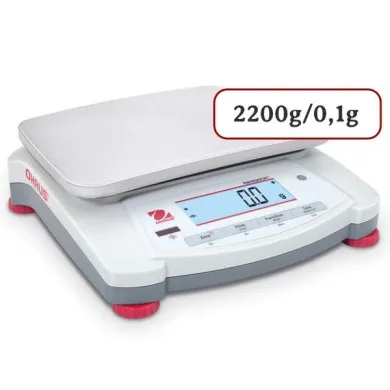


Not the exact instrument you need?
Tell our scientists what you are after. We track it down, including off-market supply.
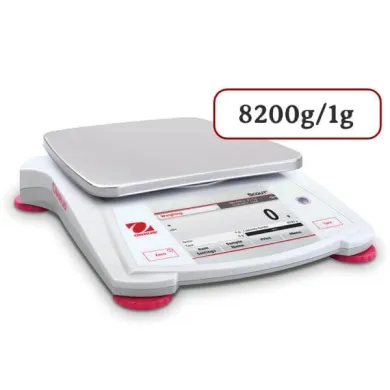
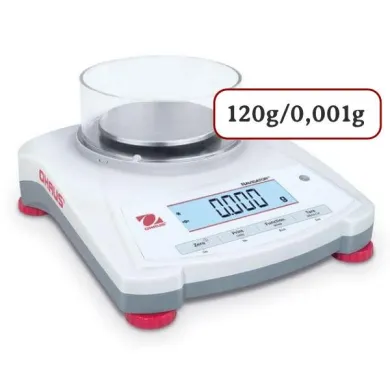
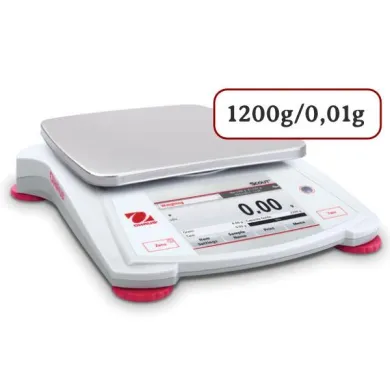
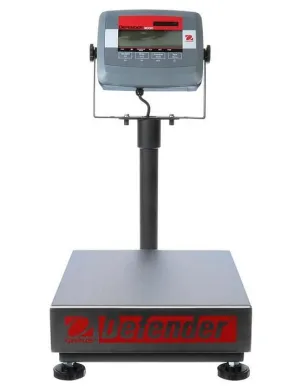
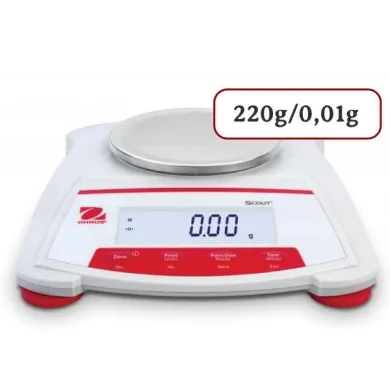
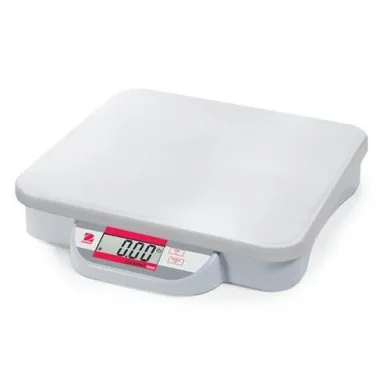
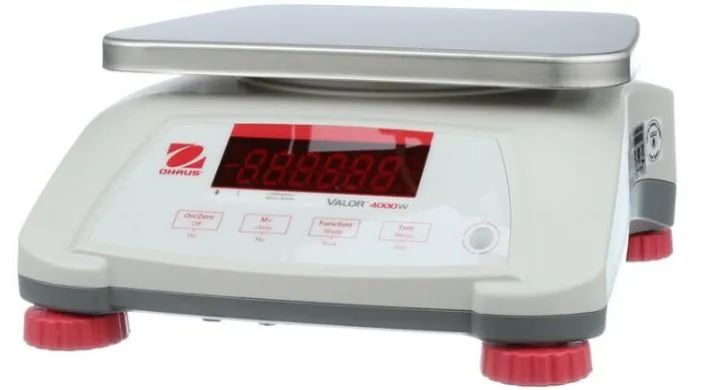
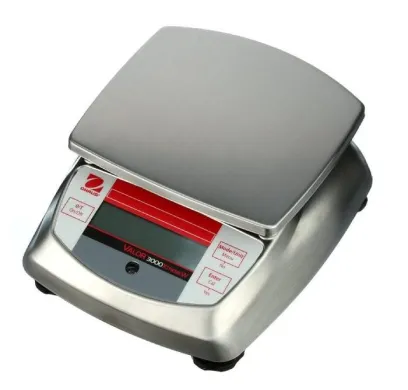
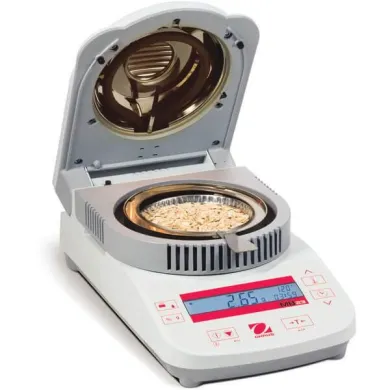
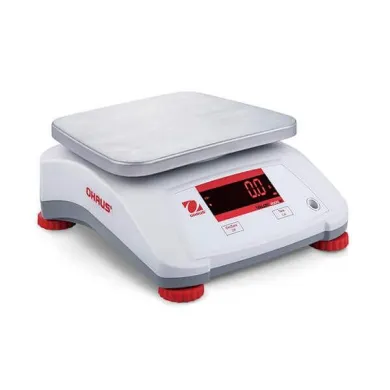
Not the exact instrument you need?
Tell our scientists what you are after. We track it down, including off-market supply.
Showing 1–40 of 911 listings
Show 40 more listingsBuying guide
Choosing an Ohaus analytical instrument
The first decision on an Ohaus balance is readability against capacity, because that is what separates the series rather than any headline feature. If your work needs 0.1 mg or finer, you are choosing within Explorer or Adventurer analytical; if you weigh in grams and count parts, a precision balance or laboratory scale costs less and settles faster. Decide the smallest increment you must resolve and the heaviest sample you will place, then pick the model that brackets both, since an oversized capacity balance gives up readability for weight it will never carry.
On a used Ohaus unit, the load cell is the part to scrutinise. A strain-gauge cell in the precision and scale lines is robust but can drift after overload or impact, so ask whether the balance passes a linearity and repeatability check across its range, not just at one weight. On analytical models, confirm the internal calibration motor engages and that the draught shield doors run freely; a sticking door is cheap to overlook and tedious to live with. Check that the levelling feet and spirit level are intact, because an unlevel analytical balance reports confidently wrong figures.
Calibration is the recurring question. Explorer and higher Adventurer models carry internal motorised calibration weights; Scout and the simpler lines rely on an external reference weight, so budget for a calibration set in the correct OIML class if one is not included. The price band here reflects exactly this split: entry portable units near the floor, internally calibrated semi-micro analytical balances near the ceiling.
One compatibility trap is specific to this maker. Explorer and Adventurer accessories such as density kits, draught shield assemblies and GLP printers are keyed to their own series and generation, so a density determination kit from one line does not transfer to another. Confirm any kit matches the exact model before relying on it.
Which Ohaus balance series are listed here?
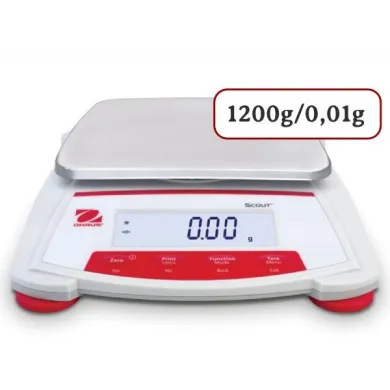
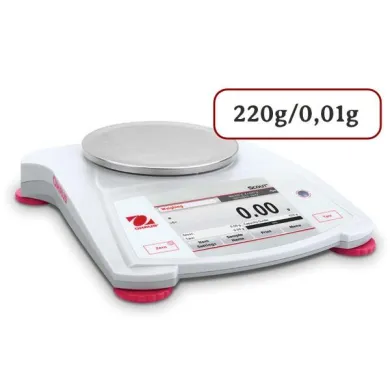
Among the listings that specify a type, this pairing runs from analytical balances through precision balances to laboratory scales, density determination balances and parts counting balances, and each Ohaus series lands in one of those bands. The Explorer line is the top of the analytical balance group, readable to 0.1 mg and in some models to 0.01 mg. The Adventurer sits just below it, covering both analytical and precision duties depending on the model. Pioneer is the value analytical and precision line, Scout is the compact precision and portable balance, and the Ranger-derived laboratory scales handle higher-capacity routine weighing. Parts counting balances draw on the same precision platforms with counting firmware. An analytical lab chooses Explorer or Adventurer; a QC bench that weighs in grams rather than milligrams is better served by Scout or a laboratory scale.
Where the Explorer, Adventurer and Pioneer diverge
The deciding specification across Ohaus balances is readability against capacity, and the three lines separate cleanly on it. Explorer analytical models read to 0.1 mg with capacities around 120 to 320 g, and the semi-micro variants reach 0.01 mg. Adventurer analytical models also read to 0.1 mg but trade some settling speed and automation for a lower price, while Adventurer precision models step up to 1 mg or 0.01 g readability at capacities into the kilograms. Pioneer covers a similar readability span to Adventurer but with a simpler interface and fewer application modes. For gravimetric analysis and standard preparation, readability is the figure that matters and Explorer leads. For formulation or parts counting, capacity and counting resolution outweigh the last decimal place, which is where Adventurer precision and the laboratory scales fit. Draught shields, internal versus external calibration and ionisers also track the series, so an Explorer typically arrives with an internal motorised calibration weight where a Scout does not.
What a used Ohaus balance costs here
Prices run from EUR 22 to EUR 10.344. The average sits at EUR 1.731. The low end covers portable Scout and simple precision units, while semi-micro Explorer analytical balances with internal calibration and draught shields reach the top of the band. 65 percent of the listings are used. Used and refurbished units are listed below new prices, so an analytical balance that is costly new becomes reachable second-hand; warranty on any given unit is arranged in consultation for that listing.
Frequently asked questions
Which Ohaus analytical instrument series are listed here?
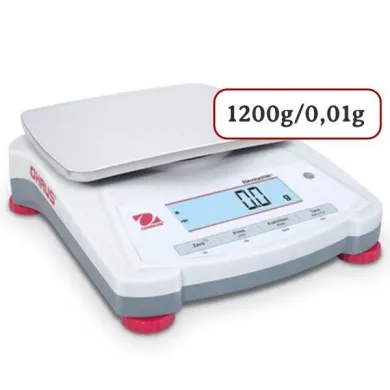
The Questpair catalogue covers the Explorer and Pioneer analytical balances, the Adventurer and Scout precision lines, the Ranger, Defender and Valor laboratory and industrial scales, and the Navigator and Frontier portable and compact options. By type, the listings sort into analytical balances, precision balances, laboratory scales, density determination balances and parts counting configurations.
How do the Ohaus balance series differ from each other?
The dividing specification is readability against capacity. Explorer and Pioneer read to 0.1 mg or finer over low-hundreds-of-grams capacities with enclosed draft shields, Adventurer and Scout read to a milligram or hundredth of a gram over wider capacities on open pans, and Ranger, Defender and Valor carry kilogram loads at gram-level readability.
How much does a used Ohaus balance cost?
Across the brand the catalogue runs from EUR 22 to EUR 10.344, with an average of EUR 1.731. Portable and precision models sit at the low end; enclosed analytical and semi-micro units with internal calibration sit at the high end, and used examples list below new ones of the same specification.
Are refurbished Ohaus units available?
Used and refurbished balances are listed alongside new ones, and 65 percent of the catalogue is used. Refurbished and used units carry lower prices than new units of the same model; for condition detail and any warranty, check the individual listing, as warranty is arranged in consultation per listing.
Which Ohaus model suits which application?
Fix the smallest quantity your method must resolve: milligram or finer work needs an Explorer or Pioneer with its enclosure, while sample preparation that tolerates a milligram of uncertainty fits a Scout or Adventurer with more pan room and capacity. Parts counting and bulk weighing in kilograms go to the Ranger, Defender or Valor scales.
What should I check before buying a used Ohaus balance?
Ask for a recent calibration record and confirm whether the model self-calibrates internally or needs an external mass set, since an external-calibration unit is only as reliable as the certified weights used to check it. On analytical models inspect the pan and draft shield for damage, and confirm the level feet and bubble are intact, because an off-level balance reads consistently wrong.
Are parts and accessories interchangeable across the Ohaus series?
Compatibility is mostly within a series: calibration masses, draft shield parts and in-use covers are specified per family, so a Scout cover does not fit an Explorer. Confirm the exact model number before sourcing any accessory; parts can be sourced via Questpair.
How does Ohaus compare to other laboratory balance makers?
Within this catalogue the distinction that matters is where a balance falls on the readability-versus-capacity curve and whether calibration is internal or external, rather than the brand name on the housing. The higher analytical models self-calibrate and enclose the pan to hold the last decimal place, while the precision and scale lines trade that resolution for range and expect an external mass set, which is the practical axis to compare against any alternative instrument.