
Ohaus general laboratory equipment
We personally find you the right new, used and refurbished ohaus general laboratory equipment from verified suppliers.
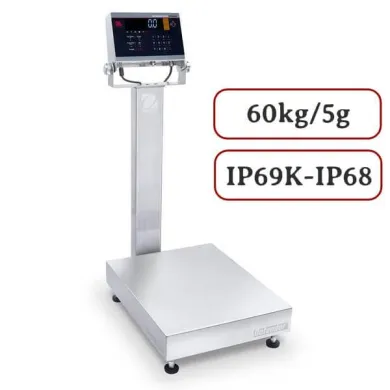
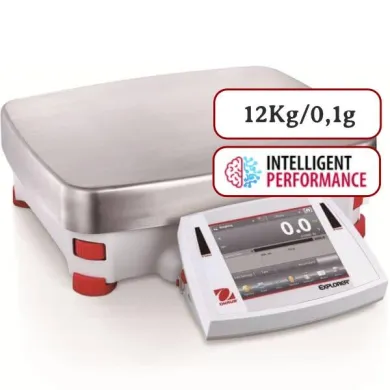
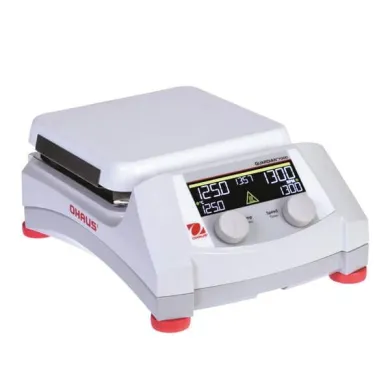
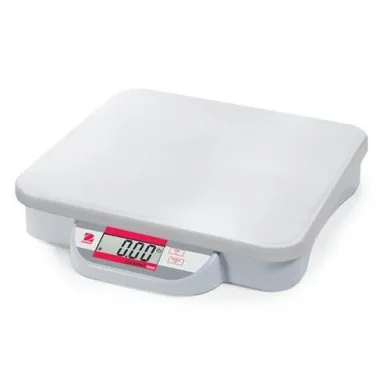
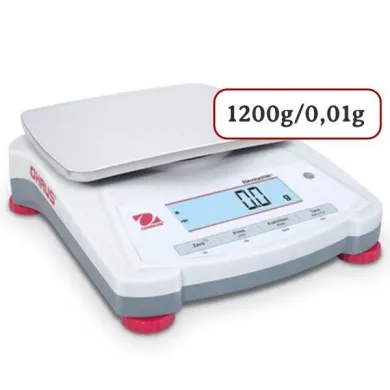
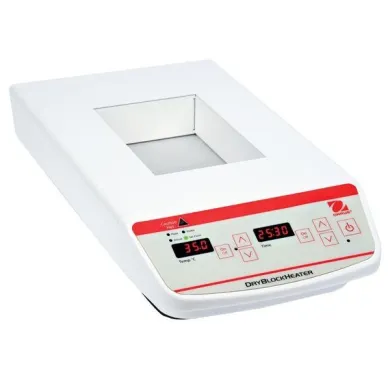
Ohaus general laboratory equipment on Questpair spans the full weighing range, from the Explorer and Adventurer analytical balances through the Pioneer and Scout benchtop lines to the Defender and Ranger industrial platforms, alongside orbital shakers that round out the bench. The catalogue holds 1437 items from 18 verified suppliers and distributors across 7 countries. Among the listings that specify a type, the spine is the analytical balance, the precision balance, the laboratory scale and the industrial bench scale, with orbital and laboratory shakers filling out the rest. That spread means a reading resolution anywhere from a single milligram up to several kilograms, so the deciding question is which end of the range the work sits at rather than which maker to pick.
Updated:
Ohaus General laboratory equipment product list
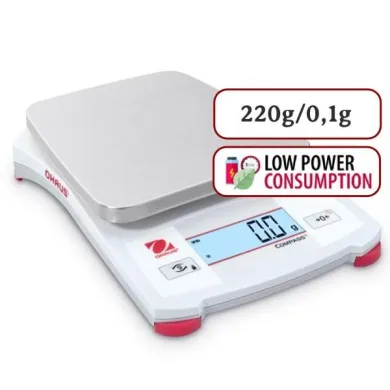
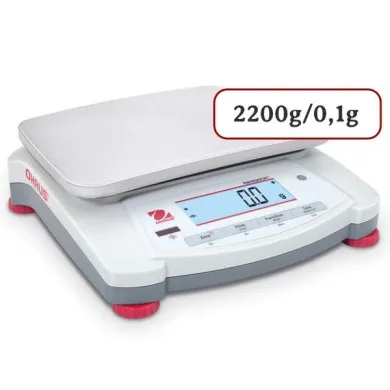


Not the exact instrument you need?
Tell our scientists what you are after. We track it down, including off-market supply.
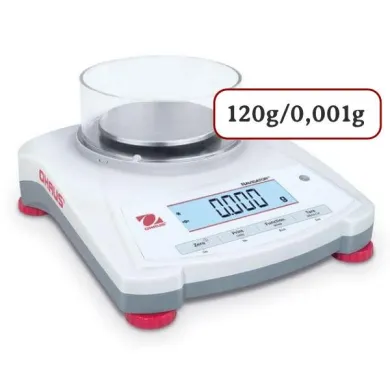
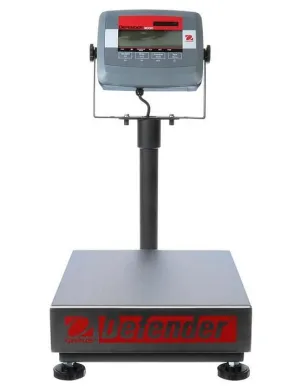
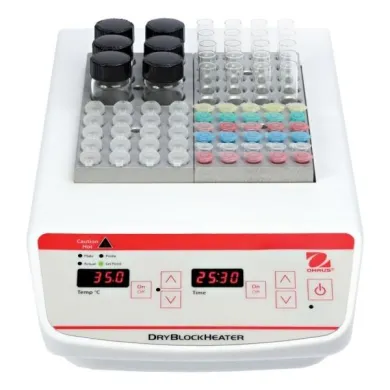
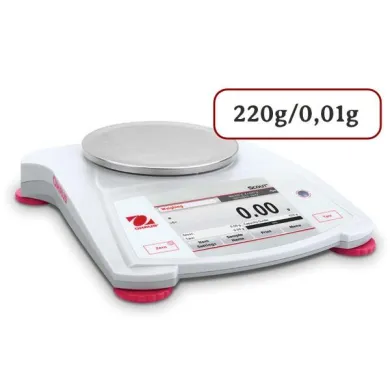
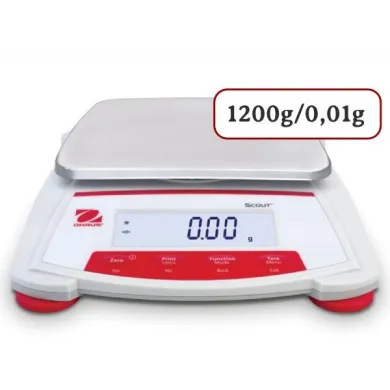
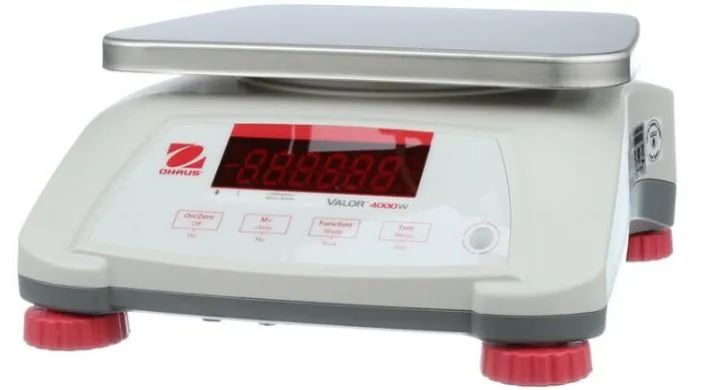
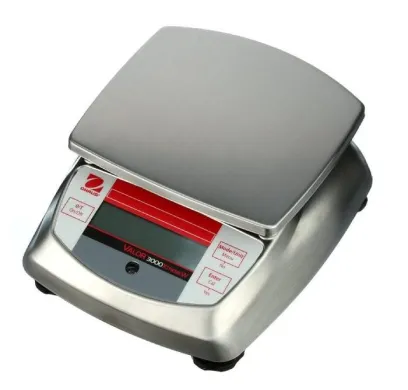
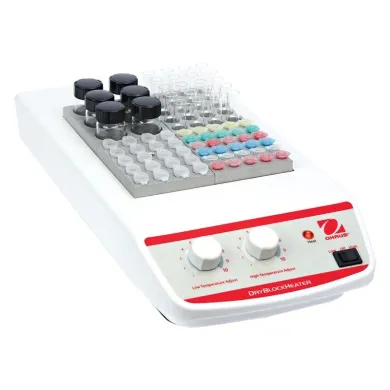
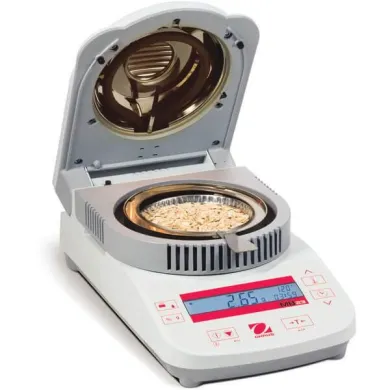
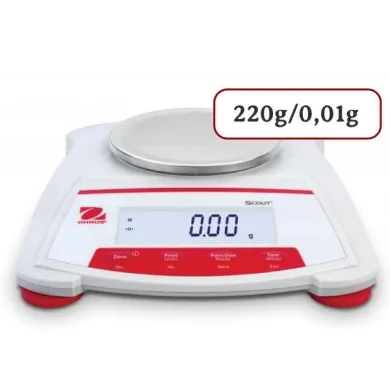
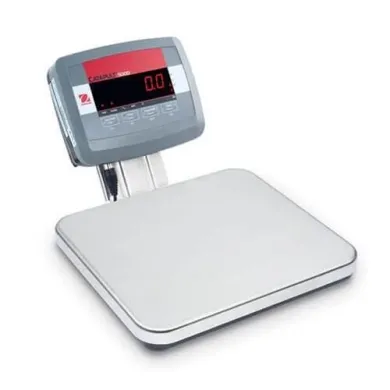
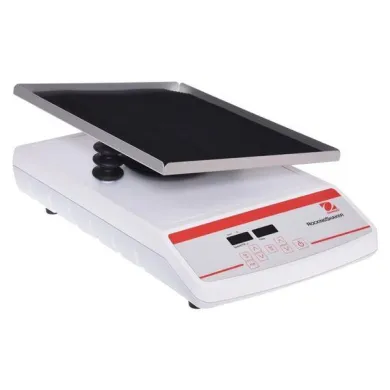
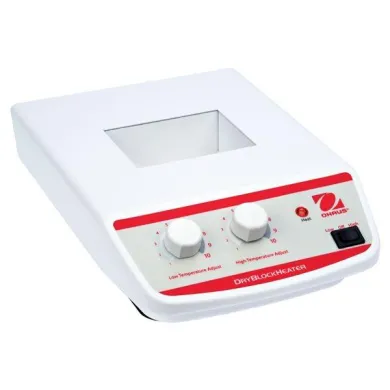
Not the exact instrument you need?
Tell our scientists what you are after. We track it down, including off-market supply.
Showing 1–40 of 1,139 listings
Show 40 more listingsBuying guide
Choosing an Ohaus general laboratory equipment
The first decision is the one the series map makes for you: readability against capacity. Fix the finest reading the work genuinely requires before looking at any model, because paying for a 0.1 mg Explorer to weigh reagents in whole grams is money spent on a draught shield you will prop open. An analytical task below 300 g wants the Explorer or Adventurer tier; routine prep in the gram range wants a Pioneer; stockroom and shipping work wants a Ranger or Defender platform. These tiers do not overlap in practice, so a single unit rarely covers two of them.
On a used Ohaus balance, calibration is the thing to verify. Ask whether the unit holds its linearity across the span and whether the internal calibration motor, on Explorer models that have one, still triggers and completes. A balance drifts as its load cell ages, so a seller should be able to show a recent calibration result or confirm the unit passes against a known reference weight. On platform scales check the load cell and the feet for levelling, since an unlevel Defender reads high on one corner. For shakers, the service item is the drive bearing and the belt or direct-drive motor: listen for play in the platform and confirm the speed holds steady under a loaded tray.
The price band tracks the weighing tier almost directly, so a listing near EUR 16 is a portable or accessory unit and one near EUR 14.505 is a new high-resolution analytical balance. A used Pioneer or Scout clusters well below the average.
Watch the compatibility trap within the Ohaus range itself: draught shields, pan supports and in-use covers are keyed to a specific series and often a specific model within it, so an Explorer accessory will not fit an Adventurer. Confirm any bundled accessory names the same model as the balance.
Which Ohaus weighing and shaker series are listed?
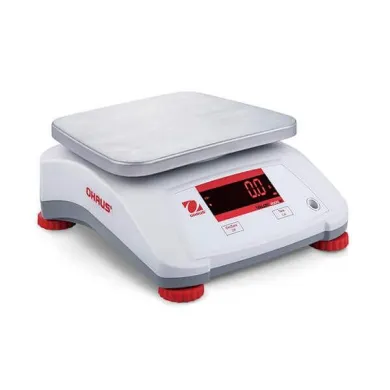
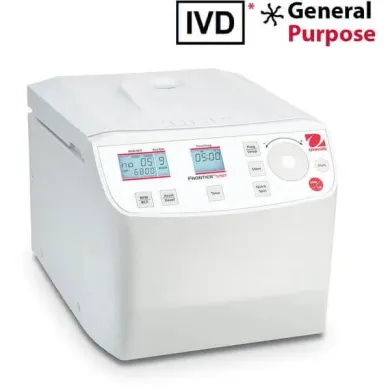
Among the listings that specify a type, the catalogue sorts into four weighing tiers plus a shaker group, and the series map onto them cleanly. At the analytical end sit the Explorer and the Adventurer, closed-draught balances built for readability down to the milligram and finer. The Pioneer occupies the precision tier, a general bench balance for routine formulation and sample prep where a tenth of a gram is enough. The Scout and the Triple Beam cover portable and teaching work, the Triple Beam being the mechanical balance that needs no power at all. Laboratory and industrial scales draw on the Ranger, the Defender and the Valor, platform designs that weigh in grams and kilograms rather than milligrams. The Navigator and Frontier names carry the moisture and mixing lines. For the orbital and laboratory shakers in this pair, the choice is driven by platform size and speed range rather than series heritage. Match the series to the tier first: an analytical task wants an Explorer, a stockroom wants a Defender, and nothing in between serves both.
Where the series diverge on specification
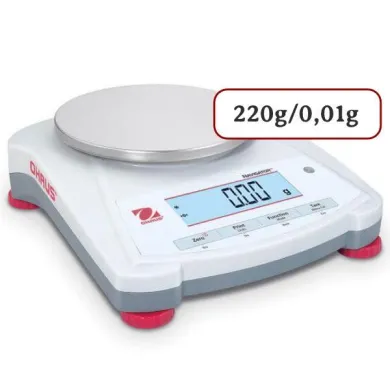
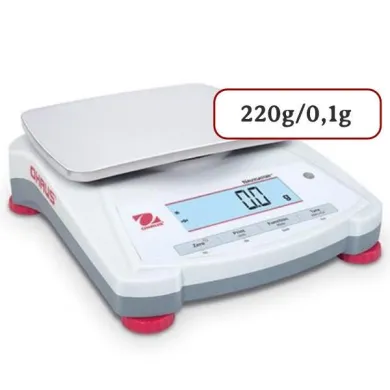
The parameter that separates these models from each other is readability set against capacity, and the two trade off directly. An Explorer or Adventurer analytical balance reads to 0.1 mg or 0.01 mg but tops out around 200 to 300 g, which is why it carries a draught shield. A Pioneer precision balance reads to 0.01 g or 0.1 g and reaches several kilograms, giving up resolution for range. The Ranger and Defender industrial platforms read in whole grams and weigh tens of kilograms, built for throughput rather than fine resolution. For analytical work the deciding spec is the fourth decimal place and the draught shield; for production weighing it is the platform size and the capacity ceiling. The Explorer line also carries internal automatic calibration, where lower tiers rely on an external weight, and that distinction matters for any laboratory under a documented calibration regime. On the shaker side, orbital speed range and platform footprint are the figures to read, since a unit sized for microplates will not take flasks.
How price and condition break down
Prices range from EUR 16 to EUR 14.505. That span runs from a portable Scout or a used accessory at the low end to a new, high-capacity Explorer with internal calibration at the top, with the average near EUR 1.692. 55 percent of the listings are used. The weighing tier you need is the strongest predictor of where in the band a given listing sits.
Frequently asked questions
Which Ohaus weighing and shaker series are listed?
The catalogue sorts into four weighing tiers plus a shaker group: Explorer and Adventurer at the analytical end, Pioneer in the precision tier, Scout and Triple Beam for portable and teaching work, and Ranger, Defender and Valor for laboratory and industrial platforms. The Navigator and Frontier names carry the moisture and mixing lines, while orbital and laboratory shakers round out the bench.
How do the Ohaus series differ from each other?
The split is readability against capacity, and the two trade off directly. An Explorer or Adventurer reads to 0.1 mg or 0.01 mg but tops out near 200 to 300 g; a Pioneer reads to 0.01 g or 0.1 g and reaches several kilograms; a Ranger or Defender platform reads in whole grams and weighs tens of kilograms.
How much does a used Ohaus balance cost?
Across the brand catalogue prices run from EUR 16 to EUR 14.505, with the average near EUR 1.692. A used Pioneer or Scout clusters well below that average, while a new high-resolution Explorer sits at the top of the band.
Are refurbished Ohaus units available?
Used and refurbished units appear in the catalogue and are listed at lower prices than new. 55 percent of the listings are used, so availability depends on the tier and series you need; check the individual listing for its stated condition.
Which Ohaus model suits which application?
Fix the finest reading the work genuinely requires first: an analytical task below 300 g wants the Explorer or Adventurer tier, routine prep in the gram range wants a Pioneer, and stockroom or shipping work wants a Ranger or Defender platform. For shakers, the deciding figures are orbital speed range and platform footprint, since a unit sized for microplates will not take flasks.
What should I check before buying a used Ohaus balance?
Verify calibration: ask whether the unit holds its linearity across the span, and on Explorer models with an internal calibration motor, confirm it still triggers and completes. On platform scales check the load cell and the levelling feet, and on shakers listen for play in the platform and confirm the speed holds steady under a loaded tray.
Are accessories and parts interchangeable across the Ohaus series?
Draught shields, pan supports and in-use covers are keyed to a specific series and often a specific model within it, so an Explorer accessory will not fit an Adventurer. Confirm any bundled accessory names the same model as the balance, and parts can be sourced via Questpair when a listing lacks them.
How does Ohaus compare to other brands in this category?
Across the weighing tiers the deciding question is readability against capacity rather than the maker, so the practical comparison runs tier to tier rather than badge to badge. Within the Ohaus range the Explorer line adds internal automatic calibration where lower tiers rely on an external weight, which matters for any laboratory under a documented calibration regime.