
VWR general laboratory equipment
We personally find you the right new, used and refurbished vwr general laboratory equipment from verified suppliers.
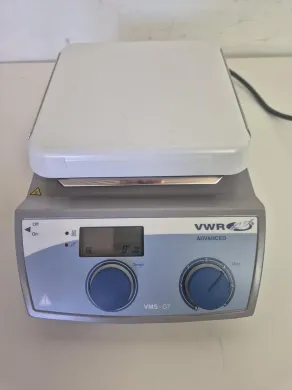
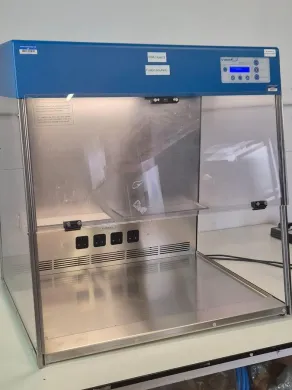
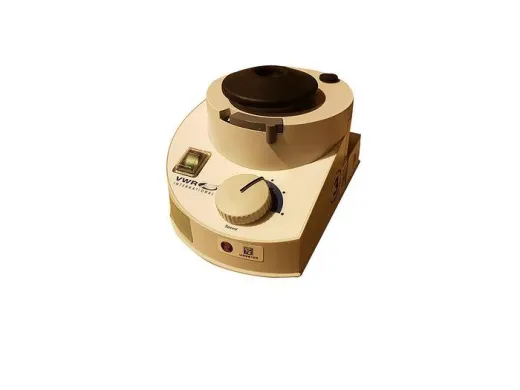
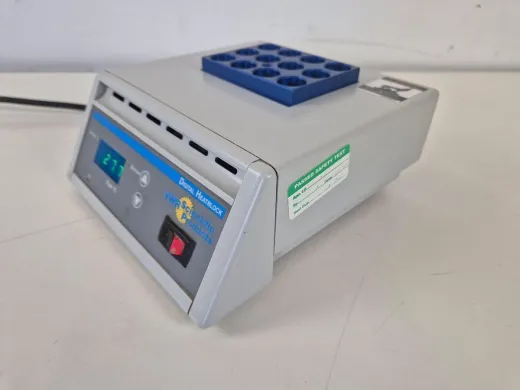
VWR general laboratory equipment on Questpair runs toward rotating and sample-handling instruments rather than the full breadth of the distributor's catalogue. Among the listings that specify a type, benchtop centrifuges, laboratory incubators, microcentrifuges, laboratory mixers and mini centrifuges make up the bulk of what is here. The intersection holds 1816 listings from 16 verified suppliers and distributors across 7 countries. Because VWR sells under its own label as well as reselling other makers, a listing badged VWR is often a rebadged instrument, so the model behind the label matters as much as the brand on the front. Prices span a wide band, which the sections below break down by what the figure actually buys.
Updated:
VWR General laboratory equipment product list


Not the exact instrument you need?
Tell our scientists what you are after. We track it down, including off-market supply.
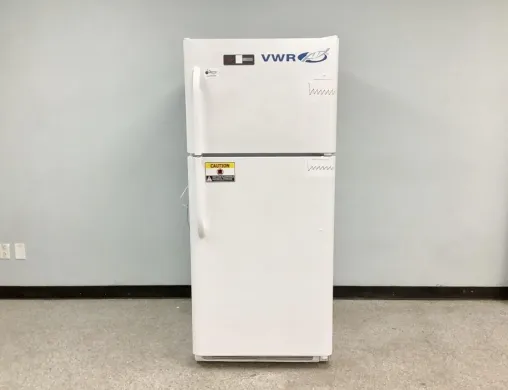
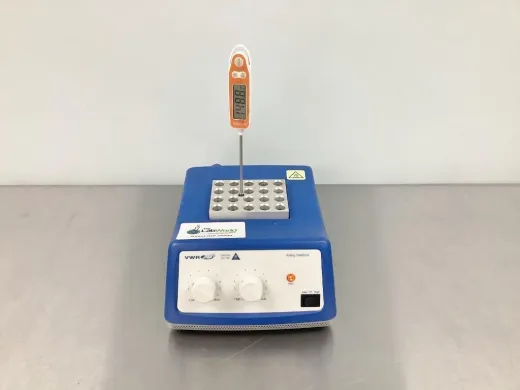
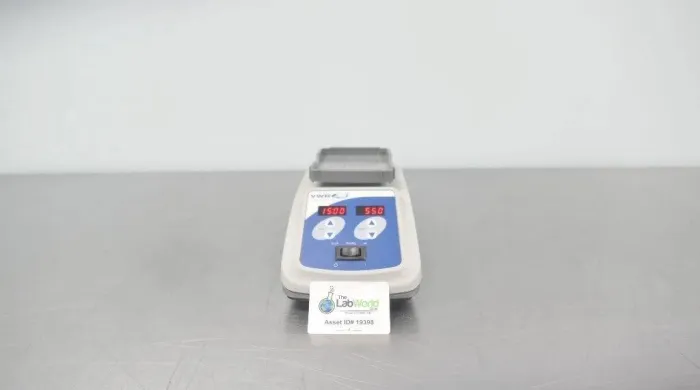
Not the exact instrument you need?
Tell our scientists what you are after. We track it down, including off-market supply.
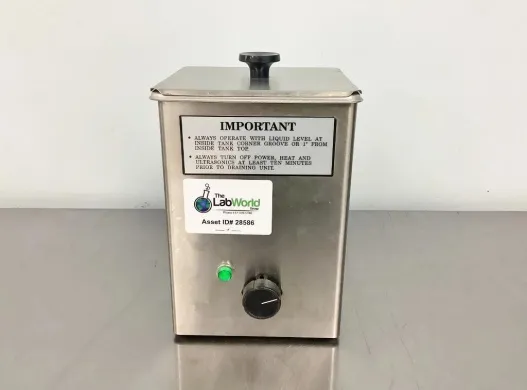
Showing 1–40 of 460 listings
Show 40 more listingsBuying guide
Choosing a VWR general laboratory equipment
Because a VWR-badged instrument is usually built by a partner maker, the first task is to identify the underlying model behind the label. Two listings carrying the same VWR name can be different generations or different OEM platforms, so match the model number and rotor fittings rather than the brand alone. That identification drives everything that follows: parts, rotor compatibility and service life all track the actual build, not the badge.
The specification that separates models here is speed-against-capacity. Decide first whether the work needs volume (conical tubes, cell harvesting, a benchtop or floor unit) or force (small tubes, pelleting, a microcentrifuge), then read maximum rpm, relative centrifugal force and rotor capacity together. A high-speed figure is meaningless if the rotor cannot hold your tube format. If the protocol needs cold separation, a refrigerated chamber is a hard requirement and narrows the field sharply.
On a used VWR unit, check what wears. Centrifuge rotors have a fatigue life and should carry a legible rotor log or at least a visible part number and no corrosion in the bore; motor bearings are the common failure point, so a seller should be able to run the unit up to speed and show a stable, quiet spin. The lid latch and imbalance cut-out are safety-critical and must function. For incubators, verify the door seal and that the chamber holds setpoint. Ask for a rotor with the unit, since a centrifuge without a compatible rotor is incomplete and the rotor can cost as much as the body.
The price band breaks down by exactly these factors: ambient mini and microcentrifuges at the low end, refrigerated and high-capacity instruments at the top, with accessory completeness moving a given model up or down. The compatibility trap to watch is rotor and adapter fit across VWR generations; adapters and buckets are often model-specific, so confirm the rotor, the tube adapters and the bucket set all match the body before buying. Parts can be sourced via Questpair.
VWR centrifuge and incubator ranges
VWR does not design most of its laboratory equipment; it sells instruments under its own brand that are typically built by partner manufacturers, then supports them through its own channels. In this category that shows up as a spread of rotating and incubating instruments rather than a single engineered family. Among the listings that specify a type, the spine is benchtop centrifuges, laboratory incubators, microcentrifuges, laboratory mixers, mini centrifuges and general laboratory centrifuges. The benchtop and laboratory centrifuges cover volume work and clinical throughput, where capacity and rotor choice decide the fit. The microcentrifuges and mini centrifuges sit at the small-tube end, built for quick spin-downs of 1.5 and 2 ml tubes rather than sustained separation. Incubators and mixers round out the sample-prep bench. Each line suits a different stage of the workflow, so a buyer should start from the task, not the label.
Where the spin ranges and capacities diverge
The deciding specification shifts by type. On benchtop and floor-standing centrifuges it is the combination of maximum speed and rotor capacity: a general-purpose benchtop model aimed at 15 and 50 ml conical tubes trades top speed for volume, while a high-speed unit pushes toward 15,000 rpm or more at the cost of swing capacity. Microcentrifuges invert that trade, reaching higher relative centrifugal force but only for small fixed-angle rotors, which is why they suit pelleting nucleic acids and the benchtop models suit cell harvesting. Refrigerated versions add a temperature-controlled chamber, usually down toward 4 degrees Celsius, and command a clear premium over the ambient equivalents. For incubators the separating figure is temperature range and uniformity rather than speed. Mixers divide by action, vortex against orbital, and by throughput. Reading these figures against each other, not against the category in general, is what tells two VWR-badged units apart.
What the listings cost and their condition
Prices here run from EUR 6 to EUR 12.014. The low end covers small accessories, mini centrifuges and consumable-adjacent items, while the upper figures reach complete refrigerated or high-capacity instruments. The average listing sits at EUR 502. 99 percent of the listings are used. That spread reflects a catalogue weighted toward pre-owned instruments from 16 verified suppliers and distributors, so condition and included accessories vary listing by listing and are worth reading closely before comparing two prices.
Frequently asked questions
Does VWR sell its general lab equipment as named series, or just by type?
VWR ranges this equipment as own-brand instrumentation rather than under a single named model family. A buyer sorts by form factor and specification: a benchtop centrifuge, a microcentrifuge, a mini centrifuge, a standard laboratory centrifuge body, a laboratory incubator or a laboratory mixer, rather than by a series name.
What is the practical difference between the mini, micro and benchtop centrifuge bodies?
They scale the same spin-down operation to different tube volumes and speeds. The microcentrifuge runs 1.5 and 2 millilitre tubes at high relative centrifugal force, the benchtop takes 15 and 50 millilitre tubes or microplates at lower top speed, and the mini is a quick-spin body with low capacity for fast pellets rather than real separation.
How much does a used VWR centrifuge or incubator cost?
Across this pairing prices range from EUR 6 to EUR 12.014, with an average around EUR 502. The low end is accessories and spares such as rotors, adapters and seals, while a complete refrigerated benchtop centrifuge or a fitted incubator sits at the top; a used standard body or used incubator falls in between.
Are refurbished VWR units available, and how do they compare to new?
Yes, used and refurbished units appear in the catalogue alongside new ones. Used and refurbished listings are priced below new, which is the firm difference between the two conditions here; for warranty on either, check the individual listing, since it is arranged in consultation for that specific unit.
Which VWR model should I pick for cell-culture harvesting versus molecular work?
Match the specification to the work: a benchtop body with swing-out carriers for 15 and 50 millilitre tubes suits cell-culture harvesting, while a microcentrifuge at high rcf suits molecular pelleting in small tubes. If a protocol needs samples held cool during a long run, look specifically for the refrigerated benchtop version.
What should I check before buying a used VWR centrifuge?
Inspect the rotor for corrosion pitting and hairline cracks, especially aluminium swing-out buckets, and ask for its run history, because a rotor has a cycle-limited service life and derates after a set number of runs. Listen for bearing noise, confirm the lid interlock engages, and on a refrigerated unit verify the chamber seal still holds temperature.
Can I use any VWR rotor or part across the different centrifuge bodies?
No. A given VWR centrifuge body accepts only specific rotors and buckets, and buckets must be loaded in balanced opposing pairs, so parts are not freely interchangeable across the sizes. A listing that includes the body without its rotor set means a separate sourcing step, and parts can be sourced via Questpair if a unit arrives incomplete.
How does VWR own-brand equipment compare with other makers in this category?
What separates one unit from another in this pairing is specification rather than brand badge: maximum speed against rotor capacity for the centrifuges, and temperature range plus forced-air versus gravity convection for the incubators. VWR distributes its own lines alongside instruments from other makers, so compare the exact figures on each listing, available here from 16 verified suppliers and distributors across 7 countries.