
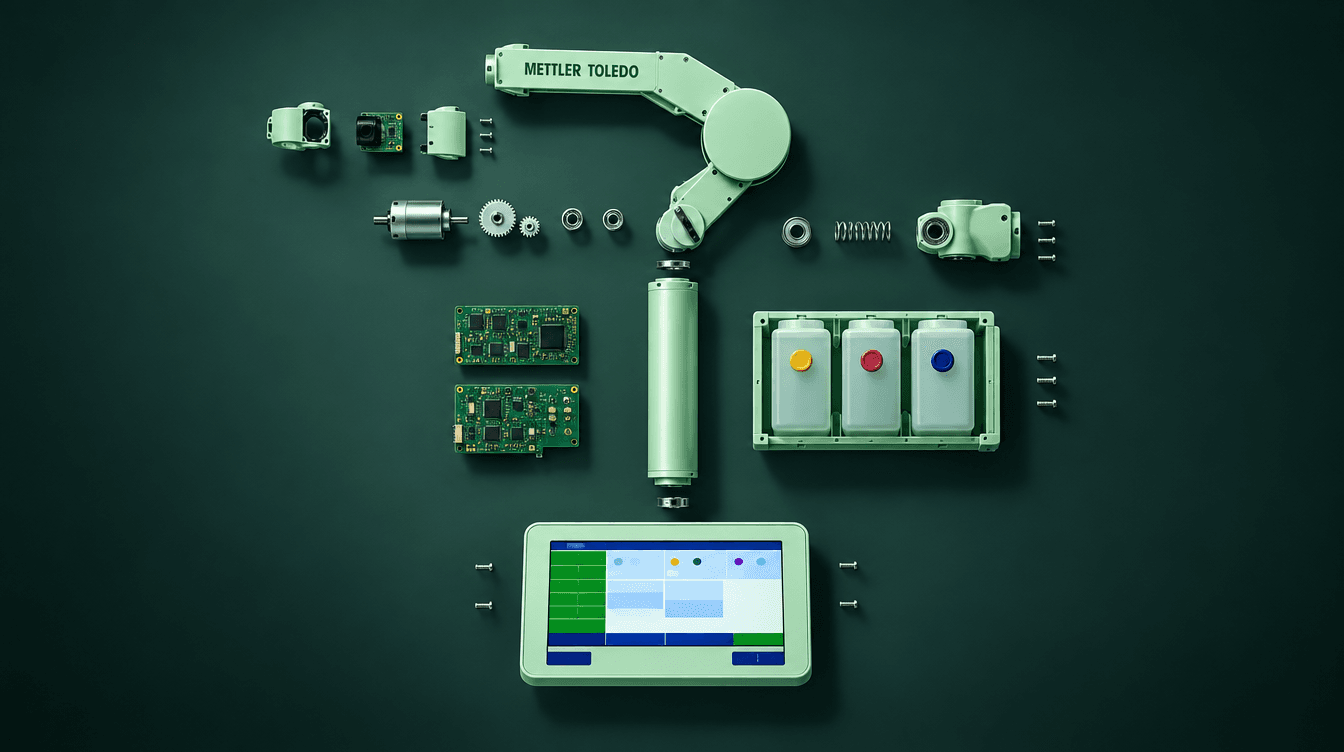
Mass Spectrometry
We personally find you the right new, used and refurbished mass spectrometry instruments & equipment from verified suppliers.
Mass spectrometry asks a laboratory to control a sample from the moment it is weighed out to the moment an ion reaches the detector, and the result is only as good as the weakest stage in that chain. A dirty extraction loads the source with matrix, a drifting pump baseline moves a peak, and a miscalibrated analyser shifts a mass by enough to call the wrong compound. So the equipment is bought as a set that has to agree with itself, not as one instrument. The Questpair catalogue carries 33679 listings against this chain from 149 verified suppliers and distributors, spanning the preparation bench, the separation, and the analyser itself.
Updated:
Mass Spectrometry product list
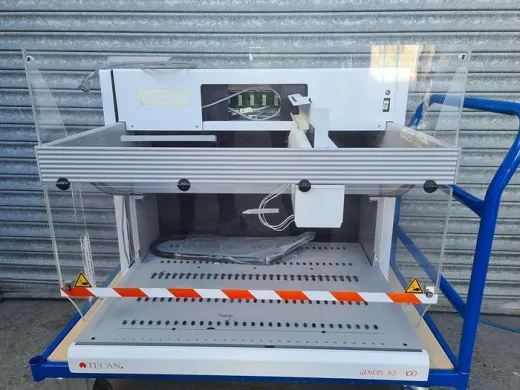
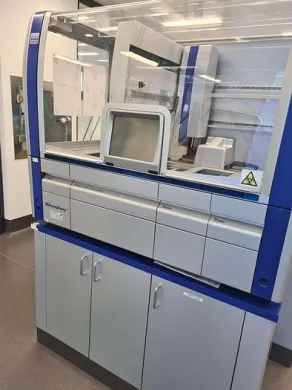


Not the exact instrument you need?
Tell our scientists what you are after. We track it down, including off-market supply.
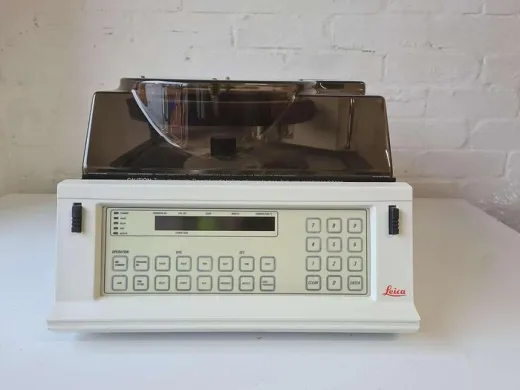
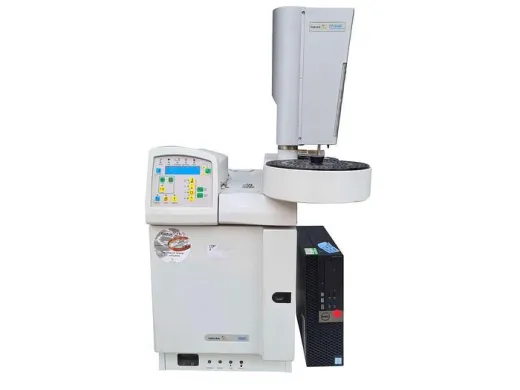
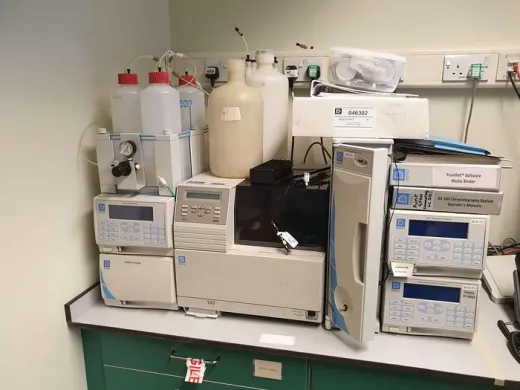
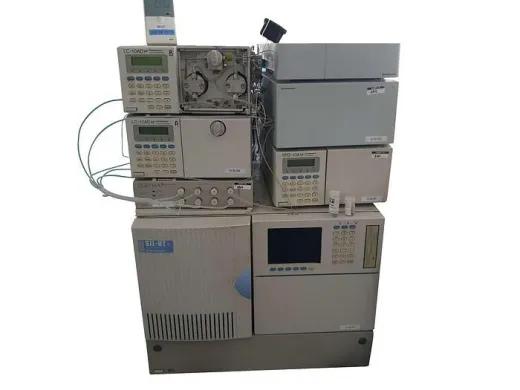
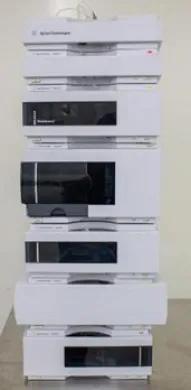
Shimadzu SIL-HT HPLC System with Accessories
- Category
- Hplc systems
- Brand
- Shimadzu
- Suppliers
- 1 verified
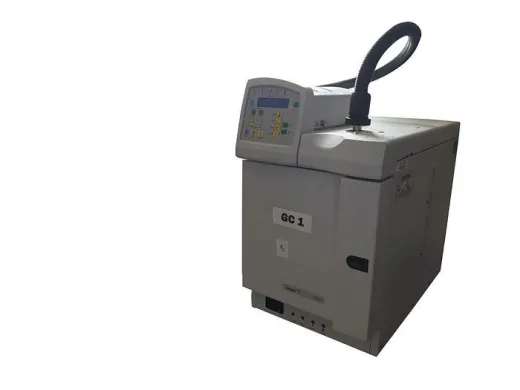
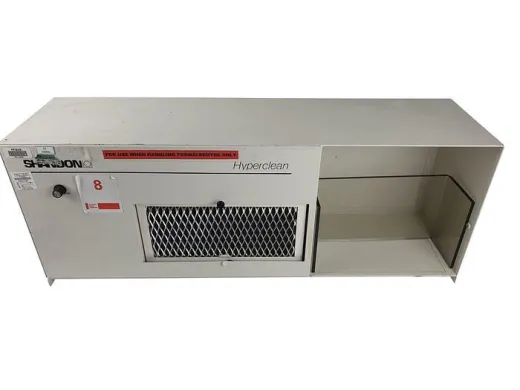
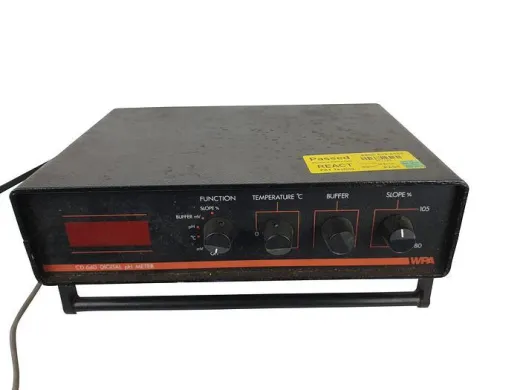
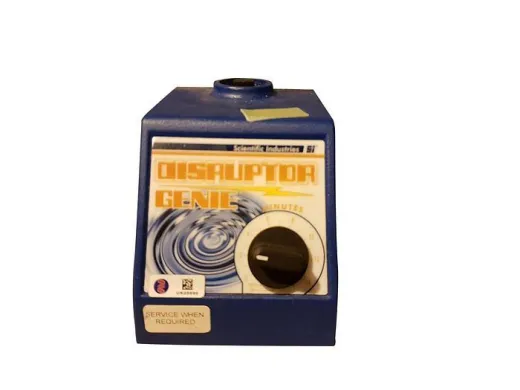
Not the exact instrument you need?
Tell our scientists what you are after. We track it down, including off-market supply.
Showing 1–40 of 15,971 listings
Show 40 more listingsBuying guide
This page spans several categories, so the price range is wider than on any one of them. Listed prices run from EUR 1 to EUR 400.457. The bottom of that range is consumables and small preparation items, the media and fittings that get replaced often; the top is a complete analyser, and in elemental work an ICP-MS system with its plasma and vacuum stack sits near the ceiling. A chromatograph lands between the two, and a data system is priced on its own again. Reading the range as one number misleads, because the expensive end is the analyser and the cheap end is what you feed it.
On condition, 86 percent of the listings are used. Used and refurbished units are listed below the price of new ones, and that price difference is the real reason to consider them, but condition matters more here than on simpler equipment: a vacuum system, a source, and a plasma torch all have service histories that affect what the instrument can still do. Where the choice between a used and a new unit is close, the detail sits in the individual listing, and a warranty is often possible and arranged in consultation for that specific listing rather than set across the board.
Because the work is a chain, the real buying question is rarely one instrument in isolation. A buyer assembling a full setup is matching a preparation method to a separation to an analyser, and a gap at any stage costs the whole run. The catalogue draws on 149 verified suppliers and distributors, which is where a setup gets sourced across its stages rather than one piece at a time.
Types of Mass Spectrometry
The equipment on this page falls into four groups: sample preparation hardware, chromatographs and their data systems, the analysers themselves including ICP-MS, and the chromatography media that feed them. Mass spectrometry runs as a sequence, and these are its stages. What follows walks that sequence in the order a sample passes through it, and says where one stage forces a choice at the next.
Why does sample preparation decide the run before the analyser sees anything?
Whatever reaches the source is what gets measured, including the parts of the matrix nobody wanted. The preparation bench exists to strip those out: extraction, clean-up, digestion for elemental work, derivatisation where a compound needs it. Get this wrong and no analyser setting recovers the run, because the interference is already in the sample.
The constraint that travels downstream is the solvent and the salt load. A clean-up that leaves a buffer behind will foul an electrospray source and suppress the ions you came for; a digestion that carries acid forward sets limits on what the plasma can tolerate. So the method chosen here is not free: it has to match the ionisation the analyser uses. Preparation that suits an elemental measurement is not the same preparation that suits an organic one, and the bench has to be set up for whichever the work needs.
Separating the sample: chromatography and its data systems
Most samples are mixtures, and feeding a mixture straight to an analyser asks it to resolve by mass what it should have resolved by chemistry first. The chromatograph spreads the components in time so each enters the source on its own. The choice here constrains the interface: a liquid separation and a gas separation hand the analyser different things, at different pressures, and the source has to be built for one or the other.
Behind the separation sits the data system, which is easy to treat as an afterthought and is not. The chromatography data system records the run, integrates the peaks, and holds the method that makes one run comparable to the next. A laboratory that standardises on one such system and then buys a chromatograph it cannot drive has bought two halves that do not meet. On the catalogue these sit as their own listings, chromatography data processing systems alongside the instruments, and they are worth matching deliberately rather than inheriting.
What separates the analysers, and where does ICP-MS sit?
The analyser is the stage the whole chain serves, and the split that matters first is what it is measuring. An organic workflow identifies molecules and needs a source that ionises them intact or fragments them in a controlled way. An elemental workflow asks which elements are present and at what concentration, and that is where ICP-MS belongs: the plasma breaks the sample down to its atoms and the analyser counts them. The two share the word spectrometry and little of the hardware, so the catalogue lists ICP and ICP-MS as their own group.
Which media and consumables feed the separation?
A separation is only as good as the column and the media packed into it, and these wear. Chromatography media is listed here because the stationary phase is a running cost, not a one-time purchase: it degrades, it is specific to the chemistry being run, and a tired column quietly widens every peak before it fails outright. Buying the analyser and the chromatograph without planning for the media is buying the machine and forgetting it needs feeding.
Frequently asked questions
What equipment do you need at minimum to start with mass spectrometry?
At minimum you need a preparation bench to clean up the sample, an analyser to measure it, and the consumables that feed the separation. For most mixtures a chromatograph and its data system sit between preparation and the analyser, because feeding a mixture straight to the source asks it to resolve by mass what should have been resolved by chemistry first.
Which step is the most expensive to set up?
The analyser is the costly end of the chain, and in elemental work an ICP-MS system with its plasma and vacuum stack sits near the top of the listed price range. The preparation items and consumables are the cheap end, with a chromatograph landing between the two and a data system priced separately again.
What can be bought used and what is better new?
Used and refurbished units are listed below the price of new ones, which is the reason to consider them. Condition carries more weight here than on simpler equipment because a vacuum system, a source, and a plasma torch all have service histories that affect what the instrument can still do, so the detail sits in the individual listing and a warranty is arranged in consultation for that listing.
What has to match between the stages?
The preparation method has to match the ionisation the analyser uses, since a leftover buffer fouls an electrospray source and carried-forward acid limits what a plasma tolerates. The separation has to match the interface, because a liquid and a gas chromatograph hand the analyser different things at different pressures, and the data system has to be able to drive the chromatograph you buy.
How much does a complete mass spectrometry setup cost?
Listed prices across this page run from EUR 1 to EUR 400.457, with consumables and small preparation items at the bottom and a complete analyser at the top. A full setup is the sum of a preparation bench, a separation with its data system, an analyser, and the running media, so reading the range as one number misleads.
Where does cutting the budget cost you later?
Skimping on preparation is the costliest cut, because interference already in the sample cannot be fixed by any analyser setting. Forgetting the media is the next, since the stationary phase degrades and a tired column widens every peak before it fails, so a setup bought without a plan for replacing it is a machine without feed.
Which equipment is shared with other lab work?
The preparation bench, extraction, clean-up, and digestion hardware, overlaps with general sample work and is not tied to one analyser. The chromatography data system can be standardised across several instruments, but the source, the analyser, and in elemental work the plasma torch are specific to this chain and share little with other equipment.
What should I check on used mass spectrometry equipment?
Check the service history of the vacuum system, the source, and the plasma torch, since these determine what the instrument can still achieve rather than just whether it powers on. Confirm that the used chromatograph can be driven by your data system and that the source matches your separation type, and where the used versus new choice is close, the specifics are in the individual listing with warranty arranged in consultation.
About Questpair
Questpair is the European marketplace for lab equipment, where AI-prepared cases and personal specialists guide every purchase. We work with 247 verified suppliers across 38 countries to find buyers the right new, used or refurbished instruments, with response within 1 hour and significant savings vs buying new.
Personal · Fast · Reliable · Affordable