

Chromatography media
We personally find you the right used, refurbished and new chromatography media instruments & equipment from verified suppliers.
Chromatography media are the stationary-phase materials, columns and resins through which a liquid or gas sample is passed so its components separate by how strongly each interacts with the phase. The Questpair catalogue holds 177 listings of this type from 9 verified suppliers and distributors across 7 countries. Of those, 76 percent are used. New, used and refurbished items are listed, spanning packed HPLC columns, reversed-phase and preparative columns, and bulk ion exchange resins for laboratory separations. Prices run from EUR 9 to EUR 12.875. The media determine resolution, so the choice follows the separation a method already defines rather than the instrument it runs on.
Updated:
Chromatography media product list



Not the exact instrument you need?
Tell our scientists what you are after. We track it down, including off-market supply.

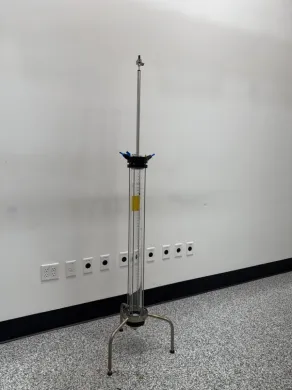
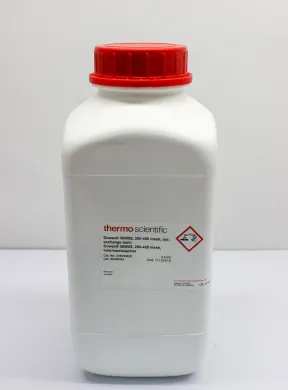
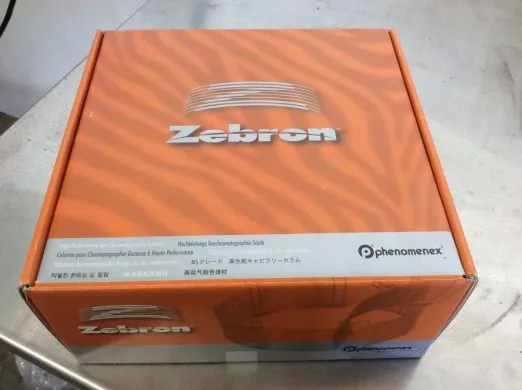
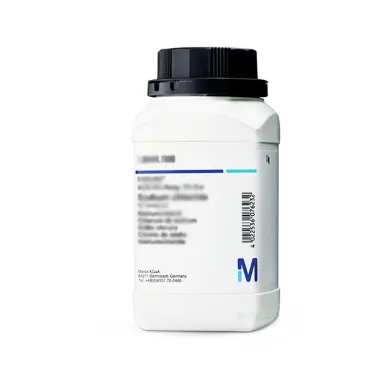
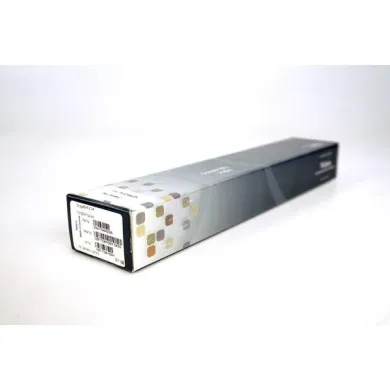
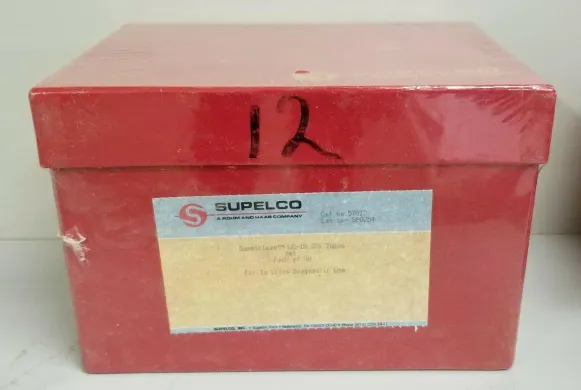
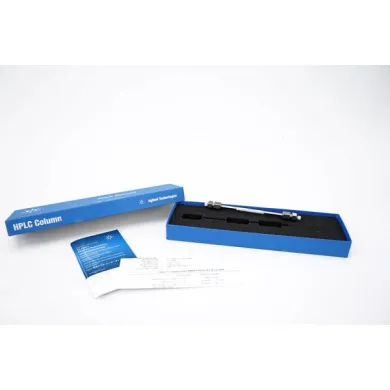
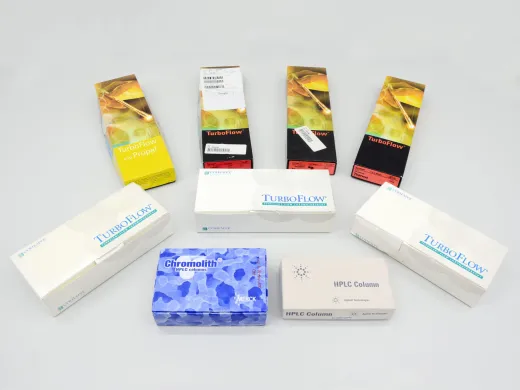
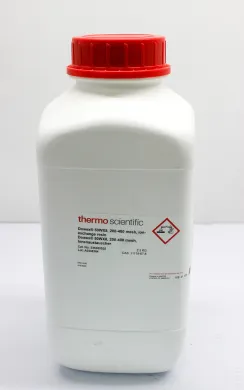

Not the exact instrument you need?
Tell our scientists what you are after. We track it down, including off-market supply.
Showing 1–40 of 150 listings
Show 40 more listingsBuying guide
The first thing to settle is the separation chemistry, because it fixes almost everything downstream. A reversed-phase C18 column and a cation exchange resin are not interchangeable tools at different price points; they separate on different principles, retain different analytes, and suit different sample matrices. Decide whether the method relies on hydrophobic interaction, ion exchange, size exclusion or normal phase first, and the column dimensions, particle size and pore size follow from the analytes and the pressure the instrument can hold. Particle size in particular trades resolution against backpressure: smaller particles sharpen peaks and raise the pressure a pump must deliver, which is why a method validated on one particle grade cannot be assumed to transfer to another.
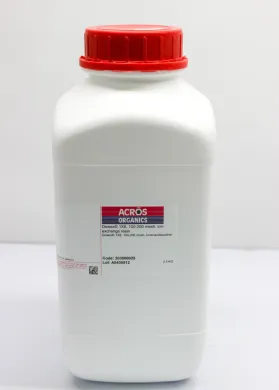
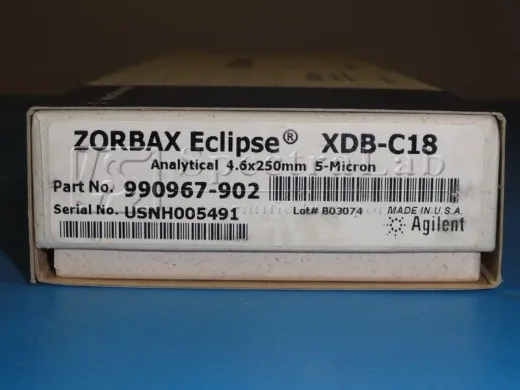
For a used column the history matters more than the specification printed on the hardware, because a stationary phase degrades with every injection. A C18 phase loses carbon load and retention over time, frits clog, and void volume opens at the inlet. Ask for the injection count if the seller has it, the samples the column last ran, and whether it was stored wet or allowed to dry out. A used ion exchange resin raises the same question in a different form: fouling and loss of binding capacity accumulate with use, and a resin sold loose gives no column-integrity signal at all. Where a listing carries a batch or lot number, that is what lets a buyer check the exact phase chemistry against a published method rather than guessing from the product name.
Where the price band sits depends heavily on format. Analytical HPLC columns and small resin quantities occupy the lower end, while preparative columns and larger packed beds reach the top. Across this catalogue prices run from EUR 9 to EUR 12.875, with an average of EUR 668, and that spread reflects the gap between a single analytical cartridge and a bulk preparative unit rather than any quality difference. A number of the listings are used, which keeps the entry cost of a trial column low, and refurbished and used media are listed for sale below the new equivalent. For a buyer on a fixed budget, the sensible move is to match the format to the scale of work: an analytical column for method development costs a fraction of what a preparative bed does, and overbuying format wastes budget that resolution would use better. The brands that occupy these bands, Agilent, Phenomenex, Acros Organics, Supelco, Thermo Scientific, set a reference point a buyer can cross-check against a method's original column.
Types of Chromatography media
Which chromatography media types are listed?
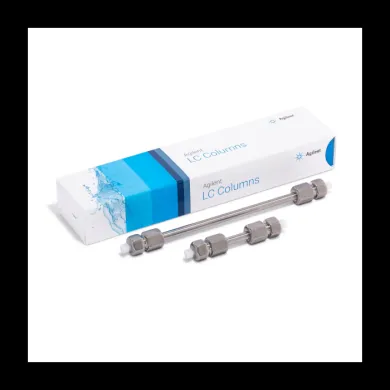
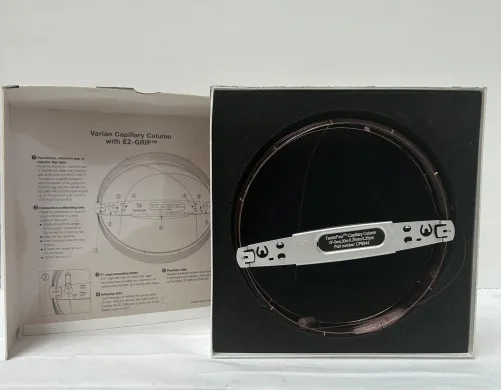
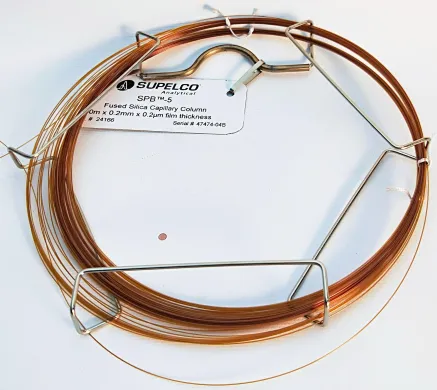
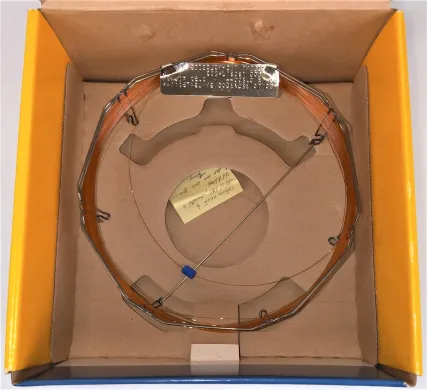
Among the listings that specify a type, the catalogue is led by HPLC columns and general chromatography columns, followed by reversed-phase columns, preparative columns, and cation and ion exchange resins. An HPLC column is a packed analytical column built to withstand high-pressure liquid chromatography, where the pump drives solvent through a dense bed of fine particles. A reversed-phase column packs a non-polar phase, typically C18, and retains analytes by hydrophobic interaction; it is the workhorse of small-molecule analysis and the first choice for most method development. Preparative chromatography columns are larger-bore and built to isolate and collect material rather than measure it, so they trade the resolution of an analytical column for throughput. Cation exchange and the broader ion exchange resins separate charged species by their affinity for a charged stationary phase, and are supplied as bulk media as often as packed columns. These media do protein purification and electrophoresis-adjacent sample cleanup in molecular biology, and reversed-phase columns underpin proteomics peptide separation ahead of mass spectrometry. Ion exchange chromatography resins are central to downstream bioprocessing and biomanufacturing, where they capture and polish monoclonal antibodies and other biologics. The same media serve molecular diagnostics and immunoassay reagent preparation, and size and ion exchange columns handle protein purification in genomics and proteomics workflows. Chromatography is also used for the quality control of cell culture media and bioprocessing feedstocks.
The brands behind the chromatography media listings
The names that recur here are Agilent, Phenomenex, Acros Organics, Supelco, Thermo Scientific. Their presence is useful to a buyer for reasons beyond reputation: an Agilent or Phenomenex column carries a published specification sheet, which means a used listing can be matched against a known phase chemistry and particle grade rather than trusted on its label. Columns from established makers also have documented equivalents and selectivity charts, so a buyer transferring a method can find the comparable part quickly. For resins, a named supplier such as Supelco or Thermo Scientific ties the material to a defined bead size and functional group, which is what makes a used lot usable at all. Replacement frits, end fittings and guard cartridges are more readily sourced for widely listed brands, and spare parts for these can be sourced via Questpair.
What a used chromatography column costs here
Of the listings in this catalogue, 76 percent are used, and the price range runs from EUR 9 to EUR 12.875 with an average of EUR 668. That spread covers everything from a single analytical cartridge to a bulk preparative column or a sizeable resin quantity, so the figure tells a buyer more about format than about condition. Used and new media sit side by side in the listings, and used and refurbished columns are priced below their new equivalents.
Frequently asked questions
What is a chromatography medium?
A chromatography medium is the stationary-phase material, whether packed in a column or supplied as bulk resin, that a sample passes through so its components separate by how strongly each interacts with the phase. The medium, not the instrument, determines the resolution of a separation.
What does chromatography media mean?
The term covers the solid or packed materials that provide the stationary phase in a chromatographic separation, including packed analytical columns, preparative columns and loose ion exchange resins. It is distinct from the mobile phase, the solvent or gas that carries the sample through.
How do chromatography media work?
A liquid or gas carries the sample through the medium, and each component is retained for a different length of time depending on its affinity for the stationary phase. Components that interact weakly elute first and those that interact strongly elute later, which is what produces the separation.
What types of chromatography media are there?
The listed types include HPLC columns, general chromatography columns, reversed-phase columns, preparative columns, cation exchange resins and broader ion exchange resins. Reversed-phase columns retain analytes by hydrophobic interaction, ion exchange resins separate by charge, and preparative columns are built for throughput rather than measurement.
What is chromatography media used for?
These media perform protein purification, peptide separation for proteomics ahead of mass spectrometry, and sample cleanup in molecular biology. Ion exchange resins are used in downstream bioprocessing to capture and polish monoclonal antibodies and other biologics, and chromatography also supports quality control of cell culture media and feedstocks.
How do I choose the right chromatography medium?
Settle the separation chemistry first, because it fixes nearly everything downstream: a reversed-phase C18 column and a cation exchange resin separate on different principles and are not interchangeable. Once the mechanism is set, the column dimensions, particle size and pore size follow from the analytes and the pressure the pump can hold.
What is the difference between refurbished and used chromatography media?
A used item is sold in its current condition, while a refurbished one has been reconditioned before listing, and both are priced below the new equivalent. For a column either way, the injection history and storage matter more than the label, because the stationary phase degrades with every run.
How much does chromatography media cost?
Prices in the catalogue range from EUR 9 to EUR 12.875, with an average of EUR 668. That spread reflects format rather than condition, since a single analytical cartridge sits far below a bulk preparative column or a sizeable resin quantity.
Which brands of chromatography media are worth considering?
The names that recur in the listings are Agilent, Phenomenex, Acros Organics, Supelco and Thermo Scientific. A column from an established maker carries a published specification sheet, so a used listing can be matched against a known phase chemistry and particle grade rather than trusted on its printed label.
Is there a warranty on refurbished chromatography media?
A warranty is often possible and is arranged in consultation for the specific listing. Because terms depend on the individual seller, check the listing itself for what applies.
Can I get replacement parts for chromatography columns?
Replacement frits, end fittings and guard cartridges are more readily sourced for widely listed brands, and these parts can be sourced via Questpair. Named brands with documented specifications make it easier to identify the correct matching component.
How long does chromatography media last?
Lifespan depends on use rather than age: a C18 phase loses carbon load and retention over time, frits clog, and void volume opens at the inlet with each injection. An ion exchange resin accumulates fouling and loses binding capacity, so a column's injection count tells you more than its calendar age.
Should I buy new or used chromatography media?
Used and refurbished media are listed below the price of new equivalents, which keeps the entry cost of a trial column low. For a used column, ask for the injection count, the last samples it ran and whether it was stored wet, since history matters more than the specification printed on the hardware.
Where can I buy chromatography media?
The Questpair catalogue holds 177 listings from 9 verified suppliers and distributors across 7 countries. New, used and refurbished items are listed together, spanning packed columns and bulk resins.
What are the lead time and shipping for chromatography media?
Lead time and shipping depend on the individual seller and the format of the item, since a single analytical cartridge ships differently from a bulk preparative column or a large resin lot. For a specific listing, Questpair specialists respond within one hour to questions about availability.
What calibration and maintenance does chromatography media need?
Media are not calibrated like an instrument, but their performance is tracked through system suitability runs that check retention, peak shape and resolution. Maintenance centres on storage: keep columns in a compatible solvent, avoid letting the phase dry out, and use guard cartridges to protect the main bed from sample fouling.
Which chromatography media types are listed most, and who reaches for which?
The catalogue is led by HPLC columns and general chromatography columns, followed by reversed-phase columns, preparative columns, and cation and ion exchange resins. Analysts developing small-molecule methods reach for reversed-phase C18 columns, bioprocessing teams reach for ion exchange resins to capture biologics, and groups isolating material rather than measuring it choose preparative columns.
Which brands dominate this category, and what does that mean for a buyer?
Agilent, Phenomenex, Acros Organics, Supelco and Thermo Scientific recur across the listings. For a buyer, a named brand ties a column to a documented phase chemistry and particle grade, or a resin to a defined bead size and functional group, which is what lets a used lot be matched against a published method rather than guessed from the product name.
What separates the cheapest chromatography media from the most expensive here?
The gap is driven by format rather than quality: analytical HPLC columns and small resin quantities occupy the lower end, while preparative columns and larger packed beds reach the top. Across the catalogue prices run from EUR 9 to EUR 12.875 with an average of EUR 668, and that spread reflects the difference between a single analytical cartridge and a bulk preparative unit.