

HPLC detectors
We personally find you the right used, refurbished and new hplc detectors instruments & equipment from verified suppliers.
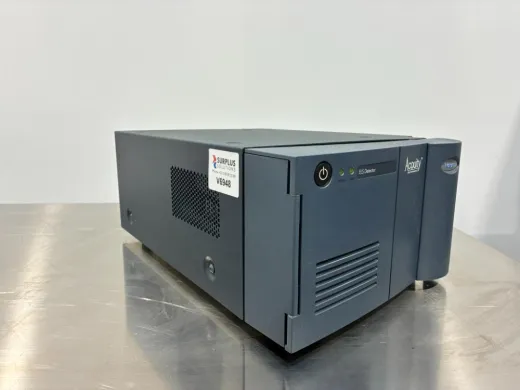
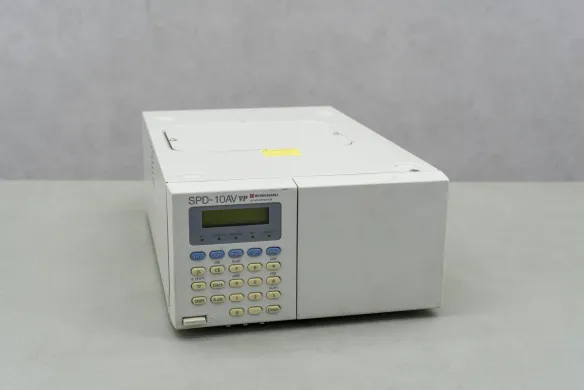
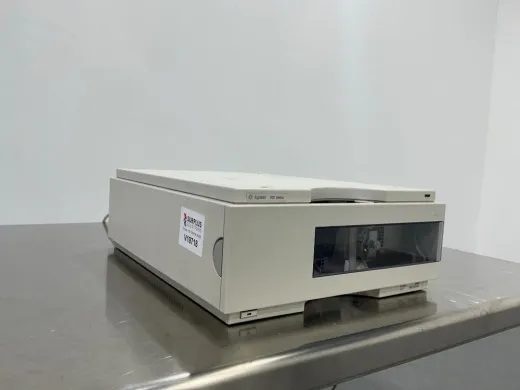
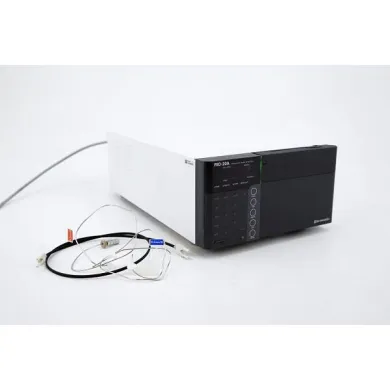
HPLC detectors are the sensing instruments that register analytes as they elute from a high-performance liquid chromatography column, converting a chemical signal into a chromatographic peak. They determine what a liquid chromatography system can measure and at what sensitivity, from ultraviolet absorbance to refractive index and fluorescence. The Questpair catalogue holds 277 HPLC detector listings from 12 verified suppliers and distributors across 7 countries. New, used and refurbished units appear here. 100 percent of the listings are used. Prices range from EUR 20 to EUR 64.567, a spread that separates a bare secondhand module from a complete, recently serviced analytical detector.
Updated:
HPLC detectors product list
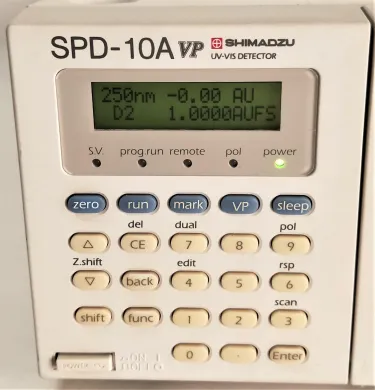
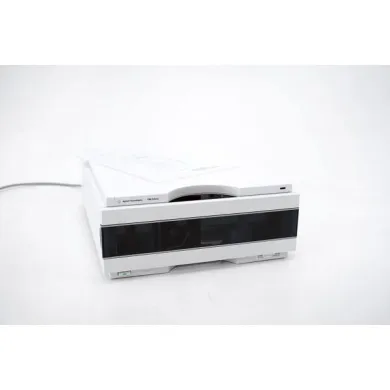
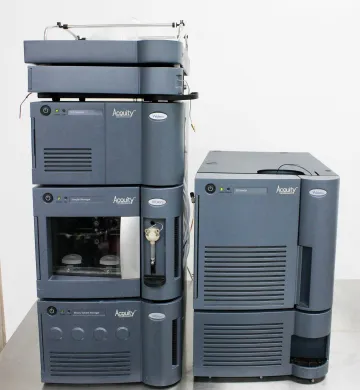


Not the exact instrument you need?
Tell our scientists what you are after. We track it down, including off-market supply.
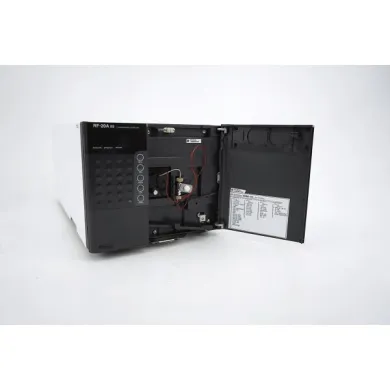
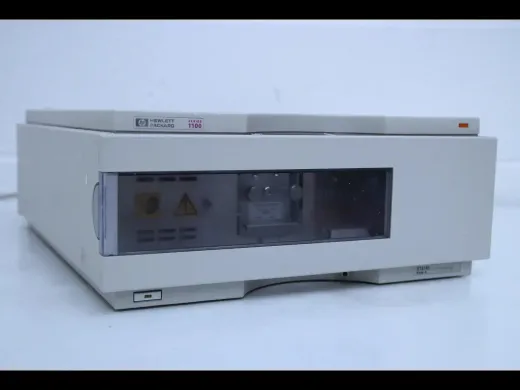
Not the exact instrument you need?
Tell our scientists what you are after. We track it down, including off-market supply.
Showing 1–40 of 194 listings
Show 40 more listingsBuying guide
The detection principle settles the purchase before anything else, because it fixes what the instrument can see. A UV-Vis detector responds only to compounds that absorb ultraviolet or visible light, which covers most pharmaceutical and small-molecule work. A refractive index detector sees anything that differs optically from the mobile phase, so it reads sugars and polymers that carry no chromophore, at the cost of sensitivity and gradient compatibility. A photodiode array captures a full spectrum at every time point, which matters when a peak has to be identified rather than merely counted. Match the principle to the analyte first; a detector bought on brand or price that cannot see the compound of interest is worthless whatever its condition.
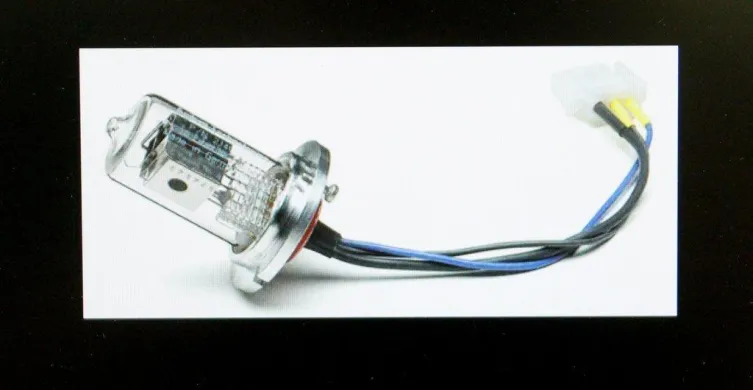
On a used unit, the lamp and the flow cell carry the history. A deuterium lamp has a finite rated life and dims with hours, so a module sold without a lamp hour reading is an unknown quantity, and a replacement lamp is a real line in the budget. The flow cell is the second check: cells scratch, leak and accumulate deposits, and a fouled cell raises baseline noise in a way that no cleaning fully reverses. Ask for a recent baseline trace or a noise specification rather than a photograph. Confirm the control interface too, since an older detector may speak a protocol the buyer's current chromatography data system no longer drives.
Price tracks these variables closely. At the low end of the Questpair range a unit may cost little more than its shipping, typically a bare module stripped of lamp and documentation, suited to a buyer who already holds spares. A fully specified photodiode array with a current lamp and a serviced cell sits far higher, and the average listing falls well below a new instrument of the same class, which is where a refurbished detector fits a constrained budget. The brands that occupy this band, Waters, Agilent and Shimadzu among them, hold their value because parts and documentation stay available, so an affordable unit for sale from one of these makers carries less risk than an orphaned model from a discontinued line.
Types of HPLC detectors
Which HPLC detector types are listed here?
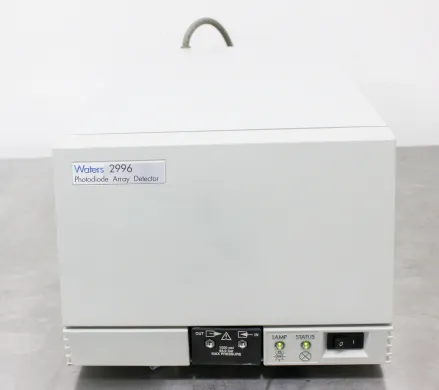
Among the listings that specify a type, the catalogue runs from the broad hplc detector and analytical detector labels down to the specific detection principles. The uv-vis detector is the general workhorse, reading absorbance at one or two selected wavelengths for routine quantification. The photodiode array detector sits above it, recording the complete ultraviolet to visible spectrum at once, which is what a method developer reaches for when a peak must be confirmed by its spectrum, not just timed. Broader entries such as liquid chromatography detector and chromatography detector cover the refractive index, fluorescence and electrochemical modules that fall outside the UV family, each tuned to a class of analyte the others cannot reach.
In the life sciences these detectors do the reading in liquid chromatography based assays. A photodiode array is standard in pharmaceutical analysis and in the purity checks behind small-molecule drug work. UV and fluorescence detection carry much of protein purification monitoring and peptide mapping in proteomics, where a tryptic digest is separated and each fragment read off the chromatogram. HPLC detection also supports metabolomics and clinical molecular diagnostics, where amino acid analysis and vitamin assays depend on a stable baseline and a lamp with life left in it. Fluorescence modules extend sensitivity into the trace range needed for immunoassay standard curves and residue testing. These are the fields a buyer is equipping when sourcing a detector rather than a bare pump or column.
The brands behind the HPLC detector listings
The listings concentrate among Waters, Agilent, Agilent Technologies, Shimadzu, Thermo Scientific. For a buyer this concentration is practical rather than a ranking. These are the makers whose detectors appear often enough on the secondhand market that a given model can be compared across several listings, and whose lamps, flow cells and seals remain in circulation. A module from one of these lines is easier to price, easier to match against a known specification, and easier to keep running once the original lamp dims. Parts for any of them can be sourced via Questpair. Spread across 12 verified suppliers and distributors, the same model often sits at more than one condition and price point, which lets a buyer weigh a cheaper bare unit against a dearer serviced one.
What a used HPLC detector costs here
Every current listing is used: 100 percent of the listings are used. Prices run from EUR 20 to EUR 64.567. That range covers the full span from a stripped module to a complete, recently maintained photodiode array, and the average listing settles at EUR 4.913. A used detector is listed below the price of a comparable new instrument, which is the firm claim this comparison supports. Where a warranty matters, it is arranged in consultation for the specific listing rather than set centrally, so the individual listing is where a buyer confirms both condition and terms.
Frequently asked questions
What is an HPLC detector?
An HPLC detector is the sensing instrument that registers analytes as they elute from a high-performance liquid chromatography column, turning a chemical signal into a chromatographic peak. It sets what a liquid chromatography system can measure and at what sensitivity.
What does HPLC detector mean?
The term refers to the module in an HPLC system that reads the separated compounds after they leave the column. It does not separate anything itself; it detects what the column has already resolved and reports it as a signal over time.
How do HPLC detectors work?
They respond to a physical property of the eluting compound, such as ultraviolet absorbance, refractive index change, or fluorescence, and convert that response into an electrical signal plotted as a peak. The detection principle determines which compounds produce a signal and which pass unseen.
What types of HPLC detector are there?
The catalogue runs from broad labels like hplc detector, analytical detector and chromatography detector down to specific principles. The uv-vis detector reads absorbance at selected wavelengths, the photodiode array detector records the full UV to visible spectrum at once, and liquid chromatography detector covers refractive index, fluorescence and electrochemical modules outside the UV family.
What are HPLC detectors used for?
They do the reading in liquid chromatography based assays across pharmaceutical analysis, protein purification, peptide mapping, metabolomics and clinical diagnostics. Applications include small-molecule purity checks, amino acid and vitamin assays, and residue testing where fluorescence extends sensitivity into the trace range.
How do I choose an HPLC detector?
Match the detection principle to your analyte first, since that fixes what the instrument can see. A UV-Vis detector only reads compounds that absorb UV or visible light, a refractive index detector reads chromophore-free compounds like sugars at lower sensitivity, and a photodiode array captures a full spectrum when peaks must be identified rather than counted.
What is the difference between a refurbished and a used HPLC detector?
A used detector is sold in its existing condition, while a refurbished unit has had service work and checks applied before sale. On this page every current listing is used, and condition details are stated on the individual listing.
How much does an HPLC detector cost?
Listings range from EUR 20 to EUR 64.567, with the average at EUR 4.913. The low end is typically a bare module without lamp or documentation, while the high end is a fully specified detector with a current lamp and a serviced cell.
Which brands make HPLC detectors?
The listings concentrate among Waters, Agilent, Agilent Technologies, Shimadzu and Thermo Scientific. These are the makers whose detectors appear often enough on the secondhand market to compare one model across several listings.
Is there a warranty on a refurbished HPLC detector?
A warranty is often possible and is arranged in consultation for the specific listing rather than set centrally. Confirm both condition and terms on the listing itself before buying.
Can I get parts for an HPLC detector?
Parts such as lamps, flow cells and seals can be sourced via Questpair. The brands that dominate the listings tend to have parts that stay in circulation, which makes keeping a module running more practical.
How long does an HPLC detector last?
The detector body outlives its consumables, but the deuterium lamp has a finite rated life and dims with hours of use, and the flow cell can scratch, leak or accumulate deposits over time. Lifespan in practice depends on lamp hours and flow cell condition, which is why both are the key checks on a used unit.
Should I buy a new or a refurbished HPLC detector?
Used and refurbished units are listed at lower prices than new, and the average listing here falls well below a new instrument of the same class. Where warranty matters, it is arranged in consultation for the specific listing, so check the listing to weigh a cheaper bare unit against a dearer serviced one.
Where can I buy an HPLC detector?
The Questpair catalogue holds 277 HPLC detector listings from 12 verified suppliers and distributors across 7 countries. The same model often appears at more than one condition and price point.
What are the lead time and shipping on an HPLC detector?
Lead time and shipping depend on the individual supplier and the item's location, since listings come from verified suppliers and distributors across 7 countries. Check the specific listing for its availability and dispatch details.
How are HPLC detectors calibrated and maintained?
Routine upkeep centres on lamp replacement when output drops, flow cell cleaning to control baseline noise, and wavelength verification against a known standard. Ask a seller for a recent baseline trace or noise specification rather than a photograph to gauge the condition of a used unit.
Which HPLC detector types are listed most, and who buys which?
The uv-vis detector is the general workhorse for routine quantification, while the photodiode array detector sits above it for method developers who need peak confirmation by spectrum. Broader entries such as liquid chromatography detector and chromatography detector cover refractive index, fluorescence and electrochemical modules for analytes the UV family cannot reach.
Which brands dominate this category, and what does that mean for me as a buyer?
Listings concentrate among Waters, Agilent, Shimadzu and Thermo Scientific, which means a given model can usually be compared across several listings and its lamps and cells stay in circulation. A module from one of these lines is easier to price, easier to match against a known specification, and easier to keep running than an orphaned model from a discontinued line.
What separates the cheapest HPLC detectors here from the most expensive?
At the low end near EUR 20 a unit is typically a bare module stripped of lamp and documentation, suited to a buyer who already holds spares. At the high end near EUR 64.567 sits a fully specified detector, often a photodiode array, with a current lamp and a serviced flow cell, so the gap reflects lamp life, cell condition and completeness rather than the detection principle alone.