

Medium-pressure columns
We personally find you the right used, refurbished and new medium-pressure columns instruments & equipment from verified suppliers.
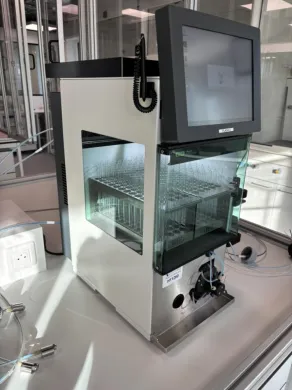
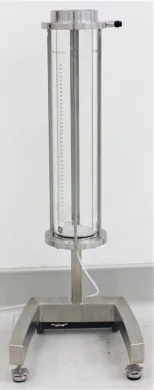
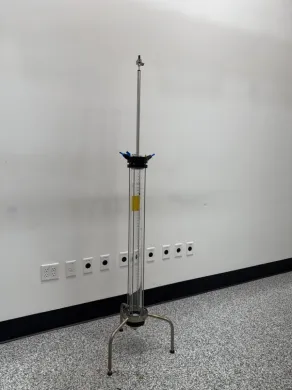
Medium-pressure columns are chromatography columns built to operate at pressures between the low backpressures of gravity and flash systems and the high pressures of analytical HPLC, typically from a few bar up to the low tens of bar. They separate compounds by passing a liquid sample through a packed bed, and are used across preparative purification, protein work and bioprocess development where larger sample loads rule out analytical-scale hardware. The Questpair catalogue holds 506 listings from 15 verified suppliers and distributors across 9 countries, in new, used and refurbished condition. Among these, 87 percent of the listings are used. Prices run from EUR 9 to EUR 150.656.
Updated:
Medium-pressure columns product list


Not the exact instrument you need?
Tell our scientists what you are after. We track it down, including off-market supply.

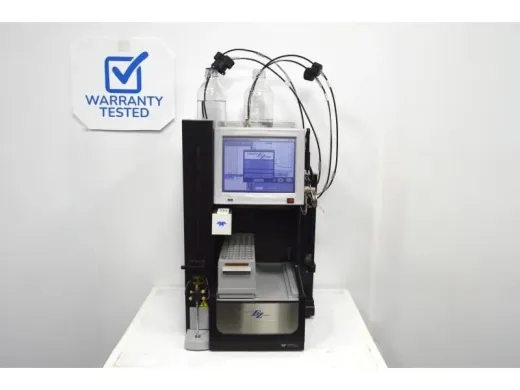

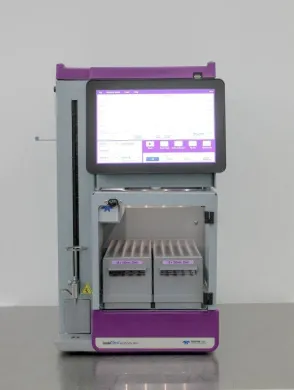
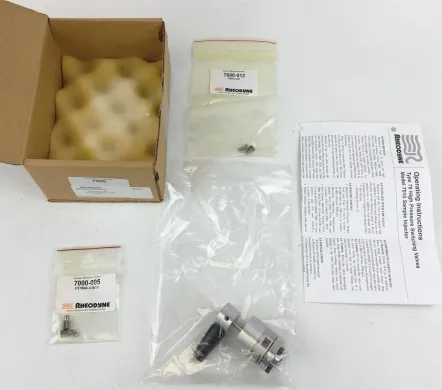
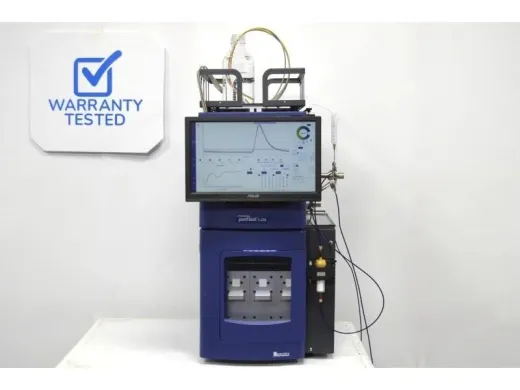
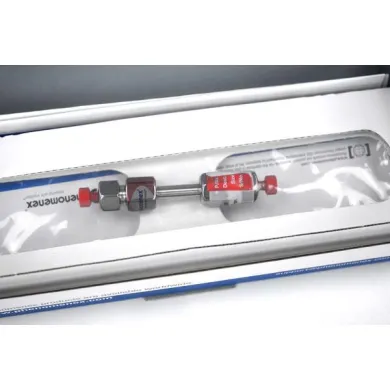
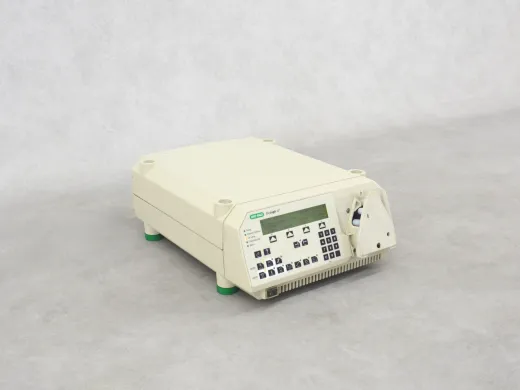
Not the exact instrument you need?
Tell our scientists what you are after. We track it down, including off-market supply.
Showing 1–40 of 309 listings
Show 40 more listingsBuying guide
The dimension that settles most purchases in this category is the column bed itself: its internal diameter and length, and the pressure rating that follows from how it is built. Those two figures fix how much material a column can process in one run and how fast the mobile phase can move through the packed bed without the hardware failing. A buyer separating gram quantities of a synthetic intermediate needs a wider bore than one polishing a few milligrams of protein, and the pressure rating has to match the pump and the resin backpressure rather than sit far above or below it. Read the bore, the length and the maximum working pressure together, because a column rated well past what the rest of the system delivers buys nothing, and one rated below it is a hazard.
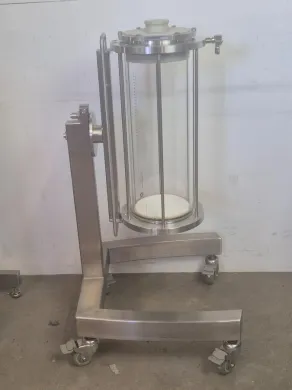
Wetted material is the second thing to pin down, and it is tied to what the column will purify. Stainless steel bodies tolerate the solvents and pressures of preparative organic chemistry; glass and biocompatible polymer bodies suit aqueous protein and bioprocess work where metal ions and adsorption matter. A column designed for one of these is often wrong for the other, so the material is not a detail to leave until last.
On a used column the checks shift from the datasheet to the physical unit. Frits and seals wear, end fittings can be scored, and a packed bed left standing may have channelled or dried. Ask whether the unit arrives packed or empty, what resin it last held, and whether the frits and O-rings have been replaced. A glass body wants inspection for cracks and chips around the fittings; a steel body wants its threads and wetted surfaces checked for corrosion and pitting. Warranty on a used column is arranged in consultation for the specific listing, so the condition notes on that listing carry weight.
Price spans a wide band here. What a column costs ranges from EUR 9 to EUR 150.656, with the average listing around EUR 4.740. The low end covers small glass columns, spare tubes and fittings; the high end covers large preparative and bioprocess assemblies. Buyers working to a fixed budget will find that used and refurbished columns are more affordable than new, and the brands that occupy the range are Cytiva, GE, Acros Organics, Waters, Agilent. Cytiva and the earlier GE Healthcare lines dominate the protein and bioprocess end, while the analytical-instrument makers sit alongside them on the preparative side.
Types of Medium-pressure columns
Which column types are listed here?
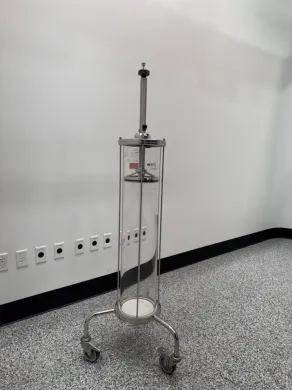
Among the listings that specify a type, the catalogue holds preparative chromatography columns, general chromatography columns, protein purification columns, stainless steel and glass-bodied columns, and bioprocess chromatography equipment. The preparative columns are the workhorses for isolating useful quantities of a compound from a mixture, built with wider bores than analytical hardware so a chemist or a process developer can load more material per run. Protein purification columns are a biology-facing variant of the same idea, packed with affinity, ion-exchange or size-exclusion media and reached for in protein purification, cell culture harvest clarification and the downstream steps of molecular biology work. These are the columns behind antibody capture and tagged-protein isolation in a bioprocessing setting, and the same hardware supports immunoassay reagent preparation and the protein inputs to proteomics.
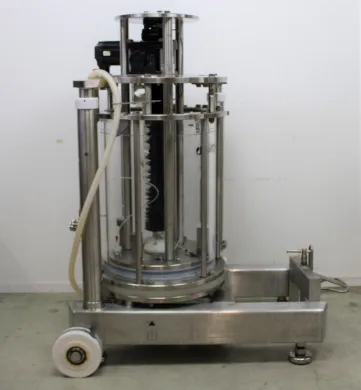
The split between stainless steel and glass bodies tracks the chemistry rather than the brand. Steel columns handle the organic solvents and higher pressures of preparative separations; glass columns, often biocompatible throughout, suit the aqueous buffers of protein and bioprocess runs where metal contact is a problem. Bioprocess chromatography equipment covers the larger assemblies used in biomanufacturing, also used for the pilot and development stages that feed molecular diagnostics and biologics production.
The brands behind the medium-pressure column listings
The names that recur are Cytiva, GE, Acros Organics, Waters, Agilent. Cytiva and the older GE Healthcare lines carry the protein and bioprocess side, which matters to a buyer because their column and resin families are widely documented and easy to match against a known method. Waters and Agilent appear on the preparative and analytical-adjacent side, and Acros Organics sits among the suppliers of columns and consumables. A well-represented brand makes a used unit easier to compare and its frits, seals and spare tubes easier to source. Parts can be sourced via Questpair when a column needs them.
What a used medium-pressure column costs here
New and used columns are both listed, and 87 percent of the listings are used. Prices run from EUR 9 to EUR 150.656, averaging around EUR 4.740. That spread covers everything from a single glass column or a set of fittings at the low end to a full preparative or bioprocess assembly at the high end, which is why the range is as wide as it is. Used and refurbished units are listed below new prices, so a buyer weighing the two is really weighing the condition notes on a specific listing against the saving.
Frequently asked questions
What is a medium-pressure column?
It is a chromatography column built to run at pressures above gravity and flash systems but below analytical HPLC, typically from a few bar up to the low tens of bar. The sample passes through a packed bed, and compounds separate as they move through at different rates.
What does medium-pressure mean in this context?
It refers to the working pressure range the column is designed to handle, sitting between the low backpressures of gravity and flash chromatography and the high pressures of analytical HPLC. The rating comes from how the column body and fittings are built.
How do medium-pressure columns work?
A pump pushes a liquid mobile phase carrying your sample through a bed packed with a chosen medium. Compounds interact with that medium to different degrees, so they exit the column at different times and separate into fractions.
What types of medium-pressure columns are there?
The catalogue lists preparative chromatography columns, general chromatography columns, protein purification columns, stainless steel and glass-bodied columns, and bioprocess chromatography equipment. The split between steel and glass tracks the chemistry: steel for organic solvents and higher pressures, glass for aqueous buffers where metal contact is a problem.
What are medium-pressure columns used for?
They handle preparative purification, protein work and bioprocess development where larger sample loads rule out analytical-scale hardware. Applications include isolating useful quantities of a synthetic compound, antibody capture, tagged-protein isolation and the downstream steps of molecular biology and biologics production.
How do I choose the right medium-pressure column?
Start with the column bed: its internal diameter and length fix how much material you can process per run, and the pressure rating must match your pump and resin backpressure rather than sit far above or below it. Then pin down the wetted material, steel for preparative organic chemistry or glass and biocompatible polymer for aqueous protein and bioprocess work.
What is the difference between refurbished and used columns?
Used listings describe the column as it stands, while refurbished means work has been done on it, which for a column usually means replaced frits, seals or O-rings. On both, read the condition notes for what resin it last held, whether it arrives packed or empty, and the state of the fittings and body.
How much does a medium-pressure column cost?
Prices in the catalogue range from EUR 9 to EUR 150.656, averaging around EUR 4.740. The low end covers single glass columns, spare tubes and fittings, and the high end covers full preparative or bioprocess assemblies.
Which brands make medium-pressure columns?
The names that recur are Cytiva, GE, Acros Organics, Waters and Agilent. Cytiva and the older GE Healthcare lines carry the protein and bioprocess side, Waters and Agilent appear on the preparative and analytical-adjacent side, and Acros Organics sits among the suppliers of columns and consumables.
Can I get a warranty on a refurbished column?
A warranty is often possible and is arranged in consultation for the specific listing. Because the condition of each used or refurbished unit differs, the notes on that listing carry the weight.
Can I get parts for a medium-pressure column?
Parts such as frits, seals and spare tubes can be sourced via Questpair. A well-represented brand makes those consumables easier to match to a known column family.
How long does a medium-pressure column last?
The body itself can last for many years if kept free of corrosion, cracks and pitting, while wear parts like frits, seals and O-rings are replaced over time. A glass body wants inspection around the fittings for chips and cracks, and a steel body wants its threads and wetted surfaces checked for corrosion.
Should I buy new or refurbished?
Used and refurbished columns are listed at lower prices than new, so the decision comes down to weighing the condition notes on a specific listing against the saving. Warranty on either is arranged in consultation for that listing.
Where can I buy a medium-pressure column?
The Questpair catalogue holds 506 listings from 15 verified suppliers and distributors across 9 countries, in new, used and refurbished condition. You can compare listings there by type, body material and pressure rating.
What are the lead time and shipping like?
Both depend on the individual listing and the supplier holding the unit, since stock sits across 15 suppliers in 9 countries. The listing and the supplier are the place to confirm timing before you commit.
How are medium-pressure columns calibrated and maintained?
Columns are not calibrated in the sense an analyser is; maintenance centres on replacing worn frits, seals and O-rings and keeping the body free of corrosion, cracks and channelled or dried beds. Questpair does not carry out servicing, but replacement parts can be sourced through it.
Which column types are listed most and who reaches for each?
Preparative columns are the workhorses for isolating gram quantities from a mixture, reached for by chemists and process developers who need wider bores than analytical hardware. Protein purification columns, packed with affinity, ion-exchange or size-exclusion media, are the biology-facing variant used in protein capture, cell culture harvest clarification and downstream molecular biology.
Which brands dominate this category and what does that mean for a buyer?
Cytiva and the earlier GE Healthcare lines dominate the protein and bioprocess end, while Waters and Agilent sit alongside them on the preparative side. Because those column and resin families are widely documented, a used unit is easier to compare and its spare parts easier to match against a known method.
What separates a cheap medium-pressure column from an expensive one?
The low end of the band is a single glass column, a set of fittings or spare tubes, while the high end is a full preparative or bioprocess assembly with a large bed and the surrounding hardware. Bore, length and the wetted material drive most of that difference, since a wider steel preparative column costs more than a small glass one.