

HPLC columns
We personally find you the right used, refurbished and new hplc columns instruments & equipment from verified suppliers.
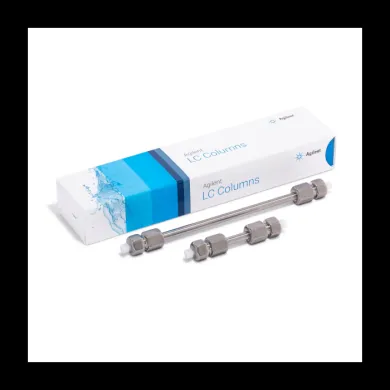
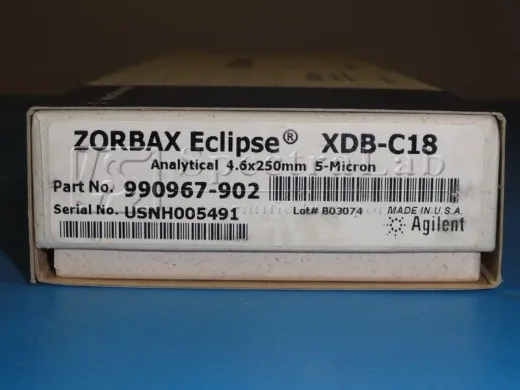
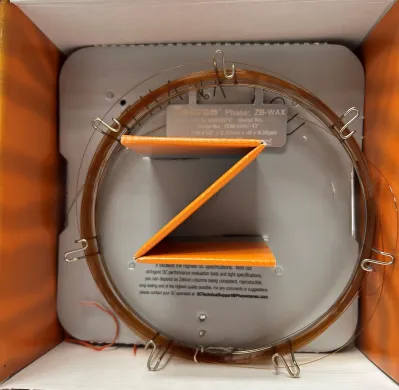
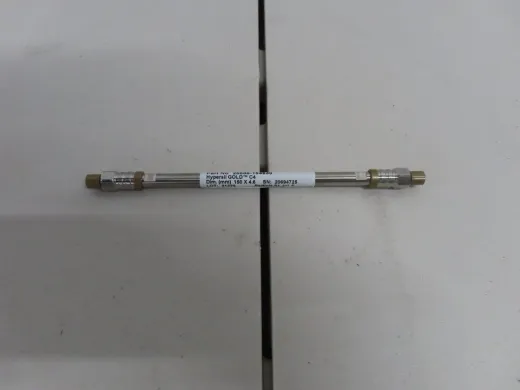
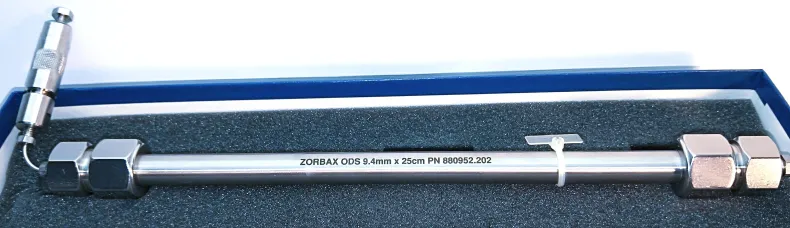
HPLC columns are the separation core of a high-performance liquid chromatography system, packed tubes through which a pressurised mobile phase carries a sample so that its components elute at different times. The column holds the stationary phase, usually silica particles bonded with a specific chemistry, and that chemistry decides what separates and how well. On Questpair the catalogue runs to 207 listings from 11 verified suppliers and distributors across 10 countries. New, used and refurbished columns are listed, and 91 percent of the listings are used. Prices run from EUR 9 to EUR 12.913. A laboratory sourcing a replacement or a second-hand instrument column works from the same figures.
Updated:
HPLC columns product list
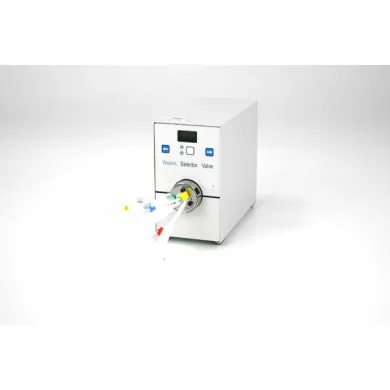


Not the exact instrument you need?
Tell our scientists what you are after. We track it down, including off-market supply.
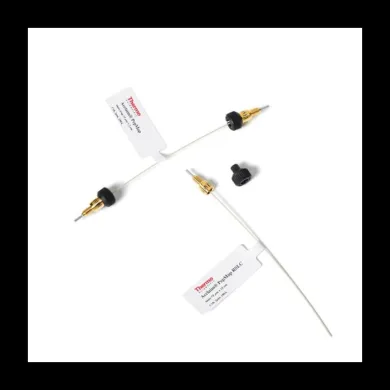
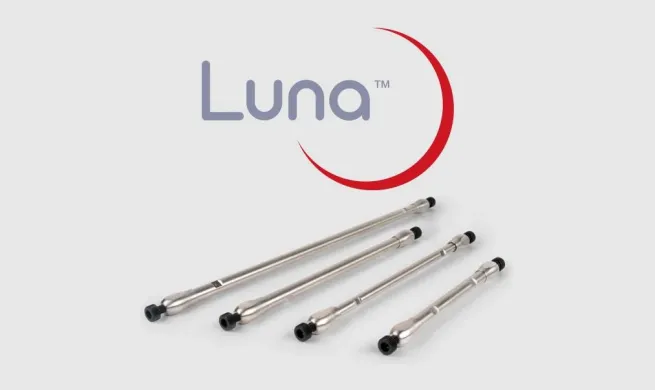
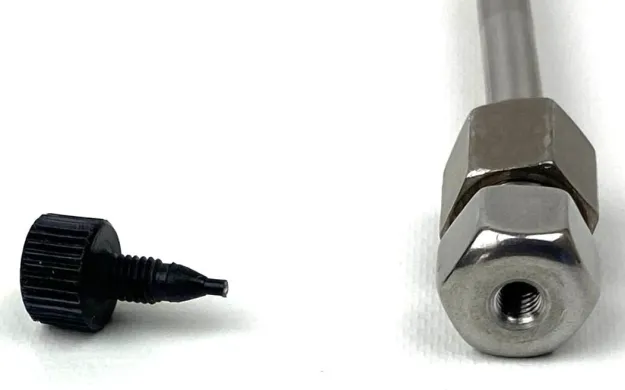
Not the exact instrument you need?
Tell our scientists what you are after. We track it down, including off-market supply.
Showing 1–40 of 223 listings
Show 40 more listingsBuying guide
What the stationary phase decides
The bonded chemistry settles an HPLC column purchase before any other specification, because it determines which separations the column can perform at all. A reversed-phase C18 column retains non-polar compounds and is the default for most small-molecule work; a C8, phenyl, HILIC or ion-exchange phase exists for the cases C18 cannot resolve. Match the phase to the analyte and the method first, then read the dimensions. Internal diameter sets the flow regime: a 4.6 mm analytical column suits a conventional pump, a 2.1 mm column feeds a mass spectrometer at lower flow, and a nano column serves nano-electrospray work. Particle size trades resolution against back-pressure, with sub-2-micron packings demanding a UHPLC-rated system. Length follows from how much resolving power the method needs.
Once the phase and dimensions are fixed, a used column is worth more scrutiny than a new one, because a chromatography column wears in ways a datasheet never shows. Ask for the injection count if the seller has it, and for the applications it ran: a column used for dirty biological matrices ages faster than one run on clean standards. A test chromatogram, or a plate-count figure from a recent standard, tells you whether the packing has voided or the frits have fouled. Confirm the column has not been stored dry if it is a phase that must stay wetted. The serial number should match the maker's label so the bonding batch can be traced.
Where the price band sits follows from all of this. Across the catalogue listings run from EUR 9 to EUR 12.913, with an average near EUR 972. The low end covers guard columns and short analytical cartridges; the high end covers preparative columns and specialist phases. What a column costs is driven far more by its chemistry and dimensions than by its condition, so a budget set by application rather than by a round number tends to hold. Refurbished and used columns listed for sale are more affordable than new, which matters most for method development where several phases are trialled. The brands that dominate the listings, Agilent, Waters, Thermo Scientific, Phenomenex, Agilent Technologies, are also the ones a buyer can most easily cross-reference against a published method, since methods are usually written around a named column.
Types of HPLC columns
Which HPLC column types are listed here?
Among the listings that specify a type, hplc column, chromatography column, nano-electrospray ionization source, reversed-phase chromatography column, analytical column, analytical chromatography column account for most of the catalogue. The spread is narrower than the names suggest, because several describe the same object at different levels of detail. A reversed-phase chromatography column is the workhorse: a silica base bonded with a hydrocarbon chain, used wherever compounds separate by polarity. An analytical column is defined by scale rather than chemistry, a narrow-bore format sized to quantify rather than to collect, which is what most laboratories reach for in routine analysis. The nano-electrospray ionization source sits at the interface between a nano-scale column and a mass spectrometer, and appears here because these columns are sold alongside the sources that feed them.
In the life sciences these columns do the separations that underpin proteomics and metabolomics. Reversed-phase nano columns resolve tryptic peptides ahead of mass spectrometric detection, the standard front end for bottom-up proteomics, and a buyer searching for a proteomics HPLC column or a peptide separation column is looking for exactly this format. Size-exclusion and ion-exchange variants serve protein purification and the characterisation of monoclonal antibodies, work that also draws on these columns for biomanufacturing quality control. HILIC phases separate polar metabolites in metabolomics, and the same reversed-phase chemistry handles small-molecule molecular diagnostics and immunoassay method development. A laboratory running a liquid chromatography mass spectrometry workflow in genomics-adjacent or biomanufacturing settings specifies the column by phase, dimension and particle size together.
The brands behind the HPLC column listings
The listings are dominated by Agilent, Waters, Thermo Scientific, Phenomenex, Agilent Technologies. For a buyer that dominance is useful well beyond name recognition. Published methods are almost always written around a named column, so when the dominant brands are also the ones in the catalogue, a method can be reproduced on the same hardware it was developed on. Replacement frits, guard cartridges and end-fittings are easiest to source for these makers, and a model from a common line is simpler to compare against a second listing on specification alone. Parts for these columns can be sourced via Questpair.
What a used HPLC column costs here
New, used and refurbished columns are listed. 91 percent of the listings are used. Prices range from EUR 9 to EUR 12.913, averaging around EUR 972, a spread that covers everything from a guard cartridge to a preparative column. Used and refurbished columns are listed below the price of new. Where a listing leaves a warranty question open, that is arranged in consultation for the specific column rather than set centrally, so the individual listing is where a buyer confirms it.
Frequently asked questions
What is an HPLC column?
An HPLC column is a packed tube inside a high-performance liquid chromatography system through which a pressurised mobile phase carries a sample so its components separate and elute at different times. It holds the stationary phase, usually bonded silica particles, and that chemistry decides what the column can separate.
What does HPLC column mean?
HPLC stands for high-performance liquid chromatography, so an HPLC column is the separation element of that technique. The name refers to the pressurised liquid flow that distinguishes it from lower-pressure chromatography formats.
How do HPLC columns work?
A pump pushes the mobile phase and the dissolved sample through the packed column under pressure, and each compound interacts with the bonded stationary phase to a different degree. Compounds that interact less move through faster and elute first, which produces the separation that a detector then measures.
What types of HPLC columns are there?
The listings here cover HPLC columns, chromatography columns, reversed-phase chromatography columns, analytical columns, and nano-electrospray ionization sources that feed nano-scale columns. These labels overlap because they describe the same object at different levels of detail, from the general to the specific phase or scale.
What are HPLC columns used for?
They perform the separations behind routine analysis, proteomics, metabolomics, protein purification and small-molecule diagnostics. Reversed-phase columns handle most small-molecule and peptide work, while size-exclusion, ion-exchange and HILIC phases cover proteins and polar metabolites.
How do I choose an HPLC column?
Match the bonded chemistry to your analyte and method first, since the phase determines which separations are possible at all, then fix the internal diameter, particle size and length. A 4.6 mm column suits a conventional pump, a 2.1 mm column feeds a mass spectrometer, and sub-2-micron packings require a UHPLC-rated system.
What is the difference between a refurbished and a used HPLC column?
A used column is sold in its existing condition, while a refurbished one has been reconditioned before listing. For either, ask for the injection count, the applications it ran, and a recent plate-count or test chromatogram, because packing and frit condition matter more than the label.
How much does an HPLC column cost?
Across the catalogue prices range from EUR 9 to EUR 12.913, averaging around EUR 972. The low end covers guard columns and short analytical cartridges, and the high end covers preparative columns and specialist phases.
Which brands of HPLC column are available?
The listings are dominated by Agilent, Waters, Thermo Scientific, Phenomenex and Agilent Technologies. Because published methods are usually written around a named column, these brands let you reproduce a method on the same hardware it was developed on.
Is there a warranty on a refurbished HPLC column?
A warranty is often possible and is arranged in consultation for the specific listing rather than set across the board. Confirm the terms on the individual listing before you buy.
Can I get replacement parts for an HPLC column?
Parts such as frits, guard cartridges and end-fittings can be sourced via Questpair, and they are easiest to find for the brands that dominate the listings. A model from a common line is simpler to match against spares than an uncommon one.
How long does an HPLC column last?
Lifespan depends on injection count, sample cleanliness and how the column is stored, not on a fixed time. A column run on dirty biological matrices ages faster than one used only on clean standards, which is why the injection count and application history are worth asking for on a used column.
Should I buy a new or refurbished HPLC column?
Used and refurbished columns are listed at lower prices than new, which matters most during method development when several phases are trialled. Since the cost is driven more by chemistry and dimensions than by condition, weigh the saving against the wear history on the individual listing.
Where can I buy an HPLC column?
Questpair lists HPLC columns from 11 verified suppliers and distributors across 10 countries, totalling 207 listings. New, used and refurbished columns all appear in the catalogue.
What is the lead time and shipping on an HPLC column?
Lead time and shipping depend on the individual supplier and listing rather than a single policy. The listing is where you confirm availability and dispatch for the specific column.
How do I maintain an HPLC column?
Keep phases that must stay wetted from drying out, use a guard column to protect the packing, and flush according to the method to avoid fouling the frits. A periodic plate-count check on a known standard tells you whether the packing has voided.
Which HPLC column types are listed most, and who reaches for each?
Reversed-phase and analytical columns account for much of the catalogue: the analytical format, defined by its narrow bore, is what laboratories reach for in routine quantification, while reversed-phase C18 is the default for small-molecule work. Nano columns paired with nano-electrospray sources serve proteomics labs running peptide separations into a mass spectrometer.
What does it mean for a buyer that a few brands dominate the listings?
With Agilent, Waters, Thermo Scientific and Phenomenex making up the bulk of the listings, a buyer can cross-reference a column against a published method and compare one listing against another on specification alone. Guard cartridges, frits and fittings for these makers are also the simplest to source.
What separates the cheapest HPLC columns from the most expensive?
The gap is driven mainly by chemistry and dimensions rather than condition: guard columns and short analytical cartridges sit at the bottom, and preparative columns and specialist phases sit at the top. A budget set by application rather than a round number tends to hold across the EUR 9 to EUR 12.913 range.