

HPLC autosamplers
We personally find you the right used, refurbished and new hplc autosamplers instruments & equipment from verified suppliers.
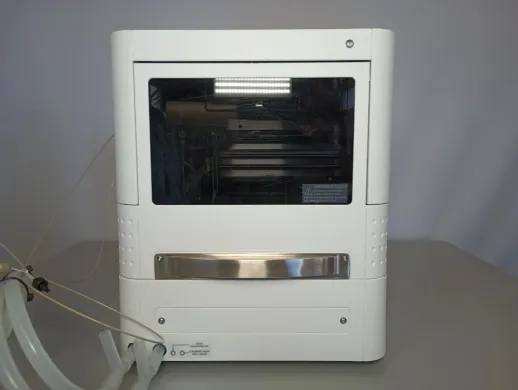
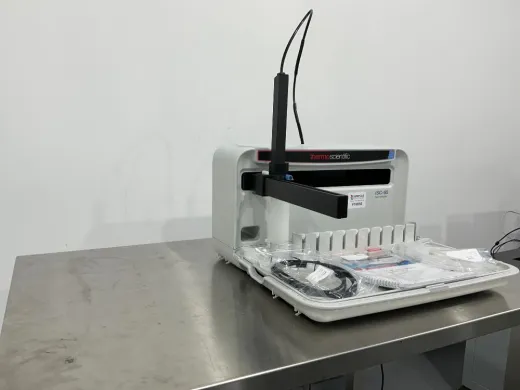
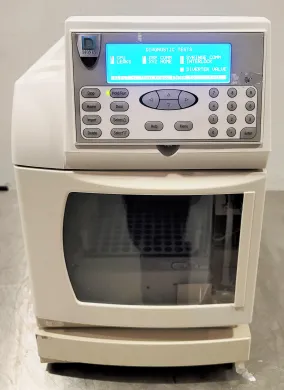
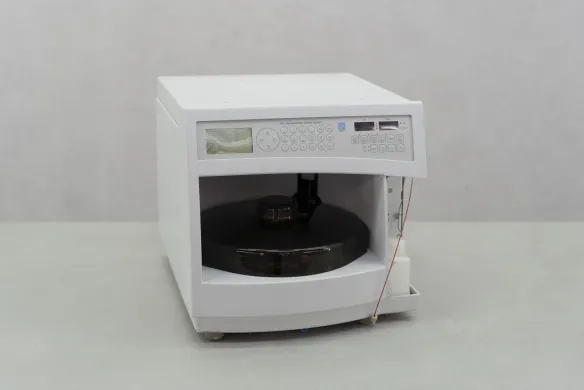
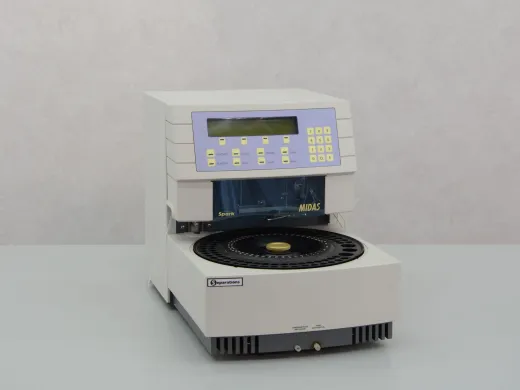
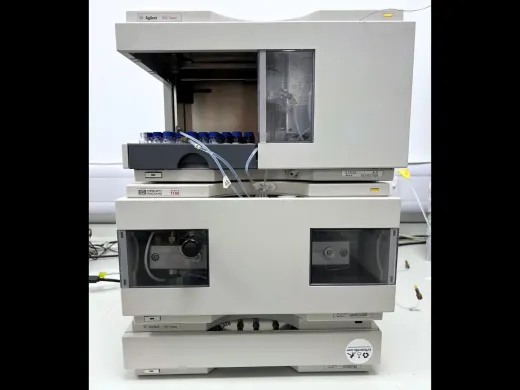
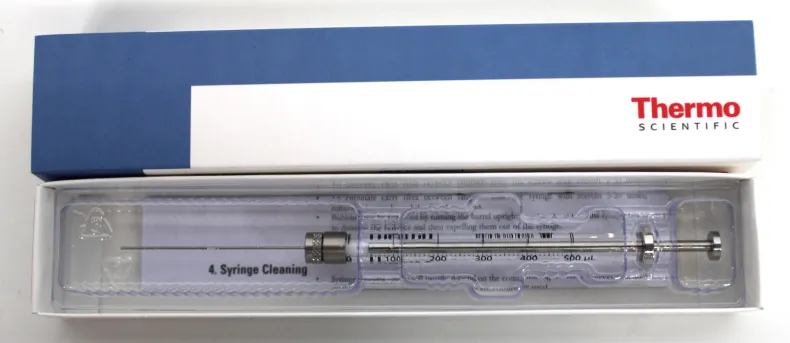
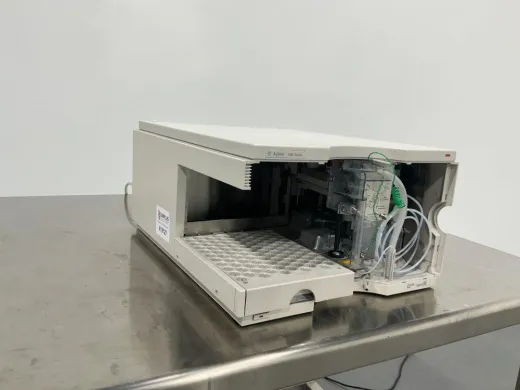
HPLC autosamplers are instruments that draw a measured volume of liquid sample from a vial or well plate and inject it into a high-performance liquid chromatography flow path without an operator present. They replace manual syringe injection, holding anywhere from a few vials to several hundred in a temperature-controlled tray and cycling through them on a programmed sequence. On Questpair, 325 laboratory autosamplers are listed from 13 verified suppliers and distributors across 11 countries, in new, used and refurbished condition. 96 percent of the listings are used. Prices range from EUR 1 to EUR 45.197.
Updated:
HPLC autosamplers product list


Not the exact instrument you need?
Tell our scientists what you are after. We track it down, including off-market supply.
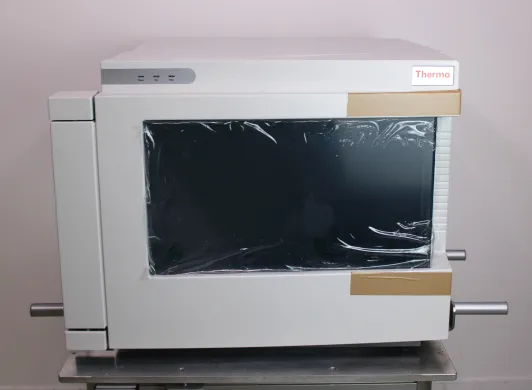
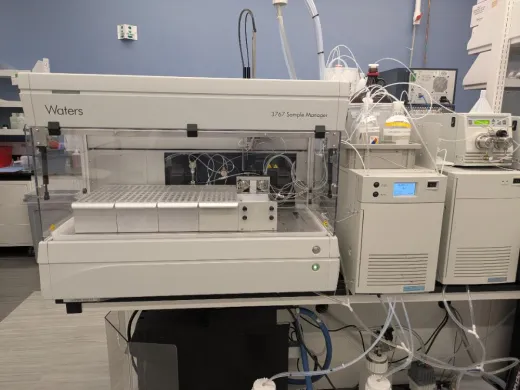
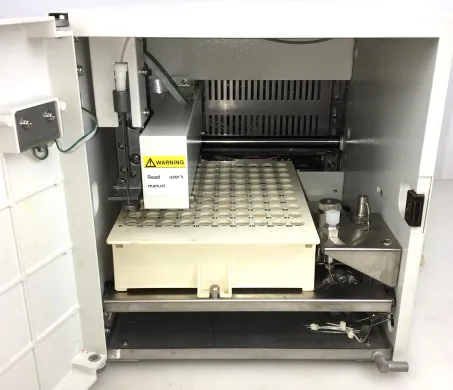
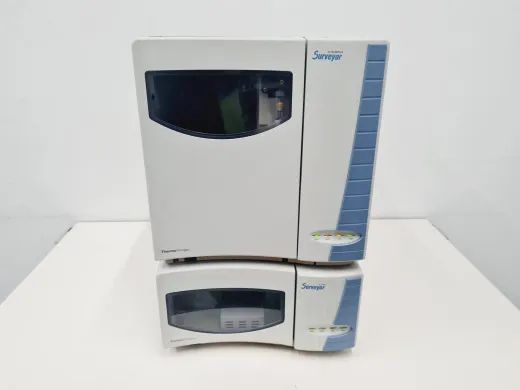
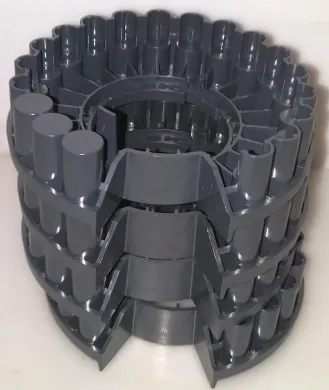
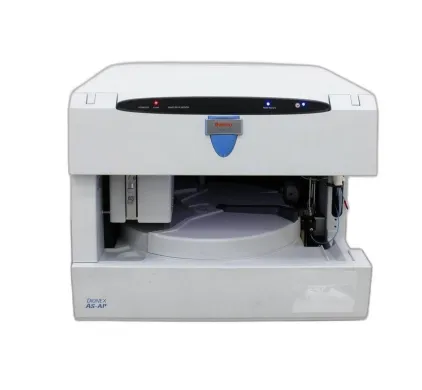
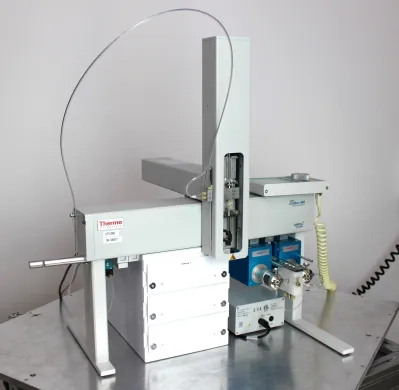
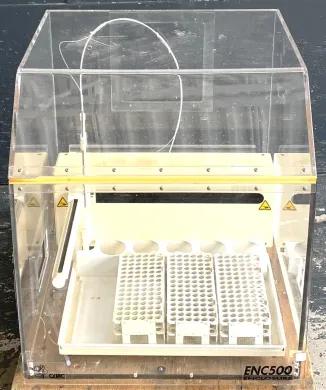
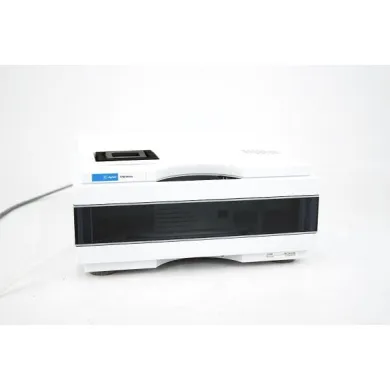
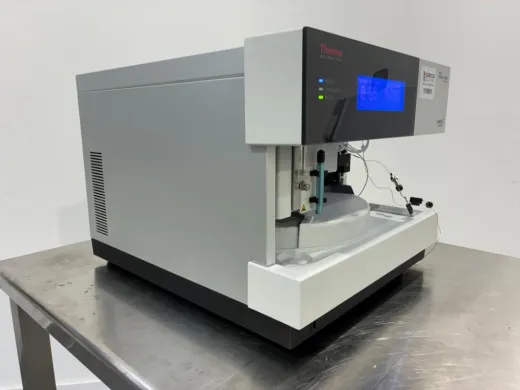
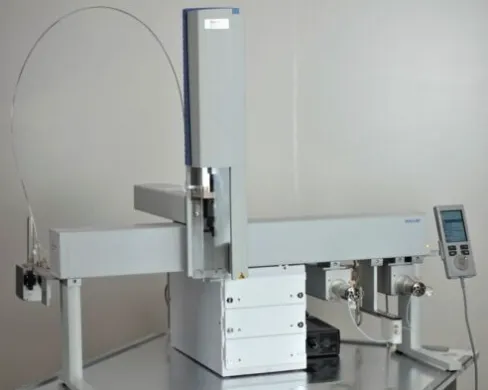
Not the exact instrument you need?
Tell our scientists what you are after. We track it down, including off-market supply.
Showing 1–40 of 195 listings
Show 40 more listingsBuying guide
The specification that settles most autosampler purchases is compatibility with the chromatography system it will feed. An autosampler is rarely a standalone buy; it is one module of a stack, and it has to talk to the pump, the column oven and the detector already in place. A Dionex sampler built for a UltiMate stack speaks a control protocol that an older Agilent system may not recognise, and a module from one generation of a maker's range will not always drive from the controller of another. Before anything else, a buyer confirms that the unit's communication interface and injection timing match the existing instrument, or budgets for the control software and interface board that bridge them.
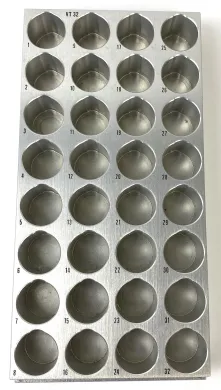
Injection behaviour is the next thing to pin down, because it decides what kind of work the unit can do. Injection volume range, carryover between samples, and whether the design draws a fixed loop or a flow-through needle all shape the result. A sampler that injects down to sub-microlitre volumes with low carryover suits trace analysis; one built for larger, more forgiving injections suits routine quality control. Sample capacity follows from the same logic: a tray that takes two or three vials is not the unit for an overnight run of two hundred.
On a used autosampler, the mechanical path is what to verify. These are instruments with a moving needle, a metering syringe and a sample loop, all of which wear. Ask about needle and seal condition, syringe replacement history, and whether the unit still holds injection precision within spec. A thermostatted tray should be checked for cooling performance, since the refrigeration is a common point of failure on older units and matters for any sample that degrades at room temperature. Where a listing does not state recent service, treat recalibration as part of the cost of ownership.
What a unit costs here spans a wide band. Prices run from EUR 1 to EUR 45.197, a spread that reflects everything from bare parts and accessories at the bottom to complete, recently serviced thermostatted samplers at the top, with the average sitting at EUR 3.320. A used sampler listed for sale is more affordable than its new equivalent, which is the practical reason this market exists: a working module from a previous instrument generation does the same injection as a current one at a fraction of the price. For a buyer with a fixed budget, the question is less which unit is best in the abstract and more which listed unit matches the chromatography system already on the bench. The brands that fill this band are Agilent, Thermo Scientific, Agilent Technologies, Waters, Dionex, and a model from any of them is worth comparing on injection spec, tray capacity and documented service rather than on name alone.
Types of HPLC autosamplers
Which autosampler types are listed here?
Among the listings that specify a type, the labels group into a few recognisable kinds. Most are described plainly as an HPLC autosampler or an automated sample injector, the standard module that pulls sample from a vial tray and injects it into a liquid chromatograph. A liquid chromatography autosampler is the same function named for its instrument context, and the broader liquid handling system label covers units that do more than inject, dispensing and preparing sample before it reaches the column. The distinction a buyer cares about is less the name than the design underneath it: a dedicated injector is simpler and cheaper to keep running, while a liquid handling system adds preparation steps that matter when the method needs dilution, derivatisation or standard addition before injection.
Autosamplers sit at the front of analytical workflows across the life sciences. In proteomics and metabolomics, they feed the liquid chromatography stage that precedes mass spectrometry, loading tryptic digests or extracted metabolites onto the column in sequence. They handle the injection step in bioanalytical assays that quantify a drug and its metabolites in plasma, and they load samples for the protein purification and peptide mapping that support biomanufacturing quality control. A thermostatted autosampler keeping a tray at low temperature is often what protects a labile biological sample through a long overnight genomics or proteomics run, where sample integrity across dozens of injections is the whole point of automating the work.
The brands behind the autosampler listings
The listings are led by Agilent, Thermo Scientific, Agilent Technologies, Waters, Dionex. For a buyer this concentration is useful rather than limiting. These are the makers whose chromatography systems dominate working laboratories, which means parts, metering syringes, needle assemblies and sample loops are the ones most likely to be available, and a used model from any of them has enough installed base that its injection spec and service quirks are documented and comparable. A sampler from a mainstream range is easier to match against an existing stack and easier to source consumables for than an orphan from a maker that has left the field.
What a used HPLC autosampler costs here
New, used and refurbished units all appear, and 96 percent of the listings are used. The price range runs from EUR 1 to EUR 45.197, with the average at EUR 3.320. That spread covers the full distance from accessories and spare parts at the low end to complete thermostatted samplers at the high end. A used or refurbished unit is listed below the price of a new one, and where a buyer wants to weigh the two, the decision turns on the individual listing: warranty is arranged in consultation for the specific unit, and parts can be sourced via Questpair.
Frequently asked questions
What is an HPLC autosampler?
An HPLC autosampler is an instrument that draws a measured volume of liquid sample from a vial or well plate and injects it into a high-performance liquid chromatography flow path automatically. It replaces manual syringe injection and cycles through a programmed sequence of samples without an operator present.
What does HPLC autosampler mean?
The term refers to the module in a chromatography stack that handles sampling and injection on its own. In practice the same device is also labelled an automated sample injector or a liquid chromatography autosampler, all describing a unit that pulls sample from a tray and loads it onto the column.
How do HPLC autosamplers work?
A moving needle aspirates a set volume from a vial, a metering syringe controls that volume, and the sample is injected into the mobile phase flow either through a fixed loop or a flow-through needle. The unit works through a programmed sequence of positions in the tray, and thermostatted models hold the tray at a controlled temperature between injections.
What types of HPLC autosamplers are there?
The listings here group into dedicated HPLC autosamplers and automated sample injectors, which pull sample and inject it, and broader liquid handling systems that also dispense and prepare sample before injection. A dedicated injector is simpler to keep running, while a liquid handling system adds steps like dilution or derivatisation that some methods need.
What is an HPLC autosampler used for?
It automates the injection step in analytical workflows such as proteomics, metabolomics and bioanalytical assays that quantify drugs and their metabolites. A thermostatted model keeps labile biological samples cold through long overnight runs where sample integrity across dozens of injections matters.
How do I choose an HPLC autosampler?
Start with compatibility: the unit has to talk to the pump, column oven and detector already in place, so confirm its communication interface and injection timing match your system before anything else. Then weigh injection volume range, carryover and tray capacity against the work you run, since a sampler built for sub-microlitre trace analysis differs from one made for routine quality control.
What is the difference between refurbished and used HPLC autosamplers?
A used unit is sold in its existing condition, while a refurbished one has been reconditioned before listing. Both are priced below new, and because an autosampler has wearing parts like the needle, metering syringe and seals, check the service history and injection precision of either before buying.
How much does an HPLC autosampler cost?
Prices here range from EUR 1 to EUR 45.197, with the average at EUR 3.320. The low end covers spare parts and accessories, and the high end covers complete, recently serviced thermostatted samplers.
What are the best HPLC autosampler brands?
The listings are led by Agilent, Thermo Scientific, Agilent Technologies, Waters and Dionex. Rather than ranking them, the practical point is that any of these has a large installed base, so a model from any of them is worth comparing on injection spec, tray capacity and documented service.
Is there a warranty on a refurbished HPLC autosampler?
A warranty is often possible and is arranged in consultation for the specific listing. Because terms depend on the individual unit, confirm the arrangement before purchase.
Can I still get parts for an HPLC autosampler?
Parts such as metering syringes, needle assemblies and sample loops can be sourced via Questpair. Units from the brands that dominate these listings tend to have the widest parts availability because of their large installed base.
How long does an HPLC autosampler last?
Lifespan depends on how the mechanical path has been maintained, since the needle, syringe and seals wear with use. A thermostatted tray adds a refrigeration circuit that is a common point of failure on older units, so cooling performance is worth checking on any aged sampler.
Should I buy a new or refurbished HPLC autosampler?
Used and refurbished units are listed at lower prices than new, which is the practical reason this market exists: a working module from a previous instrument generation does the same injection at a fraction of the cost. The decision turns on the individual listing, including which unit matches the chromatography system already on your bench, and warranty is arranged in consultation for the specific unit.
Where can I buy an HPLC autosampler?
On Questpair, 325 laboratory autosamplers are listed from 13 verified suppliers and distributors across 11 countries, in new, used and refurbished condition. The Questpair catalogue is where you compare these listings by brand, type and condition.
What are the lead time and shipping like?
Lead time and shipping depend on the individual listing and the supplier offering it. For a specific unit, contact Questpair and specialists respond within one hour.
What calibration and maintenance does an HPLC autosampler need?
Recalibration confirms the unit still holds injection precision within spec, and routine maintenance covers needle and seal condition and syringe replacement. Where a listing does not state recent service, treat recalibration as part of the cost of ownership; Questpair does not provide servicing itself.
Which types in this category are listed most, and who reaches for which?
Among listings that specify a type, most are described as an HPLC autosampler or automated sample injector, the standard inject-from-tray module that suits routine analytical runs. Liquid handling systems appear for labs that need sample preparation such as dilution or standard addition before injection, so the choice follows whether your method injects as-is or prepares sample first.
Which brands dominate this category, and what does that mean for a buyer?
Agilent, Thermo Scientific, Agilent Technologies, Waters and Dionex lead the listings. For a buyer this concentration helps, because parts and consumables for these makers are the most likely to be available and a used model from any of them has documented injection specs that are easy to compare against an existing stack.
What separates the bottom of the price band from the top?
The bottom of the range covers bare parts and accessories, while the top covers complete, recently serviced thermostatted samplers. Between those extremes the differences come down to injection precision and volume range, tray capacity, whether the unit is thermostatted, and how recently it has been serviced and calibrated.