

HPLC systems
We personally find you the right used, refurbished and new hplc systems from verified suppliers.
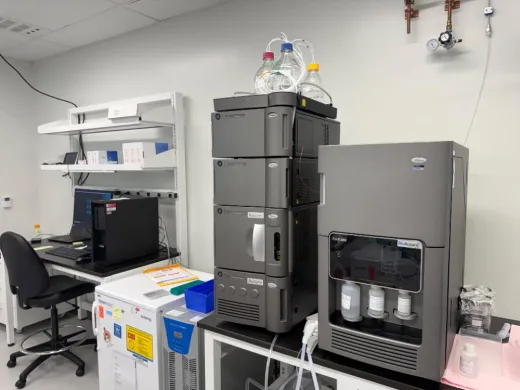
HPLC systems are instruments that separate the components of a liquid mixture by pumping it under high pressure through a packed column, so each compound can be identified and quantified. A complete system pairs a pump, an injector or autosampler, a column compartment and one or more detectors into a single liquid chromatography workflow. Of the current listings, 99 percent are used, drawn from 17 verified suppliers and distributors across 12 countries. New, used and refurbished units all appear in the Questpair catalogue, with laboratory prices spanning a wide band. This class of instrument underpins routine analysis in pharmaceutical, environmental and food testing laboratories.
Updated:
HPLC systems product list
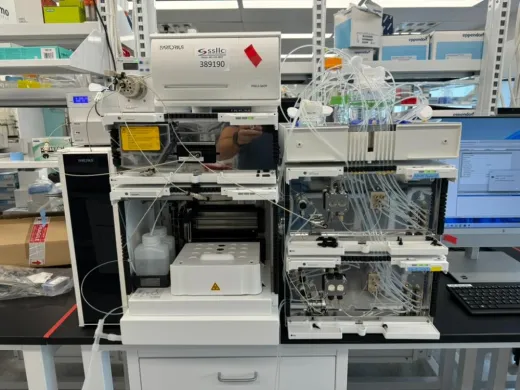
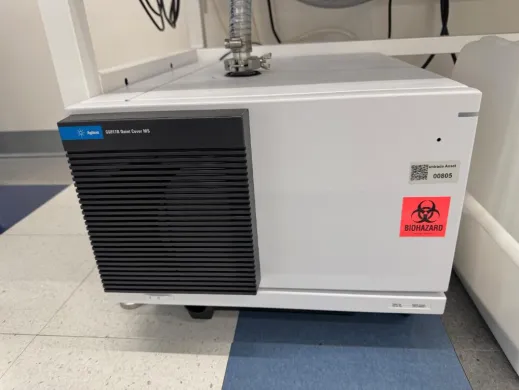
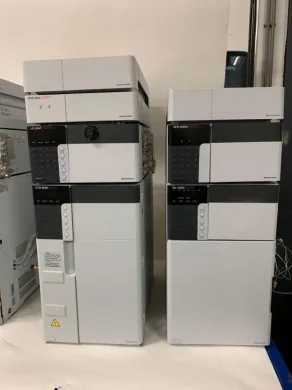
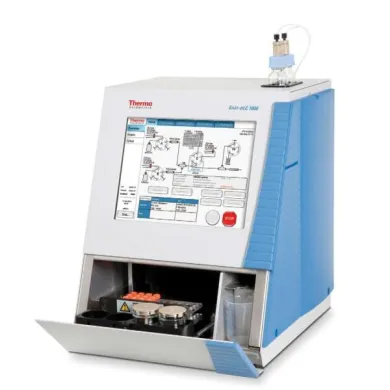


Not the exact instrument you need?
Tell our scientists what you are after. We track it down, including off-market supply.
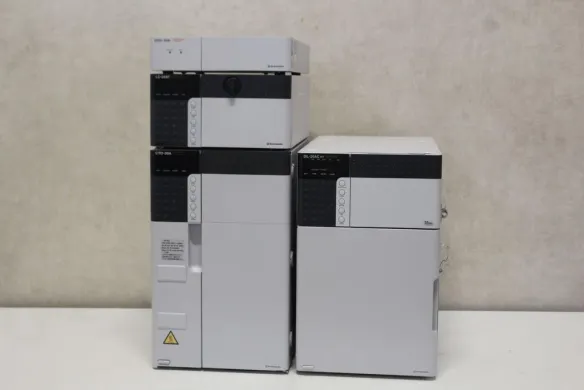
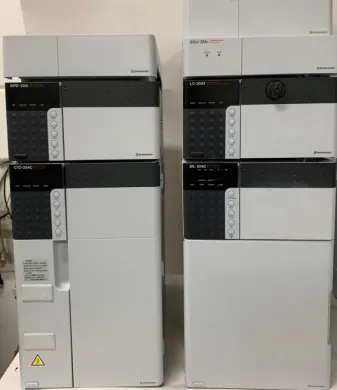
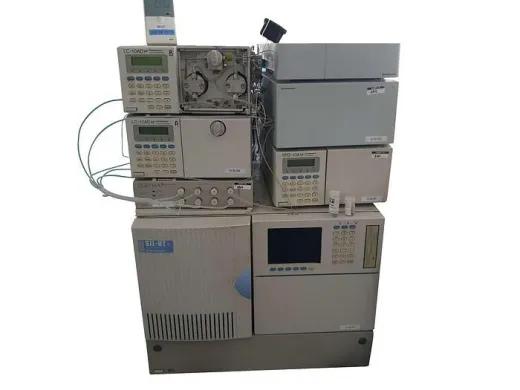
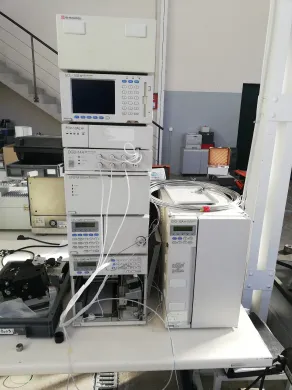
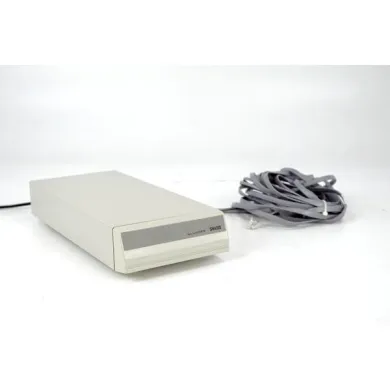
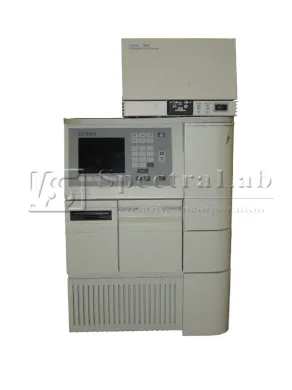
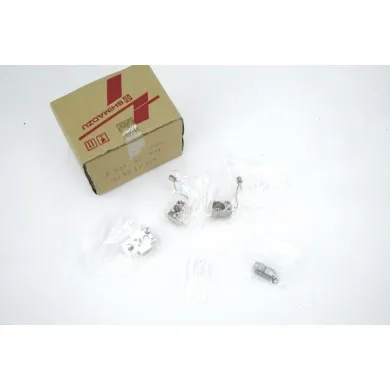
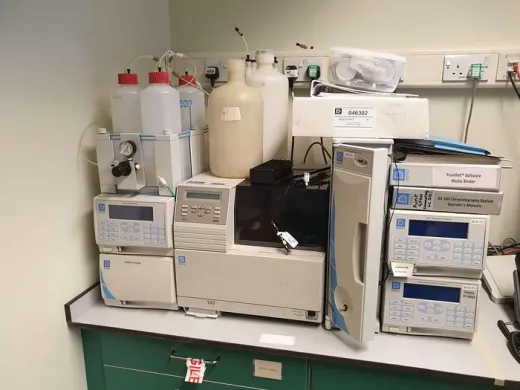
Shimadzu SIL-HT HPLC System with Accessories
- Category
- Hplc systems
- Brand
- Shimadzu
- Suppliers
- 1 verified
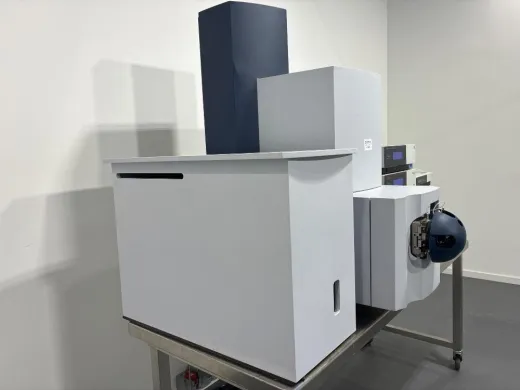
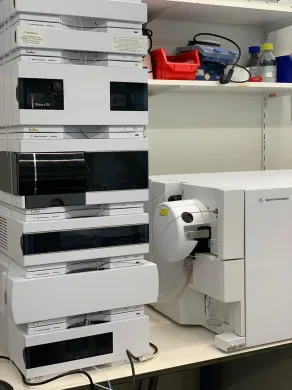
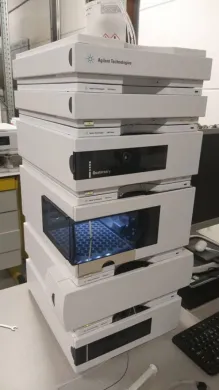
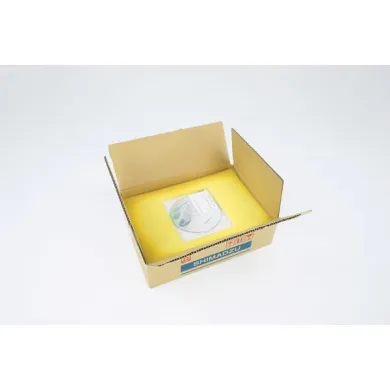
Not the exact instrument you need?
Tell our scientists what you are after. We track it down, including off-market supply.
Showing 1–40 of 445 listings
Show 40 more listingsBuying guide
What decides an HPLC purchase?
For an HPLC system the pressure rating settles most of the decision, and everything else follows from it. A conventional system operates to roughly 400 bar, while a UHPLC configuration runs to 1,000 bar or beyond, which lets it use sub-2-micron column packing and cut run times. That choice governs which columns fit, which fittings hold, and whether a method developed on one system transfers to another without revalidation. Before anything else, match the pressure class to the methods the laboratory already runs, because a mismatch there makes the rest of the specification irrelevant.
The detector follows from the work. A variable-wavelength UV detector covers most routine assays; a diode array detector records a full spectrum at once and suits method development and impurity profiling; a fluorescence or mass-selective detector is needed only where sensitivity or confirmation demands it. The autosampler and column compartment matter next: injection volume range, carryover, and whether the compartment is thermostatted, since column temperature affects retention and reproducibility.
On a used unit the verification is specific. Ask for the pump seal and piston history, since those wear and leak; check the lamp hours on a UV or diode array detector, as lamps have a finite life; and ask whether the autosampler needle and syringe have been serviced. Confirm the control software and that it will talk to the laboratory's data system, because an orphaned controller can strand an otherwise sound instrument. A pressure test and a recent injection record tell you more than any datasheet.
Price spans an unusually wide range here. Listings run from EUR 10 to EUR 236.745, with an average near EUR 14.558. The low end covers single modules and spares; the high end covers complete UHPLC stacks with specialist detectors. What a system costs tracks the detector and the pressure class far more than the brand badge. The dominant names, Agilent, Waters, Agilent Technologies, Shimadzu, Thermo Scientific, sit across the whole span, which keeps models easy to compare and parts straightforward to find. For a tight budget, a used modular system is more affordable than a new integrated stack, and the individual listing carries the condition detail that decides whether it fits.
Types of HPLC systems
Which HPLC system types are listed here?
Among the listings that specify a type, the catalogue separates into complete systems and the modules that build them. A high-performance liquid chromatography system is the full stack, bought by a laboratory standing up a new method or replacing an ageing instrument. Autosamplers appear on their own for laboratories adding unattended injection to a manual setup or replacing a failed unit, and they carry out the automated sample introduction that high-throughput analysis depends on. Column compartments, often thermostatted, are listed separately for the same reason: retention stability in quantitative work rests on holding column temperature steady. Diode array detectors show up as standalone modules too, reached for in method development and impurity profiling where a full UV-visible spectrum per peak is wanted rather than a single wavelength.
The analytical instrumentation here does central work across the life sciences. Reverse-phase chromatography on these systems drives protein purification and the peptide mapping behind proteomics, while ion-exchange and size-exclusion variants resolve the charge and size differences that matter in biomanufacturing and bioprocessing quality control. In molecular diagnostics and pharmaceutical analysis the same separations quantify active ingredients and their degradants, and HPLC immunoassay readouts and HPLC protein purification workflows are routine terms in biopharmaceutical laboratories. Where a detector is coupled to a mass analyser, the systems also extend into metabolite and small-molecule profiling.
The brands behind the HPLC listings
The names that dominate are Agilent, Waters, Agilent Technologies, Shimadzu, Thermo Scientific. Their weight in the catalogue has practical consequences for a buyer: consumables, columns and replacement parts for these makers are widely stocked, so a used instrument is far less likely to become an orphan. Because the same model families recur across many listings, a buyer can compare like with like on pump pressure, detector type and software version rather than guessing. Parts can be sourced via Questpair where a module needs replacing.
What a used HPLC system costs here
Condition and price track together. Of the listings, 99 percent are used, and prices range from EUR 10 to EUR 236.745 around an average near EUR 14.558. That spread covers everything from a single detector module to a complete thermostatted UHPLC stack. Used and refurbished systems are listed below new prices, and the individual listing holds the detail, pump hours, lamp life, software, that tells you where within the band a given instrument belongs.
Frequently asked questions
What is an HPLC system?
An HPLC system is an instrument that separates, identifies and quantifies the compounds in a liquid mixture by pumping it under high pressure through a packed column. The acronym stands for high-performance liquid chromatography.
What does HPLC actually mean?
HPLC stands for high-performance liquid chromatography, a technique that pushes a liquid sample through a densely packed column so that different compounds travel at different speeds and separate out. The result lets a laboratory distinguish closely related substances that simpler methods cannot resolve.
How do HPLC systems work?
A pump drives the liquid mobile phase and the injected sample through a separation column under high pressure, where compounds separate based on how strongly they interact with the column packing. A detector at the outlet records each compound as it emerges, producing peaks that are measured for identity and quantity.
What types of HPLC equipment are listed in this category?
The catalogue holds complete chromatographs as well as the individual modules that make them up. Recurring entries include the autosampler, the full high-performance liquid chromatography system, the column compartment, the diode array detector and listings catalogued simply as an analytical instrument.
What is an HPLC system used for?
It is used for routine analysis in pharmaceutical, environmental and food laboratories, and across life sciences for peptide separation ahead of mass spectrometry, protein purification monitoring, metabolomics and small-molecule assays. In practice it answers what is in a sample and how much of it there is.
How do I choose an HPLC system?
Decide first whether you need a complete chromatograph that runs a method end to end or a single module to replace or upgrade one stage of an existing chain. Then match the detector to your analytes, a diode array detector for spectral confirmation for example, and check that the configuration suits your sample throughput and pressure requirements.
What is the difference between refurbished and used HPLC systems?
A used unit is sold in its existing condition, while a refurbished unit has been reconditioned and tested before resale. Both are listed below the price of new equipment, and the specific condition and work done should be read from the individual listing.
How much does an HPLC system cost?
Listed prices range from EUR 10 to EUR 236.745, with the average at EUR 14.558. The spread is wide because it spans single modules at one end and complete high-specification instruments at the other.
Which HPLC brands are available here?
The listings come predominantly from Agilent, Waters, Agilent Technologies, Shimadzu and Thermo Scientific. These are platforms with a large installed base, which keeps columns, seals, lamps and pump parts available on the open market.
Is there a warranty on a refurbished HPLC system?
A warranty is often possible and is arranged in consultation for the specific listing. Check the listing and raise the question with the supplier before purchase.
Can I still get parts for these systems?
Parts can be sourced via Questpair. The widely used platforms in this category have a deep installed base, which helps keep columns, seals, lamps and pump components obtainable.
How long does an HPLC system last?
An HPLC system can run for many years when consumable parts such as seals, lamps and columns are replaced on schedule. Lifespan depends far more on maintenance and usage intensity than on the age of the instrument alone.
Should I buy new or refurbished?
Used and refurbished units are listed at lower prices than new equipment, which is the practical reason a working laboratory looks to the second-hand market for a proven platform. Where you weigh the two, compare the individual listing and settle warranty terms in consultation.
Where can I buy an HPLC system?
On Questpair, 960 HPLC systems are listed across 17 verified suppliers and distributors in 12 countries. New, used and refurbished units all appear in the catalogue.
What is the lead time and shipping for an HPLC system?
Lead time and shipping depend on the individual supplier and the unit's location, which spans 12 countries. The specifics are set per listing, so confirm them with the supplier for the unit you are considering.
What calibration and maintenance does an HPLC system need?
Routine maintenance covers pump seal replacement, lamp changes, column care and flushing lines to prevent blockage, while calibration keeps detector response and injection volume accurate. The required schedule and procedures are documented per model, and Questpair specialists respond within one hour if you need help locating documentation.
Which configurations are listed most, and who reaches for which?
Complete systems suit a laboratory setting up or replacing a full method chain, while modules such as the autosampler, column compartment and diode array detector suit a lab upgrading or repairing one stage of an existing chain. An autosampler is reached for to run overnight injection sequences unattended; a column compartment for temperature control that keeps retention times reproducible.
Which brands dominate this category, and what does that mean for me as a buyer?
Agilent, Waters, Agilent Technologies, Shimadzu and Thermo Scientific account for the bulk of the listings. That concentration means a given model can be compared against many others of its kind rather than assessed in isolation, and a well-documented module has a known going rate that keeps second-hand pricing legible.
What separates a cheap listing from an expensive one here?
The bottom of the band is typically a single module such as an autosampler or a column compartment, while the top is a complete, high-specification instrument with pump, injector, column and detector combined. Condition, whether new, used or refurbished, and the detector type also move a listing along the range from EUR 10 to EUR 236.745.