

FPLC systems
We personally find you the right used, refurbished and new fplc systems from verified suppliers.
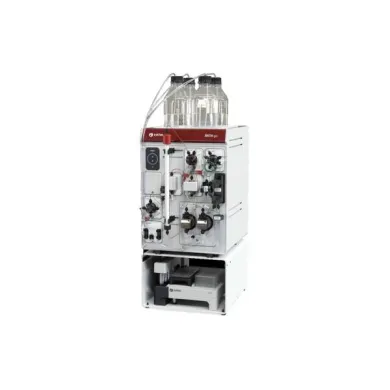
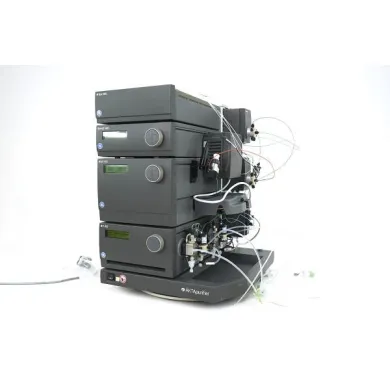
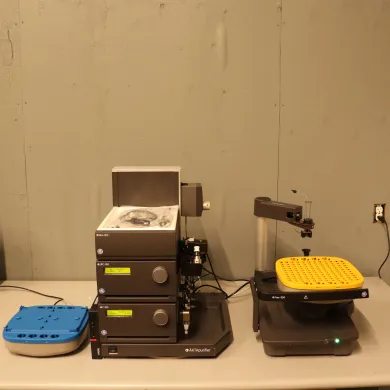
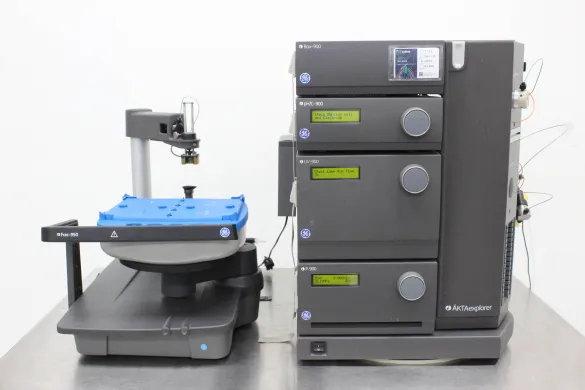
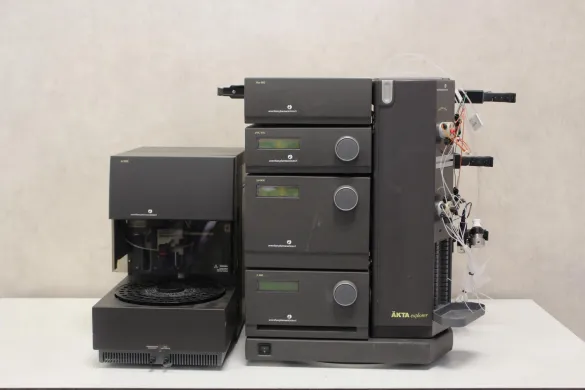
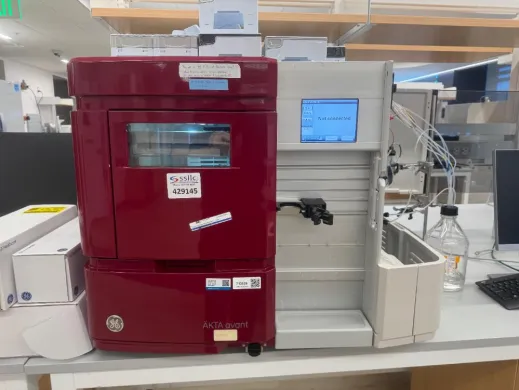
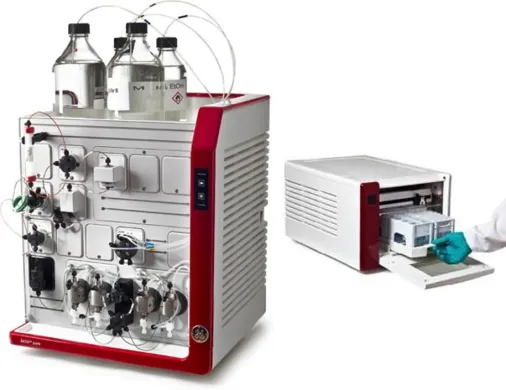
An FPLC system is a liquid chromatography instrument that separates and purifies proteins, nucleic acids and other biomolecules by pumping buffer through a packed column at controlled flow and moderate pressure. Fast protein liquid chromatography grew out of work at Pharmacia in the early 1980s and remains the standard method for protein purification in biochemistry and biomanufacturing. On Questpair, 233 laboratory FPLC systems are listed by 12 verified suppliers and distributors across 5 countries, in new, used and refurbished condition. 100 percent of the listings are used. A typical system pairs a gradient pump, a column, a UV detector and a fraction collector into one controlled run.
Updated:
FPLC systems product list


Not the exact instrument you need?
Tell our scientists what you are after. We track it down, including off-market supply.
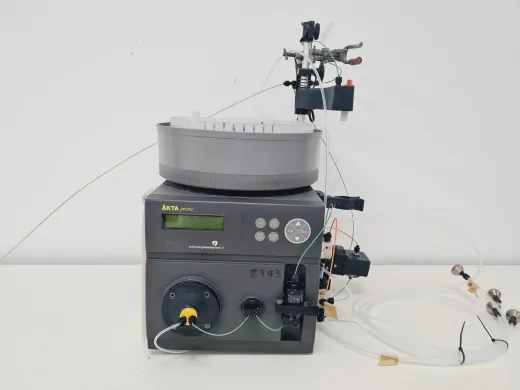
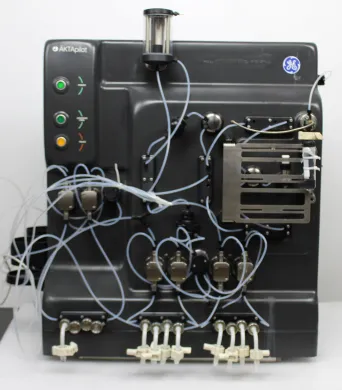
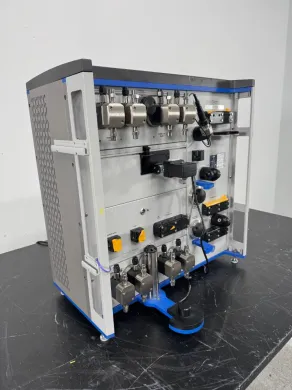
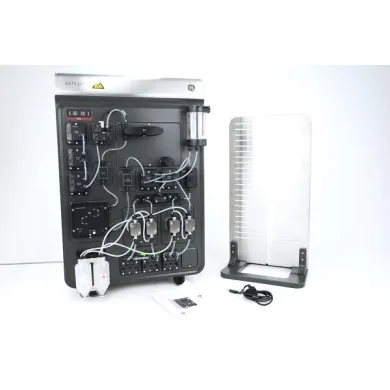
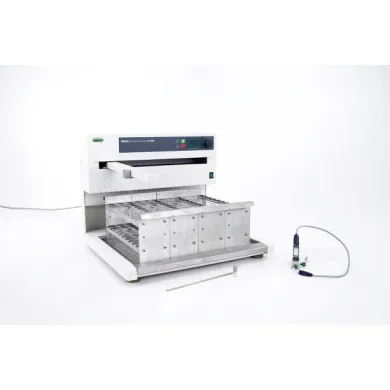
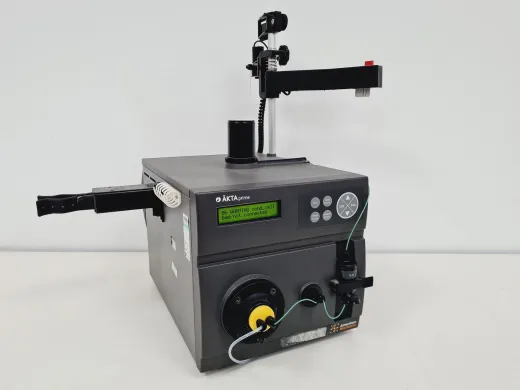
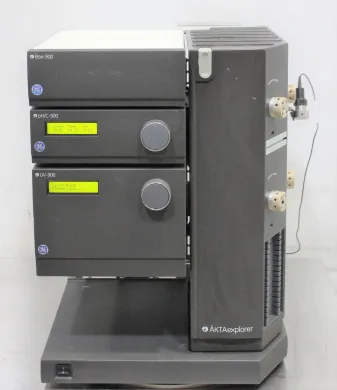
Not the exact instrument you need?
Tell our scientists what you are after. We track it down, including off-market supply.
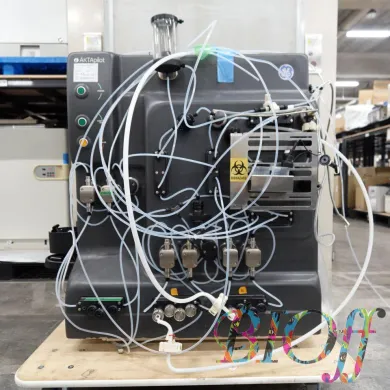
Showing 1–40 of 133 listings
Show 40 more listingsBuying guide
The first thing to settle is the separation chemistry the work demands, because that decides the column, the pressure range and the pump before any brand enters the conversation. An ion-exchange or affinity step runs at low pressure and tolerates a wide range of hardware; a size-exclusion polishing step wants a stable, pulse-free gradient and a detector that resolves closely eluting peaks. A buyer purifying a tagged recombinant protein and a buyer running size-exclusion on an antibody are looking for different instruments under the same category name, so fix the method first and read the specifications against it.
Flow rate and pressure rating follow from that method. Analytical and small-prep work sits comfortably in the low millilitre-per-minute band, while process-scale protein purification needs higher flow and larger column fittings. Check that the pump covers the gradient range the separation needs and that the system pressure limit matches the column and resin, since a resin packed to a higher back pressure than the hardware allows will throttle every run.
On a used instrument, the questions move from the datasheet to the history of the unit. Pump seals and check valves wear and are the usual cause of an unstable gradient, so ask when they were last replaced. The UV flow cell is the component that quietly drifts; a cell with fouling or a bubble trap problem will give a baseline no column can fix. Confirm that the fraction collector, the valves and the control software are present and talk to each other, because a system assembled from parts of two generations can be harder to run than a complete older one. Where documentation matters, manuals can be requested through Questpair and specialists respond within an hour.
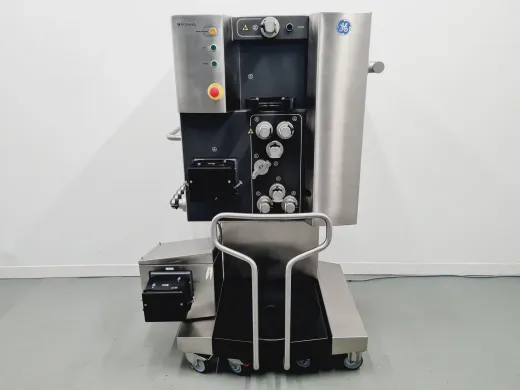
Price spans the full width of the category. Listings range from EUR 86 to EUR 95.000, with an average around EUR 20.828. The low end covers fraction collectors, detectors and pumps sold on their own, and the high end covers complete process-scale systems with large pumps and automated valve blocks. For a buyer weighing cost against budget, a used or refurbished FPLC system is more affordable than new and is where most of the available hardware sits. Cytiva and GE Healthcare instruments dominate the used market, so the for-sale listings are easier to compare like for like than in a more fragmented category, and spare parts are correspondingly easier to source. Where warranty matters, it is arranged in consultation for the specific listing.
Types of FPLC systems
Which FPLC system types are listed?
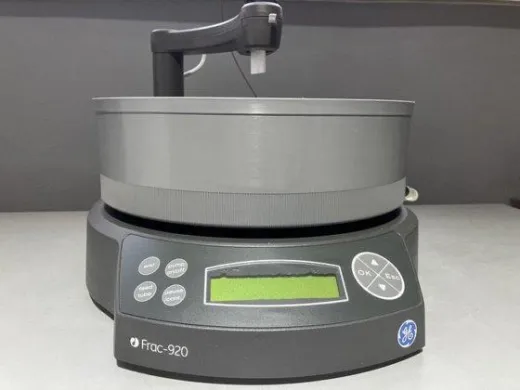
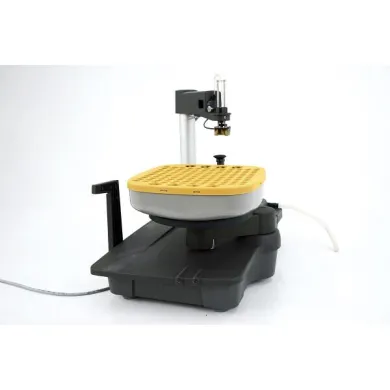
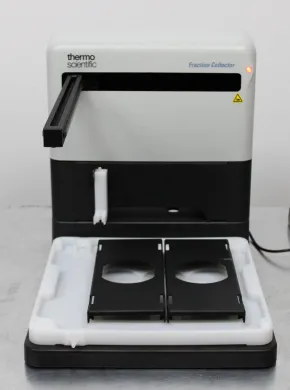
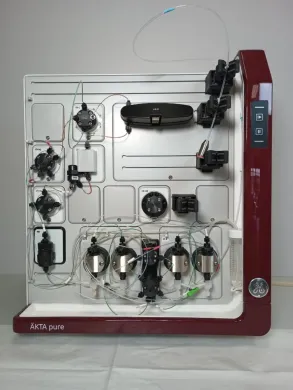
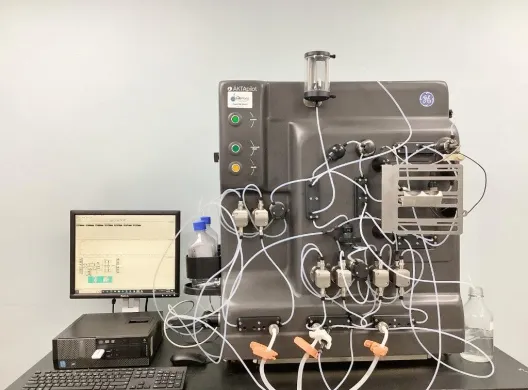
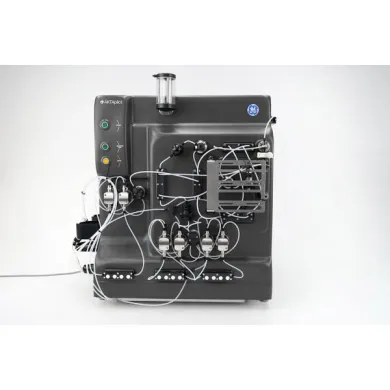
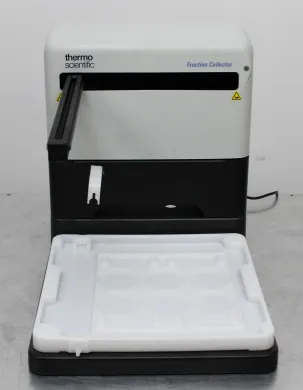
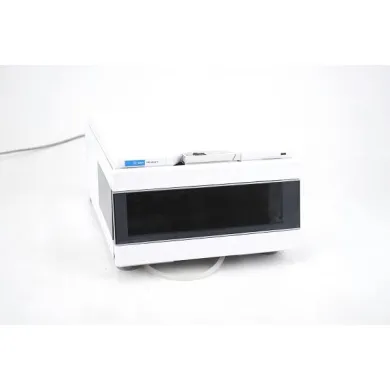
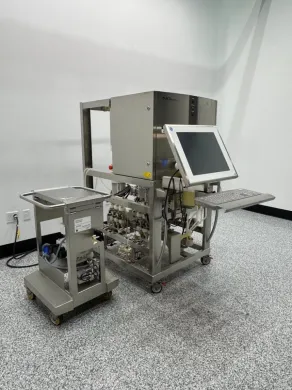
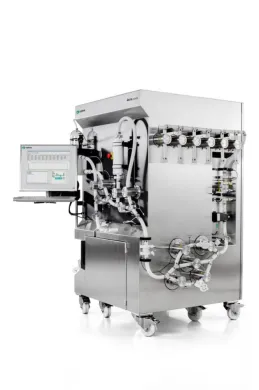
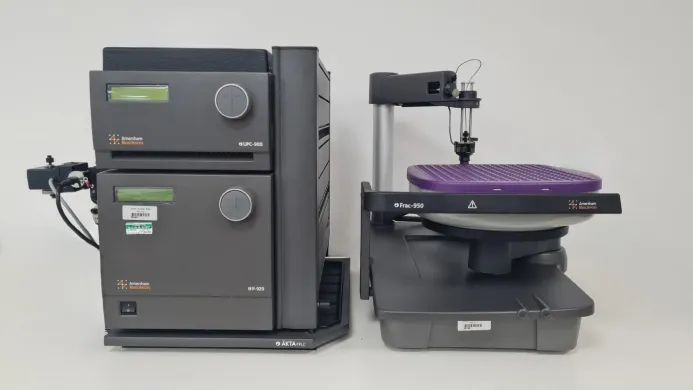
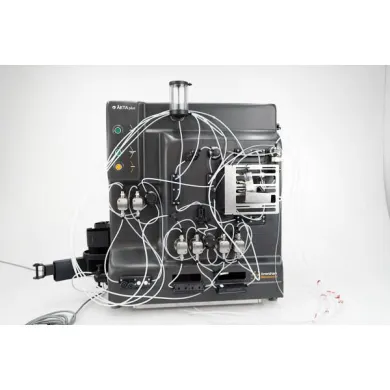
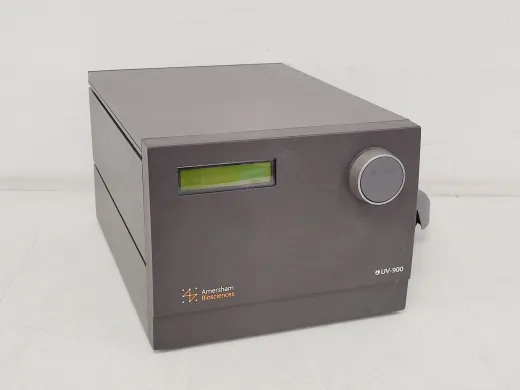
Among the listings that specify a type, the catalogue holds complete fast protein liquid chromatography (FPLC) systems, standalone protein purification systems, fraction collectors, general liquid chromatography systems, bioprocessing equipment and broader chromatography systems. A complete FPLC system bundles the pump, column, detector and collector for a full purification run, and is what most buyers mean by the term. A standalone protein purification system may be configured for a single mode such as affinity or ion exchange. Fraction collectors appear on their own because they are the component most often replaced or added. The liquid chromatography and bioprocessing listings cover both analytical-scale separations and process-scale equipment sized for biomanufacturing.
These instruments do the central work of protein purification in molecular biology, proteomics and structural biology. An FPLC system purifies recombinant proteins for crystallography and cryo-EM, isolates antibodies and enzymes for immunoassay and biochemical study, and polishes monoclonal antibodies in bioprocessing and downstream biomanufacturing. Affinity chromatography on an FPLC is the routine way to capture a His-tagged or GST-tagged target expressed in cell culture; ion-exchange and size-exclusion steps that follow it are how a purified protein reaches the homogeneity a downstream assay or a protein-protein interaction study needs. Fraction collectors and bioprocessing systems also handle nucleic acid purification and the buffer exchange steps that sit between purification stages.
The brands behind the FPLC listings
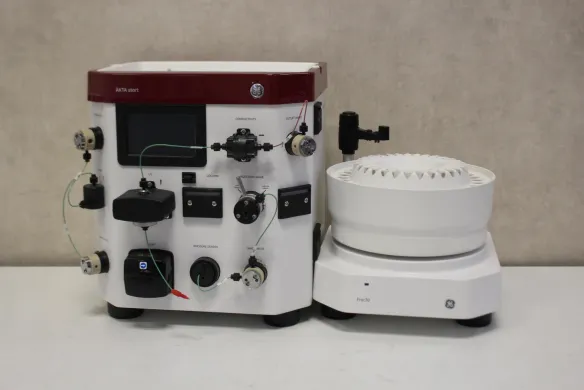
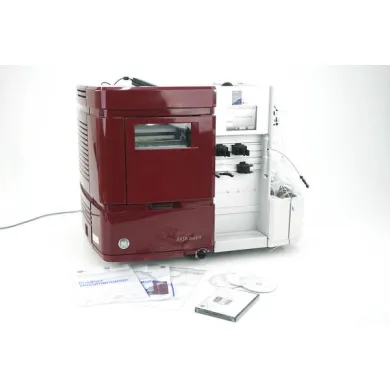
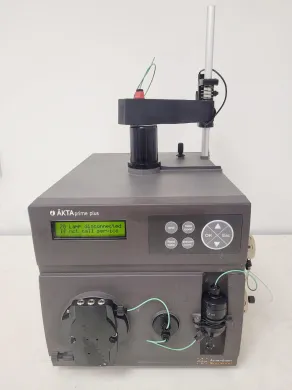
The used FPLC market here is concentrated around Cytiva, GE Healthcare, GE, Amersham Biosciences, Ge Healthcare Bio-Science. That concentration works in a buyer's favour: Cytiva and the older GE Healthcare and Amersham Biosciences ranges share a well-documented design lineage, so columns, valves and control software from one generation often carry over to another, and a used ÄKTA-family instrument can be compared against another of the same series on specification rather than guesswork. Parts for these platforms can be sourced through Questpair, and their market presence means service documentation and consumables are more available than for a rare instrument. A buyer choosing within this group is choosing between well-understood variants rather than between unknowns.
What a used FPLC system costs here
All of the current listings are used. Prices run from EUR 86 to EUR 95.000, with an average near EUR 20.828. That spread reflects the range from a single detector or fraction collector at the low end to a complete process-scale purification system at the high end, so matching the figure to the hardware means reading each listing against the method it is meant to run. Used and refurbished systems are listed below new prices, which is where most of the available FPLC hardware on the marketplace sits.
Frequently asked questions
What is an FPLC system?
An FPLC system is a liquid chromatography instrument that separates and purifies proteins, nucleic acids and other biomolecules by pumping buffer through a packed column at controlled flow and moderate pressure. The name stands for fast protein liquid chromatography, a method that originated at Pharmacia in the early 1980s.
What does FPLC mean?
FPLC stands for fast protein liquid chromatography. It describes liquid chromatography run at moderate pressure specifically optimised for purifying proteins and other biomolecules rather than small molecules.
How do FPLC systems work?
A gradient pump pushes buffer through a column packed with a resin that binds the target molecule by a chosen chemistry such as affinity, ion exchange or size exclusion. A UV detector tracks the eluting peaks and a fraction collector captures the separated components as they leave the column.
What types of FPLC systems are there?
The listings include complete fast protein liquid chromatography (FPLC) systems, standalone protein purification systems, fraction collectors, general liquid chromatography systems, bioprocessing equipment and broader chromatography systems. A complete system bundles the pump, column, detector and collector; the other entries cover single modes, individual components or process-scale hardware.
What is an FPLC system used for?
It purifies recombinant proteins for crystallography and cryo-EM, isolates antibodies and enzymes for biochemical study, and polishes monoclonal antibodies in downstream biomanufacturing. Affinity, ion-exchange and size-exclusion steps on an FPLC bring a protein to the purity a downstream assay needs.
How do I choose an FPLC system?
Start with the separation chemistry the work demands, because that decides the column, pressure range and pump before any brand enters the conversation. Then match the flow rate and pressure rating to the method, since analytical work sits in the low millilitre-per-minute band while process-scale purification needs higher flow and larger fittings.
What is the difference between refurbished and used FPLC systems?
A used system is sold in its existing condition, while a refurbished one has been checked and brought back to working order before listing. On a used unit, ask when the pump seals, check valves and UV flow cell were last serviced, since those are the components that drift and cause an unstable gradient or baseline.
How much does an FPLC system cost?
Prices here run from EUR 86 to EUR 95.000, with an average near EUR 20.828. The low end covers single detectors, pumps and fraction collectors, and the high end covers complete process-scale purification systems with large pumps and automated valve blocks.
Which brands make FPLC systems?
The listings here are concentrated around Cytiva, GE Healthcare, GE, Amersham Biosciences and Ge Healthcare Bio-Science. These names share a design lineage through the ÄKTA family, so columns, valves and control software from one generation often carry over to another.
Is a warranty available on a refurbished FPLC system?
A warranty is often possible and is arranged in consultation for the specific listing. Check the individual listing and ask the supplier about the terms that apply to that unit.
Can I get parts for an FPLC system?
Parts for these platforms can be sourced via Questpair. The market presence of the Cytiva and GE Healthcare ranges means consumables and components for one generation often fit another in the same series.
How long does an FPLC system last?
An FPLC system can run for many years when the wearing parts are maintained, since the pump seals, check valves and UV flow cell are the components that degrade rather than the frame or control electronics. The lifespan depends on how often those parts are replaced and whether the fouling-prone flow cell is kept clean.
Should I buy a new or a refurbished FPLC system?
Used and refurbished systems are listed at lower prices than new, which is the clearest difference between them. Where warranty or support matters, point to the individual listing, since those terms are arranged in consultation rather than set centrally.
Where can I buy an FPLC system?
FPLC systems are listed on Questpair by 12 verified suppliers and distributors across 5 countries, in new, used and refurbished condition. The 233 listings can be compared on specification within the catalogue.
What is the lead time and shipping on an FPLC system?
Lead time and shipping depend on the individual supplier and the location of the unit, which spans 5 countries. Contact the supplier through the listing to confirm timing for a specific system.
How is an FPLC system calibrated and maintained?
Maintenance centres on the pump seals and check valves, which cause an unstable gradient when worn, and on the UV flow cell, which drifts when fouled or when a bubble trap problem develops. Confirm that the fraction collector, valves and control software are present and communicate with each other before a run.
Which FPLC types are listed most and who reaches for each?
Complete FPLC systems and standalone protein purification systems dominate the listings and suit labs running a full purification workflow. Fraction collectors appear on their own because they are the component most often replaced, while bioprocessing and liquid chromatography entries cover analytical-scale and process-scale needs separately.
Which brands dominate this category and what does that mean for a buyer?
Cytiva and the older GE Healthcare and Amersham Biosciences ranges account for the bulk of the listings here. That concentration lets a buyer compare a used ÄKTA-family instrument against another of the same series on specification, and it keeps service documentation and consumables easier to source than for a rare instrument.
What separates the cheapest FPLC listings from the most expensive?
The low end covers individual components such as a single detector, pump or fraction collector sold on their own. The high end covers complete process-scale systems with large pumps and automated valve blocks, so matching the figure to the hardware means reading each listing against the method it is meant to run.