53k+ listingsShips to NLResponse within one hour+31 73 711 4717info@questpair.com
Procurable · sourced on request

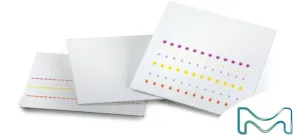
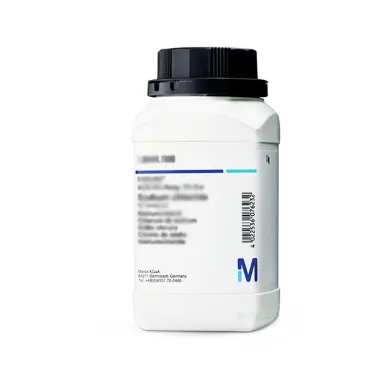
Merck KGaA Darmstadt, Germany Silica Gel 60 F254 TLC Plates

UsedMerck KGaA Darmstadt, GermanyChromatography mediaNetherlands
Procurable

Not in stock, available to order through our sourcing team

Not in stock, but we can get it for you

We source this model through our supplier network. Request a quote and we'll come back within one hour.

  1. Request a quote
  2. We confirm price and lead time
  3. You approve, we ship to you
Specific surface area
480 - 540 m²/g
Pore volume
0.74 - 0.84 ml/g
Particle size (d50)
9.5 - 11.5 µm
Deviation of layer thickness per plate
≤ 35 µm
Chromatographic testing: Bleu VIF Organol hRf-values
11 - 25
Availability
Procurable
Lead time
Confirmed with your quote
All 17 specifications
  • Ships to NL
  • Response within 1 hour
  • Warranty available. Buy without worry
  • Support from a scientist

Specifications 17

Brands
Merck KGaA Darmstadt, Germany
New/Used
Used
Specific surface area
480 - 540 m²/g
Pore volume
0.74 - 0.84 ml/g
Particle size (d50)
9.5 - 11.5 µm
Deviation of layer thickness per plate
≤ 35 µm
Chromatographic testing: Bleu VIF Organol hRf-values
11 - 25
Chromatographic testing: Ceres Black G hRf-values
34 - 48
Chromatographic testing: Ceres Violet Brown hRf-values
52 - 67
Chromatographic testing: Separation number (colour test, lipophile)
≥ 10.5
Chromatographic testing: Hydrocortisone hRf-values
25 - 37
Chromatographic testing: Reichstein S hRf-values
37 - 49
Chromatographic testing: Methyltestosterone hRf-values
42 - 54
Layer thickness
165 - 235 µm
Storage temperature range
2 - 30 °C
Availability
Procurable
Lead time
Confirmed with your quote

Product description

High-purity Silica Gel 60 TLC plates with F254 fluorescent indicator for UV detection at 254 nm.

Silica Gel 60 F₂₅₄ is a high-quality stationary phase designed for thin-layer chromatography (TLC) applications. This silica gel is integrated with a fluorescent indicator (F₂₅₄), enabling the detection of colourless compounds under UV light at 254 nm.

Key features include:

  • High purity silica gel 60: Ensures consistent and reliable chromatographic separations.
  • Fluorescent indicator F₂₅₄: Facilitates easy visualisation of analytes under UV illumination.
  • Uniform particle size distribution: Provides sharp and well-defined spots for accurate analysis.
  • Strong adherence to backing material: Prevents layer cracking or blistering, even when writing on the surface.
  • Versatile backing options: Available on glass, aluminium, or plastic sheets to suit various laboratory needs.

This product is widely utilised in pharmaceutical analysis, biochemical research, and environmental testing. It is commonly employed in university laboratories, biotechnology firms, and quality control departments. Since its introduction, Silica Gel 60 F₂₅₄ has remained a staple in chromatographic techniques, reflecting its enduring relevance in analytical chemistry.

Why Questpair exists

Lab equipment markets are fragmented. Buyers spend weeks calling distributors, comparing quotes, and verifying supplier reliability. Sellers struggle to reach global research labs.

We built Questpair to fix this. Every supplier on the platform is verified before listing. Every quote you receive comes from a real, vetted seller. AI prepares your case in minutes, then a real specialist takes over.

We're an independent team based in The Netherlands, working with research labs and procurement teams across Europe and worldwide.

Frequently asked questions

How long does laboratory equipment typically last?

With a service contract, ten to fifteen years is normal for most benchtop instruments. Detectors and pumps are the parts that wear first.

Can I get service for older equipment?

Often, yes. Verified suppliers frequently work with service partners converting the instrument. If applicable, we can list servicing options alongside the offer.

Where can I buy parts?

Ask a scientist through the request button. Parts are often available even when the instrument itself is discontinued.

What is the typical lead time for refurbished equipment?

Two to six weeks, depending on refurbishment scope and whether calibration is included.

Does laboratory equipment ship internationally?

We ship to 38 countries. Crating and customs handling are quoted with the instrument.

Reply in one hour

Can't find the exact configuration?

Tell us what you need and a scientist finds it for you, usually within the hour.

Last updated 3 November 2026