

ICP / ICPMS
We personally find you the right used, refurbished and new icp / icpms instruments & equipment from verified suppliers.
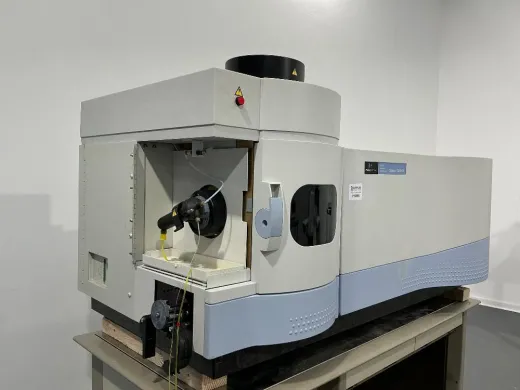
ICP and ICP-MS instruments are analytical systems that ionize a sample in an argon plasma and measure the resulting ions, either by optical emission (ICP-OES) or by mass spectrometry (ICP-MS), to quantify trace elements and isotopes. Inductively coupled plasma mass spectrometry reaches detection limits in the parts-per-trillion range, which is why it anchors environmental, geochemical and clinical trace-metal work. The Questpair catalogue lists new, used and refurbished units and parts across 198 laboratory listings, of which 99 percent are used. Pricing spans EUR 65 to EUR 43.044, from single detector boards to complete instruments, drawn from 6 verified suppliers and distributors in 4 countries.
Updated:
ICP / ICPMS product list


Not the exact instrument you need?
Tell our scientists what you are after. We track it down, including off-market supply.
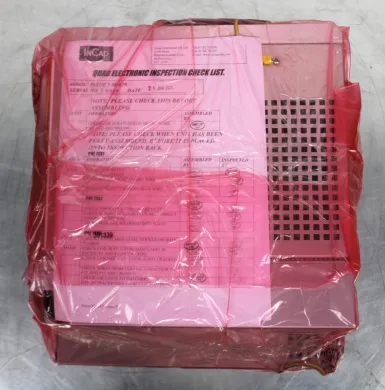
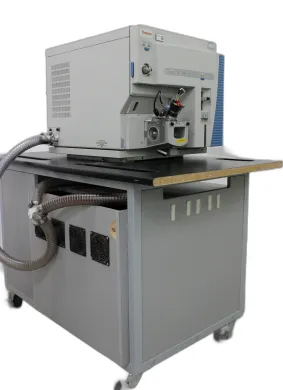
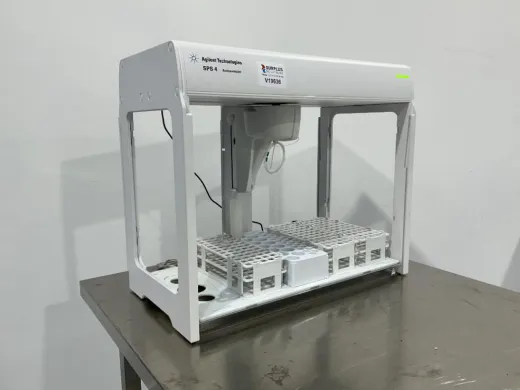
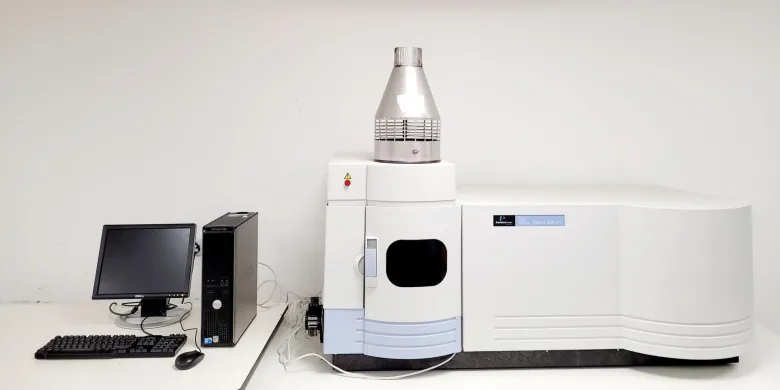
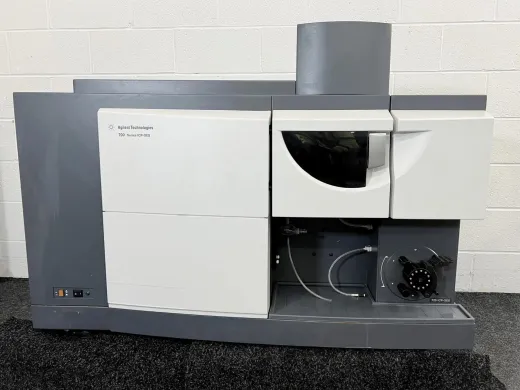
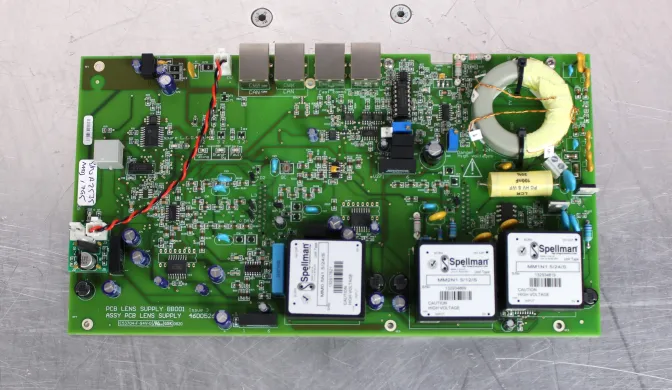
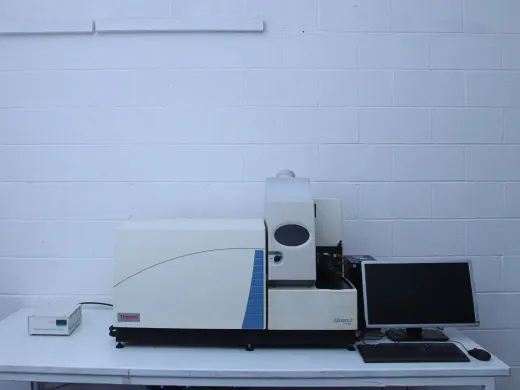
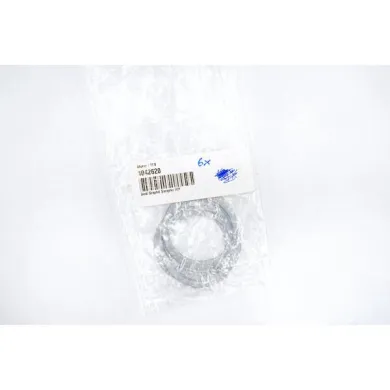
Not the exact instrument you need?
Tell our scientists what you are after. We track it down, including off-market supply.
Showing 1–40 of 201 listings
Show 40 more listingsBuying guide
What settles an ICP-MS purchase before anything else is the interference-removal hardware, because that is what separates a usable result from a corrected guess. A quadrupole instrument with a collision or reaction cell handles the polyatomic interferences that plague elements like arsenic, selenium and chromium; without one, a buyer inherits a mass analyser that cannot cleanly resolve the ions it detects. High-resolution sector-field systems take a different route, physically separating masses rather than chemically suppressing interferences, and they cost and occupy more accordingly. Deciding which of these the work needs comes first, because the sample introduction, the detector and the price all follow from it.
On a used unit, the question is what the plasma and the vacuum system have already been through. The torch, cones and nebulizer are consumables and their condition says little, but the detector, the RF generator and the turbomolecular pumps carry the instrument's real history. Ask for the last performance report: sensitivity in counts per second per concentration unit, oxide and doubly-charged ratios, and background at the low masses. A seller who can produce a recent tune report has an instrument that was running; one who cannot is selling a system of unknown state. Verify that the interface cones and the detector are present and not merely listed, since those are the parts most often pulled before a resale.
Condition dominates this catalogue, so most of what is listed here is pre-owned rather than new. Among the current listings, 99 percent are used. That shapes the price band directly: the range runs from EUR 65 to EUR 43.044, with the average around EUR 1.492. The low end is where detector boards, mass spectrometry components and single accessories sit; complete, recently serviced instruments occupy the top. A refurbished system listed for sale is more affordable than a new one of comparable specification, which is the trade a buyer on a budget is actually making: an older platform that still meets the detection limits, against a current-generation instrument at several times the cost. Thermo, Thermo Fisher, Thermo Scientific, PerkinElmer, Thermo Fisher Scientific dominate the listings, which keeps consumables, cones and torches easy to match and makes like-for-like comparison between units straightforward. Parts can be sourced via Questpair where a specific board or cone is needed.
Types of ICP / ICPMS
Which ICP-MS component types are listed?
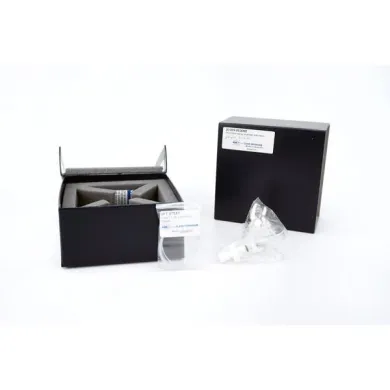
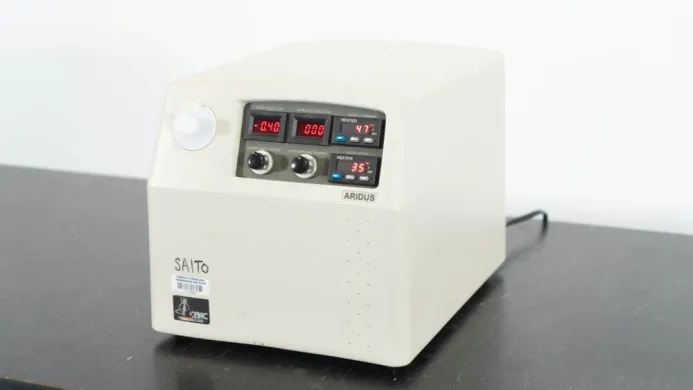
Among the listings that specify a type, the catalogue leans heavily toward parts rather than whole instruments. The commonest entries are ICP-MS accessories and mass spectrometry accessories: torches, nebulizers, spray chambers, interface cones and autosampler tubing, the consumable layer that a running lab replaces on a schedule. Below those sit ICP-MS components and mass spectrometry components, a broader class covering RF coils, ion lenses, collision-cell assemblies and vacuum-side hardware. Analytical instrument components and detector boards complete the picture, the electronics and the electron-multiplier stages that a laboratory keeps as spares against downtime. What distinguishes these groups for a buyer is replaceability: accessories are routine and model-specific, while a detector board or a component assembly is a repair part worth sourcing only when a known unit needs it. These systems serve trace-element analysis across environmental monitoring, geochemistry, food safety and clinical molecular diagnostics, where parts-per-trillion detection of metals underpins everything from drinking-water compliance to biomonitoring. In proteomics and genomics support work, ICP-MS also quantifies metal-tagged labels and element-containing cofactors, a role in metallomics that sits alongside the organic mass spectrometry those fields more often use.
The brands behind the ICP-MS listings
The listings are dominated by Thermo, Thermo Fisher, Thermo Scientific, PerkinElmer, Thermo Fisher Scientific, which matters more for parts and comparison than for prestige. A catalogue concentrated in a small number of makers means cones, torches and skimmer assemblies are easier to match to the instrument in hand, and that two used units of the same platform can be compared on their tune reports rather than guessed at. It also tends to hold the mid-range price steady, because supply and demand for a widely-sold platform are both deep. A buyer standing up a method on an established instrument line can expect the consumable stream and the spare components to remain available rather than orphaned.
What a used ICP-MS costs here
Condition, not configuration, defines this catalogue. Among the listings, 99 percent are used, drawn from 6 verified suppliers and distributors across 4 countries. Prices run from EUR 65 to EUR 43.044. That spread covers everything from a single detector board at the low end to a complete, serviceable spectrometer at the top, with the average near EUR 1.492 reflecting how many of the listings are parts rather than whole systems. The gravimetric certainty a buyer wants from a trace-metal method comes from the instrument's condition, so the tune report matters more than the sticker price.
Frequently asked questions
What is an ICP / ICP-MS?
It is an analytical system that ionizes a sample in an argon plasma and measures the resulting ions, either by optical emission (ICP-OES) or by mass spectrometry (ICP-MS), to quantify trace elements and isotopes. ICP-MS reaches detection limits in the parts-per-trillion range.
What does ICP-MS stand for?
ICP-MS stands for inductively coupled plasma mass spectrometry. ICP refers to the argon plasma that ionizes the sample, and MS refers to the mass spectrometer that separates and counts those ions by mass-to-charge ratio.
How does an ICP-MS work?
A liquid sample is nebulised into an aerosol and carried into an argon plasma that strips electrons and forms ions. Those ions pass through sampling and skimmer cones into the vacuum region, where a mass analyser separates them by mass-to-charge ratio and a detector counts them.
What types of ICP-MS components are listed here?
The catalogue leans toward parts rather than whole instruments: ICP-MS accessories and mass spectrometry accessories such as torches, nebulizers, spray chambers and interface cones, then broader ICP-MS components and mass spectrometry components like RF coils, ion lenses and collision-cell assemblies, plus analytical instrument components and detector boards.
What is an ICP-MS used for?
It is used for trace-element analysis in environmental monitoring, geochemistry, food safety and clinical molecular diagnostics, where parts-per-trillion detection of metals underpins work from drinking-water compliance to biomonitoring. In metallomics it also quantifies metal-tagged labels and element-containing cofactors.
How do I choose between a quadrupole and a sector-field ICP-MS?
A quadrupole instrument with a collision or reaction cell suppresses polyatomic interferences that affect elements like arsenic, selenium and chromium. A high-resolution sector-field system physically separates masses instead, resolving interferences directly but at higher cost and larger footprint. Decide which the work needs first, because sample introduction, detector and price follow from it.
What is the difference between an ICP-MS accessory and a component?
Accessories are routine, model-specific consumables replaced on a schedule, such as torches, cones, nebulizers and autosampler tubing. Components are repair parts like detector boards, RF coils or collision-cell assemblies, worth sourcing only when a known unit needs one.
What is the difference between a refurbished and a used ICP-MS?
A used unit is sold in its existing state, while a refurbished unit has been checked and brought back to working condition before listing. For both, condition carries more weight than the listed configuration, so ask for a recent performance report either way.
How much does an ICP-MS cost?
Prices in the catalogue range from EUR 65 to EUR 43.044, with the average near EUR 1.492. The low end is single detector boards and accessories; complete, serviceable instruments sit at the top. The average reflects how many listings are parts rather than whole systems.
Which brands dominate the ICP-MS listings?
The listings are concentrated in Thermo, Thermo Fisher, Thermo Scientific, PerkinElmer and Thermo Fisher Scientific. A catalogue concentrated in a few makers means cones, torches and skimmer assemblies are easier to match to the instrument you have, and two used units of the same platform can be compared on their tune reports.
Can I get a warranty on a refurbished ICP-MS?
A warranty is often possible and is arranged in consultation for the specific listing. Terms are not set centrally, so check the individual listing and ask before purchase.
Are parts available for ICP-MS instruments?
Parts can be sourced via Questpair when a specific board, cone or torch is needed. A catalogue concentrated in a small number of platforms also makes consumables easier to match to the instrument in hand.
How long does an ICP-MS last?
Lifespan depends on how the plasma and vacuum system have been used rather than on age alone. Consumables such as torches, cones and nebulizers are replaced routinely, while the detector, RF generator and turbomolecular pumps carry the instrument's real history and determine how much service life remains.
Is a new or a refurbished ICP-MS the better buy?
Used and refurbished units are listed at lower prices than new. The trade is an older platform that still meets your detection limits against a current-generation instrument at several times the cost, so judge it against the specific method and the tune report of the unit on offer.
Where can I buy an ICP-MS?
The Questpair catalogue lists new, used and refurbished units and parts across 198 listings from 6 verified suppliers and distributors in 4 countries. Listings include single detector boards through to complete instruments.
What is the lead time and shipping on an ICP-MS?
Lead time and shipping depend on the individual listing and the supplier's location, which spans 4 countries. Check the specific listing for availability, and Questpair specialists respond within one hour to questions about a particular unit.
What calibration and maintenance does an ICP-MS need?
Routine maintenance covers the consumable layer: torches, cones, nebulizers and spray chambers that wear with use. Performance is verified through a tune that reports sensitivity, oxide and doubly-charged ratios, and low-mass background. Questpair does not perform servicing, but a recent tune report from the seller shows the instrument was running.
What should I check before buying a used ICP-MS?
Ask for the last performance report covering sensitivity in counts per second per concentration unit, oxide and doubly-charged ratios, and background at low masses. Verify that the interface cones and the detector are physically present and not merely listed, since those are the parts most often pulled before a resale.
What separates the cheapest listings from the most expensive here?
The low end is single detector boards, mass spectrometry components and individual accessories. The top end is complete, recently serviced spectrometers with the interface hardware, detector and pumps intact. Condition and whether a listing is a part or a whole system, not configuration alone, drive the spread from EUR 65 to EUR 43.044.