

Atomic absorption
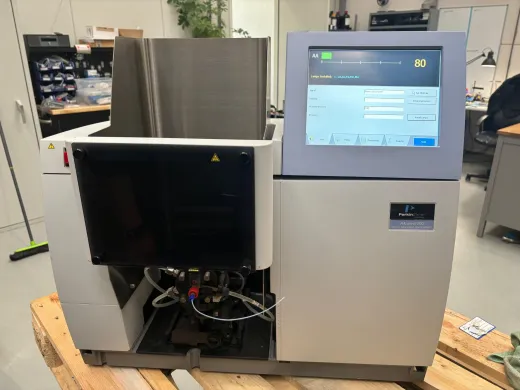
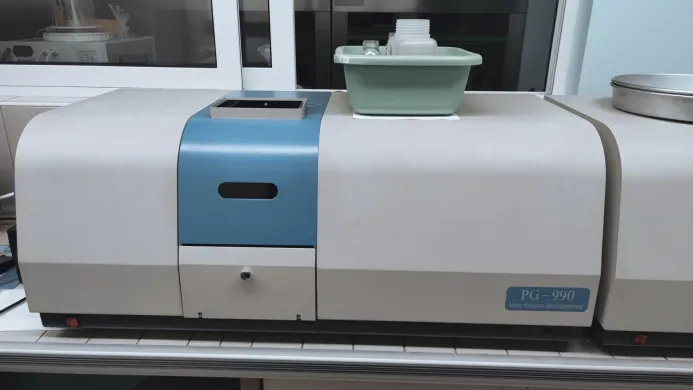
We personally find you the right used, refurbished and new atomic absorption instruments & equipment from verified suppliers.
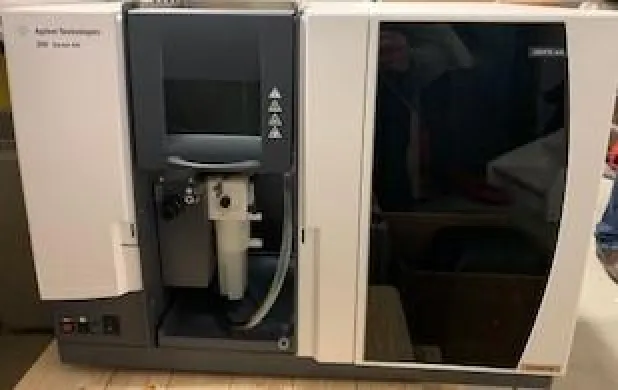
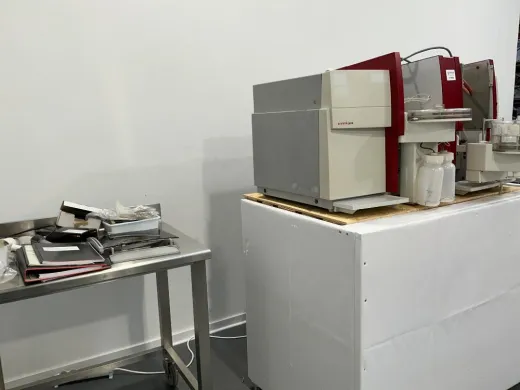
Atomic absorption spectrometry is an analytical technique that measures the concentration of metal elements in a sample by the light its free atoms absorb at characteristic wavelengths. The instruments listed here, atomic absorption spectrometers and the accessories that feed them, quantify elements such as lead, cadmium, copper and calcium down to trace levels in water, soil, food and biological samples. Of the current Questpair listings, 99 percent are used, so the catalogue is built almost entirely around second-hand laboratory instrumentation. New, used and refurbished units all appear, drawn from 11 verified suppliers and distributors across 8 countries. Prices span a wide band, which the buying guide below sets out.
Updated:
Atomic absorption product list
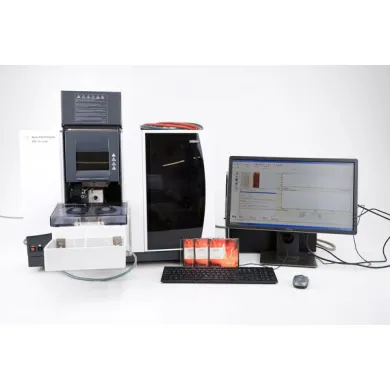
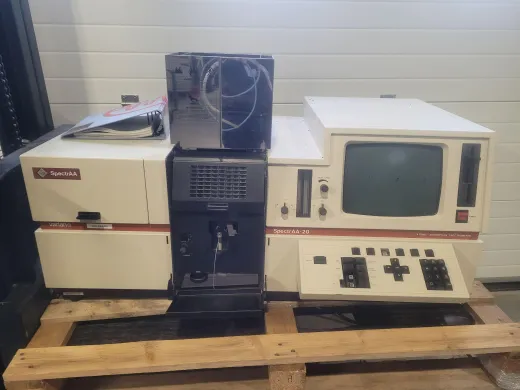
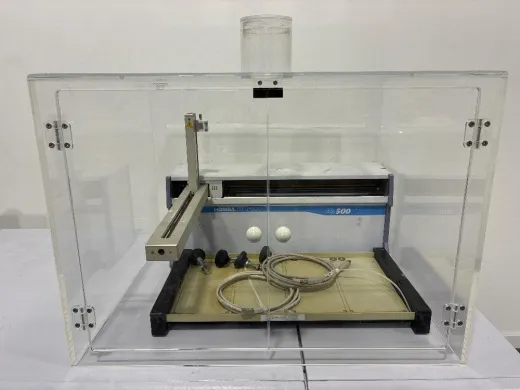


Not the exact instrument you need?
Tell our scientists what you are after. We track it down, including off-market supply.
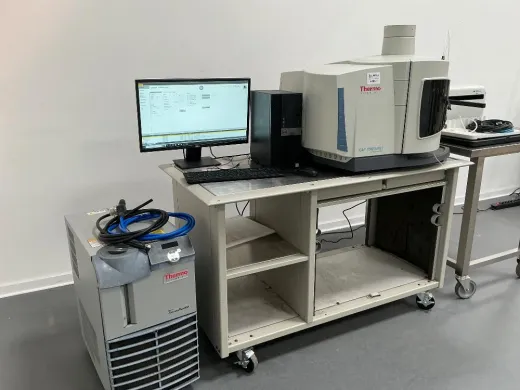
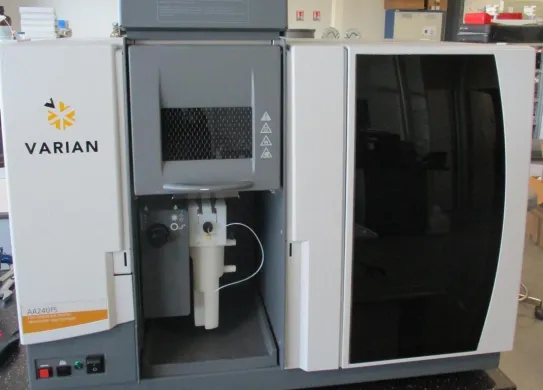
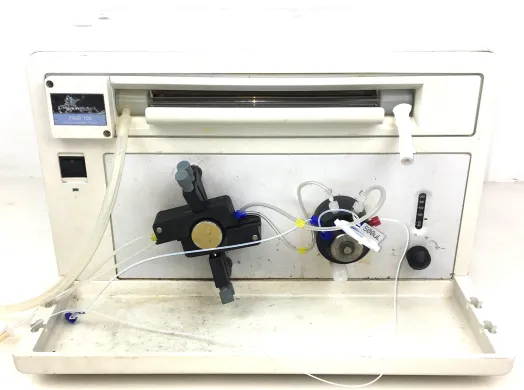
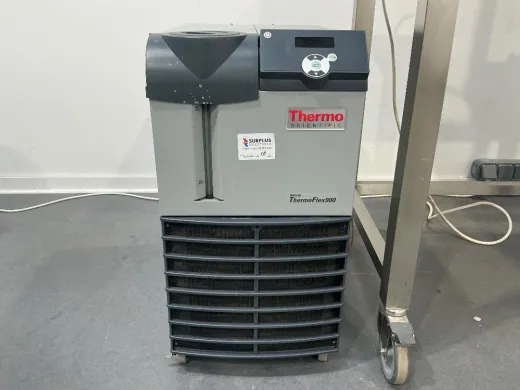
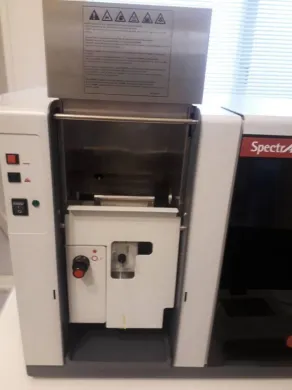
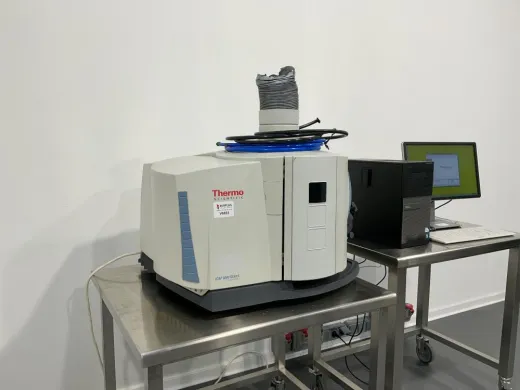
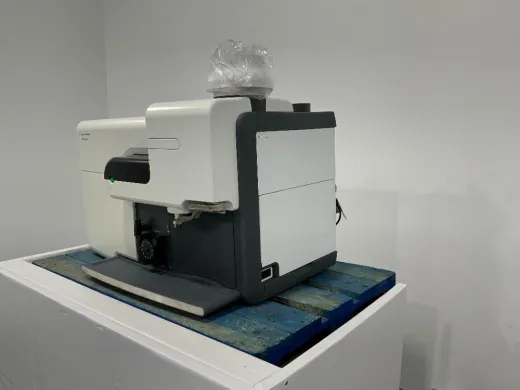
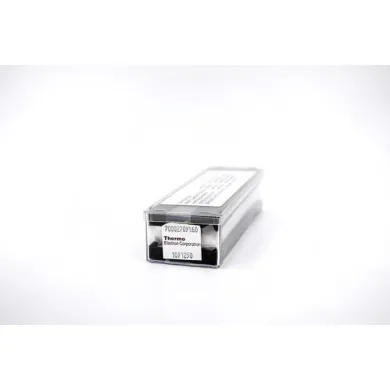
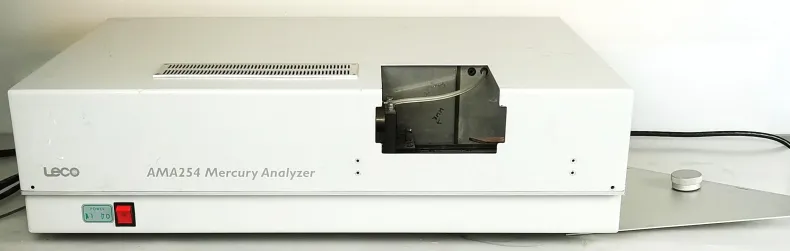
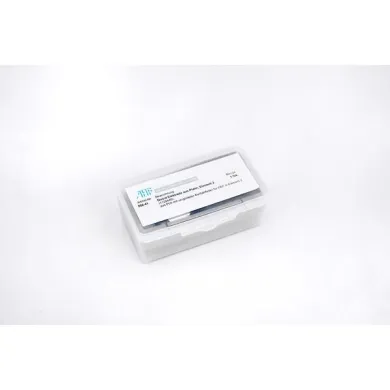
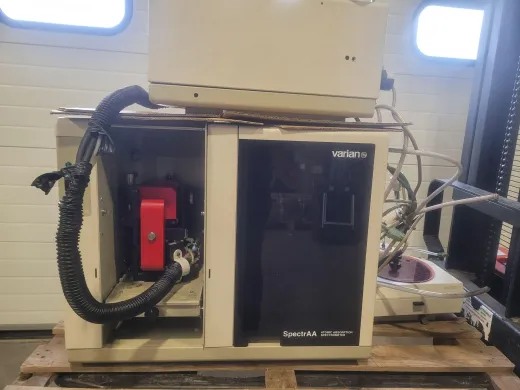
Not the exact instrument you need?
Tell our scientists what you are after. We track it down, including off-market supply.
Showing 1–40 of 98 listings
Show 40 more listingsBuying guide
Which atomisation method decides the purchase?
The first thing to settle on an atomic absorption spectrometer is how the sample is atomised, because that choice sets the detection limits, the running cost and the range of elements the instrument will handle. Flame atomic absorption is fast and cheap to run but reaches concentrations in the milligram-per-litre range; graphite furnace atomic absorption reaches micrograms per litre but runs slower and consumes more consumables per sample. Some instruments carry both, with a changeover between the flame and the furnace, and that dual capability is worth confirming before anything else, since a flame-only unit cannot be upgraded to furnace work later. Hydride generation and cold-vapour accessories extend the same instrument to arsenic, selenium and mercury, so a buyer whose method sheet names those elements should check which atomisation path a listing actually supports.
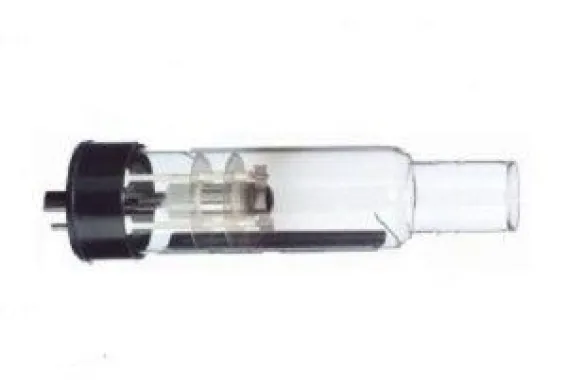
On a used unit, the condition questions follow directly from that. Confirm which hollow-cathode lamps are included and whether the lamp turret is complete, because lamps are element-specific and a missing one means the instrument cannot measure that element until a replacement is found. For a graphite furnace, the state of the furnace tube and the autosampler matters more than any specification on the datasheet, as these are the parts that wear. Ask whether the optics and the deuterium or Zeeman background correction are functional, and whether the control software and a suitable computer come with the instrument, since older systems can depend on operating systems that are difficult to replace.
Prices here run from EUR 100 to EUR 197.144, and the gap is largely the flame-versus-furnace divide plus the accessories bundled in. A bare flame instrument sits near the bottom of that band; a complete graphite furnace system with an autosampler and a full lamp set sits far higher, with the average at EUR 6.183. What a given configuration costs depends more on the accessories than on the maker, so read each listing for what is included rather than ranking the brands by name. For a laboratory on a fixed budget, a used flame spectrometer is the most affordable entry into elemental analysis, and because so many units here are offered for sale second-hand, there is usually more than one configuration to compare at a given price point.
Types of Atomic absorption
Which instrument types are listed under atomic absorption?
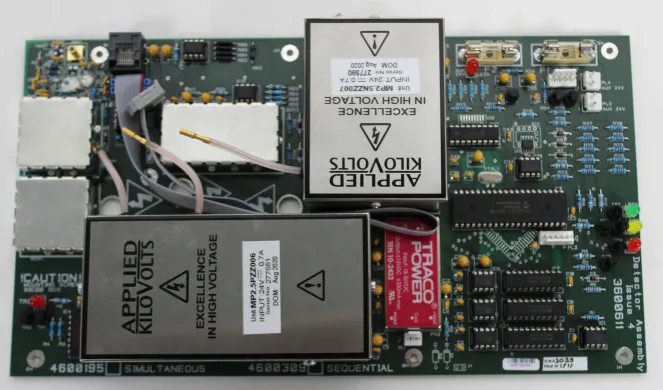
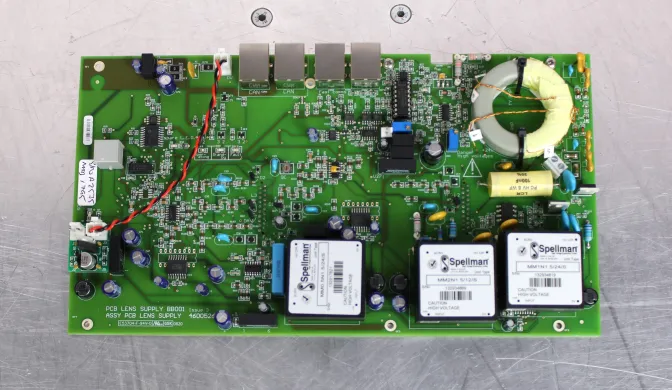
Among the listings that specify a type, the catalogue divides into complete atomic absorption spectrometers and the components that surround them. The spectrometers themselves are the core of the category: free-standing analysers that measure elemental concentration by atomic absorption, used across environmental testing, food safety and clinical chemistry. Alongside them sit ICP-MS accessories and laboratory spectrometers, which indicates that suppliers here also carry parts and neighbouring elemental instrumentation that share consumables and sample-introduction hardware. Autosamplers appear as a distinct type, automating the loading of sample vials into the furnace or flame, and generic analytical instruments round out the list.
The work these systems do reaches well beyond environmental chemistry. Atomic absorption instruments measure trace metals in cell culture media and in protein purification buffers, and quantify elemental cofactors in enzymes, which places them inside molecular biology and biomanufacturing workflows. In a biotechnology laboratory, trace metal analysis of a fermentation broth supports bioprocessing, while elemental quantification of a drug substance supports molecular diagnostics and quality control. These instruments are also used for metal determination in tissue digests, a task that sits beside histology and clinical microbiology in routine testing labs.
The brands behind the atomic absorption listings
The makers that recur most here are Thermo Scientific, Thermo, Varian, PerkinElmer, Thermo Fisher. For a buyer, that concentration is useful: a well-represented instrument line means hollow-cathode lamps, furnace tubes and autosampler parts are easier to source through Questpair, and it means several comparable units are usually on offer at once, so one model can be weighed against another on specification rather than on availability alone.
What a used atomic absorption spectrometer costs here
The condition mix is almost entirely second-hand: 99 percent of the listings are used. Prices cover a very wide range, from EUR 100 to EUR 197.144, with the average at EUR 6.183. That spread reflects the distance between a bare flame analyser and a fully equipped graphite furnace system with autosampler and lamps, so the figure to read is the configuration in each individual listing rather than the headline range.
Frequently asked questions
What is atomic absorption?
Atomic absorption is a technique that measures how much light a vaporised sample absorbs at wavelengths specific to each metal, which gives the concentration of that element in the sample. The instrument built to perform this is an atomic absorption spectrometer, sometimes written as an AAS.
What does atomic absorption mean?
It refers to the absorption of light by free atoms in a gaseous state. Because each element absorbs at characteristic wavelengths, measuring the amount absorbed tells you how much of that element is present.
How does atomic absorption work?
A sample is atomised in a flame or a heated graphite tube, a lamp emits light at a wavelength specific to the target element, and a detector records how much of that light the free atoms absorb. The absorbance is compared against calibration standards to return a concentration.
What types of atomic absorption equipment are there?
The listings include atomic absorption spectrometers as the core instrument, plus laboratory spectrometers under a more general label, elemental analysers, autosamplers for automated sample feeding, ICP-MS accessories from the related workflow, and broader analytical instruments. By atomisation method the spectrometers split into flame, graphite furnace, and hydride or cold-vapour configurations.
What is atomic absorption used for?
It quantifies the concentration of specific metals in a sample, covering routine metals testing, trace-metal analysis of biological samples such as serum and tissue digests, and quality control in bioprocessing where metal contaminants in media and buffers have to stay within limits. Graphite-furnace AAS is a common route for measuring trace elements like cadmium, lead, copper and zinc.
How do I choose an atomic absorption instrument?
Start with the atomisation method the work needs: flame reads parts-per-million and suits routine testing, graphite furnace reaches parts-per-billion for trace work, and hydride or cold-vapour setups target arsenic, selenium and mercury. Decide which elements and detection limits you must hit before comparing specific listings, since a furnace bought for flame work is idle capacity and a flame-only unit cannot reach trace levels.
Refurbished versus used, what is the difference?
A used unit is sold in its existing condition, while a refurbished unit has been reconditioned before sale; both are listed below the price of new. Check the individual listing for what reconditioning was done and what consumables and service records come with the instrument.
How much does an atomic absorption instrument cost?
Prices in this part of the catalogue run from EUR 100 to EUR 197.144, with an average of EUR 6.183. A bare flame unit, a single lamp or an autosampler sits near the floor, while a complete graphite-furnace system with autosampler, software and recent service sits far higher.
What are the main brands for atomic absorption equipment?
The listings here are led by Thermo Scientific, Thermo, Varian, PerkinElmer and Thermo Fisher. Because these are well-established lines, lamps, furnace tubes, nebulisers and burner heads are widely available and like-for-like comparison on detection limits and software is straightforward.
Can I get a warranty on a refurbished unit?
A warranty is often possible and is arranged in consultation for the specific listing. Check the listing and raise the question with the supplier before purchase.
Are parts available for these instruments?
Parts for atomic absorption instruments, including lamps, furnace tubes, nebulisers and burner heads for the common lines, can be sourced via Questpair. Element-specific hollow-cathode lamps and graphite furnace tubes are routine replacements, so plan for them in the total cost.
How long does an atomic absorption instrument last?
The optical bench and furnace body can run for many years, but consumables wear out on their own schedule: hollow-cathode lamps have a finite life, burner heads, nebulisers and spray chambers corrode over time, and graphite tubes and contacts are routine replacements. The condition of these parts on a used unit tells you more about remaining service than the age of the instrument.
New versus refurbished, which should I buy?
Used and refurbished instruments are listed at lower prices than new, and for many laboratories a reconditioned unit is the only way graphite-furnace capability fits a fixed budget. Weigh the two against the specific listing, account for lamp and furnace consumables in the total, and remember that warranty is arranged in consultation rather than fixed by instrument condition.
Where can I buy atomic absorption equipment?
Listings on Questpair come from verified suppliers and distributors across 11 suppliers in 8 countries, covering new, used and refurbished units. The catalogue currently holds 137 listings in this category.
What is the lead time and shipping on these instruments?
Lead time and shipping depend on the individual listing and supplier, since an in-stock lamp ships differently from a complete furnace system that needs decommissioning and crating. The specific terms are set per listing, so check there or contact Questpair for details.
What calibration and maintenance does an atomic absorption instrument need?
Calibration uses standards of known concentration run against the sample, and performance should be verified regularly. Maintenance centres on consumables: lamp replacement, burner head and nebuliser cleaning on flame systems, and tube and contact replacement on graphite furnaces. Ask what calibration and performance records come with a used unit before you buy.
Which instrument types are listed most, and who reaches for each?
The atomic absorption spectrometer and the elemental analyser go to the laboratory doing the measurement, while autosamplers and ICP-MS accessories go to buyers extending or repairing a system they already run. Laboratory spectrometer appears as a general descriptor for the same optical hardware, so read the listing for the atomisation method rather than the label alone.
Which brands dominate this category, and what does that mean for me?
Thermo Scientific, Thermo, Varian, PerkinElmer and Thermo Fisher lead the listings. A concentration of established makers means consumables and parts are widely available and models can be compared directly on detection limits, autosampler compatibility and software rather than on unfamiliar specifications.
What separates the cheapest listings from the most expensive here?
Price tracks closely to whether a listing is a standalone component or a full configuration. Near the floor sits a bare flame unit, a single lamp or an autosampler; near the ceiling sits a complete graphite-furnace system with autosampler, software and recent service. Read each listing for what is actually in the box, since the average of EUR 6.183 marks roughly where complete working instruments fall.