
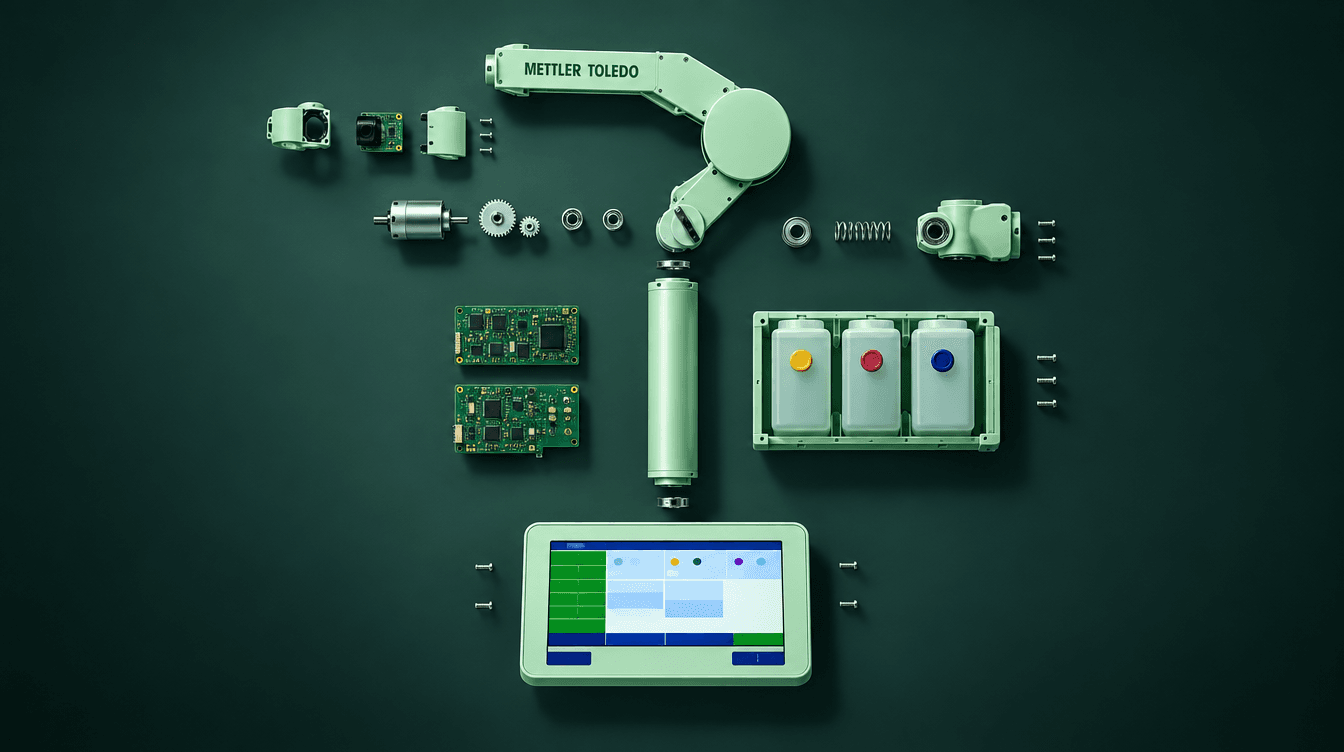
Spectroscopy
We personally find you the right new, used and refurbished spectroscopy instruments & equipment from verified suppliers.
Spectroscopy puts a known light source through a sample and reads what comes back, so the measurement is only as good as the two ends of that path: a stable source and a detector that resolves the signal from the noise. The technique splits hard by what the sample is and what you need to know. Trace metals ask for atomic absorption or an elemental analyser; a molecular fingerprint points to infrared or Raman; a routine concentration read sits with a UV-Vis instrument. The Questpair catalogue carries 4207 listings across this work from 176 verified suppliers and distributors, which is wide enough that the choice turns on the measurement, not on what happens to be available.
Updated:
Spectroscopy product list
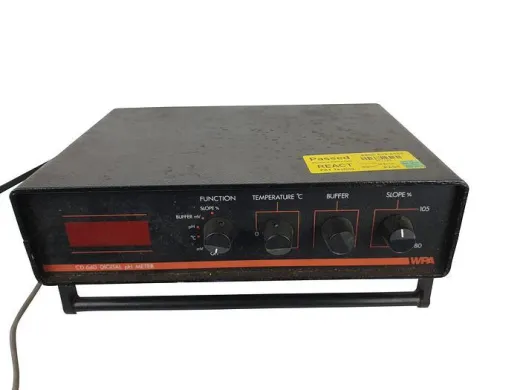
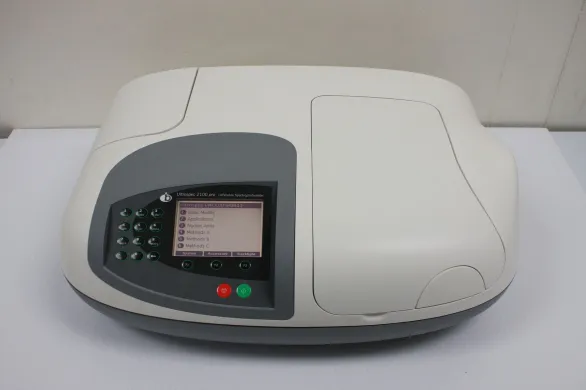
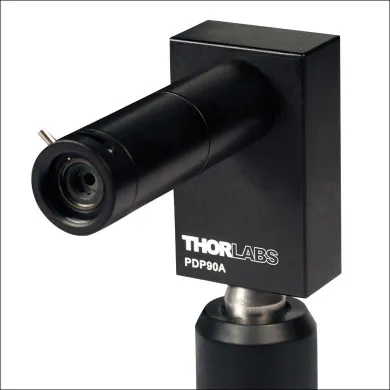


Not the exact instrument you need?
Tell our scientists what you are after. We track it down, including off-market supply.
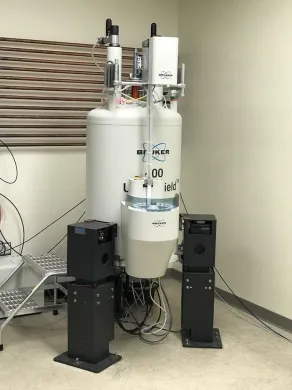
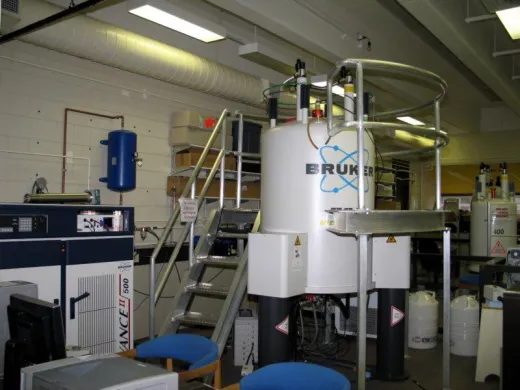
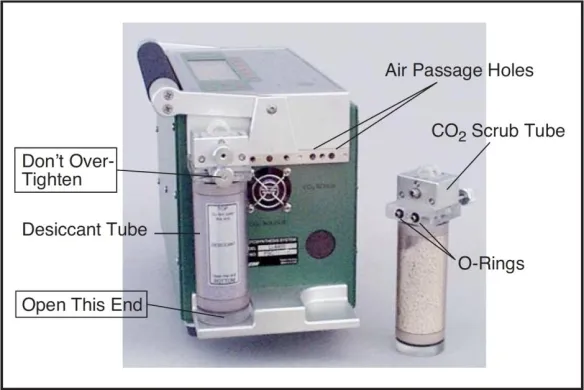
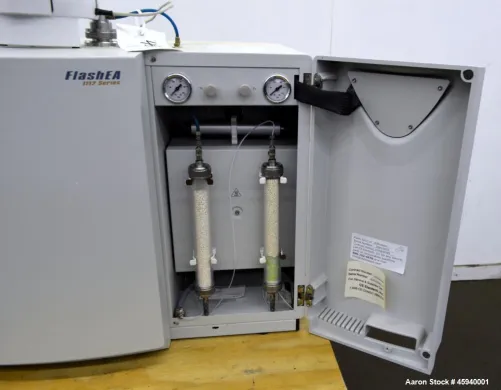
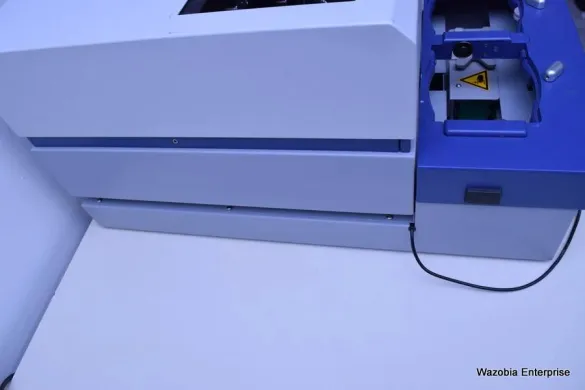
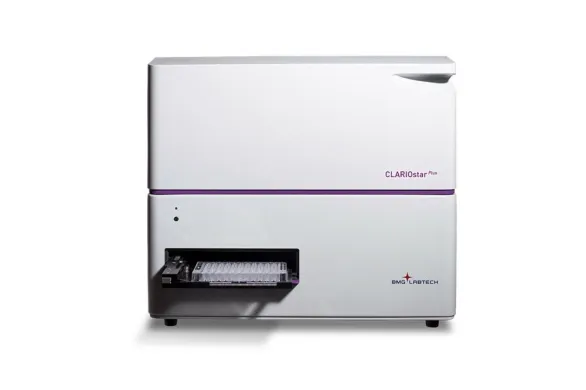
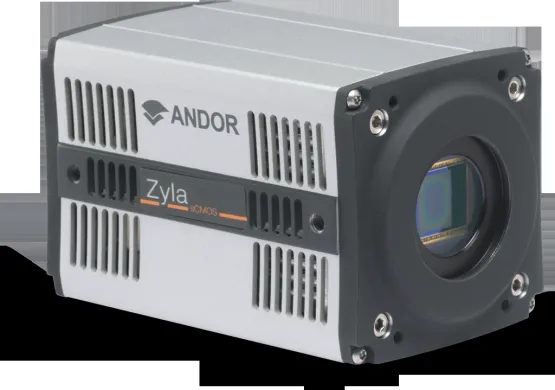
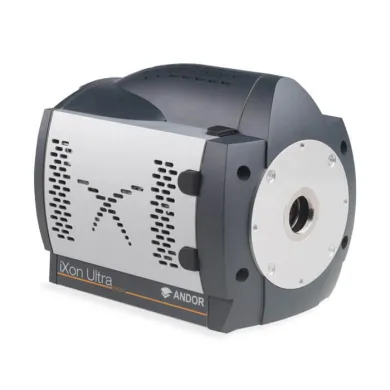
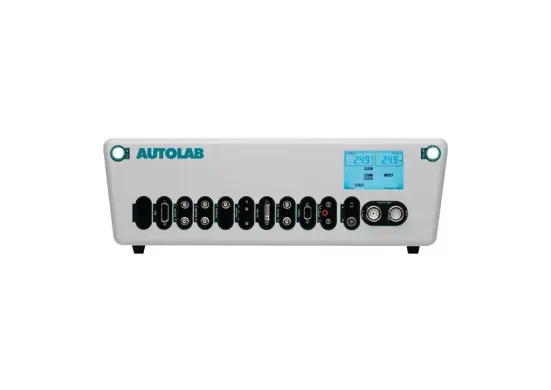
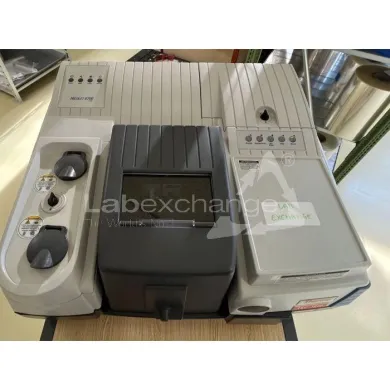
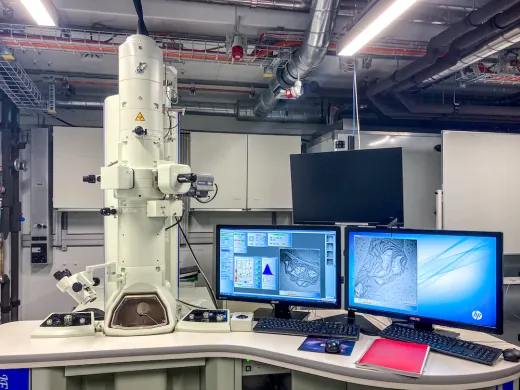
Not the exact instrument you need?
Tell our scientists what you are after. We track it down, including off-market supply.
Showing 1–40 of 1,954 listings
Show 40 more listingsBuying guide
Because this covers everything from a handheld meter to a research-grade spectrometer, the span is the widest you will see on the site: listings run from EUR 1 to EUR 222.476. The low end is the supporting equipment, a pH or conductivity meter that prepares and checks a sample. The expensive end is the optical instrument itself, and within that the FT-IR, Raman and atomic absorption systems carry the cost, because the source, the optics and the detector are where the money goes. A UV-Vis bench unit sits somewhere in the middle, which is one reason it is the most common first instrument.
Condition is where the catalogue leans hard in one direction. 94 percent of the listings are used. For spectroscopy that is less of a risk than it sounds, provided the buyer treats the two ends of the light path with respect: a used UV-Vis instrument with a tired lamp or a drifting detector will read, but it will not read true. The question to carry into any listing is the state of the source and the detector, and whether the unit holds calibration. Where a warranty matters, it is arranged in consultation for the specific listing rather than set across the board, so the thing to do is read the individual listing and ask. Prices on used and refurbished units sit below new, which for an instrument whose value is in stable optics is often the sensible buy, as long as the optics are sound.
Types of Spectroscopy
Spectroscopy is not one workflow but a set of techniques that share a principle and diverge on almost everything else, so the equipment this work draws on ranges from a bench UV-Vis spectrophotometer to an FT-IR unit, a Raman system, an atomic absorption instrument and the supporting meters that prepare and check a sample. What follows groups them by the question the measurement answers rather than by any single sequence, because a lab doing elemental analysis and a lab reading enzyme kinetics share little beyond the word on the page.
What are you trying to measure, an element or a molecule?
This is the first fork and it decides most of the rest. Elemental work asks how much of a given metal or non-metal sits in the sample, and it leans on atomic absorption instruments, flame photometers and elemental analysers. Atomic absorption passes light at a wavelength a chosen element absorbs and reads the drop; a flame photometer reads the light an excited element emits instead, which suits the alkali metals. These are quantitative by design and say nothing about structure.
Molecular work asks what a compound is or how a bond behaves, and that points to infrared and Raman spectroscopy. Infrared, usually in its FT-IR form, reads the wavelengths a molecule's bonds absorb, producing a fingerprint that identifies functional groups. Raman reads scattered light instead and answers a complementary set of questions, strong where infrared is weak, such as on aqueous samples. A lab that needs both kinds of information cannot buy one instrument and cover them; the two sit on different physics.
Where does routine concentration work fit?
A large share of day-to-day spectroscopy is neither elemental nor structural but simply a concentration read: how much of a known substance is in solution. That is UV-Vis and fluorescence territory. A UV-Vis spectrophotometer passes ultraviolet and visible light through a cuvette and measures absorbance at a set wavelength, which maps to concentration through a calibration curve. Fluorescence instruments read emitted light instead and reach far lower detection limits where the analyte fluoresces. Colorimeters do a narrowed version of the same job at fixed wavelengths for a defined assay. NIR instruments extend the range into the near-infrared and are common where a non-destructive read on a solid or a slurry matters.
The meters that stand around the measurement
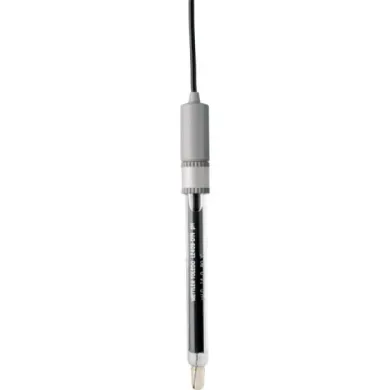
The headline instrument rarely works alone. Sample preparation and condition checks run on a cluster of supporting equipment: pH meters set and confirm the state of a solution before it is read, conductivity meters track ionic content, and electrochemistry gear handles the reads that light cannot. Optical detectors appear both inside the larger systems and as components in their own right. None of these is spectroscopy on its own, but a UV-Vis reading taken at the wrong pH is a wasted run, so the two steps constrain each other: the meter work has to be right before the optical measurement means anything. Among the listings that specify a type, these supporting meters sit alongside the spectrometers rather than beneath them, because a working setup needs both.
Frequently asked questions
What equipment do you need at minimum to start spectroscopy?
At a minimum you need the optical instrument matched to your measurement and the supporting meter that prepares the sample. For routine concentration work that means a UV-Vis spectrophotometer plus a pH meter to confirm the state of the solution before you read it, since a reading taken at the wrong pH is a wasted run.
Which step is the most expensive to set up?
The optical instrument itself, and within that the FT-IR, Raman and atomic absorption systems carry the cost, because the source, the optics and the detector are where the money goes. A UV-Vis bench unit sits in the middle of the range, and the supporting meters are the low end.
What can be bought used and what is better new?
Used and refurbished units are listed below new prices, and for an instrument whose value is in stable optics that is often a sensible buy as long as the optics are sound. The supporting meters and UV-Vis benches carry used well; the thing to weigh on any instrument is the state of the source and detector, which you judge from the individual listing.
What has to match between the sample prep and the measurement?
The meter work has to be right before the optical read means anything, so the condition the meter sets must be the condition the measurement assumes. A UV-Vis reading depends on the sample being at the correct pH, and elemental work depends on the sample being prepared to the state the instrument expects, which is why the two steps constrain each other.
Roughly what does a complete spectroscopy setup cost?
Across this work listings run from EUR 1 to EUR 222.476, the widest span on the site, so a complete setup depends entirely on which technique you are doing. A UV-Vis bench plus a pH or conductivity meter sits far below an FT-IR, Raman or atomic absorption system with its own supporting gear.
Where does cutting the budget cost you later?
Cutting on the source and detector is where it shows: a used unit with a tired lamp or a drifting detector will still read, but it will not read true, and calibration drift undoes the saving. Skimping on the supporting meter is the same problem one step back, since an optical measurement taken on a badly prepared sample is wasted regardless of how good the instrument is.
Which equipment carries over to other lab work?
The supporting meters are the shared pieces. pH meters, conductivity meters, electrochemistry gear and standalone optical detectors prepare and check samples for many kinds of work, not just spectroscopy, which is why they sit alongside the spectrometers in the catalogue rather than beneath them. The optical instruments themselves are specific to the technique.
What should I check on a used spectroscopy instrument before buying?
Check the two ends of the light path: the state of the source, the state of the detector, and whether the unit holds calibration. Carry those questions into the individual listing, and where a warranty matters it is arranged in consultation for that specific listing rather than set across the board, so read the listing and ask.
About Questpair
Questpair is the European marketplace for lab equipment, where AI-prepared cases and personal specialists guide every purchase. We work with 247 verified suppliers across 38 countries to find buyers the right new, used or refurbished instruments, with response within 1 hour and significant savings vs buying new.
Personal · Fast · Reliable · Affordable