

Electrochemistry
We personally find you the right used, refurbished and new electrochemistry instruments & equipment from verified suppliers.
Electrochemistry is the branch of analytical chemistry that measures the electrical properties of a solution to determine its chemical composition, and in a laboratory it covers the instruments and probes that read potential, current and ion activity. The equipment ranges from a single pH electrode to a complete meter with a measuring cell. On Questpair, 219 laboratory electrochemistry listings are available from 15 verified suppliers and distributors across 8 countries, offered new, used and refurbished. Of those listings, 92 percent are used. Prices run from EUR 1 to EUR 10.326, a spread that reflects the gap between a bare consumable electrode and a full benchtop analyser.
Updated:
Electrochemistry product list
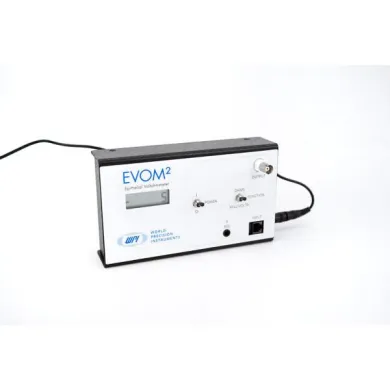
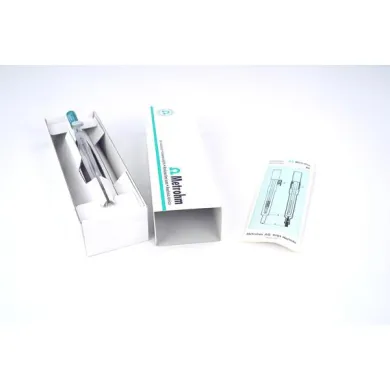
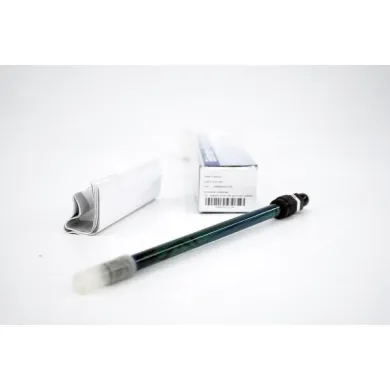


Not the exact instrument you need?
Tell our scientists what you are after. We track it down, including off-market supply.
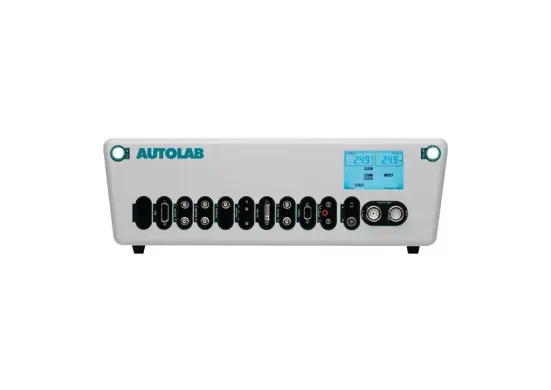
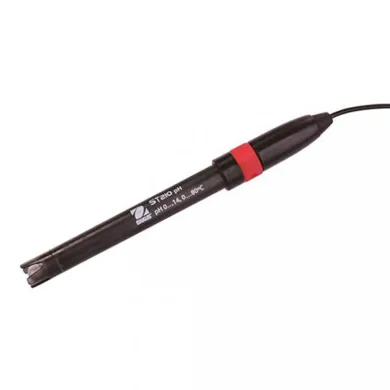
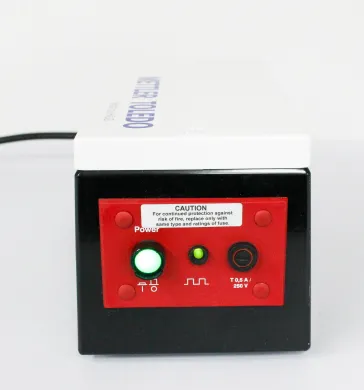
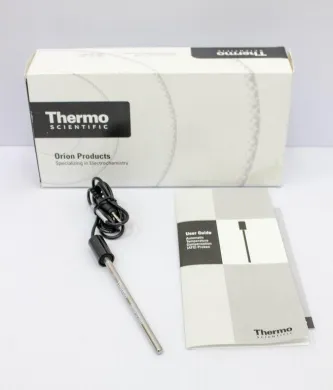
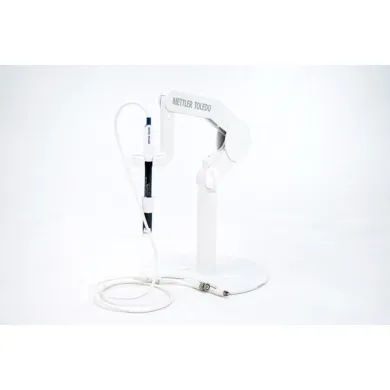
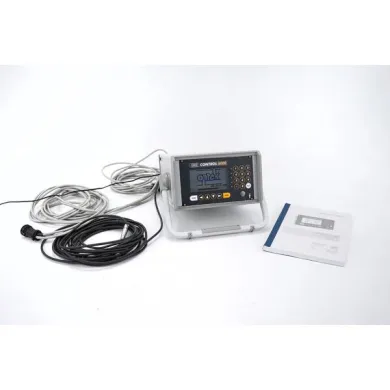
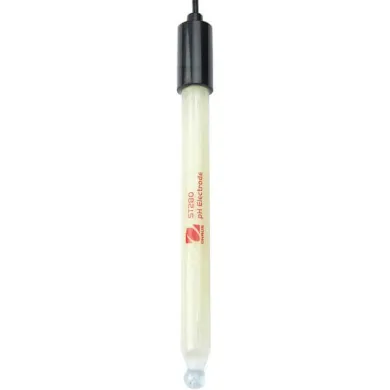
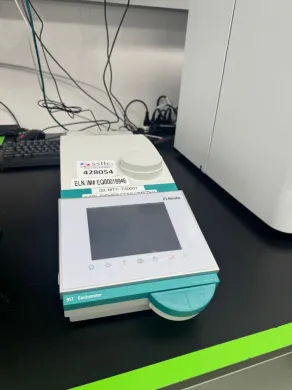
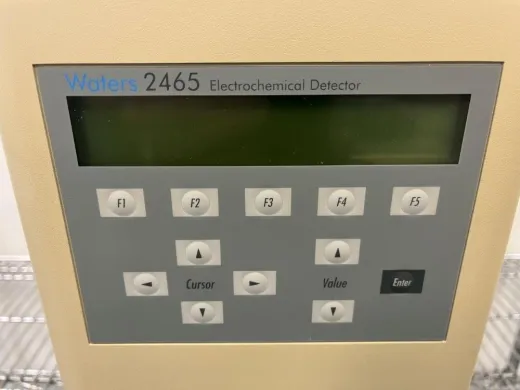
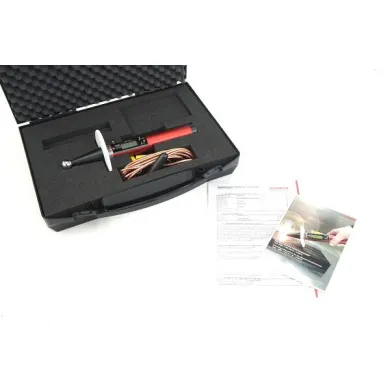
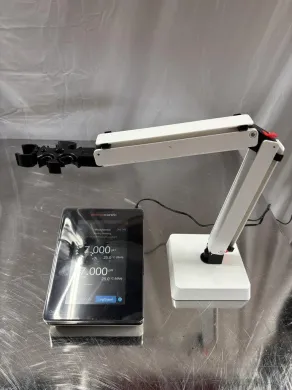
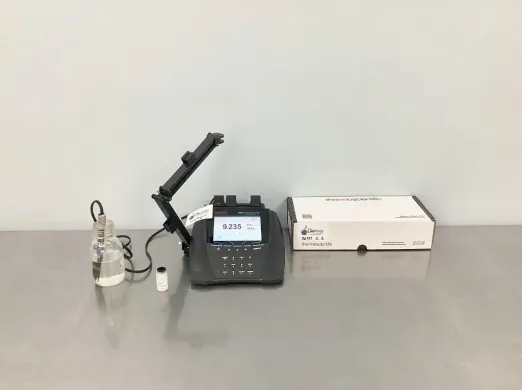
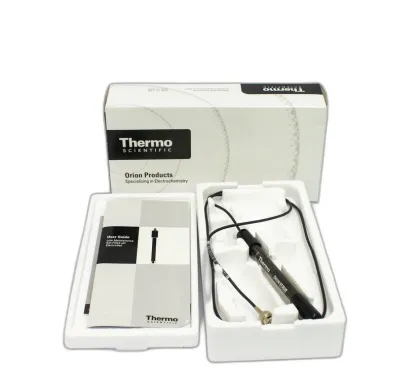
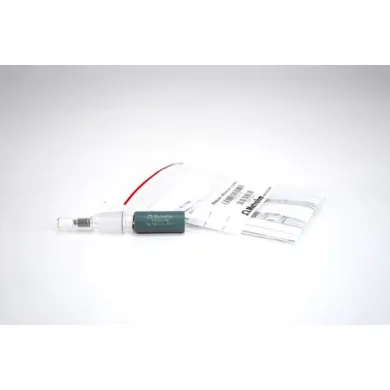
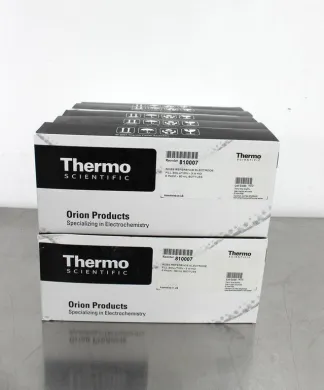
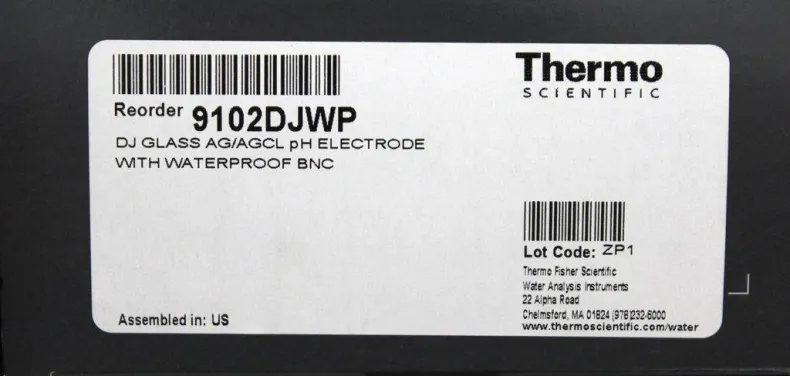
Not the exact instrument you need?
Tell our scientists what you are after. We track it down, including off-market supply.
Showing 1–40 of 181 listings
Show 40 more listingsBuying guide
What settles an electrochemistry purchase is rarely the meter, it is the electrode that meets it. A potentiometric measurement is only as good as the sensor in the solution, so the first question is which measured quantity the work needs, pH, redox potential, a specific ion, or conductivity, and which probe reads it. A general-purpose pH electrode suits aqueous buffers and routine titrations; a sample with protein, a non-aqueous solvent, or a low ionic strength needs a junction and reference system built for it, and the wrong choice drifts rather than reads. The temperature compensation method matters here too, since an uncompensated reading shifts with every degree. Settle the sensor, and the meter that drives it usually follows from the channel count and the resolution you need.
On a used unit, the electrode is a wear part and should be treated as one. A glass pH membrane ages, the reference junction clogs, and a probe that has dried out may not recover, so a listing that includes an electrode is offering a consumable of unknown remaining life. Verify whether the sensor is included or quoted separately, and plan on calibrating against fresh buffers before trusting a reading. On the meter itself, check that the connector standard matches the electrodes you hold, as BNC, screw and proprietary heads do not interchange freely. Where a listing gives no detail, Questpair's verified suppliers and distributors can be asked, and specialists respond within an hour.
What a unit costs here covers an unusually wide band. The cheapest listings are replacement electrodes and small consumables near EUR 1, while a complete automated system reaches EUR 10.326, with an average around EUR 671. A refurbished meter listed for sale is more affordable than its new equivalent, which brings a research-grade instrument within a tighter budget. The brands occupying this range are Thermo Scientific, Ohaus, Mettler Toledo, Thermo Fisher Scientific, Metrohm, names whose electrode mounts and buffer standards are well documented, which makes a used purchase easier to verify and a replacement probe easier to find.
Types of Electrochemistry
Which electrochemistry instruments are listed on Questpair?
Among the listings that specify a type, the catalogue is built around pH measurement. The pH electrode is the most common item, the glass sensor that generates a voltage proportional to hydrogen ion activity, sold both as a bare consumable and bundled with a meter. Alongside it sit broader electrochemical sensors, which cover ion-selective, redox and reference probes for quantities other than pH, and analytical electrodes aimed at titration and quantitative determination. The laboratory pH sensor and the pH meter appear as the paired reader and probe, while the electrochemistry meter denotes the multi-parameter benchtop unit that handles several of these measurements from one instrument.
These instruments do the quantitative chemistry behind a great deal of life sciences work. A pH meter underpins buffer preparation for electrophoresis, protein purification and cell culture, where a tenth of a pH unit changes how a column binds or how cells grow. Ion-selective and amperometric sensors feed bioprocessing and biomanufacturing, reading dissolved oxygen, glucose and ion concentration inside a bioreactor during a fermentation run. Electrochemical detection also supports molecular diagnostics and immunoassay readout, where a measured current reports a binding event. A buyer searching for an electrochemistry pH meter for cell culture media, or an electrochemical sensor for bioprocess monitoring, is looking for exactly this class of equipment.
The brands behind the electrochemistry listings
The names that dominate here are Thermo Scientific, Ohaus, Mettler Toledo, Thermo Fisher Scientific, Metrohm. For a buyer, that concentration is useful. These makers publish electrode specifications, buffer standards and connector types openly, which means a used meter can be matched to a replacement probe and a reading verified against a documented reference. Parts and compatible electrodes for these lines can be sourced via Questpair, and because the same families recur across the listings, one model compares cleanly against another rather than each unit standing alone.
What a used electrochemistry instrument costs here
Of the catalogue, 92 percent of the listings are used. Prices span from EUR 1 to EUR 10.326, with the average near EUR 671. That range is wide because it holds two different things: single replacement electrodes at the low end, and complete multi-parameter analysers at the top. A used or refurbished instrument is listed below the price of a new one, and where a warranty is needed it is arranged in consultation for the specific listing.
Frequently asked questions
What is electrochemistry in a laboratory context?
Electrochemistry is the branch of analytical chemistry that measures the electrical properties of a solution, such as potential, current and ion activity, to determine its chemical composition. In practice it refers to the probes and meters that read those quantities, from a single pH electrode to a full benchtop analyser.
What does an electrochemistry measurement actually tell you?
It reports a chemical quantity by reading an electrical signal, for example a voltage proportional to hydrogen ion activity for pH, or a current that reports a binding or reaction event. The signal from the electrode is converted by the meter into a value for the quantity being measured.
How do electrochemistry instruments work?
An electrode placed in the solution generates a potential or current that depends on the chemical species being measured, and the meter converts that signal into a reading. A reference electrode or junction provides a stable comparison point, and temperature compensation corrects the reading for the sample temperature.
What types of electrochemistry equipment are listed here?
The listings include pH electrodes, electrochemical sensors covering ion-selective, redox and reference probes, analytical electrodes for titration, laboratory pH sensors, pH meters and multi-parameter electrochemistry meters. The pH electrode is the most common single item, sold both bare and bundled with a meter.
What is electrochemistry equipment used for?
It handles buffer preparation for electrophoresis, protein purification and cell culture, where a tenth of a pH unit affects column binding and cell growth. Ion-selective and amperometric sensors read dissolved oxygen, glucose and ion concentration in bioreactors, and electrochemical detection supports molecular diagnostics and immunoassay readout.
How do I choose the right electrode for my work?
Start with the quantity you need to measure, pH, redox potential, a specific ion, or conductivity, and select the probe that reads it. A general-purpose pH electrode suits aqueous buffers and routine titrations, while protein-containing, non-aqueous or low ionic strength samples need a junction and reference system built for those conditions.
What is the difference between refurbished and used units here?
A used unit is sold in its existing condition, while a refurbished unit has been reconditioned before listing. Both are offered on Questpair at prices below a new equivalent, and the exact condition is described in the individual listing.
How much does electrochemistry equipment cost?
Prices run from EUR 1 to EUR 10.326, with the average near EUR 671. The low end holds replacement electrodes and small consumables, and the high end holds complete multi-parameter analysers, which is why the band is so wide.
Which brands are listed for electrochemistry?
The names that recur across the listings are Thermo Scientific, Ohaus, Mettler Toledo, Thermo Fisher Scientific and Metrohm. These makers publish electrode specifications, buffer standards and connector types, which makes a used meter easier to match to a replacement probe.
Is a warranty available on a refurbished electrochemistry instrument?
A warranty is often possible and is arranged in consultation for the specific listing. Terms are set per listing rather than centrally, so the detail is confirmed with the supplier before purchase.
Can I get replacement electrodes and parts?
Parts and compatible electrodes for these brand lines can be sourced via Questpair. Because the same brand families recur across the listings, a probe can usually be matched to a documented connector and buffer standard.
How long does electrochemistry equipment last?
The meter itself is durable, but the electrode is a wear part: a glass pH membrane ages, the reference junction clogs, and a probe that has dried out may not recover. Plan to treat the electrode as a consumable with a limited remaining life, separate from the meter.
Should I buy new or used?
Used and refurbished instruments are listed below the price of new ones, which brings a research-grade unit within a tighter budget. Where warranty or condition matters, check the individual listing and arrange warranty in consultation before deciding.
Where can I buy electrochemistry equipment?
Questpair lists 219 electrochemistry listings from 15 verified suppliers and distributors across 8 countries, offered new, used and refurbished. Of those listings, 92 percent are used.
What are lead time and shipping like?
Lead time and shipping depend on the individual supplier and the item, since consumable electrodes and full benchtop systems ship differently. The timing for a specific listing can be confirmed with the supplier through Questpair, where specialists respond within an hour.
How do I calibrate and maintain a used pH meter?
Calibrate against fresh buffers before trusting a reading, since a used electrode of unknown history can drift. Keep the reference junction from drying out and store the probe as the electrode type requires, because an uncompensated or neglected sensor shifts with temperature and age.
Which types are most listed and who reaches for which?
pH electrodes and pH meters dominate the listings and serve buffer preparation and routine titration across life sciences labs. Electrochemical sensors, including ion-selective and amperometric probes, go to bioprocessing for dissolved oxygen and ion monitoring, while multi-parameter electrochemistry meters suit labs needing several measurements from one instrument.
Which brands dominate this category and what does that mean for a buyer?
Thermo Scientific, Ohaus, Mettler Toledo, Thermo Fisher Scientific and Metrohm recur across the listings. That concentration means one model compares cleanly against another, and because their electrode mounts and buffer standards are documented, a used purchase is easier to verify and a replacement probe easier to find.
What separates the cheapest listings from the most expensive?
At the low end near EUR 1 sit bare replacement electrodes and small consumables, which measure a single quantity. At the top near EUR 10.326 are complete automated multi-parameter systems that handle several measurements, with integrated meters, cells and temperature compensation, which accounts for the gap.