53k+ listingsShips to NLResponse within one hour+31 73 711 4717info@questpair.com

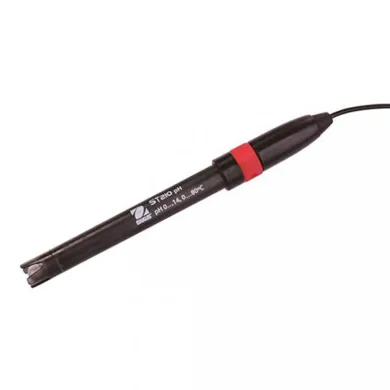
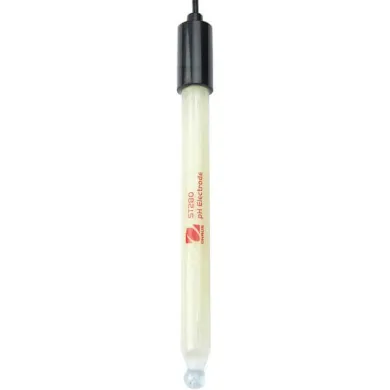
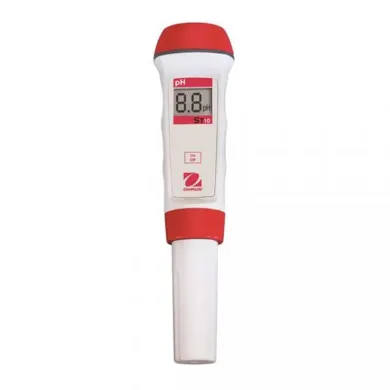
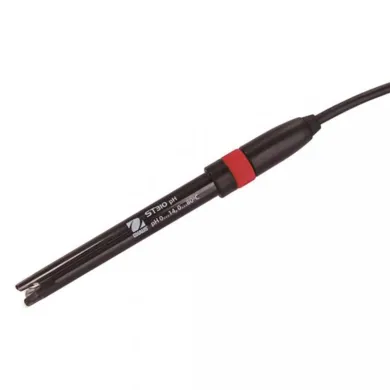
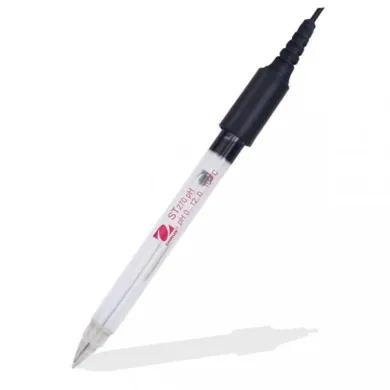
Ohaus Pen ORP Electrodes ST20C-B, ST20T-B and STORP2 #30038553

UsedOhausElectrochemistryUnited States

From€182.61excl. VAT

In stock

Can't find what you're looking for?

Electrode Type
ORP
Measurement Range
-1000 – 1000 mV
Cable
1.1 m
Shaft Material
Glass
Net Weight
2.5 oz (70 g)
All 11 specifications
  • Ships to NL
  • Response within 1 hour
  • Warranty available. Buy without worry
  • Support from a scientist

Specifications 11

Brands
Ohaus
New/Used
Used
Electrode Type
ORP
Measurement Range
-1000 – 1000 mV
Cable
1.1 m
Shaft Material
Glass
Dimensions
4.7 in x 0.47 in (120 mm x 12 mm)
Net Weight
2.5 oz (70 g)
Temperature Range
0 °C – 100 °C
Temperature Sensor
No
Working Environment
50°F – 104°F, 85%RH, non-condensing (10°C – 40°C, 85%RH, non-condensing)

Product description

Glass shaft ORP pen electrodes with integrated temperature sensor for Ohaus meters, -1000 to 1000 mV range.

Ohaus ORP Starter Electrodes

  • Constructed with durable glass shafts for daily use
  • Integrated temperature sensor enables automatic temperature compensation for accurate ORP measurement
  • Compatible with electrode holders on Ohaus benchtop meters and clips on portable meters

Technical Specifications

  • Electrode type: ORP (Oxidation-Reduction Potential)
  • Measurement range: -1000 mV to 1000 mV
  • Cable length: 1.1 m
  • Shaft material: Glass
  • Dimensions: 120 mm x 12 mm (4.7 in x 0.47 in)
  • Net weight: 70 g (2.5 oz)
  • Operating temperature range: 0 °C to 100 °C (32 °F to 212 °F)
  • Working environment: 10 °C – 40 °C (50 °F – 104 °F), 85% RH non-condensing
  • Temperature sensor: Present for automatic compensation (exception noted for model STORP2, which specifies "No" temperature sensor in description, clarification needed)

These pen electrodes are designed to provide reliable and precise ORP measurements when used with Ohaus benchtop and portable meters.

Why Questpair exists

Lab equipment markets are fragmented. Buyers spend weeks calling distributors, comparing quotes, and verifying supplier reliability. Sellers struggle to reach global research labs.

We built Questpair to fix this. Every supplier on the platform is verified before listing. Every quote you receive comes from a real, vetted seller. AI prepares your case in minutes, then a real specialist takes over.

We're an independent team based in The Netherlands, working with research labs and procurement teams across Europe and worldwide.

Frequently asked questions

How long does laboratory equipment typically last?

With a service contract, ten to fifteen years is normal for most benchtop instruments. Detectors and pumps are the parts that wear first.

Can I get service for older equipment?

Often, yes. Verified suppliers frequently work with service partners converting the instrument. If applicable, we can list servicing options alongside the offer.

Where can I buy parts?

Ask a scientist through the request button. Parts are often available even when the instrument itself is discontinued.

What is the typical lead time for refurbished equipment?

Two to six weeks, depending on refurbishment scope and whether calibration is included.

Does laboratory equipment ship internationally?

We ship to 38 countries. Crating and customs handling are quoted with the instrument.

Reply in one hour

Can't find the exact configuration?

Tell us what you need and a scientist finds it for you, usually within the hour.

Last updated 6 November 2026