

Viscometers
We personally find you the right used, refurbished and new viscometers instruments & equipment from verified suppliers.
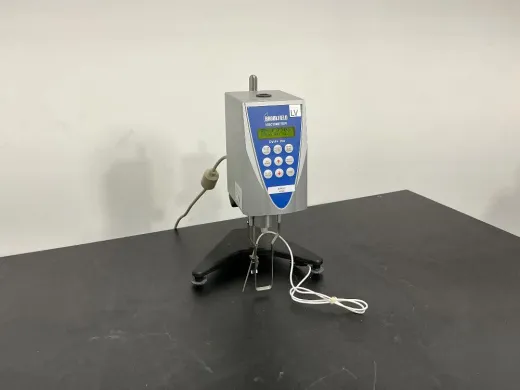
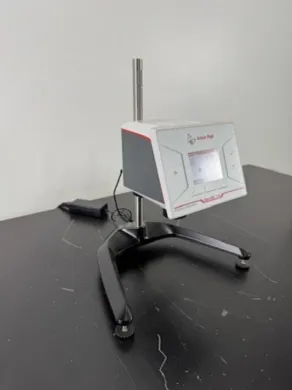
Viscometers are instruments that measure the viscosity of a fluid, the resistance it offers to flow under an applied force. They fall into two broad working principles: rotational instruments that spin a spindle in the sample and read the torque, and capillary or tube instruments that time how long a fixed volume takes to pass through a calibrated bore. The Questpair catalogue lists new, used and refurbished laboratory viscometers side by side, and of the current listings, 63 percent are used. Prices span a wide field because a simple glass tube and a research rheometer both sit under the same heading. That range is covered in the buying guide below.
Updated:
Viscometers product list
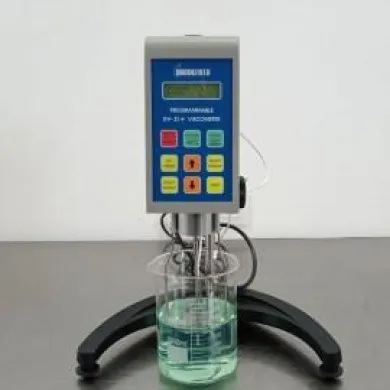
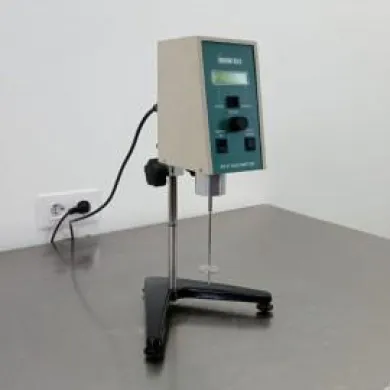
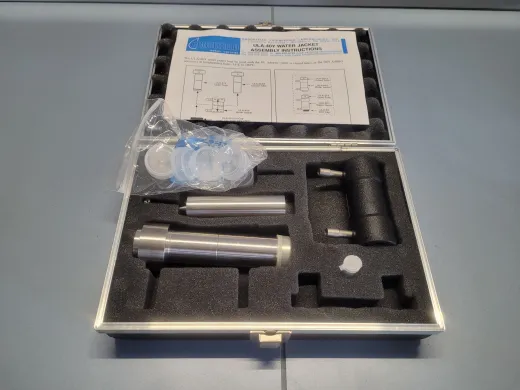
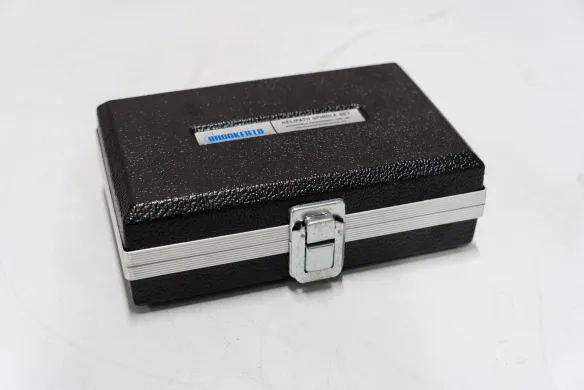


Not the exact instrument you need?
Tell our scientists what you are after. We track it down, including off-market supply.
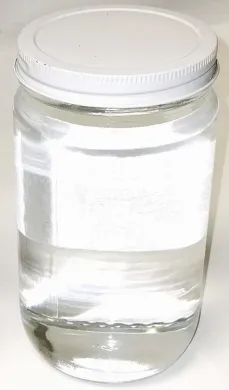
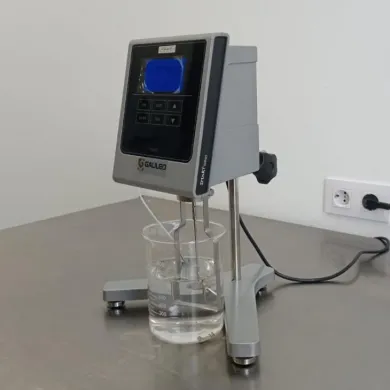
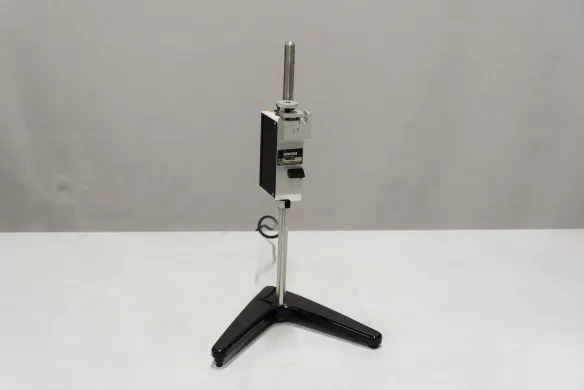
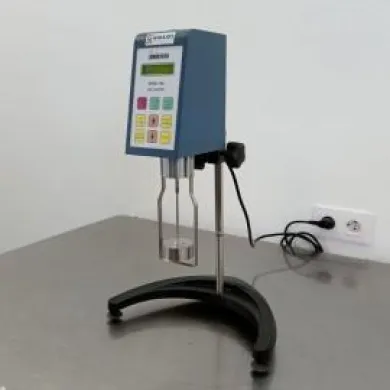
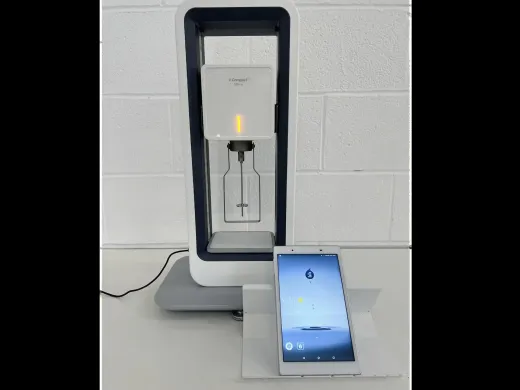
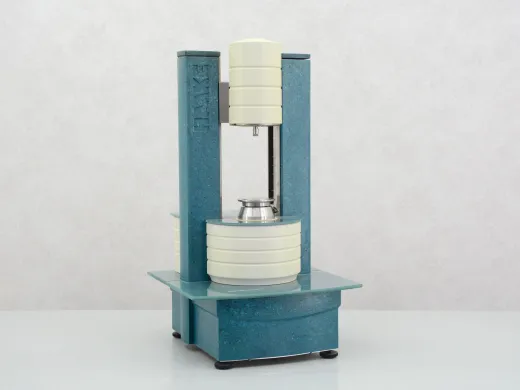
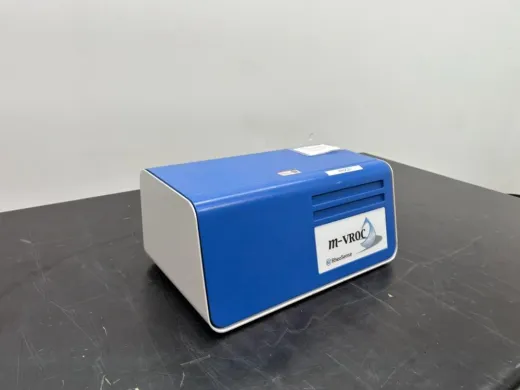
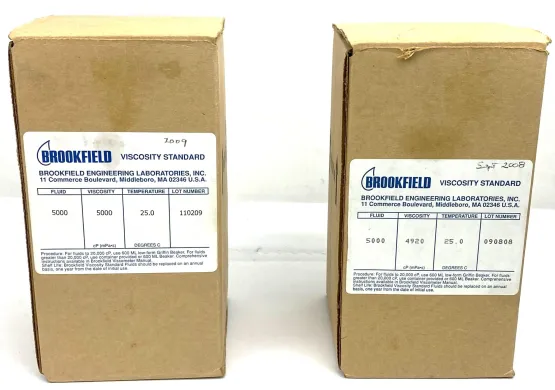
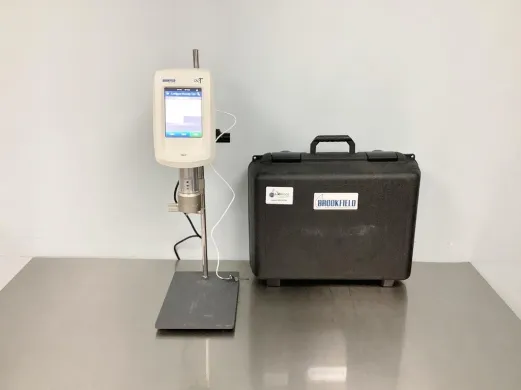
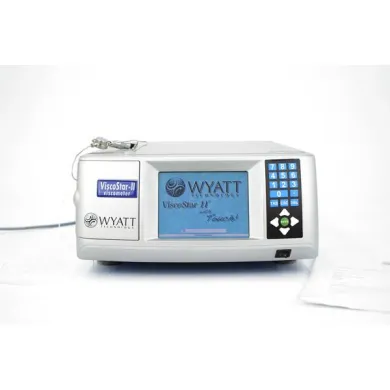
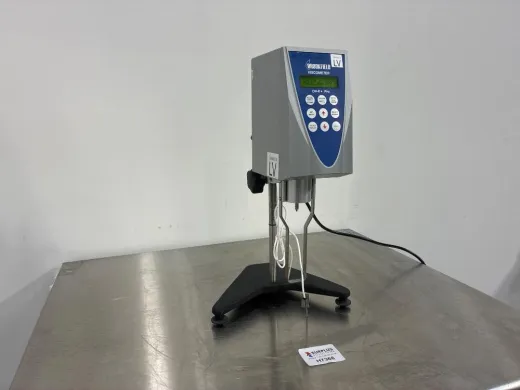
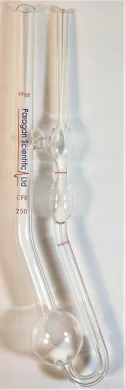
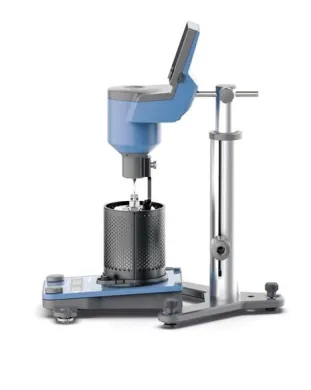
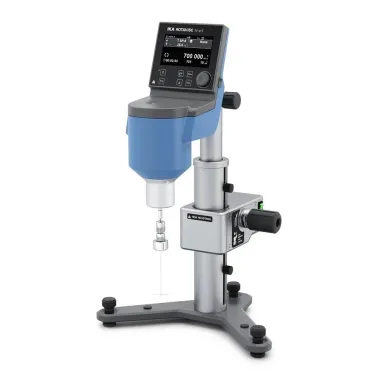
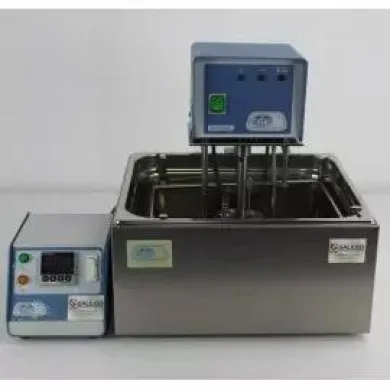
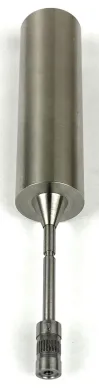
IKA ROTATEMP SBS me-vi Viscometer Package
- Category
- Viscometers
- Brand
- Ika
- Suppliers
- 1 verified
Not the exact instrument you need?
Tell our scientists what you are after. We track it down, including off-market supply.
Showing 1–40 of 91 listings
Show 40 more listingsBuying guide
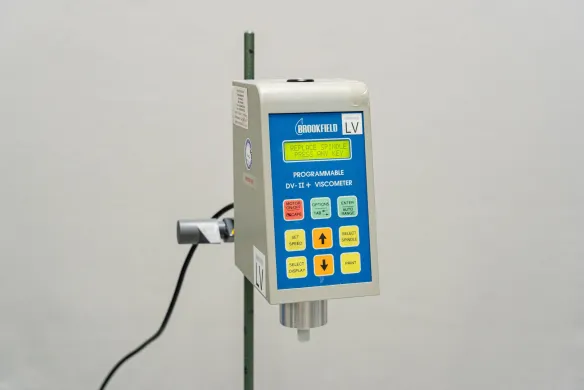
The first thing a buyer settles is which measurement principle the work calls for, because it dictates almost everything that follows. Rotational instruments give an absolute viscosity reading at a defined shear rate and let you vary that rate, so they suit fluids whose viscosity changes with how hard you push them, paints, gels, emulsions, polymer solutions. Capillary and tube instruments measure kinematic viscosity, viscosity divided by density, by timing flow under gravity, and they are the standard for clean low-viscosity liquids such as oils and solvents where accuracy and low cost matter more than a shear sweep. A buyer who already runs a given method, say ASTM D445 on lubricants, is tied to a kinematic tube of a specified size; a buyer characterising a new formulation usually wants rotational.
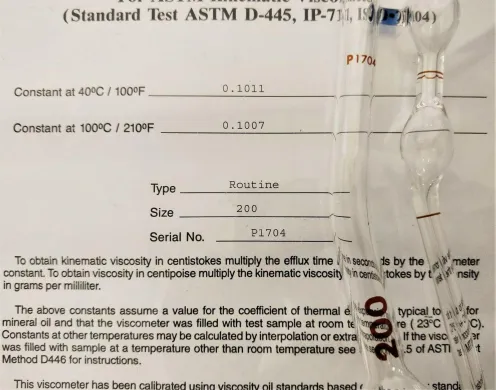
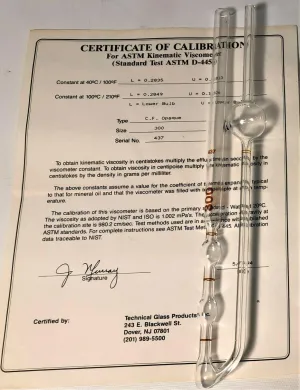
On a used unit the questions change. For a rotational viscometer the torque spring is the part that ages, and a spindle set is easy to lose or mismatch, so confirm which spindles are included and ask whether the instrument still reads a known standard within tolerance. A viscosity standard oil is the cleanest check: run it and compare. For a glass capillary tube, inspect the bore for residue or chips, since a cleaning scratch or dried sample at the capillary changes the constant the tube was calibrated with. Tubes carry an individual calibration constant, so a used tube without its certificate needs recalibration before any method work.
Price sits across a very wide span on this page, from EUR 30 at the low end to EUR 19.796 at the top, with an average around EUR 1.962. That spread is not noise: a single kinematic tube and a temperature-controlled research rheometer are both viscometers and belong at opposite ends of it. A buyer working to a fixed budget will find that used rotational instruments and complete tube sets listed for sale are more affordable than their new equivalents, which is where most of the saving on this category comes from. Brookfield, Cannon-Fenske, IKA, Cannon, Brookfield Engineering account for much of what is listed, and a familiar name helps mainly because spindles, standards and replacement tubes are easier to match and a model is easier to compare against another of the same line. The listings come from 15 suppliers across 7 countries, so for a specific spindle count or temperature range it is worth comparing several before deciding.
Types of Viscometers
Which viscometer types are listed?
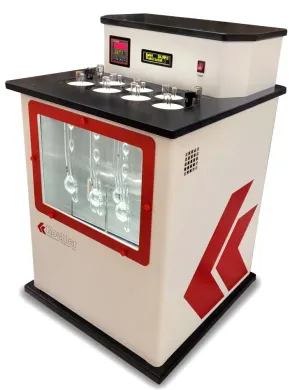
Among the listings that specify a type, the catalogue divides along the two working principles. Rotational viscometers measure torque on a spindle turning in the sample and are the general tool for anything that flows unevenly; they are what a formulation or quality lab reaches for when viscosity depends on shear rate. Kinematic viscometers and the glass tubes that go with them time a fixed volume of liquid falling through a calibrated capillary, giving kinematic viscosity for clean liquids like oils, fuels and solvents. Viscometer tubes and kinematic viscometer tubes appear as items in their own right, since a tube is a consumable with its own calibration constant and is bought separately from the bath or holder it sits in. Rheometers sit at the demanding end: they apply controlled stress or strain and resolve properties a basic rotational unit cannot, the elastic as well as the viscous response.
Viscometry and rheometry do real work in biotechnology and life sciences. Protein formulation relies on it directly, since the viscosity of a concentrated antibody solution decides whether it can pass through a syringe needle, so rotational and cone-plate measurement runs through biomanufacturing and biopharmaceutical formulation development. Tube and rotational viscometers are also used for characterising polysaccharides and biopolymers in cell culture media and fermentation broth, and rheometers are also used for hydrogel characterisation in tissue engineering and bioprinting. The shear-dependent behaviour of blood and of mucus makes these instruments part of haematology and biofluid rheology work as well.
The brands behind the viscometer listings
Brookfield, Cannon-Fenske, IKA, Cannon, Brookfield Engineering make up much of the catalogue. For a buyer this matters on three fronts. Brookfield and Brookfield Engineering dominate rotational instruments, which means spindle sets, guard legs and viscosity standards are widely available and a model is straightforward to compare against another in the same line. Cannon and Cannon-Fenske are the recognised names on the capillary side, and a Cannon-Fenske tube is a defined size standard rather than a proprietary shape, so replacement tubes and calibration services are easy to source. IKA appears across the mixing and measurement range. Buying within these lines generally keeps parts, spindles and tubes matchable and holds a used instrument's resale and repair prospects steadier than an orphan model would.
What a used viscometer costs here
Of the listings, 63 percent are used. The full range runs from EUR 30 to EUR 19.796, with an average near EUR 1.962. That spread covers everything from an individual calibrated glass tube to a temperature-controlled rheometer, which is why no single figure describes the category well. The listings come from 15 verified suppliers and distributors across 7 countries. Used and refurbished units are listed below the price of new, and where a buyer wants a warranty on a specific instrument that is arranged in consultation for that listing.
Frequently asked questions
What is a viscometer?
A viscometer is an instrument that measures the viscosity of a fluid, meaning the resistance it offers to flow under an applied force. It expresses how thick or thin a liquid behaves when a force moves it.
What does viscometer mean?
The term refers to a measuring device for viscosity, combining the idea of viscosity with the measurement function. A viscometer reports that resistance as a numeric value, either as absolute viscosity or kinematic viscosity depending on the design.
How do viscometers work?
Rotational viscometers spin a spindle in the sample and read the torque needed to turn it, which relates to viscosity at a defined shear rate. Capillary or tube viscometers time how long a fixed volume of liquid takes to pass through a calibrated bore under gravity.
What types of viscometers are there?
The catalogue lists rotational viscometers, kinematic viscometers, viscometer tubes, kinematic viscometer tubes and rheometers. Rotational and rheometer instruments vary shear rate, while tube and kinematic designs time gravity flow through a calibrated capillary.
What are viscometers used for?
They measure flow resistance in formulation, quality control and research, covering fluids such as oils, fuels, solvents, paints, gels and polymer solutions. In life sciences they support protein formulation, biopolymer characterisation, hydrogel work and the study of blood and mucus behaviour.
How do I choose a viscometer?
Start with the measurement principle the work requires: rotational for fluids whose viscosity changes with shear, capillary or tube for clean low-viscosity liquids measured by timed gravity flow. If you run a defined method such as ASTM D445, the method fixes the tube size you need.
What is the difference between refurbished and used viscometers?
A used instrument is sold in its existing condition, while a refurbished one has been checked and reconditioned before listing. Both are listed below the price of new, and the exact scope of any reconditioning is stated in the individual listing.
How much does a viscometer cost?
Prices in the catalogue range from EUR 30 to EUR 19.796, with an average near EUR 1.962. A single calibrated glass tube and a temperature-controlled rheometer both sit under this heading, which is why the span is so wide.
Which brands make viscometers?
Brands listed include Brookfield, Brookfield Engineering, Cannon, Cannon-Fenske and IKA. Brookfield and Brookfield Engineering appear mainly on rotational instruments, Cannon and Cannon-Fenske on the capillary side, and IKA across mixing and measurement.
Is there a warranty on a refurbished viscometer?
A warranty is often possible and is arranged in consultation for the specific listing. Check the individual listing for its stated condition and ask about warranty terms before purchase.
Can I get replacement parts like spindles and tubes?
Parts including spindles, guard legs and replacement tubes can be sourced via Questpair. Staying within an established line such as Brookfield or Cannon keeps spindle sets and tube sizes easier to match.
How long does a viscometer last?
A viscometer can serve for many years when kept clean and recalibrated on schedule. On rotational units the torque spring is the component that ages, while glass tubes last until the bore is scratched, chipped or fouled.
Should I buy new or used?
Used and refurbished viscometers are listed at lower prices than new, which is where most of the saving on this category comes from. Where you have to weigh the two, compare the specific listing for included spindles, calibration state and the warranty arranged in consultation.
Where can I buy a viscometer?
The listings come from 15 verified suppliers and distributors across 7 countries, shown side by side in the Questpair catalogue. Comparing several listings helps when you need a specific spindle count, temperature range or tube size.
What are the lead time and shipping like?
Lead time and shipping depend on the individual listing and the supplier handling it. The details for a specific instrument are confirmed with that listing's supplier before purchase.
How are viscometers calibrated and maintained?
A rotational unit is checked by running a viscosity standard oil and comparing the reading against the known value within tolerance. A glass tube carries an individual calibration constant tied to its bore, so a used tube without its certificate needs recalibration before any method work.
Which viscometer types are listed most, and who reaches for each?
Among listings that specify a type, rotational viscometers are the general tool for a formulation or quality lab working with fluids whose viscosity depends on shear rate. Kinematic viscometers and their tubes suit clean liquids like oils and solvents, while rheometers serve work that needs the elastic as well as the viscous response.
Which brands dominate this category and what does that mean for me?
Brookfield and Brookfield Engineering account for much of the rotational side, while Cannon and Cannon-Fenske are the recognised names on the capillary side. Because a Cannon-Fenske tube is a defined size standard rather than a proprietary shape, replacement tubes and calibration are easier to match, and a familiar line holds a used instrument's repair and resale prospects steadier.
What separates the cheapest viscometers from the most expensive here?
At the low end sit individual calibrated glass tubes and complete tube sets, which carry a calibration constant but no instrument electronics. At the top end sit temperature-controlled rheometers that apply controlled stress or strain and resolve properties a basic rotational unit cannot, which is why the price band runs from EUR 30 to EUR 19.796.