

Air sampling equipment
We personally find you the right used, refurbished and new air sampling equipment from verified suppliers.
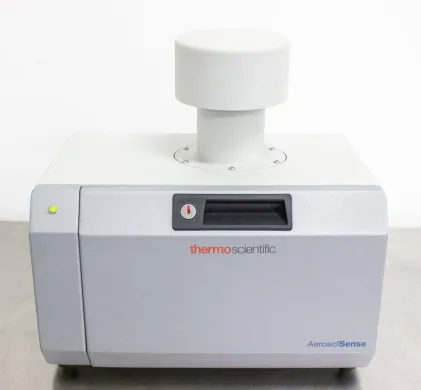
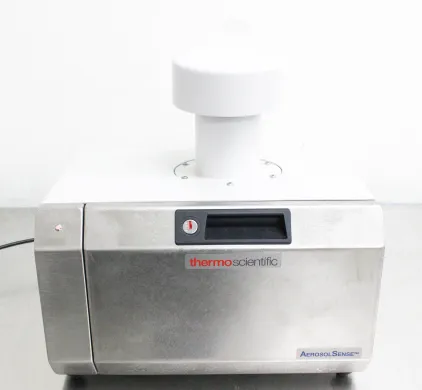
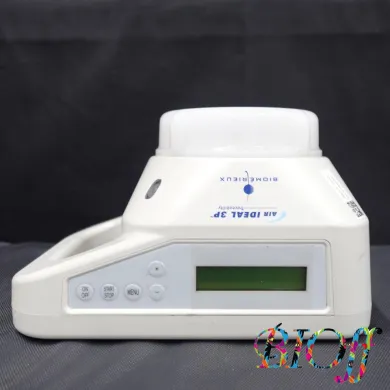
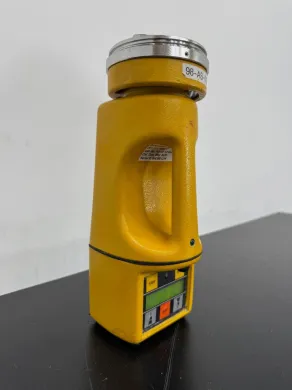
Air sampling equipment is the class of instruments that draws a measured volume of air across a collection medium or a detector to quantify what the air carries, whether that is viable microorganisms, inert particles, or specific gases and vapours. The catalogue holds 286 listings from 13 verified suppliers and distributors across 7 countries, in new, used and refurbished condition. 97 percent of the listings are used. Prices run from EUR 10 to EUR 10.000, with an average near EUR 1.946. The equipment serves two separate jobs that often share a bench: microbiological monitoring, which captures living cells onto an agar plate for incubation, and particle counting, which sizes and tallies non-viable particles in real time. A laboratory specifies one, the other, or both depending on what it has to prove.
Updated:
Air sampling equipment product list


Not the exact instrument you need?
Tell our scientists what you are after. We track it down, including off-market supply.
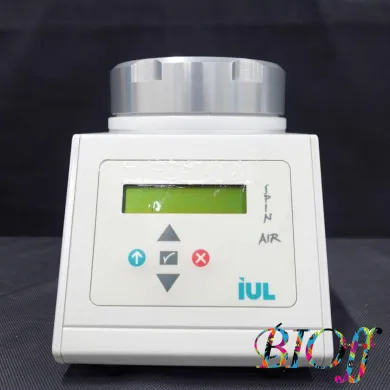
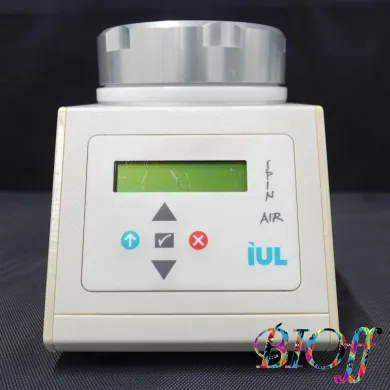
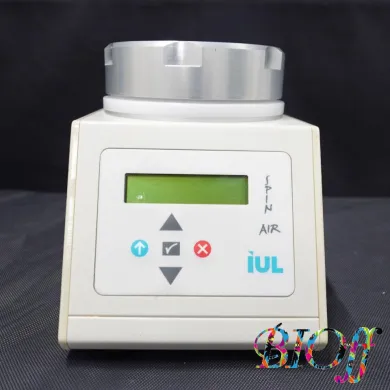
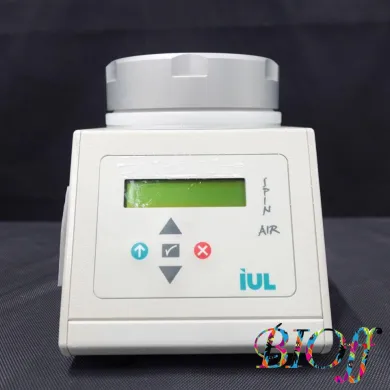
Not the exact instrument you need?
Tell our scientists what you are after. We track it down, including off-market supply.
Showing 1–40 of 117 listings
Show 40 more listingsBuying guide
The specification that settles most air sampling purchases is the sampled flow rate, because everything downstream depends on it. A microbial sampler rated at 100 litres per minute reaches a given air volume in a tenth of the time a 10 litre unit needs, and the flow rate also fixes the physical impaction velocity that decides whether a sampler meets the collection efficiency a method demands. Pharmaceutical environmental monitoring programmes written to EU GMP Annex 1 or to the relevant ISO standard will state a required volume per sample, so the first question is whether a unit's flow and run time can deliver that volume without the operator standing over it. For particle counters the equivalent figure is the sample flow in cubic feet or litres per minute together with the smallest particle size the optics resolve, commonly 0.3 or 0.5 micrometres, since a counter that cannot see the size your cleanroom classification is written around is the wrong instrument however good its throughput.
On a used unit the flow rate is also the thing most worth verifying, because it drifts. An air sampler's pump wears, and a microbial sampler that no longer pulls its rated volume under-reports contamination, which is the failure mode that matters most. Ask whether the unit carries a recent flow calibration certificate and when its pump was last serviced; for a particle counter ask for a current calibration against a traceable standard and check that the laser and photodetector have not degraded. Collection heads, probes and the agar-plate adaptors on microbial samplers are consumable or model-specific, so confirm what ships with the unit. Parts for most of these instruments can be sourced via Questpair, and a warranty is arranged in consultation for the individual listing rather than offered as a blanket term, so the condition of the specific unit, not the model line, is what the buyer is really weighing.
The price band is wide because the category spans two very different instrument types. A simple handheld sampler or a basic environmental monitor sits near the low end, while a validated microbial sampler or a multi-channel airborne particle counter with data-logging sits far higher, which is why the average lands well above the floor. Refurbished and used units are listed for sale below new equipment, and at 97 percent used the catalogue is where a buyer on a fixed budget will find the most choice. The brands occupying this range are Climet, Beckman Coulter, Various, Lighthouse, PBI: Climet and Lighthouse are known for particle counters, PBI and Beckman Coulter appear across both counting and microbial sampling, and the Various entries cover older or unbranded stock where the cost of a unit matters more than the badge. A buyer deciding what is affordable should compare like method against like method, not price against price, since a cheaper instrument that samples the wrong volume or the wrong particle size settles nothing.
Types of Air sampling equipment
Which air sampling instruments are listed?
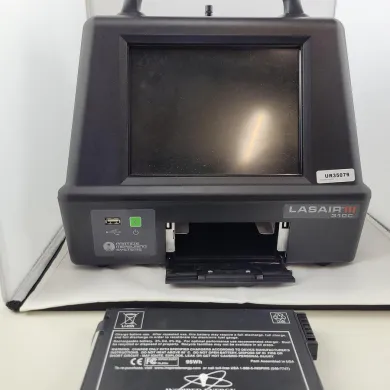
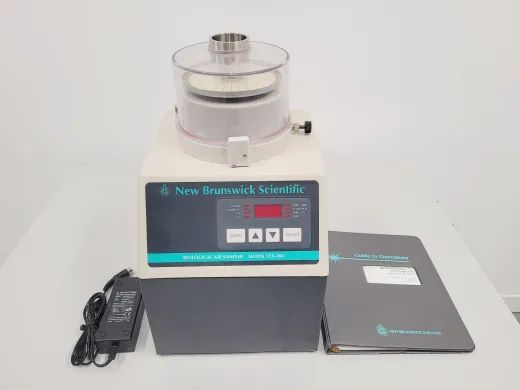
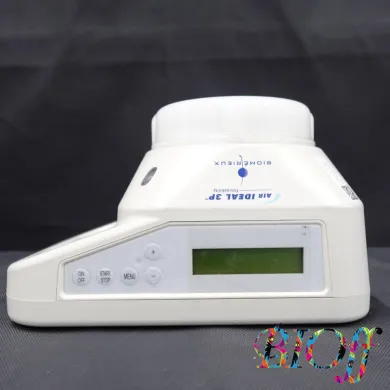
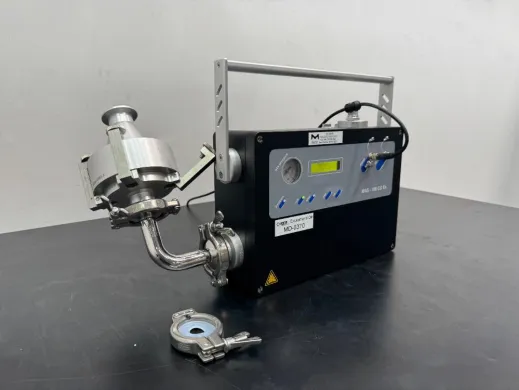
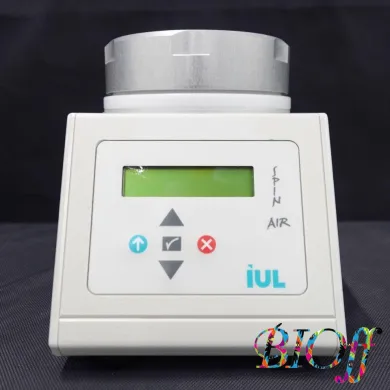
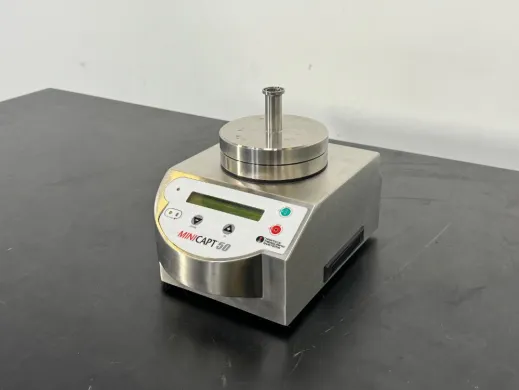
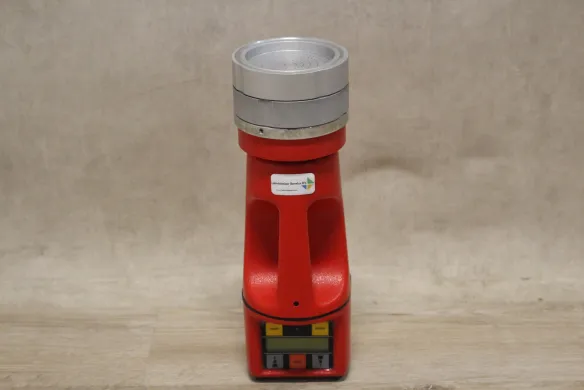
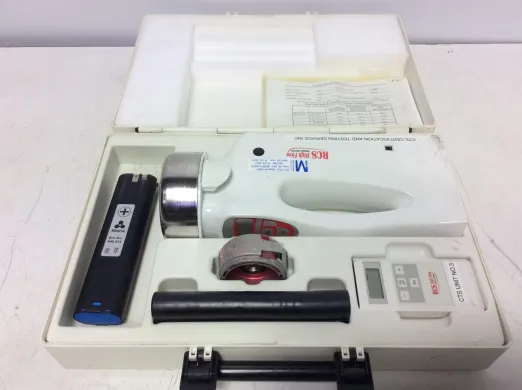
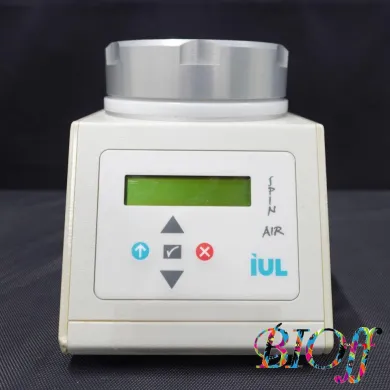
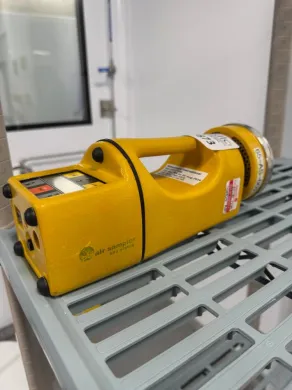
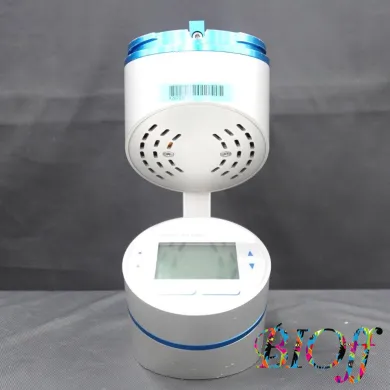
Among the listings that specify a type, two families dominate, and they do genuinely different work. Microbial air samplers draw air onto an agar plate or strip so that viable organisms land, grow and can be counted after incubation; they are the instrument behind cleanroom and aseptic-process monitoring, and this is where air sampling touches biomanufacturing, cell culture and sterile pharmaceutical production directly. Airborne particle counters do the opposite job, sizing and counting non-viable particles optically in real time to classify a cleanroom to ISO 14644. Between those sit the broader environmental monitoring instruments and cleanroom monitoring instruments, which bundle particle, pressure, temperature and humidity measurement for continuous facility surveillance. The plain air sampler entries cover general-purpose units that capture a sample for later analysis rather than reading it live. In a microbiology or life sciences setting the microbial sampler is the one tied to a research field: it supports aseptic processing validation, contamination control in bioprocessing suites, and the microbiology QC that underpins cell imaging and protein purification workflows run under controlled conditions. These instruments are also used for occupational hygiene and bioaerosol surveillance outside the clean-room.
The brands behind the air sampling listings
The recurring names are Climet, Beckman Coulter, Various, Lighthouse, PBI. For a buyer, that distribution matters in practical ways. Climet and Lighthouse are established particle-counter makers, so their models are well documented and easy to compare on flow rate and resolution, and consumables are straightforward to identify. PBI is a long-standing microbial sampler brand, and Beckman Coulter spans both counting and viable sampling, which means a single-vendor fleet is possible for a site running both methods. The Various grouping covers mixed and older stock, where the attraction is price rather than parts continuity, so a buyer there should confirm head and probe availability before committing. Across all of them, parts can be sourced via Questpair.
What a used air sampler costs here
New, used and refurbished units are all listed, and 97 percent of the listings are used. Prices range from EUR 10 to EUR 10.000. That spread covers everything from a basic handheld monitor to a validated, data-logging multi-channel counter, which is why the average of EUR 1.946 sits so far above the floor. Used and refurbished instruments are listed for sale below new, and warranty on any given unit is arranged in consultation for that listing.
Frequently asked questions
What is air sampling equipment?
It is a class of instruments that draws a measured volume of air across a collection medium or a detector to quantify what the air carries, such as viable microorganisms, inert particles, or specific gases and vapours. The result is either a count for incubation, in the case of microbial samplers, or a real-time particle size and tally, in the case of particle counters.
What does air sampling equipment mean in practice?
In practice it covers two separate jobs that often share a bench: microbiological monitoring, which captures living cells onto an agar plate for later incubation, and particle counting, which sizes and tallies non-viable particles in real time. A laboratory specifies one, the other, or both depending on what it has to prove.
How does air sampling equipment work?
A pump pulls a known volume of air through the instrument. A microbial sampler impacts that air onto an agar plate so viable organisms land and grow for counting after incubation, while a particle counter passes the air through a laser where the optics size and tally each particle as it goes by.
What types of air sampling equipment are there?
The listings here include microbial air samplers, airborne particle counters, general-purpose air samplers, environmental monitoring equipment and instruments, and cleanroom monitoring instruments. Microbial samplers capture viable organisms for incubation, while particle counters size and count non-viable particles optically in real time.
What is air sampling equipment used for?
It supports cleanroom and aseptic-process monitoring, aseptic processing validation, contamination control in bioprocessing suites, and the microbiology QC behind controlled life sciences work. The same instruments are also used for occupational hygiene and bioaerosol surveillance outside the cleanroom.
How do I choose an air sampler?
Start with the sampled flow rate, because it fixes how long a given air volume takes and the impaction velocity that decides collection efficiency. For a particle counter, match the smallest resolvable particle size, commonly 0.3 or 0.5 micrometres, to the classification your cleanroom is written around.
What is the difference between refurbished and used air sampling equipment?
A used unit is sold in its existing condition, while a refurbished unit has been reconditioned before listing. For both, confirm a recent flow calibration certificate and when the pump was last serviced, since the specific unit's condition matters more than the label.
How much does air sampling equipment cost?
Prices in the catalogue range from EUR 10 to EUR 10.000, with an average near EUR 1.946. The spread is wide because the category runs from a basic handheld monitor to a validated, data-logging multi-channel counter, which pulls the average well above the floor.
Which brands make air sampling equipment?
The recurring names are Climet, Beckman Coulter, Lighthouse and PBI, alongside a Various grouping of mixed and older stock. Climet and Lighthouse are known for particle counters, PBI for microbial samplers, and Beckman Coulter spans both counting and viable sampling.
Is there a warranty on refurbished air sampling equipment?
A warranty is often possible and is arranged in consultation for the specific listing rather than offered as a blanket term. Because terms attach to the individual unit, check the listing and raise the warranty question against that unit's condition.
Can I still get parts for these instruments?
Parts can be sourced via Questpair. For the Various grouping of older or unbranded stock, confirm head, probe and agar-plate adaptor availability before committing, since those are consumable or model-specific.
How long does air sampling equipment last?
The limiting part is the pump, which wears over time and causes the sampled flow rate to drift. A microbial sampler that no longer pulls its rated volume under-reports contamination, so lifespan depends heavily on how recently the pump was serviced and calibrated.
New versus refurbished, which should I buy?
Used and refurbished units are listed at lower prices than new. Compare like method against like method, verify flow calibration on any used unit, and weigh the condition of the specific listing, with warranty arranged in consultation for that unit.
Where can I buy air sampling equipment?
The catalogue holds 286 listings from 13 verified suppliers and distributors across 7 countries, in new, used and refurbished condition. You compare instruments by flow rate, particle resolution and condition within the Questpair catalogue.
What is the lead time and shipping on these instruments?
Lead time and shipping depend on the individual listing and the supplier holding it. For a specific unit's availability you can contact Questpair, where specialists respond within one hour.
How are air samplers calibrated and maintained?
A microbial sampler needs a current flow calibration certificate against a traceable standard, and its pump serviced to hold the rated volume. A particle counter needs a current calibration plus a check that the laser and photodetector have not degraded. Questpair does not perform servicing itself.
Which types in this category are listed most, and who reaches for each?
Among listings that specify a type, microbial air samplers and airborne particle counters dominate. Microbiology and sterile pharmaceutical teams reach for the microbial sampler to capture viable organisms, while facilities classifying a cleanroom to ISO 14644 reach for the particle counter to size and count non-viable particles.
Which brands dominate this category, and what does that mean for a buyer?
Climet, Beckman Coulter, Lighthouse and PBI recur, alongside a Various grouping. Because Climet and Lighthouse counters are well documented on flow rate and resolution, they are easy to compare, and a Beckman Coulter fleet lets a site run both counting and viable sampling from one vendor; the Various entries trade parts continuity for a lower price.
What separates the cheapest air samplers here from the most expensive?
The floor holds simple handheld samplers and basic environmental monitors, while the top holds validated microbial samplers and multi-channel particle counters with data-logging. The gap is flow rate, particle resolution, validation status and logging capability, which is why comparing by method rather than by price is what settles a purchase.