

Specialist weighing systems
We personally find you the right used, refurbished and new specialist weighing systems from verified suppliers.
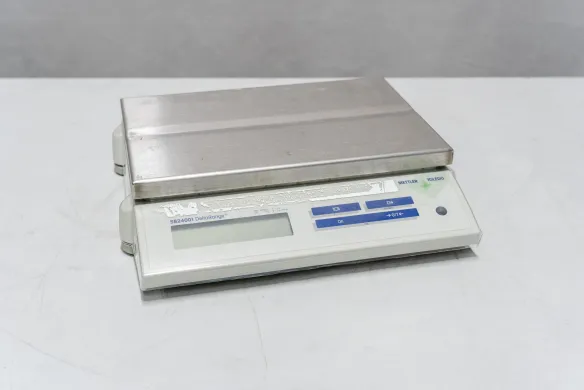
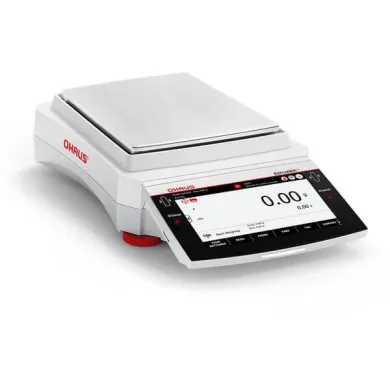
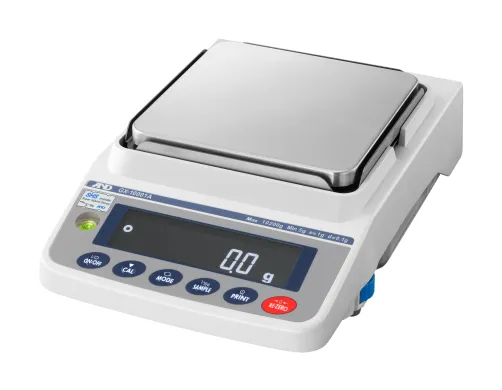
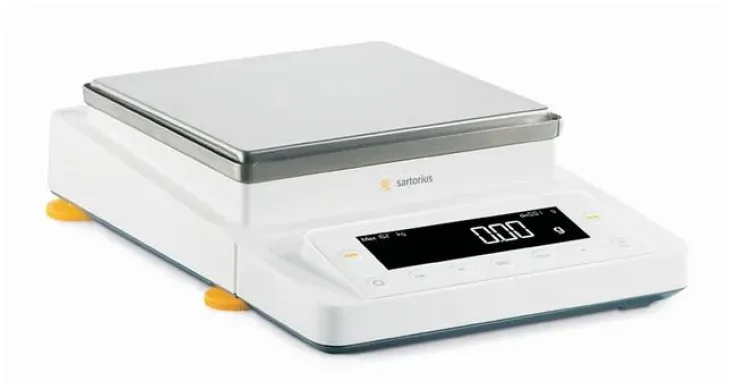
Specialist weighing systems are high-resolution balances and scales built for measurements where a general-purpose scale cannot hold the required accuracy, covering analytical and precision balances for the laboratory alongside heavier industrial scales. The class runs from microgram-readability analytical instruments to floor and platform units weighing kilograms, and new, used and refurbished laboratory equipment is listed side by side across the Questpair catalogue. Of the current listings, 70 percent are used. The remaining stock spans 207 items from 15 verified suppliers and distributors in 11 countries, with the sort of readability and capacity split that separates a bench analyser from a production-floor scale.
Updated:
Specialist weighing systems product list
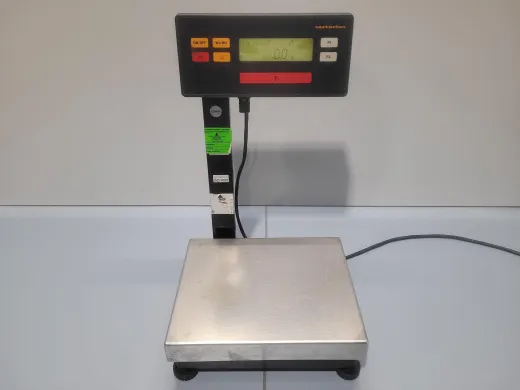
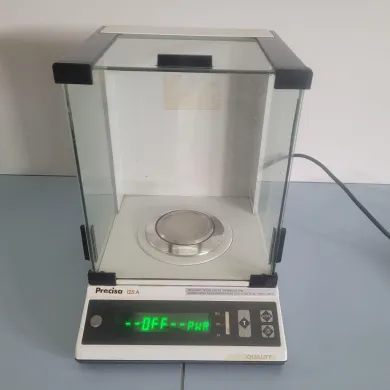
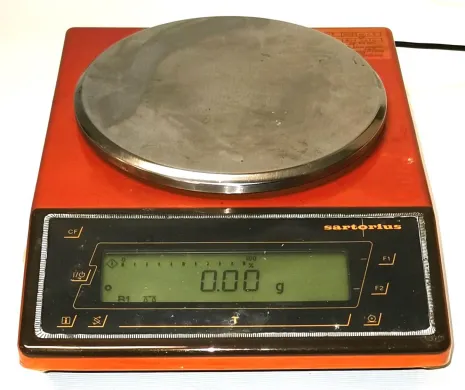
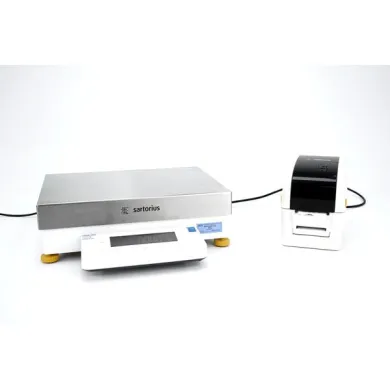


Not the exact instrument you need?
Tell our scientists what you are after. We track it down, including off-market supply.
Not the exact instrument you need?
Tell our scientists what you are after. We track it down, including off-market supply.
Showing 1–40 of 138 listings
Show 40 more listingsBuying guide
What readability settles before anything else?
Readability, the smallest increment a balance will display, is the specification that decides most purchases in this class, and it is where the money goes. An analytical instrument reading to 0.1 milligram is a different machine from a precision balance reading to 10 milligram, and a laboratory scale reading to a tenth of a gram is different again. Fix the smallest mass that has to be resolved before looking at anything else, then check that the capacity still reaches the heaviest sample, because the two pull against each other: finer readability usually means a lower maximum load. A unit that resolves micrograms but tops out at 200 grams is useless for a 2 kilogram batch, and a floor scale that handles 60 kilograms will never settle a 50 milligram weighing.
Condition matters more here than the datasheet admits, because a balance is only as good as its last calibration. On a used analytical or precision instrument, verify that the internal calibration mechanism works, that the draught shield and pan are intact, and that the unit has been levelled and settled recently. Ask whether a recent calibration certificate travels with it, and plan to recalibrate against a reference weight on arrival regardless, since transport unsettles fine balances. The haematology lab and the pharmaceutical bench that bought these new will have logged service history; the resale listing may not carry it, so weighing, done once against a known mass, tells you what the paperwork does not.
Price tracks readability and capacity closely. Prices run from EUR 37 to EUR 33.658. That spread covers a simple bench scale at one end and a research-grade analytical balance with automatic calibration and environmental compensation at the other, with the average sitting at EUR 3.908. The brands that occupy the band are Mettler Toledo, Radwag, Sartorius, A&D, Ohaus: the first three concentrate at the analytical and precision end where readability is finest and prices are highest, the last two reach further into robust laboratory and industrial scales at lower cost. Refurbished and used units are listed for sale below new pricing across all of them, so a buyer working to a fixed budget can usually find the readability needed at a lower cost by accepting a serviced used instrument rather than a new one. What a unit costs here is less a function of brand than of how fine it reads and how much it holds.
Types of Specialist weighing systems
Which weighing instruments are listed here?
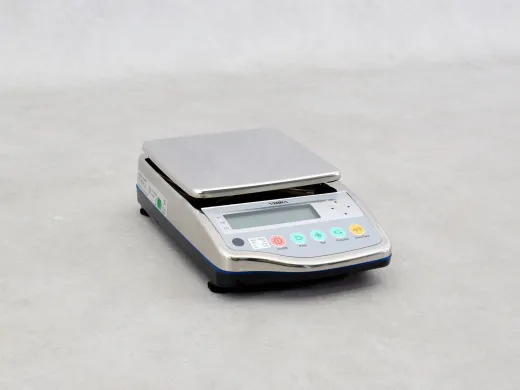
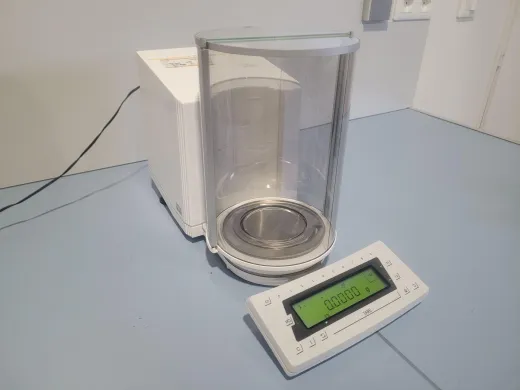
Among the listings that specify a type, the catalogue divides along readability and capacity. Analytical balances and precision analytical balances sit at the fine end, resolving down to fractions of a milligram inside a draught shield, and they do the gravimetric analysis that underpins reagent preparation and quantitative chemistry. A precision balance trades some of that resolution for a higher capacity and a faster settling time, which suits routine formulation and sample preparation on an open bench. Laboratory scales and laboratory balances cover the general weighing in between, while industrial scales handle the heavy platform and floor work where a tenth of a gram is close enough and the load runs to kilograms. The separation that matters is readability against capacity: the finer a unit reads, the less it holds, so the type a buyer reaches for follows directly from the smallest mass and the heaviest sample in the protocol.
In the life sciences these instruments weigh what everything else measures. Gravimetric analysis on an analytical balance sets the mass of standards for an immunoassay, fixes buffer and media mass in cell culture, and weighs the components a protein purification run depends on. Precision balances prepare the gradients and reagents used in electrophoresis and molecular biology, and the same bench weighing feeds genomics and proteomics sample preparation upstream of any analyser. A laboratory balance is also used for microbiology media preparation and for formulating the small-batch reagents that biomanufacturing and bioprocessing workflows scale up from.
The brands behind the weighing listings
The brands that recur are Mettler Toledo, Radwag, Sartorius, A&D, Ohaus. For a buyer, that concentration is an advantage: Mettler Toledo, Sartorius and Radwag are common enough across the analytical and precision listings that comparing two readability-matched models side by side is straightforward, and parts for the mainstream series can be sourced via Questpair. A&D and Ohaus broaden the range into robust laboratory and industrial scales, which keeps the lower price band populated. A model from a well-represented brand is easier to cross-check against a second listing, which is where the depth of these makers in the catalogue pays off.
What a used weighing instrument costs here
Of the listings, 70 percent are used. Prices run from EUR 37 to EUR 33.658, averaging EUR 3.908. That range reflects the span from a basic bench scale to a research analytical balance, and used and refurbished units are listed below new pricing throughout. Warranty on an individual unit is arranged in consultation for that listing, so a buyer weighing a used analyser against a new one should compare the specific listings rather than the condition in the abstract.
Frequently asked questions
What is a specialist weighing system?
It is a balance or scale built for measurements that need resolution, stability or capacity beyond a general-purpose instrument. The category covers analytical and precision balances reading to the microgram or milligram, laboratory balances for routine milligram work, and laboratory and industrial scales built for larger weighing ranges.
What does specialist weighing system mean in practice?
It means the instrument is matched to a specific weighing task rather than to general use, with readability and capacity tuned to the samples. A microgram analytical balance and a bulk-capacity industrial scale are both specialist instruments, separated by the readability figure that tells them apart.
How do these weighing systems work?
Analytical and precision balances resolve small masses behind a draft shield that protects the pan from air currents, often using internal calibration weights to stay accurate. Laboratory and industrial scales handle larger loads at coarser readability, where grams rather than micrograms are the useful unit.
What types of weighing systems are there?
The catalogue sorts into analytical balances, precision analytical balances, precision balances, laboratory balances, laboratory scales and industrial scales. The split comes down to readability against capacity: the fine end resolves to the microgram over a small range, the coarse end handles larger loads at lower resolution.
What are specialist weighing systems used for?
They underpin gravimetric analysis in laboratories, quality control and production, where the recorded mass is the data a later result depends on. Fine balances weigh reference standards and calibration solutions, precision balances handle formulation and reagent preparation, and scales handle bulk reagents, media batches and bioprocessing feedstock.
How do I choose the right weighing system?
Start with readability, the smallest increment the instrument resolves, and match it to the sample rather than the budget. Then pair it with capacity, the largest load the pan takes, because the two pull against each other and no single instrument wins both; decide the lightest and heaviest thing the unit will carry and the class follows.
What is the difference between refurbished and used?
A used unit is sold in its existing condition, while a refurbished unit has been reconditioned before listing. Neither carries a central calibration guarantee on Questpair, so budget for verification against traceable weights on arrival whatever the seller states.
How much does a specialist weighing system cost?
Prices in the catalogue range from EUR 37 to EUR 33.658, averaging around EUR 3.908. That band reflects the gap between a basic laboratory scale and a research-grade analytical balance with internal calibration, with used and refurbished units at the lower prices within it.
Which brands are worth considering?
Mettler Toledo, Radwag, Sartorius, A&D and Ohaus account for most of what is listed. These are long-established weighing makers, so parts, calibration weights and comparable models are easy to find, and their specifications are published in a form that lets you compare readability, capacity and repeatability directly.
Is there a warranty on refurbished units?
A warranty is often possible and is arranged in consultation for the specific listing. Check the individual listing, since Questpair does not set warranty terms centrally across the catalogue.
Can I get parts for these balances?
Parts can be sourced via Questpair. Because the listed brands are long-established, replacement parts and calibration weights for their balances are generally available.
How long do these weighing systems last?
A well-maintained balance from an established maker lasts many years, since the mechanics are robust and parts remain available. Lifespan depends more on calibration discipline and the stability of its environment than on age alone, because a drifting balance still shows a plausible number.
Should I buy new or refurbished?
Used and refurbished units are listed at lower prices than new, which is where a mid-range precision balance becomes reachable for a working laboratory. On a used balance, confirm the calibration history and internal weight first, and arrange any warranty in consultation on the specific listing.
Where can I buy a specialist weighing system?
The Questpair catalogue holds 207 listings from 15 verified suppliers and distributors across 11 countries. Listings are offered new, used and refurbished.
What are the lead time and shipping like?
Lead time and shipping depend on the individual listing and the supplier handling it, since the catalogue spans 15 suppliers across 11 countries. Check the specific listing for its availability and location.
What calibration and maintenance does a balance need?
A balance needs regular calibration against traceable weights, a level installation on a stable surface, and an intact draft shield, pan and levelling feet. On a used unit, verify calibration on arrival regardless of what the seller states, because a balance out of level reports a plausible but wrong number.
Which types in this category are listed most, and who reaches for each?
Analytical and precision analytical balances serve gravimetric analysis, weighing reference standards and preparing calibration solutions in analytical chemistry and pharmaceutical quality control. Precision and laboratory balances cover milligram work for formulation and reagent preparation on molecular biology and microbiology benches, while laboratory and industrial scales handle bulk reagents and media batches where grams matter.
Which brands dominate this category, and what does that mean for a buyer?
Mettler Toledo, Radwag, Sartorius, A&D and Ohaus account for most of the catalogue. For a buyer that means a used unit is a known quantity, since calibration procedures and service intervals are documented, and price tracks the model and its class more than the badge, so the same brand appears at both ends of the range.
What separates the cheapest listings here from the most expensive?
The spread from EUR 37 to EUR 33.658 is the difference between a basic laboratory scale and a research-grade analytical balance with internal calibration and environmental compensation. Readability and capacity drive that gap far more than condition or brand, with used and refurbished units priced below comparable new ones.