

GC systems
We personally find you the right used, refurbished and new gc systems from verified suppliers.
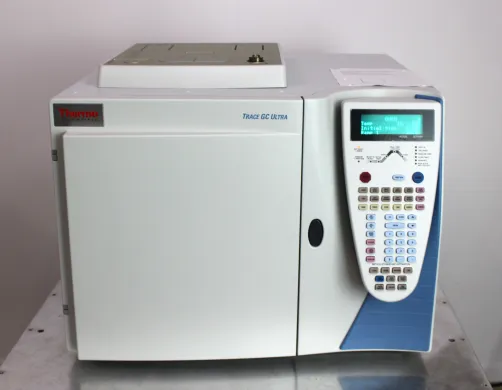
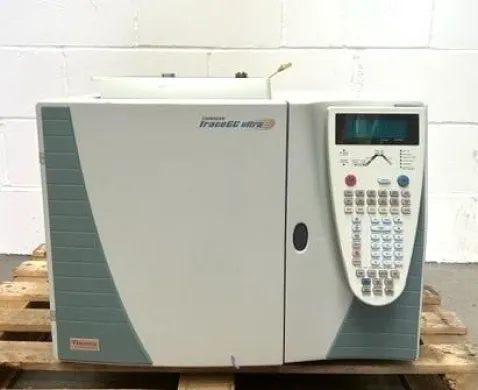
GC systems are gas chromatographs used to separate and measure the volatile and semi-volatile compounds in a sample by carrying it in a gas stream through a column that retains each component for a different length of time. They cover the complete instrument, the injector, the oven-held column, the detector, and in many cases an autosampler and data system. On Questpair, 414 GC systems are listed, and 99 percent of the listings are used. Prices run from EUR 40 to EUR 64.567. New, used and refurbished laboratory units all appear, so a buyer can compare a bare benchtop chromatograph against a full configuration with mass spectrometric detection inside one catalogue.
Updated:
GC systems product list
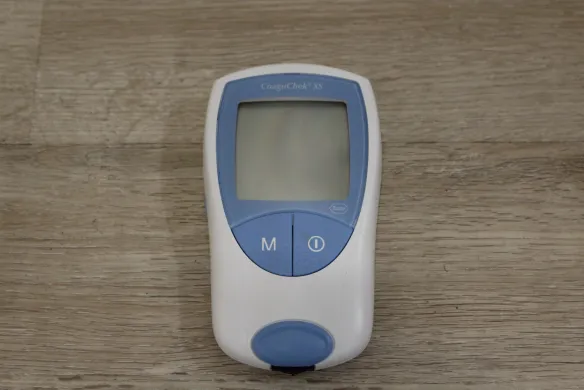
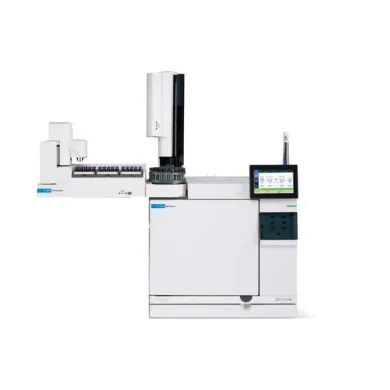
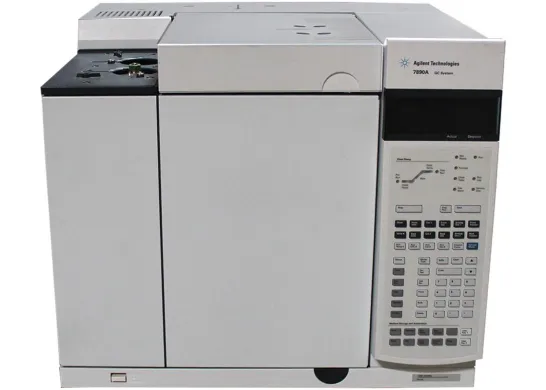
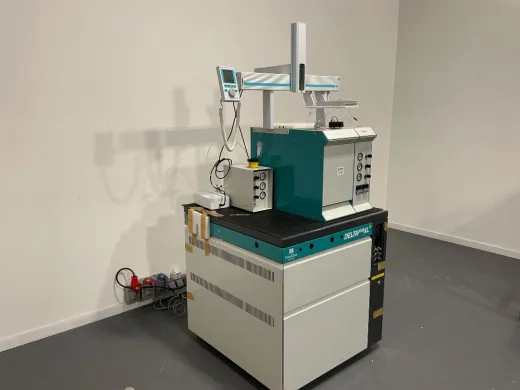


Not the exact instrument you need?
Tell our scientists what you are after. We track it down, including off-market supply.
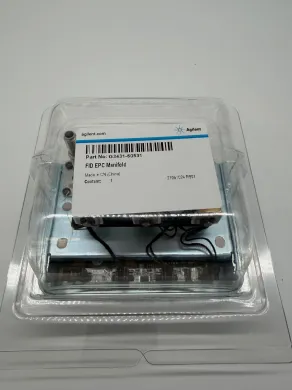
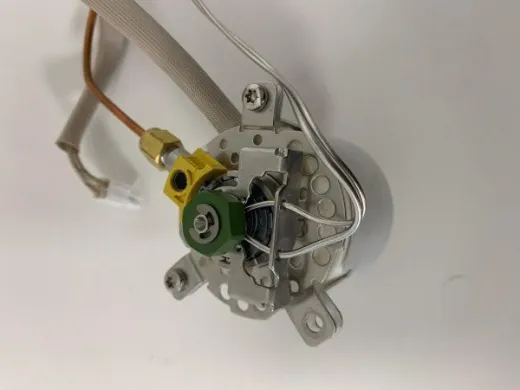
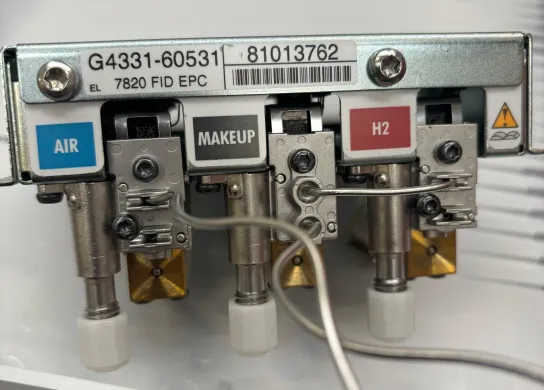
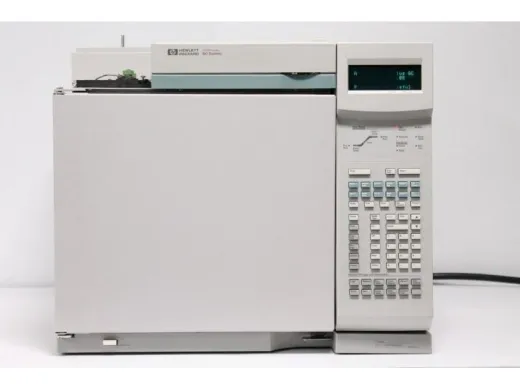
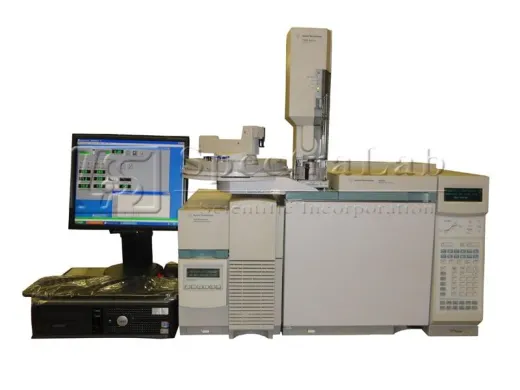
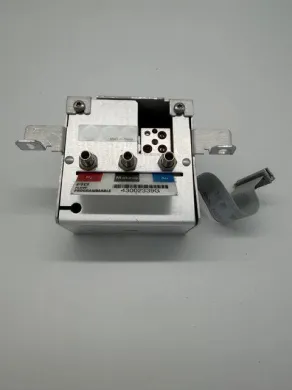
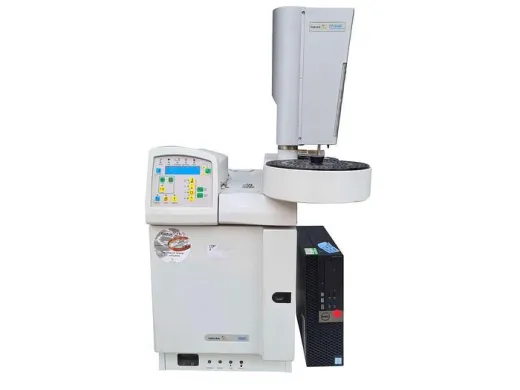
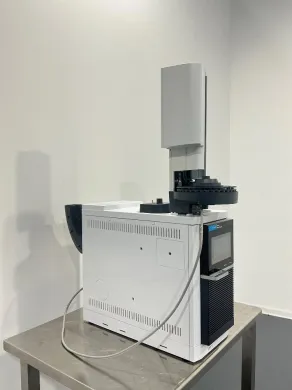
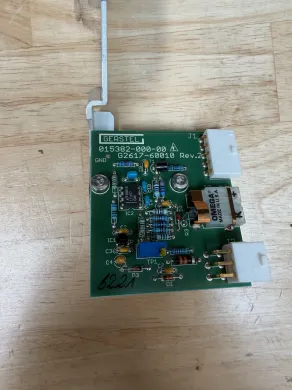
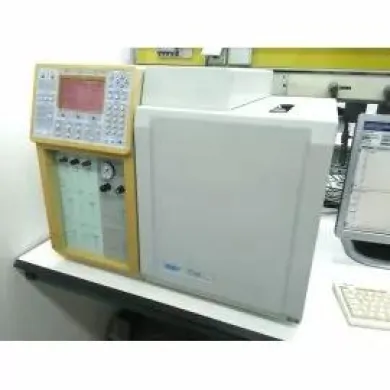
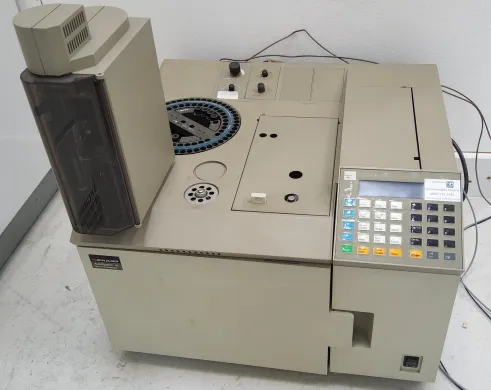
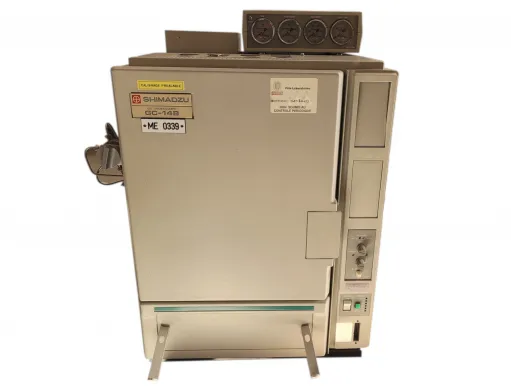
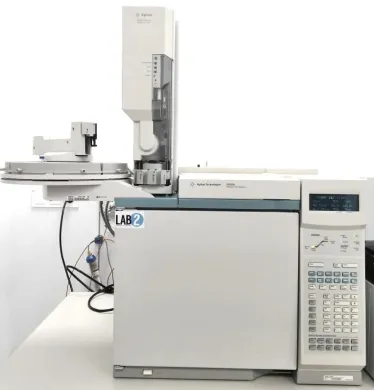
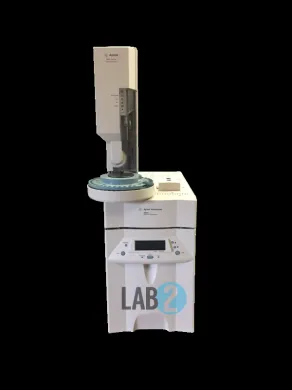
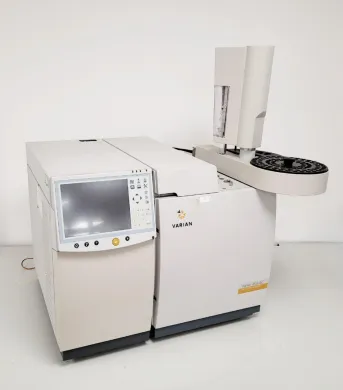
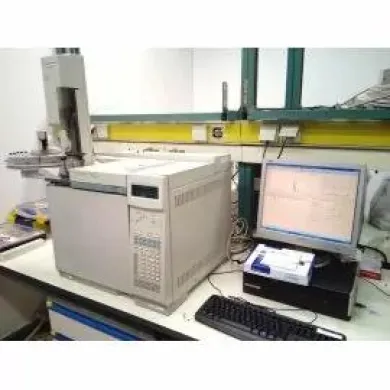
Not the exact instrument you need?
Tell our scientists what you are after. We track it down, including off-market supply.
Showing 1–40 of 222 listings
Show 40 more listingsBuying guide
The detector decides most of what a gas chromatograph can do, so settle that before anything else. A flame ionisation detector answers to almost any organic compound and suits routine quantification of hydrocarbons, solvents and fatty acid methyl esters. A thermal conductivity detector reads fixed gases a flame ionisation detector cannot. An electron capture detector finds halogenated traces at concentrations the others miss, which is why environmental and pesticide work reaches for it. Where the question is identity rather than quantity, a mass spectrometer coupled to the column resolves co-eluting peaks and confirms structure, and that is the configuration that carries the top of the price band. Match the detector to the compounds you actually run, because changing it later means a different signal path, not a bolt-on.
Column and inlet follow from that choice. A split/splitless inlet handles most capillary work; packed-column inlets persist in gas analysis. The oven's temperature range and ramp rate govern which boiling-point window you can address in one run. None of this is visible from a photograph, so it has to be read off the specification.
On a used chromatograph, verify what the detector and the inlet have been through. A flame ionisation detector jet can foul, an electron capture detector holds a sealed radioactive source that carries wipe-test and disposal obligations, and a mass spectrometer's pump, source and electron multiplier are the wear items that matter. Ask for the service history, a recent chromatogram if one exists, and confirmation that the autosampler and any software licence transfer with the unit. A chromatograph that powers on tells you little about baseline stability.
Price sits across a wide band here, and condition explains most of it: 99 percent of the listings are used. A bench chromatograph with a single detector sits far below a GC-MS at the top. What a unit costs tracks the detector count, the presence of mass spectrometry and the age of the data system more than the brand badge. Buyers working to a tight budget will find single-detector instruments the more affordable entry, since used and refurbished units for sale are listed below new. The listed price is a starting point; confirm what is included, because an autosampler, method files and a working licence change the real cost of ownership more than the headline figure.
Types of GC systems
Which instrument types appear in the GC listings?
Among the listings that specify a type, the gas chromatograph is the core instrument, the oven, column and detector that perform the separation itself. Several listings extend that into a full chromatography system, bundling the data station and sample handling around the chromatograph. Autosamplers appear both built in and as standalone units, automating injection so a tray of vials runs unattended overnight. A share of the catalogue is GC-MS, the chromatograph joined to a mass spectrometer for compound identification rather than area counting alone. The broader labels analytical instrument and laboratory analyzer catch configurations that sit across these lines or are listed by function.
These systems do the separation science behind a great deal of applied chemistry. In life sciences and biotechnology work they underpin metabolomics, where a GC-MS profiles the small-molecule products of cellular metabolism, and they are also used for lipidomics, resolving fatty acid methyl esters into the profile that distinguishes one sample from another. Residual solvent testing in biomanufacturing is another standing use, confirming that volatiles from synthesis or formulation fall within limits. Headspace gas chromatography serves microbiology and fermentation monitoring, reading the volatile output of a culture without touching the broth itself.
The brands behind the GC listings
The dominant names here are Agilent, Agilent Technologies, Varian, Thermo Scientific, HP. Agilent and its earlier HP-badged instruments make up a large part of the catalogue, which matters to a buyer in practical terms: parts, columns and consumables for these platforms are widely stocked, and a given model is easy to compare against another listing of the same series. Varian and Thermo Scientific instruments broaden the range of inlet and detector configurations on offer. A well-represented platform usually means a shallower learning curve and a steadier supply of the fittings a chromatograph consumes.
What a used GC system costs here
Condition is concentrated: 99 percent of the listings are used. Prices range from EUR 40 to EUR 64.567, a spread that reflects the gap between a single-detector benchtop chromatograph and a complete GC-MS with autosampler and data system. The listings come from 14 verified suppliers and distributors across 9 countries. Used and refurbished systems are listed below the price of new, which is the clearest reason the lower end of the band exists.
Frequently asked questions
What is a GC system?
A GC system is a gas chromatograph, an instrument that separates and measures volatile and semi-volatile compounds by carrying a sample in a gas stream through a column that holds each component back for a different length of time. It includes the injector, the oven-held column, the detector, and often an autosampler and data system.
What does GC stand for?
GC stands for gas chromatography. The term describes both the separation technique and the instrument that performs it.
How do GC systems work?
A sample is injected and vapourised at the inlet, then swept by a carrier gas through a heated column where each compound is retained for a characteristic time before reaching the detector. The detector converts the eluting compounds into a signal, producing peaks whose position identifies and whose area quantifies each component.
What types of GC systems are there?
The listings cover the core gas chromatograph with its oven, column and detector, full chromatography systems that bundle a data station and sample handling, standalone and built-in autosamplers, and GC-MS where the chromatograph is joined to a mass spectrometer. Broader labels such as analytical instrument and laboratory analyser catch configurations that sit across these lines or are listed by function.
What are GC systems used for?
They separate and measure volatile and semi-volatile compounds in applications such as metabolomics, lipidomics, residual solvent testing in biomanufacturing, and fermentation monitoring through headspace analysis. A GC-MS adds compound identification, while single-detector instruments handle routine quantification of hydrocarbons, solvents and fatty acid methyl esters.
How do I choose a GC system?
Start with the detector, because it decides most of what the instrument can do: a flame ionisation detector suits routine organics, a thermal conductivity detector reads fixed gases, an electron capture detector finds halogenated traces, and a mass spectrometer confirms identity. Then match the inlet, column and oven temperature range to the compounds and boiling-point window you run, since none of this is visible from a photograph and must be read off the specification.
What is the difference between refurbished and used GC systems?
A used unit is sold in its existing condition, while a refurbished unit has been cleaned, tested and brought back to working order before listing. Both are listed below the price of new, and the exact scope of any refurbishment should be confirmed in the individual listing.
How much does a GC system cost?
Prices in the Questpair catalogue range from EUR 40 to EUR 64.567, with an average around EUR 6.937. The spread reflects the gap between a single-detector benchtop chromatograph and a complete GC-MS with autosampler and data system.
Which are the main GC brands?
The names appearing most in these listings are Agilent, Agilent Technologies, Varian, Thermo Scientific and HP. Agilent and its earlier HP-badged instruments make up a large part of the catalogue, while Varian and Thermo Scientific broaden the range of inlet and detector configurations.
Can I get a warranty on a refurbished GC system?
A warranty is often possible and is arranged in consultation for the specific listing. Check the listing and confirm the terms before purchase.
Are parts available for these GC systems?
Parts can be sourced via Questpair. For the widely-represented Agilent and HP platforms, columns and consumables are stocked more broadly than for less common configurations.
How long does a GC system last?
A well-maintained gas chromatograph can run for many years, since the oven, column connections and electronics are robust, but wear items set the real limit. Detector jets can foul, an electron capture detector source is subject to regulatory controls, and a mass spectrometer's pump, source and electron multiplier are the components that need periodic replacement.
Should I buy new or refurbished?
Used and refurbished GC systems are listed at lower prices than new, which is the clearest reason the lower end of the price band exists. Where you have to weigh the two, compare the specific listings and confirm what is included, since an autosampler, method files and a working software licence affect the real cost more than the headline figure.
Where can I buy a GC system?
They are listed on Questpair from 14 verified suppliers and distributors across 9 countries. On Questpair, 414 GC systems are listed, of which 99 percent are used.
What is the lead time and shipping on a GC system?
Lead time and shipping depend on the individual seller, the configuration and its location across the 9 countries represented. The specific listing states what is available, and Questpair specialists respond within one hour to questions about it.
What calibration and maintenance does a GC system need?
Routine maintenance covers inlet liner and septum changes, column trimming or replacement, leak checks and detector cleaning, with calibration run against reference standards for the compounds you measure. A GC-MS adds tuning and pump service. Questpair does not provide servicing, but parts can be sourced through the platform.
Which instrument types are listed most, and who reaches for each?
The core gas chromatograph is the central listing for laboratories doing routine separation and quantification, while GC-MS is reached for where compound identity matters, as in metabolomics and lipidomics. Autosamplers are added by labs running large vial trays unattended, and full chromatography systems suit buyers who want the data station and sample handling bundled rather than assembled.
Which brands dominate this category and what does that mean for a buyer?
Agilent and its earlier HP-badged instruments make up a large part of the catalogue, with Varian and Thermo Scientific also well represented. A well-represented platform usually means a shallower learning curve, easier comparison between listings of the same series, and a steadier supply of the columns and fittings a chromatograph consumes.
What separates the cheapest GC systems here from the most expensive?
Price tracks the detector count, the presence of mass spectrometry and the age of the data system more than the brand badge. A bench chromatograph with a single detector sits at the lower end, while a complete GC-MS with autosampler and data system carries the top of the band from EUR 40 to EUR 64.567.