

Analytical devices - other
We personally find you the right used, refurbished and new analytical devices - other instruments & equipment from verified suppliers.
Analytical devices other is a Questpair catalogue group for laboratory analytical instruments that fall outside the named analytical categories, from mass spectrometers to standalone analyzers and the housings and accessories that go with them. New, used and refurbished units are listed together here. Of the current listings 96 percent are used, a share that tells a buyer most of what sits in this group is pre-owned analytical instrumentation rather than freshly boxed equipment. Across 17 verified suppliers and distributors in 8 countries, 252 items are catalogued, with prices that run from EUR 19 to EUR 236.745.
Updated:
Analytical devices - other product list


Not the exact instrument you need?
Tell our scientists what you are after. We track it down, including off-market supply.
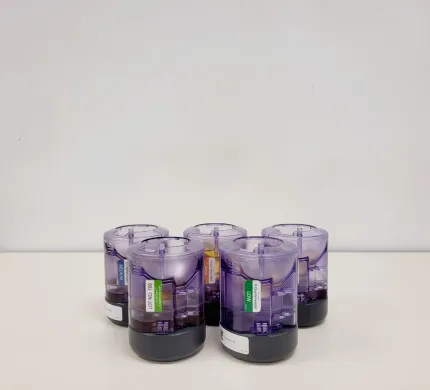
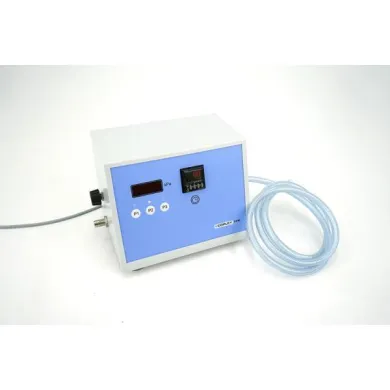
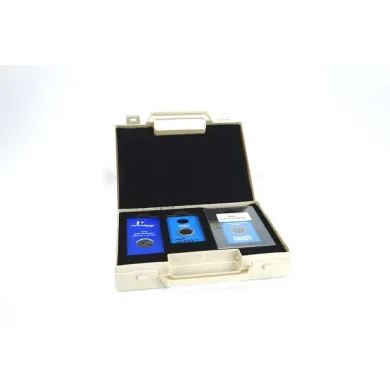
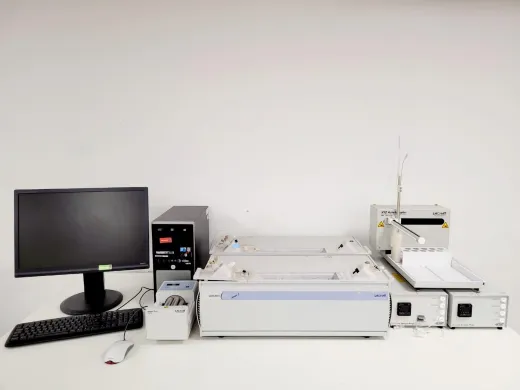
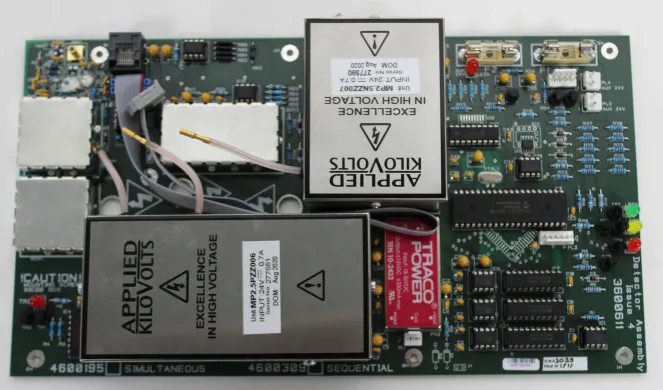
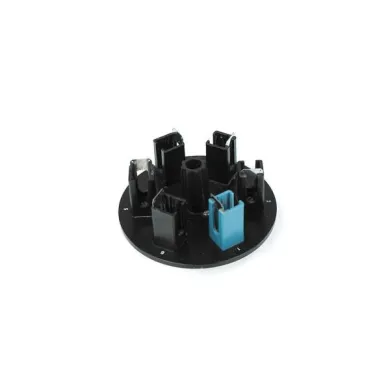
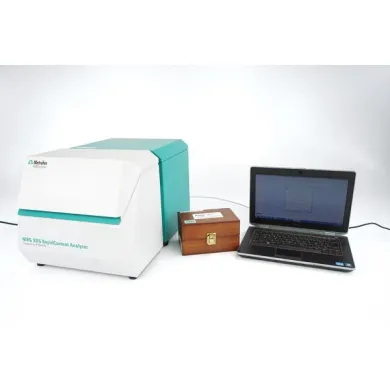
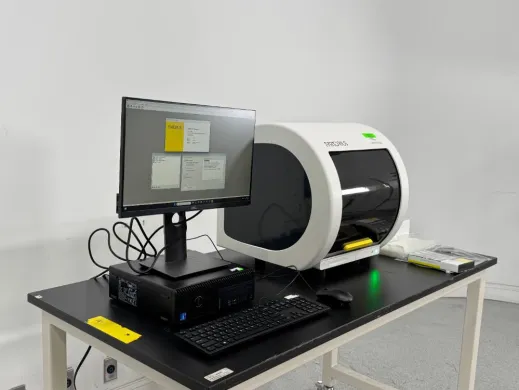
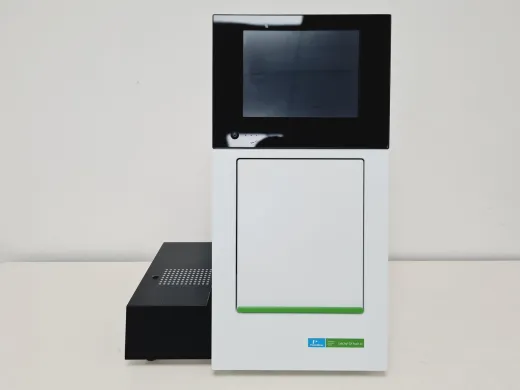
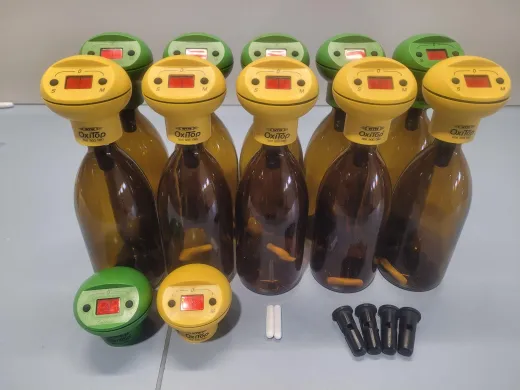
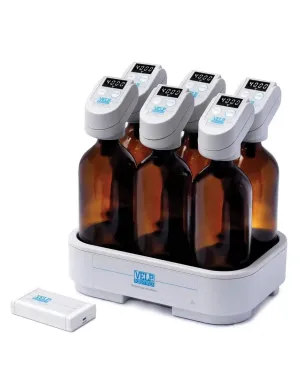
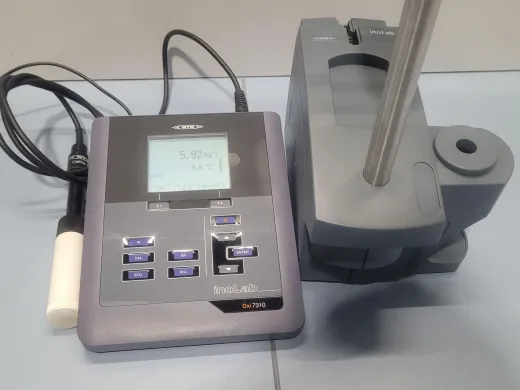
BOD Measurement Meter OxiTop 12 - WTW
- Category
- Analytical devices other
- Brand
- Wtw
- Suppliers
- 1 verified
Not the exact instrument you need?
Tell our scientists what you are after. We track it down, including off-market supply.
Showing 1–40 of 130 listings
Show 40 more listingsBuying guide
This is a mixed group, and the first question is which instrument class a listing actually belongs to, because the category name describes what it is not rather than what it is. A high-resolution mass spectrometer and a benchtop laboratory analyzer share almost nothing in operation, calibration or price, so read the listing title and the model against the type it claims before anything else. Among these listings, mass spectrometry dominates, and for a mass spectrometer the specification that settles the purchase is resolving power and mass accuracy, matched to the work: a unit intended for small-molecule screening is not the one intended for intact-protein analysis. For a general analyzer, the measured parameter and the throughput decide it instead.
Condition carries more weight here than on most pages, because 96 percent of the listings are used, and a used high-resolution mass spectrometer is a maintenance-heavy instrument with consumable and wear history that a datasheet does not show. On a used unit, verify the vacuum system and pump condition, the state of the ion source, the software version and whether it still licenses, and whether the detector has been replaced or is near end of life. Ask what calibration standards were last run and when. A housing or an accessory listed on its own needs a different check: confirm the exact model it fits, since mass spectrometry housings and parts are rarely interchangeable across generations.
Where the price band sits follows directly from that spread of instrument classes. A standalone accessory or a small analyzer costs little, while a complete high-resolution mass spectrometer sits at the top of the range, which is why the listings run from EUR 19 to EUR 236.745 with an average near EUR 13.866. What a unit costs in this group therefore says more about which class it is than about its condition. For a buyer with a fixed budget, the used share is the lever: refurbished and used instruments listed for sale are more affordable than new, and the individual listing is where warranty is settled, arranged in consultation rather than set across the catalogue. The brands you will meet most often are Thermo, Thermo Scientific, Thermo Fisher Scientific, D.I.S. Dynamic Integrated Solutions, Agilent, which matters for comparison, because several of those names cover overlapping mass spectrometry lines and let a buyer weigh two similar instruments side by side.
Types of Analytical devices - other
Which instrument types appear in this category?
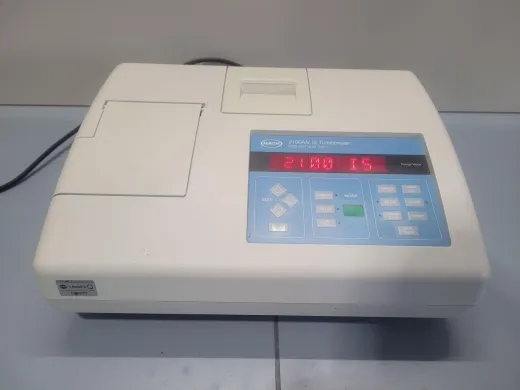
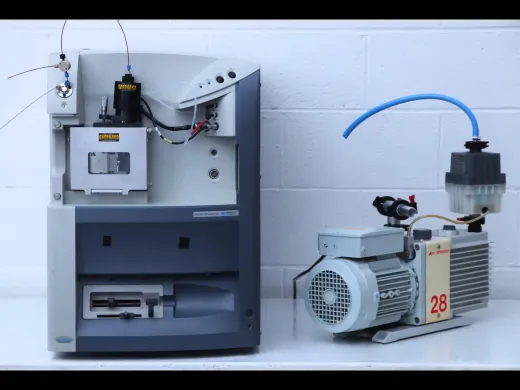
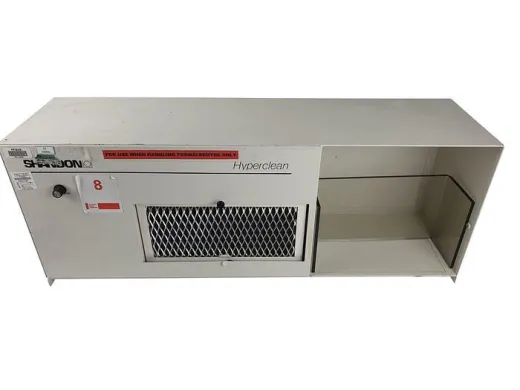
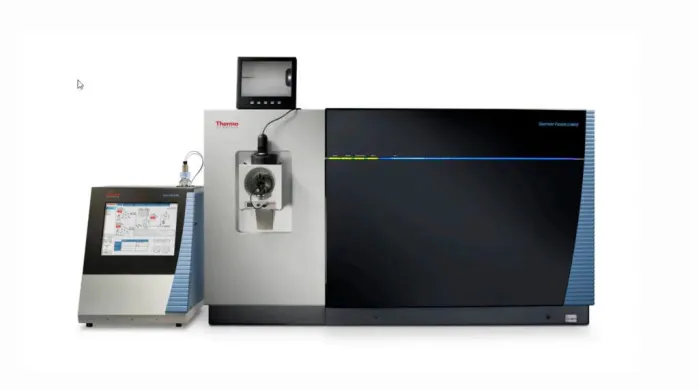
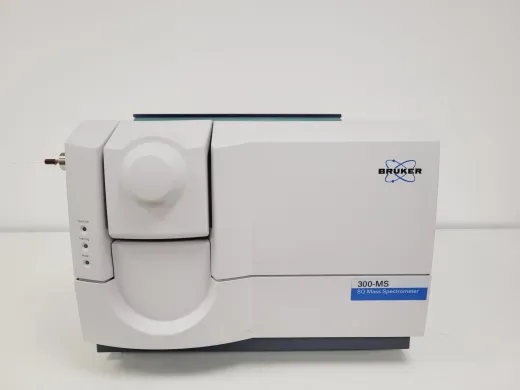
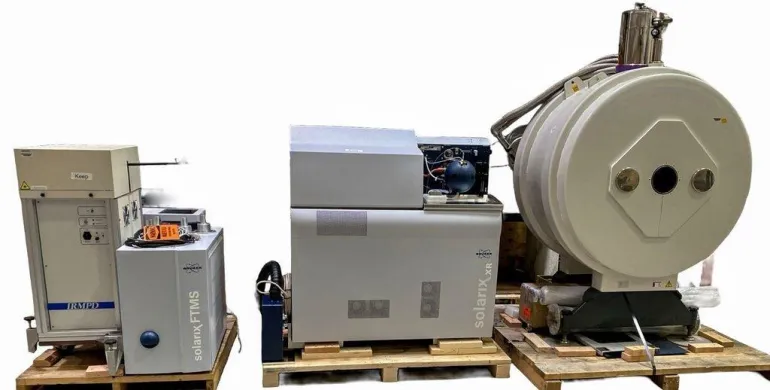
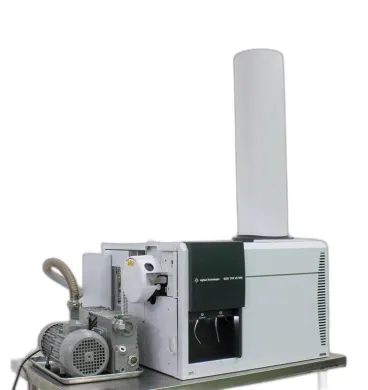
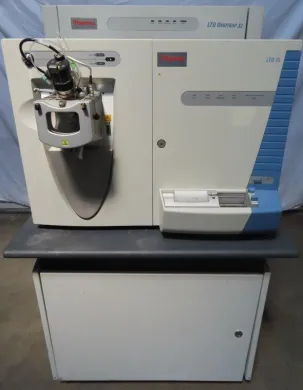
Among the listings that specify a type, the group is led by mass spectrometry in several forms. The high-resolution mass spectrometer, such as an Orbitrap or time-of-flight system, separates ions with enough mass accuracy to assign elemental formulae, and it is the instrument reached for in proteomics, metabolomics and small-molecule structural work. The analytical mass spectrometer covers the broader run of quadrupole and single-stage systems used for routine identification and quantitation. Alongside these sit the general analytical instrument and the laboratory analyzer, standalone measuring devices that report a specific parameter rather than a full spectrum. The remaining two types, the mass spectrometry accessory and the mass spectrometry housing, are the components and enclosures that surround those instruments, from ion-source parts to the cabinetry an instrument is mounted in.
Mass spectrometry is itself the analytical technique that defines most of this group, and the instruments here do real life sciences work. High-resolution mass spectrometry underpins proteomics and metabolomics, where it resolves peptides and metabolites that a lower-resolution unit cannot separate. Analytical mass spectrometers are also used for molecular diagnostics and for the identification steps in microbiology and genomics workflows. A laboratory analyzer of this kind is also used for immunoassay readout and for the quantitation that supports protein purification and bioprocessing. Buyers searching for a high-resolution mass spectrometer for proteomics, or an analytical mass spectrometer for metabolomics, land on exactly these listings.
The brands behind the analytical-devices listings
The names that recur most are Thermo, Thermo Scientific, Thermo Fisher Scientific, D.I.S. Dynamic Integrated Solutions, Agilent. Several of those entries are the same maker's lines under slightly different naming, which concentrates the catalogue around a small number of well-documented mass spectrometry platforms. For a buyer that is useful: parts and consumables for the common platforms are easier to source, service knowledge is widespread, and two similar instruments can be compared on specification rather than guessed at. It also tends to hold the price of a used unit in a predictable band, because the market for those models is active.
What a used analytical instrument costs here
The condition mix is clear: 96 percent of the listings are used. Prices range from EUR 19 to EUR 236.745, with an average around EUR 13.866. That spread is wide because the group runs from a single accessory or housing at the bottom to a complete high-resolution instrument at the top. The group is served by 17 verified suppliers and distributors across 8 countries, holding 252 listings in total.
Frequently asked questions
What is an analytical device in this 'other' category?
It is a measurement instrument that quantifies the chemical or physical composition of a sample, grouped here because it falls outside the named analytical categories. In practice the listings are dominated by mass spectrometry equipment: high-resolution and analytical mass spectrometers along with their accessories and housings.
What does 'Analytical devices - other' actually mean?
The label is a catch-all for analytical instruments that do not fit a dedicated category elsewhere on Questpair. It does not describe a single instrument type; it collects spectrometers, analysers and related components under one heading.
How do these analytical instruments work?
A mass spectrometer ionises a sample and separates the resulting ions by their mass-to-charge ratio, producing a measurement of what the sample contains. A laboratory analyser works differently, running one fixed assay or measurement type as a self-contained unit.
What types are listed in this category?
The main types are high-resolution mass spectrometers, analytical mass spectrometers, analytical instruments and laboratory analysers, plus two component groups: mass spectrometry accessories and mass spectrometry housings. The accessories and housings exist to keep or restore an existing platform rather than replace it.
What are these devices used for?
High-resolution mass spectrometers assign exact formulas in proteomics and metabolomics work, while analytical mass spectrometers handle routine quantitation against a calibration curve. The same hardware runs molecular diagnostics, biomarker screening, and environmental and food testing.
How do I choose between these instruments?
Start with the measurement you need: a high-resolution mass spectrometer when an exact mass has to be resolved, an analytical mass spectrometer for measuring a known target, or a laboratory analyser when one fixed assay covers the work. If you already own a platform, the accessory and housing listings address a specific part rather than a new instrument.
What is the difference between refurbished and used units here?
Used describes a unit sold in its working condition as it was taken out of service, while refurbished has been reconditioned before resale. Both are listed below the price of new equipment, and the exact condition is stated against the individual listing.
How much does an analytical device in this category cost?
Prices range from EUR 19 to EUR 236.745, with an average of EUR 13.866. The low end covers single accessories and components, and the high end a complete high-resolution instrument, so the spread reflects the range of items rather than one device's value.
Which brands show up most in this category?
The names seen most often are Thermo, Thermo Scientific, Thermo Fisher Scientific, D.I.S. Dynamic Integrated Solutions and Agilent. The Thermo entries reflect that company's long presence in high-resolution mass spectrometry.
Can I get a warranty on a refurbished unit?
A warranty is often possible and is arranged in consultation for the specific listing, rather than set across the category. Check the individual listing and raise it with the supplier before committing.
Are parts available for these instruments?
Parts can be sourced via Questpair, and the mass spectrometry accessories and housings listed here cover ion sources, inlets, vacuum components, consumables and structural enclosures. Parts for a widely sold platform are generally easier to source than for a less common maker.
How long do these analytical instruments last?
Lifespan depends on the instrument type, how heavily it was used and how well it was maintained rather than on a fixed figure. Mass spectrometers in particular rely on vacuum components and ion sources that are replaceable, which is part of why accessories are listed separately here.
Should I buy new or refurbished?
The clearest difference is price: used and refurbished units are listed below new equipment. Where warranty or condition matters to you, weigh the specific listing, since warranty is arranged in consultation rather than attached to the new-versus-used distinction.
Where can I buy these analytical devices?
They are offered on Questpair by 17 verified suppliers and distributors across 8 countries, with 252 listings in this category. New, used and refurbished units appear together.
What are the lead time and shipping like?
Lead time and shipping depend on the individual supplier and the unit's location, which varies across 8 countries. Both are confirmed against the specific listing rather than fixed for the category.
What about calibration and maintenance?
Mass spectrometers are calibrated against reference standards and depend on maintained vacuum and ion-source components to hold accuracy. Questpair does not carry out servicing, but the accessories and consumables needed to maintain a platform can be sourced through the listings here.
Which types are listed most, and who reaches for each?
Mass spectrometers are the dominant form, with high-resolution units sought by proteomics and metabolomics labs and analytical units by routine quantitation work. The accessory and housing listings are reached for by laboratories that already own an instrument and need a specific component.
The brand field is concentrated: what does that mean for a buyer?
Thermo, Thermo Scientific, Thermo Fisher Scientific, D.I.S. Dynamic Integrated Solutions and Agilent account for the names seen most. A concentrated field means parts and accessories for a widely sold platform are easier to source and two units of the same family are straightforward to compare, while a listing from a less common maker warrants closer checks on compatibility and parts.
What separates the bottom of the price band from the top?
The bottom covers single accessories and components such as ion sources or housings, and the top a complete high-resolution mass spectrometer. The gap between EUR 19 and EUR 236.745 is the distance between a part and a full analytical platform, not two readings of one instrument's worth.