

Electronics
We personally find you the right used, refurbished and new electronics instruments & equipment from verified suppliers.
Electronics are the powered components and support hardware that keep laboratory instruments running, interfacing and protected, from embedded computing boards to power conditioning and signal connectors. The category covers the parts that sit around and inside analytical equipment rather than the measuring devices themselves. On Questpair, 642 items are listed by 15 verified suppliers and distributors across 10 countries. New, used and refurbished units appear here, and 86 percent of the listings are used. Prices range from EUR 1 to EUR 64.567, which places a single connector at one end and a complete industrial computing chassis at the other. The laboratory relies on this hardware for control, continuity and data.
Updated:
Electronics product list



Not the exact instrument you need?
Tell our scientists what you are after. We track it down, including off-market supply.
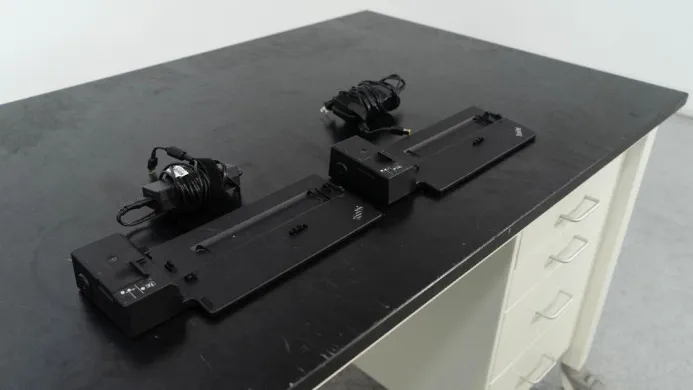
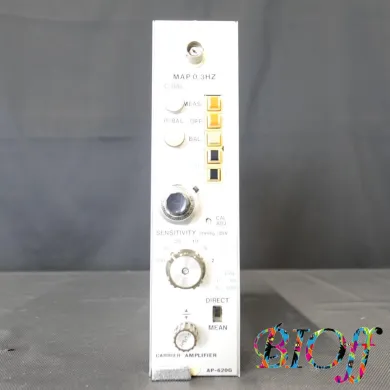
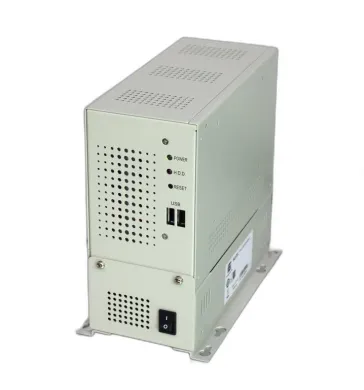
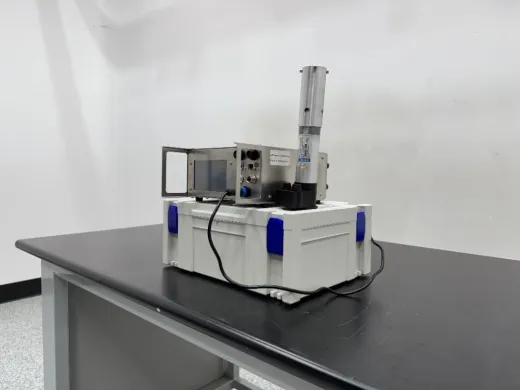
Not the exact instrument you need?
Tell our scientists what you are after. We track it down, including off-market supply.
Showing 1–40 of 522 listings
Show 40 more listingsBuying guide
What settles an electronics purchase first is compatibility, because a component that does not fit the host system is worthless whatever its specification says. An embedded PC chassis has to match the form factor, the bus standard and the mounting of the instrument it serves; a circular MIL-spec connector has to match the shell size, the insert arrangement and the keying of its mate exactly. Read the host equipment's requirements before the component's datasheet, since the datasheet describes what the part can do and the host decides what the part must be. A board that is faster or a connector that is rated higher is of no use if the pinout differs by one position.
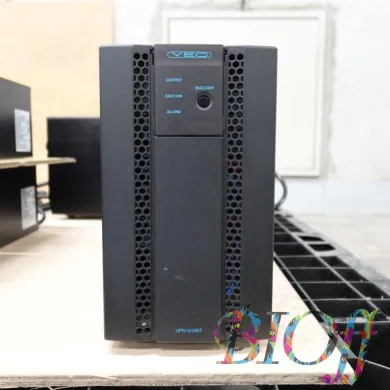
Power hardware follows its own logic. For an uninterruptible power supply the figure that decides the purchase is the load it has to carry and the runtime it has to hold, in volt-amperes and minutes, measured against the instruments plugged into it. Undersize it and the UPS drops the load during the outage it was bought to cover; oversize it and the budget went to headroom no run will ever use. A surge protector is judged instead on its clamping voltage and its joule rating, since those describe how much transient energy it absorbs before the downstream electronics see it.
On a used unit, check the parts that age. Batteries inside a UPS degrade whether the unit ran or sat idle, so a used UPS may hold a fraction of its rated runtime and the cell is the first thing to verify. Connectors wear at the contacts and corrode at the shell; an embedded board may carry a specific firmware revision or a fitted option that a replacement does not. Ask what the listing covers and what it does not, because condition here is about history more than appearance.
Price spans the whole category. A single connector costs very little and a complete industrial computing chassis runs into thousands, so the band from EUR 1 to EUR 64.567 reflects two different purchases rather than one range. The average listing sits at EUR 669. Used and refurbished units are listed below the price of new, which is the difference that matters most when a buyer is weighing an older board against a current one. The brands that fill these listings, APC, iEi Integration Corp, Dell, Thermo Scientific, HP, set where a given component lands in that band and how easy its replacement will be to find. For a buyer working to a budget, that availability is part of the cost: a well-represented line keeps spares affordable long after the original purchase. Warranty on any individual unit is arranged in consultation for that listing.
Types of Electronics
Which electronics types are listed here?
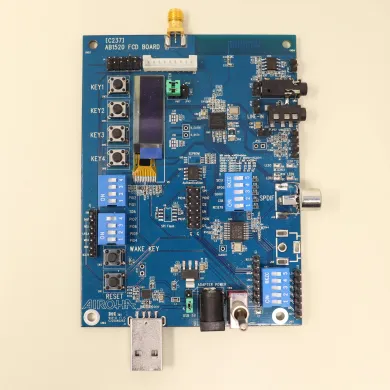
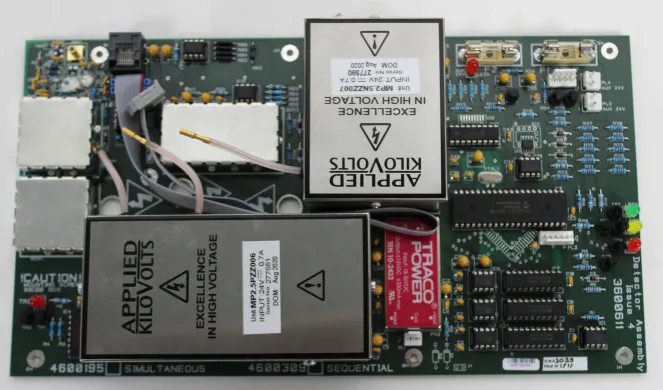
Among the listings that specify a type, the catalogue divides into computing hardware, power protection and signal connectors. Embedded PC chassis form the computing end: rugged, fanless or industrial-format boards and enclosures built to run inside an instrument rather than on a desk, chosen by anyone integrating control electronics into a larger system. Uninterruptible power supplies and surge protectors cover continuity and protection, the UPS carrying a load through an outage and the surge protector absorbing transients before they reach the downstream hardware. Lens controller PCBs are the specialist board in this group, driving the optics of imaging and inspection systems. Circular MIL-spec connectors and general electrical connectors complete the list, the first to a military-grade shell and keying standard, the second to ordinary wiring needs. What separates them is role: computing boards process, power hardware protects, connectors carry the signal between.
This class of hardware does real work in biotechnology and the life sciences, mostly behind the instrument rather than in front of it. Embedded PC chassis run the control and acquisition software inside automated cell imaging platforms and liquid-handling stations used in cell culture and molecular diagnostics, where a workstation computer is built into the enclosure. Lens controller PCBs drive the focus and zoom optics in the microscopy that underpins histology and cell imaging. Uninterruptible power supplies hold the continuous operation that genomics and proteomics pipelines depend on, since a dropped run on a sequencer or a mass spectrometer loses both sample and days. These are the parts that keep laboratory automation and bioprocessing instrumentation powered and talking.
The brands behind the electronics listings
The names that recur here are APC, iEi Integration Corp, Dell, Thermo Scientific, HP. APC is the dominant presence in power protection, which matters to a buyer because its UPS and surge lines are widely stocked and their replacement batteries and modules are straightforward to source. iEi Integration Corp sits at the embedded-computing end, its chassis and boards aimed at industrial integration. Dell and HP bring general computing hardware, the easiest of the group to compare across models and to find spares for. Thermo Scientific appears as the maker of instrument-specific electronics. For the buyer, a well-represented brand means a part that is easy to match, parts that stay available, and a price level that is simple to check against alternatives.
What a used electronics unit costs here
Condition in this category runs heavily toward used: 86 percent of the listings are used. Prices run from EUR 1 to EUR 64.567. That spread covers a single low-cost connector at one end and a complete industrial computing chassis at the other, with the average listing at EUR 669. Used and refurbished units are listed below the price of new. Where a specific unit carries a warranty, that is arranged in consultation for the listing, and parts for these components can be sourced via Questpair.
Frequently asked questions
What is electronics in a lab context?
In a laboratory, electronics are the power, control and signal components that keep instruments running and connected. This covers backup power supplies, surge protection, embedded computing boards and the connectors and wiring that tie bench equipment together.
What does electronics mean in this category?
Here the term refers to the hardware behind instruments rather than the instruments themselves: the supply that protects a mass spectrometer, the board that drives a microscope's optics, and the connectors that carry signals between them. It is the supporting infrastructure, not the measurement equipment.
How do these electronics work?
Each type does a specific job. A UPS holds a battery charge and carries a connected load through a mains outage, a surge protector clamps voltage spikes before they reach equipment, an embedded PC chassis provides onboard processing inside a rack or instrument, and connectors carry power or signal across a joint.
What types of electronics are listed here?
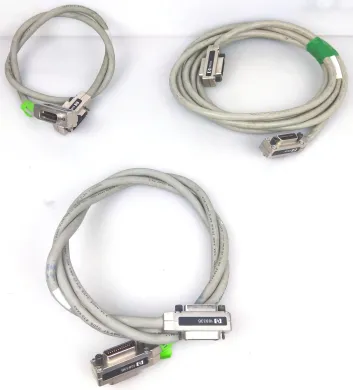
The catalogue includes embedded PC chassis, uninterruptible power supplies (UPS), surge protectors, lens controller PCBs, circular MIL-spec connectors and general electrical connectors. The connector listings split between ruggedised round fittings and routine bench wiring hardware.
What are these electronics used for?
They power, protect and connect lab instruments. A UPS keeps a long run going through a power cut, a surge protector shields smaller bench devices, an embedded chassis handles processing inside a system, lens controller PCBs drive optics in imaging setups, and connectors complete the power and signal paths.
How do I choose the right electronics for my setup?
Start with the job: a UPS if a load must survive an outage, a surge protector if you only need spike protection, a controller board or connector matched to a specific instrument if you are replacing a part. For replacement boards and connectors, the exact revision and fitting have to match the equipment you have.
What is the difference between refurbished and used electronics?
Used units are sold in their existing condition, while refurbished units have been checked and brought back to working order before listing. Both are listed below the price of new equivalents. Condition details are stated on the individual listing.
How much do these electronics cost?
Prices range from EUR 1 to EUR 64.567, with an average of EUR 669. A single electrical connector sits near the floor of that range, while a high-capacity UPS or a complete embedded computing system sits near the top.
Which brands are listed in this category?
The listings concentrate on APC, iEi Integration Corp, Dell, Thermo Scientific and HP. APC appears in UPS and surge hardware, iEi Integration Corp in embedded computing and chassis, Dell and HP as general computing hardware, and Thermo Scientific on units tied to specific instrument platforms.
Is a warranty available on refurbished electronics?
A warranty is often possible and is arranged in consultation for the specific listing. Check the individual listing for its condition and terms before buying.
Can I get parts for these electronics?
Parts can be sourced via Questpair. For brands like APC, battery modules and replacement parts are comparatively easy to find because the models are widely used and straightforward to compare.
How long do these electronics last?
Lifespan depends on the type and how hard the unit is worked. UPS batteries are consumable and lose capacity over years of charge cycles, while connectors and embedded chassis can run far longer if they are not stressed. Condition on a used listing is the better guide than any general figure.
Should I buy new or refurbished?
The clear difference is price: used and refurbished units are listed below new equivalents, which is the main reason buyers work through this category. Where warranty matters, it is arranged in consultation for the specific listing, so weigh the individual listing against your needs.
Where can I buy these electronics?
They are listed on Questpair from verified suppliers and distributors. Across the catalogue, 642 items are offered by 15 suppliers and distributors in 10 countries.
What is the lead time and shipping on these?
Lead time and shipping depend on the individual supplier and the item's location. The listing shows who is offering the unit and from which country, and specifics can be confirmed through Questpair.
Do these electronics need calibration or maintenance?
Connectors and embedded chassis generally need no calibration, while a UPS needs its battery checked and eventually replaced as capacity drops. Questpair does not carry out servicing, but replacement parts such as UPS battery modules can be sourced through it.
Which types here are listed most, and who reaches for each?
Embedded PC chassis suit systems that need onboard processing without a full workstation. A UPS goes to a lab running an overnight sequencing run or a long incubation that cannot lose power, while a surge protector suits a bench of smaller instruments. Lens controller PCBs and connectors are pulled together in imaging and cell imaging setups where optics, drive electronics and signal path must match.
Which brands dominate this category, and what does that mean for a buyer?
APC concentrates in UPS and surge hardware, so its parts and comparable models are easy to find. iEi Integration Corp covers embedded computing, where compatibility turns on exact board revisions. A familiar brand on a used listing makes it easier to confirm specifications and to find a comparable alternative if the first unit sells.
What separates the cheapest listings from the most expensive?
The bottom of the range is a single electrical connector or a small piece of wiring hardware. The top is a high-capacity UPS or a complete embedded computing system. The gap reflects the breadth of the category rather than a quality tier, so match the unit to the job rather than to its position in the price band.