

Titrators
We personally find you the right used, refurbished and new titrators instruments & equipment from verified suppliers.
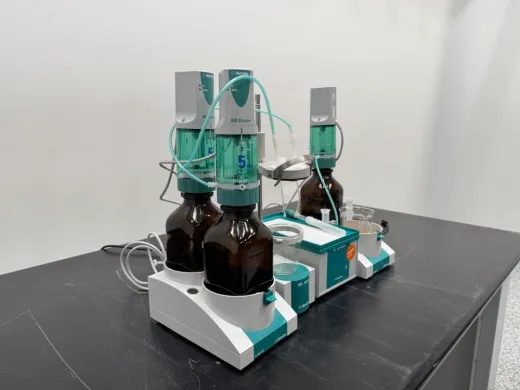
Titrators are analytical instruments that determine the concentration of a substance in solution by adding a reagent of known strength until a chemical reaction reaches its endpoint. The method underlies acid-base, redox, complexometric and water-content measurements across chemistry, pharmaceutical and food laboratories. On Questpair, 114 titrator listings are available from 11 verified suppliers and distributors across 7 countries. New, used and refurbished units are all listed, and 96 percent of the listings are used. Prices range from EUR 12 to EUR 16.500, which places simple manual burettes and fully automated potentiometric systems in the same catalogue. The field as a whole is known as titration, or titrimetric analysis.
Updated:
Titrators product list
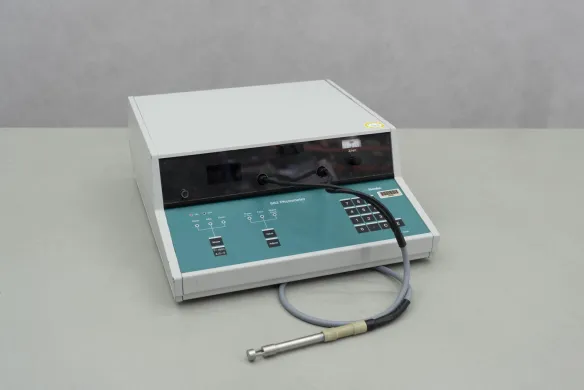
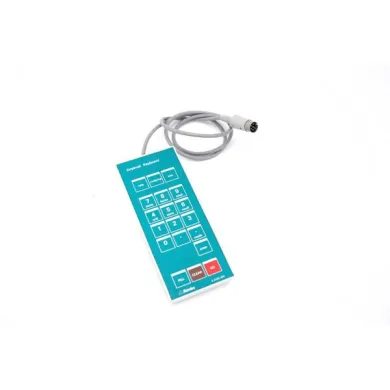
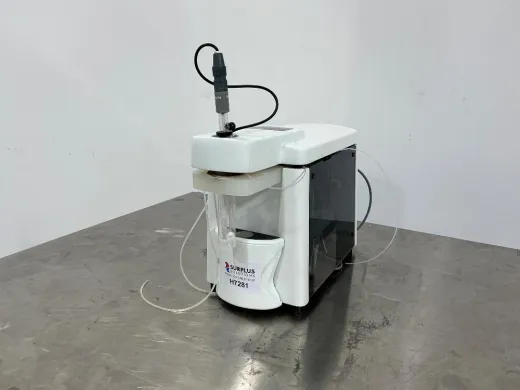
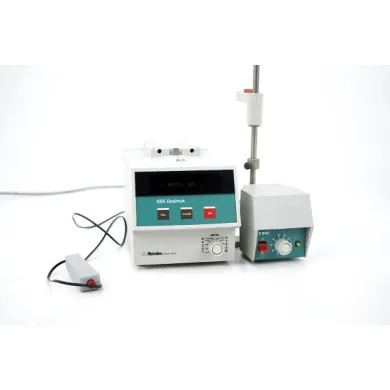
Metrohm 662 Microprocessor-Controlled Photometer
- Category
- Titrators
- Brand
- Metrohm
- Suppliers
- 1 verified


Not the exact instrument you need?
Tell our scientists what you are after. We track it down, including off-market supply.
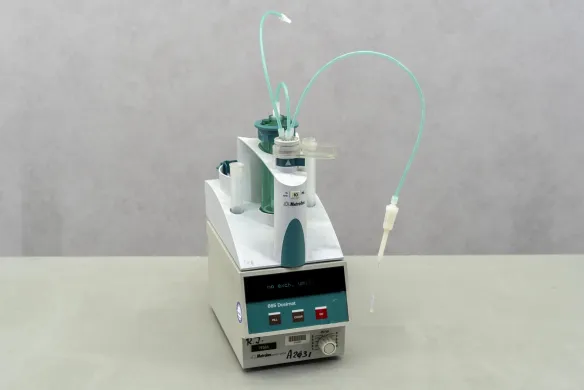
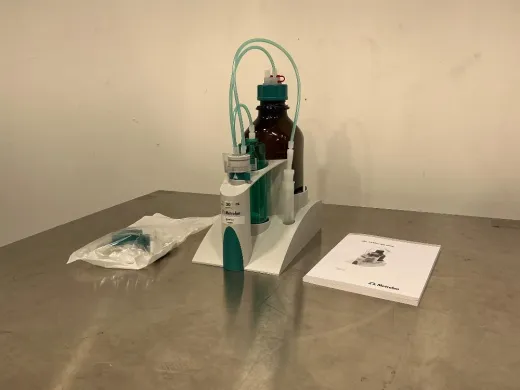
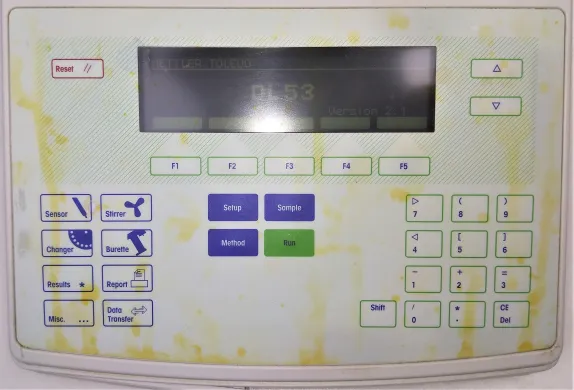
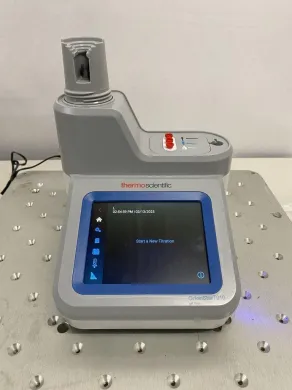
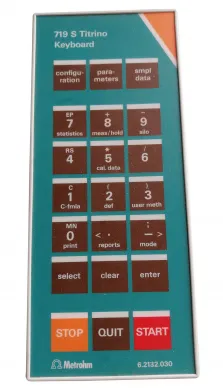
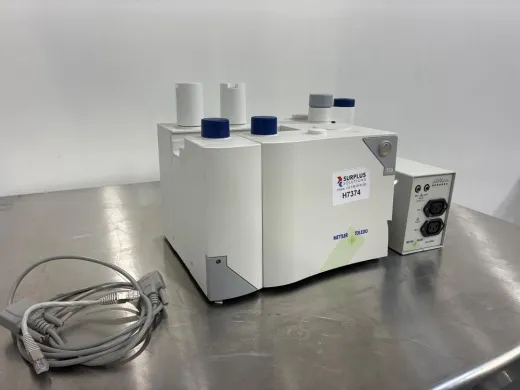
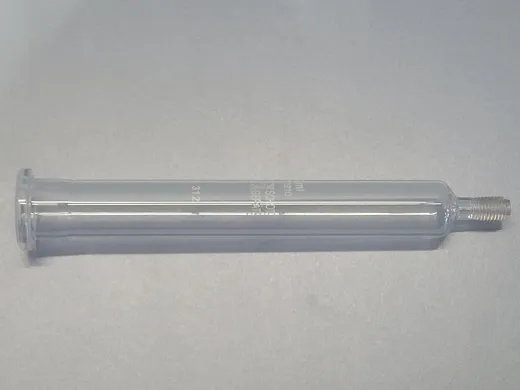

Not the exact instrument you need?
Tell our scientists what you are after. We track it down, including off-market supply.
Showing 1–40 of 87 listings
Show 40 more listingsBuying guide
What settles a titrator purchase first is the detection method, because it decides which chemistry the instrument can actually follow. A potentiometric titrator reads the potential of an electrode and locates the endpoint from the inflection in that curve, which suits acid-base and redox work where a colour indicator is imprecise or impossible. A Karl Fischer titrator is a separate class built for one job, measuring water content down to trace levels, and it comes in volumetric and coulometric forms that are not interchangeable: coulometric handles micrograms of water, volumetric handles percent-level moisture. Decide which chemistry you run before anything else, because an instrument bought for the wrong detection principle cannot be adapted to the right one.
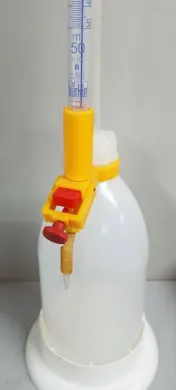
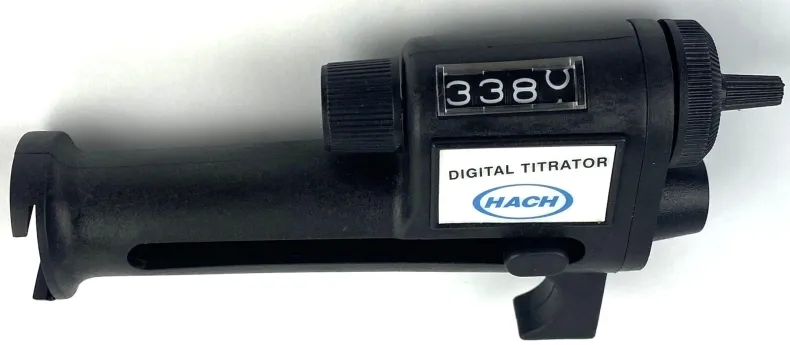
From that follows the question of automation. A manual titrator relies on the operator to add reagent and read the endpoint; an automated titrator meters the reagent through a motorised burette, logs the curve and calculates the result, which matters where throughput is high or where a method has to be reproducible between analysts. Weigh how many samples pass through the bench against the price step automation adds.
On a used instrument the burette and the electrodes carry the history, not the chassis. A dosing unit wears, seals perish and an aged pH or Karl Fischer electrode drifts, so verify that the burette moves freely, that the electrode is present and responsive, and that the reagent lines are intact. Ask whether the unit still runs its control software and which electrode fits it, because a titrator separated from its sensor is a partial purchase. Where recalibration is needed, a warranty can be arranged in consultation for the specific listing.
The price band runs from EUR 12 to EUR 16.500, with an average near EUR 2.553. That spread separates bare manual glassware and spare dosing modules at the low end from complete automated potentiometric and Karl Fischer systems at the top. For a laboratory working to a budget, a used automated titrator is more affordable than its new equivalent, and most of the cost a buyer sees reflects the detection hardware rather than the frame. The brands that fill this range, chiefly Metrohm, Mettler Toledo, Metrohm AG, Hanna, Hach, are familiar enough that models can be compared directly on specification before anything is listed for sale.
Types of Titrators
Which titrator types are listed here?
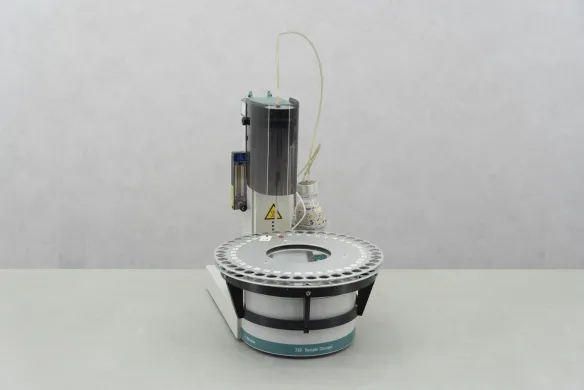
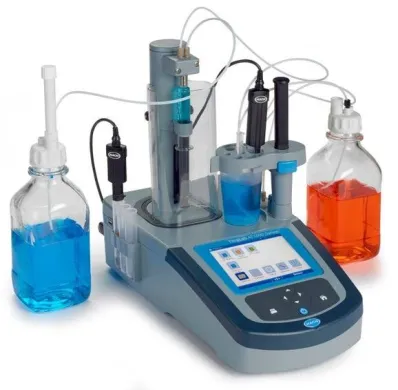
Among the listings that specify a type, the catalogue is led by analytical instrument, karl fischer titrator, titrator, automated titrator, potentiometric titrator, titration system, and these describe real distinctions in how the measurement is made rather than cosmetic variants. A potentiometric titrator tracks the endpoint electrically and is the instrument of choice for acid-base and redox determinations in general analytical instrumentation. A Karl Fischer titrator is purpose-built for water determination and is the standard tool wherever moisture content has to be quantified in pharmaceuticals, solvents and foodstuffs. An automated titrator adds motorised dosing and software control to either principle, and a titration system usually bundles the burette, controller and sample changer as one configured unit. A buyer reaching for each is distinguished by chemistry and throughput: a quality-control bench running water content all day reaches for Karl Fischer, a methods laboratory running varied endpoints reaches for a flexible potentiometric platform.
In pharmaceutical and life sciences work, titration is a routine step in molecular diagnostics reagent preparation and in protein purification buffer control, where the exact strength of an acid or base governs a downstream reaction. Karl Fischer titrators serve water content analysis of lyophilised biologics, a specification that matters in biomanufacturing because residual moisture affects stability. Potentiometric titrators also used for assay standardisation in microbiology media preparation, where reagent concentration has to be fixed before culture. These are the long-tail uses a specialist laboratory depends on, and they explain why titrimetric analysis sits alongside spectroscopy and chromatography as a core method in the analytical laboratory.
The brands behind the titrator listings
The names that recur are Metrohm, Mettler Toledo, Metrohm AG, Hanna, Hach. Their presence shapes what a buyer can expect in practice: Metrohm and Mettler Toledo built much of the installed base of automated and Karl Fischer systems, so electrodes, dosing units and spare burettes for them are widely circulated and a given model is easy to compare against another of the same line. Hanna and Hach sit nearer the compact and field-oriented end, which tends to mean lower entry prices and simpler methods. A dense field of known makers works in the buyer's favour, because parts can be sourced via Questpair and a model's specification can be checked against a sibling before committing.
What a used titrator costs here
New, used and refurbished units are all present, and 96 percent of the listings are used. Prices run from EUR 12 to EUR 16.500. That range covers everything from a replacement dosing module or a length of manual glassware to a complete automated Karl Fischer bench with sample changer, so the figure a buyer lands on depends almost entirely on whether a full system or a component is being bought. A used or refurbished unit is listed below the price of its new equivalent, and where warranty matters it is arranged in consultation for the specific listing.
Frequently asked questions
What is a titrator?
A titrator is an analytical instrument that measures the concentration of a dissolved substance by adding a reagent of known strength until a chemical reaction reaches its endpoint. The volume of reagent consumed gives the result.
What does titrator mean?
The name comes from titration, the laboratory method of determining concentration by controlled addition of a reagent. A titrator is the instrument that performs or assists that process, from a simple burette setup to a fully automated system.
How do titrators work?
A measured reagent is added to the sample until the reaction endpoint is detected, either by a colour change or by an electrode that reads a shift in potential. The instrument records the reagent volume consumed and calculates the concentration from it.
What types of titrators are there?
The listings here include Karl Fischer titrators for water content, potentiometric titrators that detect the endpoint with an electrode, automated titrators that run the assay unattended, and complete titration systems bundling dosing and sample changers. A general analytical instrument category also appears for units not specified further.
What are titrators used for?
They quantify acid content, water content and ion concentration, which makes titration a reference method across analytical chemistry. In biotechnology they handle residual moisture in freeze-dried products and assay and purity testing in biomanufacturing.
How do I choose a titrator?
Start from what you need to measure and how much you want the instrument to do without an operator. Karl Fischer suits moisture determination, potentiometric suits coloured or opaque samples, and automated systems suit a laboratory running the same assay many times a day.
What is the difference between refurbished and used titrators?
A used titrator is sold in its existing condition, while a refurbished unit has been checked and restored before sale. Both are listed below new prices, and the specific condition is described in the individual listing.
How much does a titrator cost?
Prices in the catalogue range from EUR 12 to EUR 16.500, with an average around EUR 2.553. The low end covers consumables and single electrodes, the high end covers complete automated titration systems with dosing and sample handling.
What are the best titrator brands?
The names that recur most often in the listings are Metrohm, Mettler Toledo, Metrohm AG, Hanna and Hach. Metrohm and Mettler Toledo appear at the automated and Karl Fischer end, while Hanna and Hach reach the simpler, lower-cost units.
Is there a warranty on refurbished titrators?
A warranty is often possible and is arranged in consultation for the specific listing. Check the listing itself and raise the question with the supplier before purchase.
Can I get parts for a titrator?
Parts, including electrodes and dosing components, can be sourced via Questpair. Instruments from brands that recur often in the listings tend to have better documented consumable and electrode formats.
How long do titrators last?
A titrator's working life depends on how heavily the dosing hardware and electrodes are used and how well they are maintained. Electrodes and reagents are consumables replaced during normal operation, while the instrument body and dosing unit last considerably longer with care.
Should I buy a new or refurbished titrator?
Used and refurbished titrators are listed at lower prices than new units, which is the main difference you can count on across the catalogue. Where the two are close, compare the individual listings and settle warranty terms in consultation for the specific unit.
Where can I buy a titrator?
On Questpair, titrators are listed from 11 verified suppliers and distributors across 7 countries. The catalogue holds 114 listings covering new, used and refurbished units.
What is the lead time and shipping on a titrator?
Lead time and shipping depend on the supplier, the unit's location and whether it is a consumable or a complete system. These details are set per listing, so confirm them with the supplier for the specific item.
How are titrators calibrated and maintained?
Calibration is done against reagents of known strength and standards appropriate to the method, and electrodes need regular conditioning and periodic replacement. Dosing units require checking for accurate reagent delivery, with the exact routine depending on the model and assay.
Which titrator types are listed most, and who reaches for each?
The listed types include analytical instrument, Karl Fischer titrator, titrator, automated titrator, potentiometric titrator and titration system. A quality control lab determining moisture reaches for Karl Fischer, a lab with coloured or opaque samples reaches for potentiometric, and a lab running one assay repeatedly reaches for an automated titrator or full system.
Which brands dominate this category, and what does that mean for a buyer?
Metrohm and Mettler Toledo appear often at the automated and Karl Fischer end, while Hanna and Hach cover the simpler units. A model that recurs is easier to compare against others of the same type, and its electrodes, parts and reagent formats are better documented than those of a rare unit.
What separates the cheapest titrators here from the most expensive?
The low end of the range at EUR 12 covers consumables and single electrodes, with no dosing or automation. The high end at EUR 16.500 covers complete automated titration systems with dosing hardware, electrode assemblies and sample handling, which is where the cost sits.