

Gas analysers
We personally find you the right used, refurbished and new gas analysers instruments & equipment from verified suppliers.
Gas analysers are instruments that measure the concentration of one or more target gases in a sample stream, reporting the result as a percentage, a parts-per-million reading, or a partial pressure. They work across combustion monitoring, emissions testing, process control and ambient air quality, and the detection method varies by target: electrochemical cells for oxygen and toxic gases, infrared absorption for carbon dioxide and hydrocarbons, paramagnetic sensing for oxygen, and separation columns in the chromatograph types. Of the current listings on Questpair, 98 percent are used. Prices run from EUR 86 to EUR 14.000. New, used and refurbished laboratory units appear across 11 verified suppliers and distributors.
Updated:
Gas analysers product list
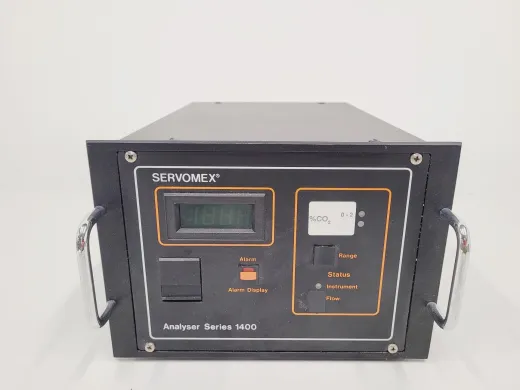
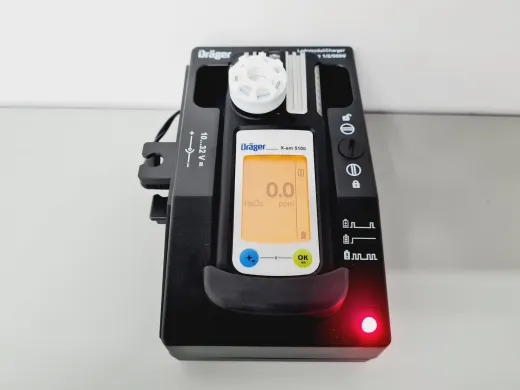
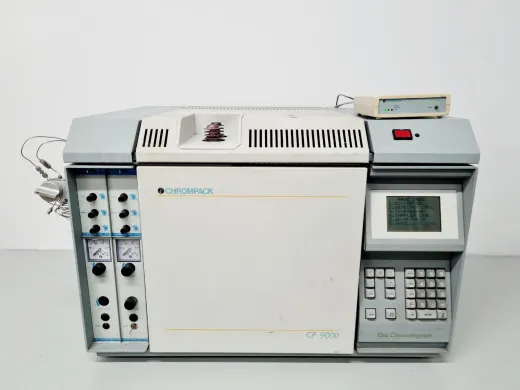


Not the exact instrument you need?
Tell our scientists what you are after. We track it down, including off-market supply.
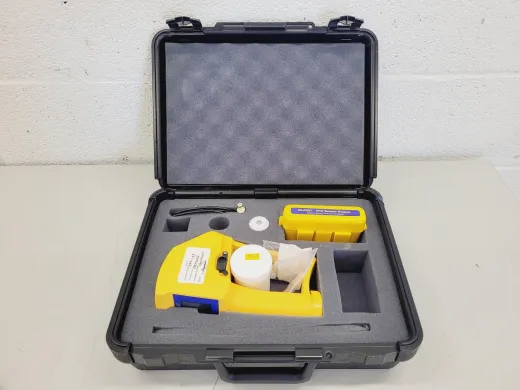
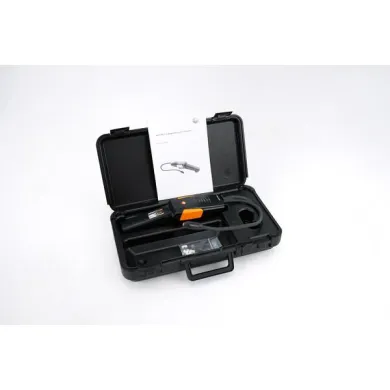
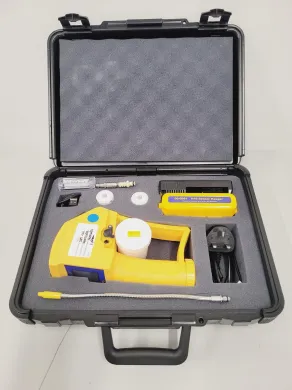
ATI Portasens III D16 Gas Leak Detector with H2O2 Sensor
- Category
- Gas analysers
- Suppliers
- 1 verified
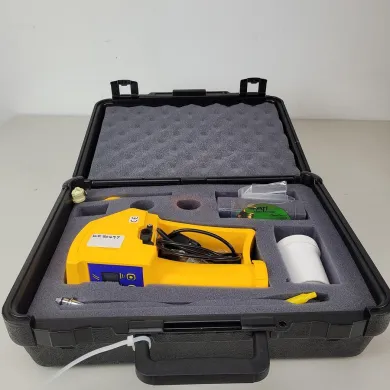
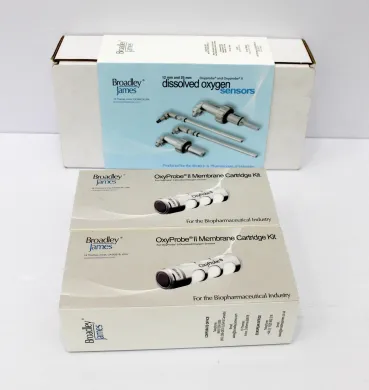
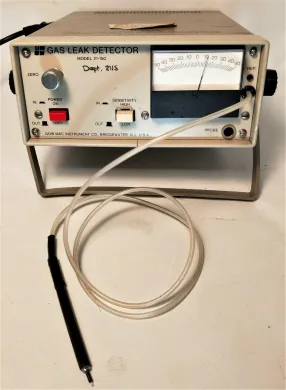
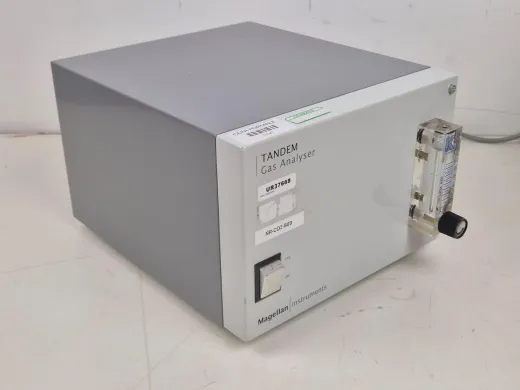
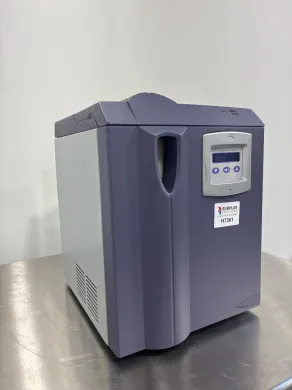
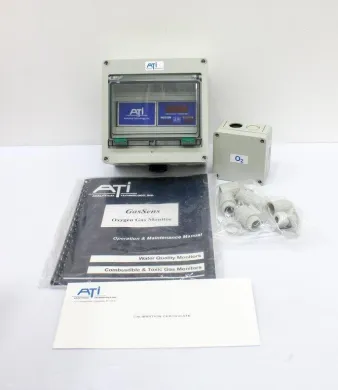
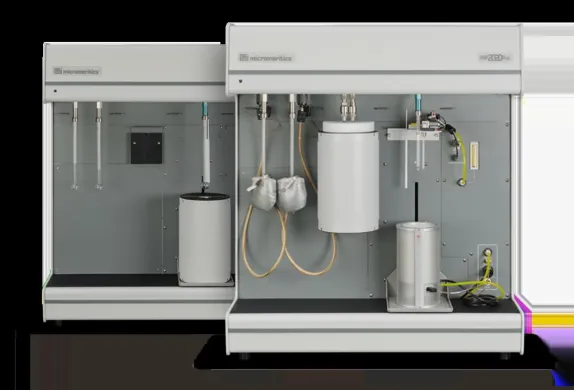
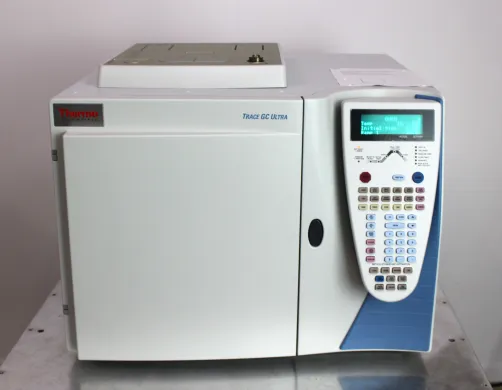
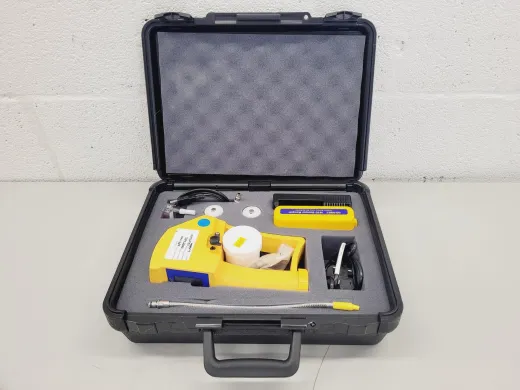
ATI Portasens III Gas Leak Detector Kit with H2O2 Sensor
- Category
- Gas analysers
- Suppliers
- 1 verified
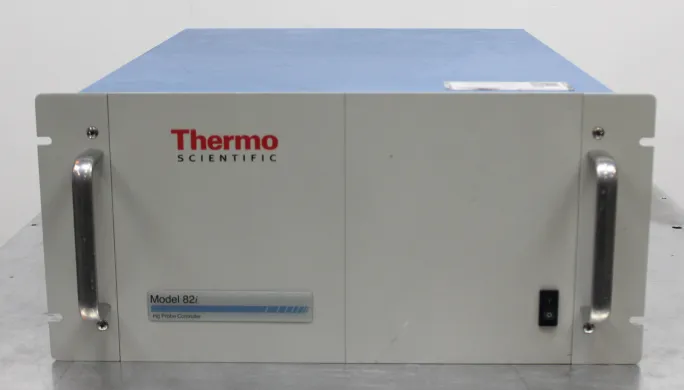
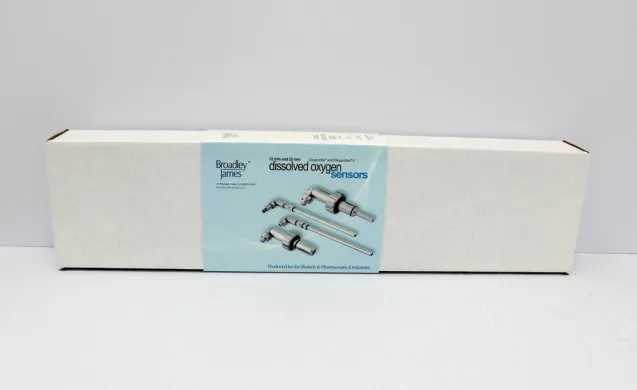
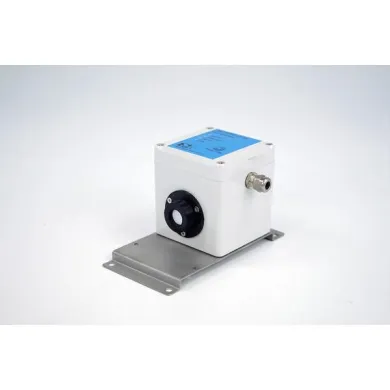
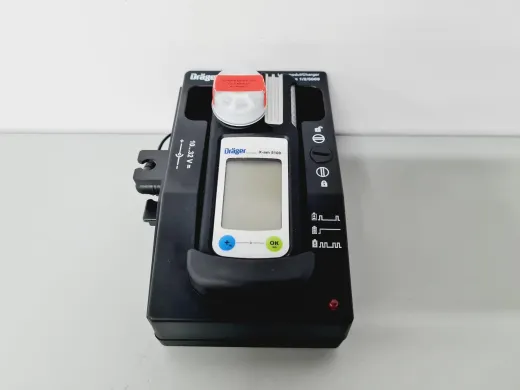
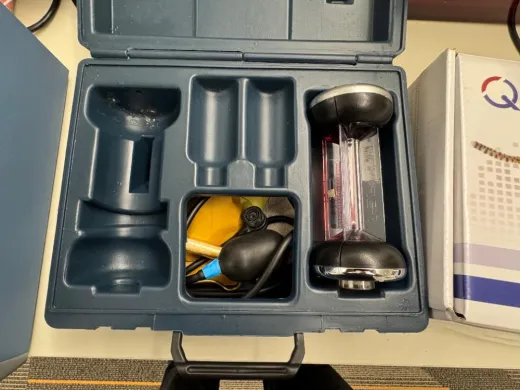
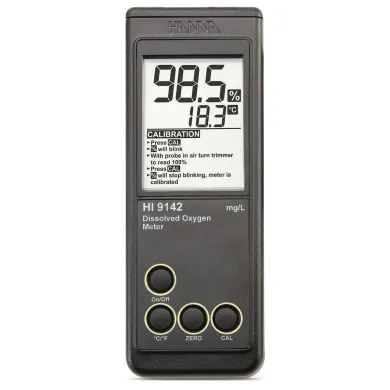
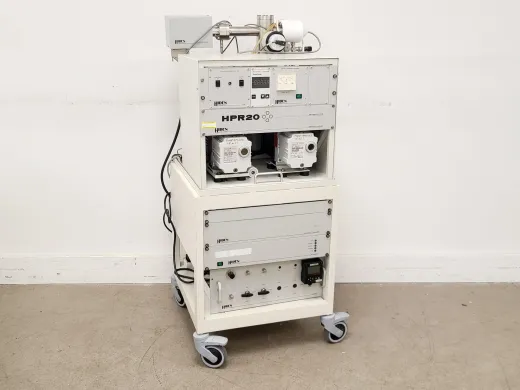
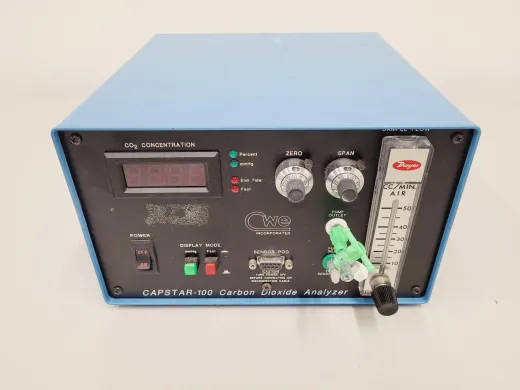
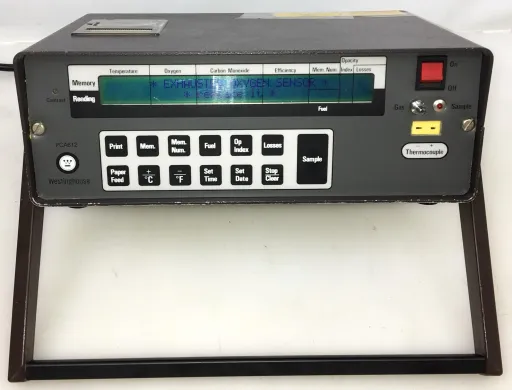
Not the exact instrument you need?
Tell our scientists what you are after. We track it down, including off-market supply.
Showing 1–40 of 97 listings
Show 40 more listingsBuying guide
What settles a gas analyser purchase is the target gas and the range it must read, and everything else follows from that pairing. An instrument built for percent-level oxygen in a flue will not resolve the low parts-per-million a leak-detection task needs, and a trace analyser saturates in a high-concentration stream. Confirm the gas list, the measuring range for each, and the sensing principle before anything else: a paramagnetic cell, an electrochemical sensor and a non-dispersive infrared bench suit different gases and tolerate different backgrounds, and a column-based chromatograph separates a mixture a single-channel sensor would read as one blur.
On a used unit the sensor is the part that ages, so verify it before the chassis. Electrochemical cells have a finite life and lose sensitivity whether or not the instrument has run; infrared sources drift; paramagnetic cells are robust but react to vibration and to the sample's own magnetic susceptibility. Ask when the cell was last replaced, whether calibration gas was available at the last check, and what span and zero readings it held. A unit that cannot be spanned against a known concentration tells you nothing, and recalibration against certified gas is the first task after delivery regardless of what the seller reports.
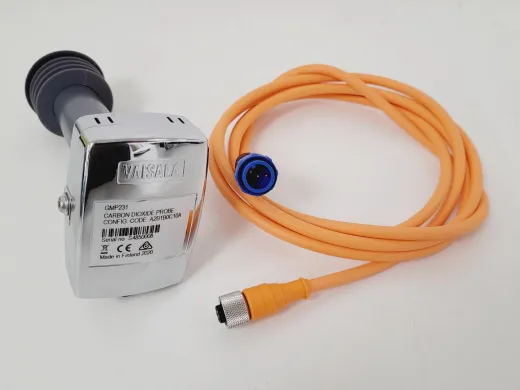
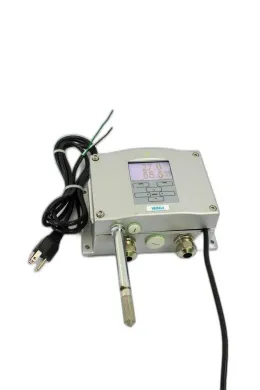
Price here spans a wide band because the catalogue mixes a handheld ambient monitor with a rack-mounted multi-gas bench. Prices run from EUR 86 to EUR 14.000, averaging EUR 1.302. That spread tracks the difference between a single-sensor portable device and a multi-channel analytical instrument with sample conditioning. A used or refurbished analyser sits below the cost of the equivalent new instrument, which is what makes the second-hand route fit a constrained budget; the affordable end of the range covers the portable units offered for sale, the upper end the process and chromatograph systems. The brands that hold the listings, Servomex, Vaisala, Environmental Sciences, ATI, Dräger, each occupy a part of that band, and recognising which one built a given model tells you roughly where its price and its parts availability will fall.
Types of Gas analysers
Which gas analyser types are listed?
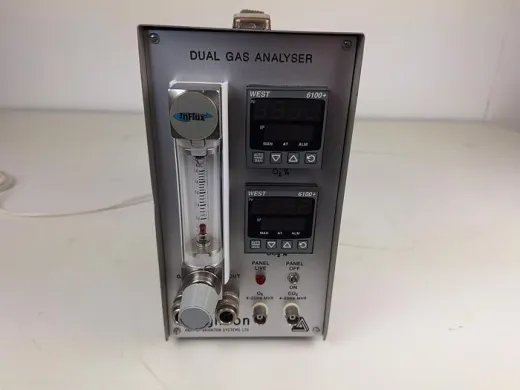
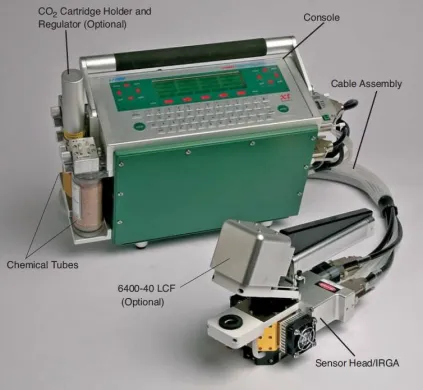
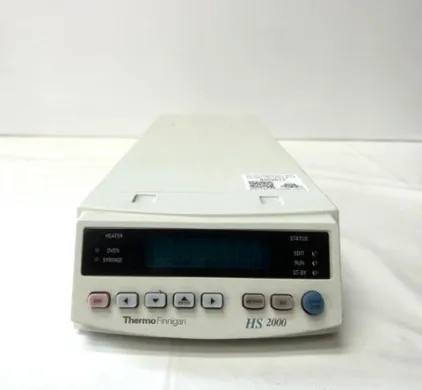
Among the listings that specify a type, the catalogue divides along two lines: what the instrument measures and where it is meant to work. gas analyzer, analytical instrument, portable gas analyzer, environmental monitoring equipment, environmental monitoring instrument, gas chromatograph are the forms that recur. A bench gas analyzer is the fixed, mains-powered instrument for a sampling point or a process line, where a conditioned stream is drawn in continuously. A portable gas analyzer trades resolution and channel count for a battery and a handle, carried to the measurement rather than fed by it, which is the form a field technician reaches for. Environmental monitoring equipment and the related environmental monitoring instruments sit alongside these, built around ambient concentrations and long unattended runs rather than a single spot check. The gas chromatograph is the outlier: instead of a dedicated sensor per gas it separates a mixture on a column and reads the components in sequence, which is how a complex sample is resolved where a single-channel analyser would report only a sum.
The work these instruments do reaches into life sciences through the chromatograph types, which carry out gas chromatography for the separation and quantification of volatile compounds, a method used across molecular diagnostics and metabolomics where a sample's volatile fraction has to be identified component by component. Environmental monitoring instruments are also used for bioprocessing off-gas analysis, tracking the carbon dioxide and oxygen exchange that reports on cell culture respiration inside a bioreactor. Headspace gas chromatography serves microbiology and residual-solvent testing where the gas above a sample stands in for what the sample contains.
The brands behind the gas analyser listings
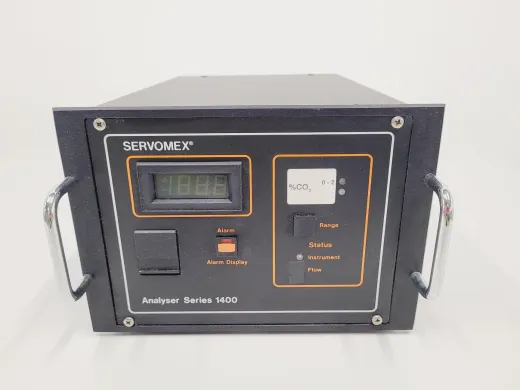
Servomex, Vaisala, Environmental Sciences, ATI, Dräger account for most of what is offered. For a buyer, their presence matters less as a badge than as a guide to what comes after purchase. Servomex and ATI are long-established in process and oxygen analysis, so sensor replacements and documentation for their benches tend to be findable; Vaisala's measurement modules are widely deployed, which makes a given model straightforward to compare against others of its class. Recognising the maker narrows where a model sits on price and how easily it can be matched against an alternative. Parts for any of them can be sourced via Questpair.
What a used gas analyser costs here
Of the listings, 98 percent are used. Prices run from EUR 86 to EUR 14.000, averaging EUR 1.302. That spread covers the distance between a single-sensor portable device and a multi-gas process bench with sample conditioning. The 134 listings come from 11 verified suppliers and distributors across 9 countries, and a used or refurbished unit is listed below the price of the equivalent new instrument.
Frequently asked questions
What is a gas analyser?
A gas analyser is an instrument that measures the concentration of one or more target gases in a sample, reporting the result as a percentage, a parts-per-million reading, or a partial pressure. It is used in combustion monitoring, emissions testing, process control and ambient air quality work.
What does gas analyser mean?
The term covers any instrument that quantifies specific gases in a stream or sample rather than simply detecting their presence. The name says nothing about the detection method, which varies from electrochemical cells to infrared absorption to column separation.
How do gas analysers work?
The sensing method depends on the target gas: electrochemical cells react with oxygen and toxic gases, infrared absorption reads carbon dioxide and hydrocarbons, paramagnetic sensing measures oxygen, and chromatographs separate a mixture on a column and read the components in sequence. The instrument converts the sensor response into a concentration reading.
What types of gas analysers are there?
The listings here include bench gas analyzers for fixed sampling points, portable gas analyzers carried to the measurement, environmental monitoring equipment built for ambient concentrations and long unattended runs, and gas chromatographs that resolve complex mixtures. The choice follows the target gas and whether the instrument stays in one place or travels.
What is a gas analyser used for?
Common uses are combustion and flue monitoring, emissions testing, process control on a line, and ambient air quality. The chromatograph types extend into life sciences for separating and quantifying volatile compounds, and environmental monitoring instruments track carbon dioxide and oxygen exchange in bioprocessing off-gas.
How do I choose a gas analyser?
Start from the target gas and the concentration range it must read, since a percent-level oxygen analyser will not resolve trace parts-per-million and a trace analyser saturates in a high-concentration stream. Confirm the gas list, the measuring range for each, and the sensing principle before looking at anything else.
What is the difference between refurbished and used gas analysers?
A used unit is sold in its existing condition, while a refurbished one has been checked and brought back toward working specification before listing. For either, verify the sensor history and recalibrate against certified gas after delivery, since that is the part that ages regardless of label.
How much does a gas analyser cost?
Prices here run from EUR 86 to EUR 14.000, averaging EUR 1.302. The low end covers single-sensor portable units and the high end multi-gas process benches with sample conditioning and chromatograph systems.
Which gas analyser brands are worth considering?
Servomex, Vaisala, Environmental Sciences, ATI and Dräger account for much of what is listed. Servomex and ATI are long-established in process and oxygen analysis, and Vaisala's measurement modules are widely deployed, which makes a given model straightforward to compare against others of its class.
Is a warranty available on a refurbished gas analyser?
A warranty is often possible and is arranged in consultation for the specific listing. Check the individual listing for what it states, since terms are not set centrally.
Can I get parts for a gas analyser?
Parts can be sourced via Questpair. For established process and oxygen brands such as Servomex and ATI, sensor replacements and documentation tend to be findable.
How long does a gas analyser last?
The chassis often outlasts the sensor, which is the component that ages: electrochemical cells have a finite life and lose sensitivity whether or not the instrument has run, infrared sources drift over time, and paramagnetic cells are robust but react to vibration. The practical lifespan depends on how often the cell is replaced and recalibrated.
Should I buy a new or a used gas analyser?
Used and refurbished units are listed below the price of the equivalent new instrument, which is what makes the second-hand route fit a constrained budget. Weigh the two against the specific listing and recall that warranty is arranged in consultation rather than set centrally.
Where can I buy a gas analyser?
The listings come from verified suppliers and distributors across 9 countries, gathered in the Questpair catalogue. You can compare new, used and refurbished units in one place across 11 suppliers.
What are the lead time and shipping like?
Lead time and shipping depend on the individual seller and the unit's location, so they are set per listing rather than centrally. For a specific timeframe, contact Questpair through the listing and specialists respond within 1 hour.
What calibration and maintenance does a gas analyser need?
Recalibration against certified gas is the first task after delivery regardless of what the seller reports, and a unit that cannot be spanned against a known concentration tells you nothing reliable. Ongoing maintenance centres on the sensor: track cell age, span and zero checks, and replacement intervals.
Which gas analyser types are listed most and who reaches for each?
Bench analyzers suit a fixed process line where a conditioned stream is drawn in continuously, while a field technician reaches for a portable gas analyzer carried to the measurement. Environmental monitoring instruments serve ambient work and long unattended runs, and a lab reaches for a gas chromatograph when a mixture has to be resolved component by component.
Which brands dominate this category and what does that mean for a buyer?
Servomex, Vaisala, Environmental Sciences, ATI and Dräger hold much of the catalogue, and their presence matters as a guide to what comes after purchase rather than as a badge. Recognising the maker narrows where a model sits on price and how easily it can be matched against an alternative or supplied with parts.
What separates the cheapest gas analysers here from the most expensive?
The bottom of the band is a single-sensor portable device with one gas channel and a battery, while the top is a multi-channel analytical instrument or chromatograph with sample conditioning. Channel count, sensing principle and the presence of a conditioning system account for the distance between EUR 86 and EUR 14.000.