

Spectrophotometers (UV-Vis, Fluor)
We personally find you the right used, refurbished and new spectrophotometers (uv-vis, fluor) instruments & equipment from verified suppliers.
Spectrophotometers are analytical instruments that measure how much light a sample absorbs or transmits across a range of wavelengths, in the ultraviolet, visible, and sometimes fluorescence regions. A UV-Vis instrument quantifies concentration through absorbance at a set wavelength, following the Beer-Lambert relationship, while a fluorescence model measures light re-emitted by an excited sample. On Questpair, 159 spectrophotometers are listed from 7 verified suppliers and distributors across 7 countries, spanning new, used, and refurbished laboratory units. 89 percent of the listings are used. Prices run from EUR 70 to EUR 35.000.
Updated:
Spectrophotometers (UV-Vis, Fluor) product list


Not the exact instrument you need?
Tell our scientists what you are after. We track it down, including off-market supply.
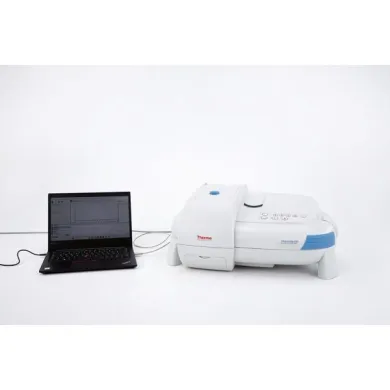
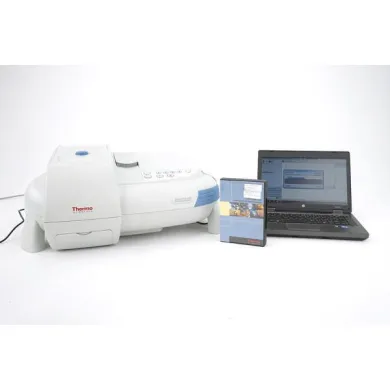
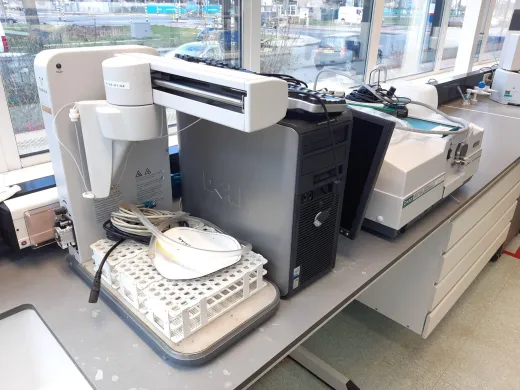
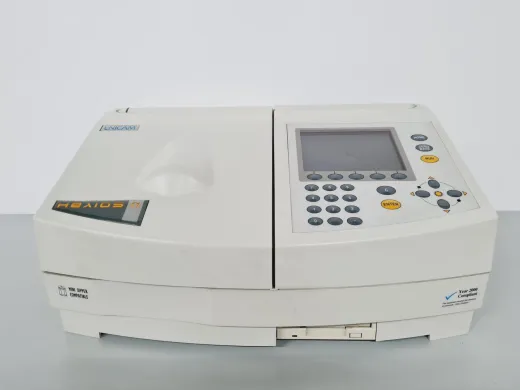
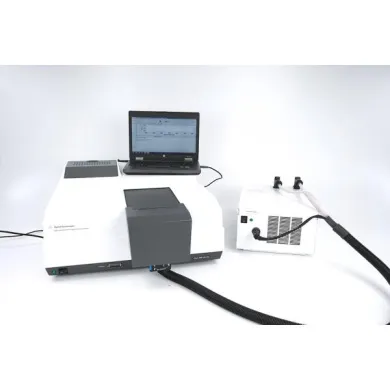
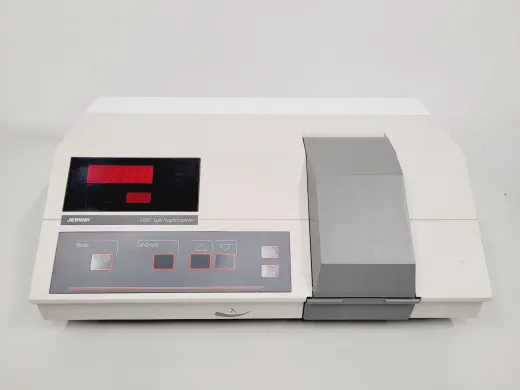
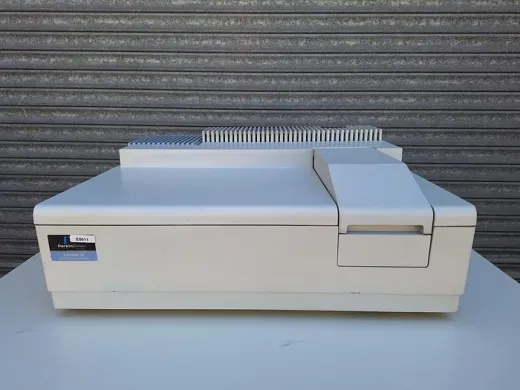
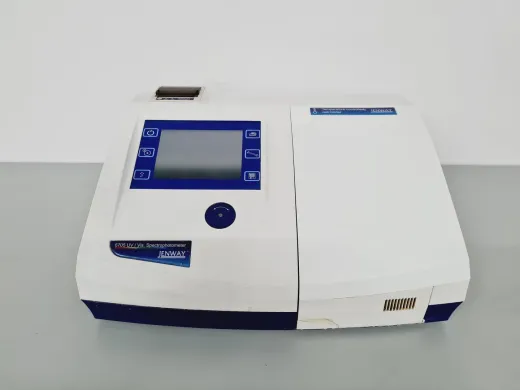
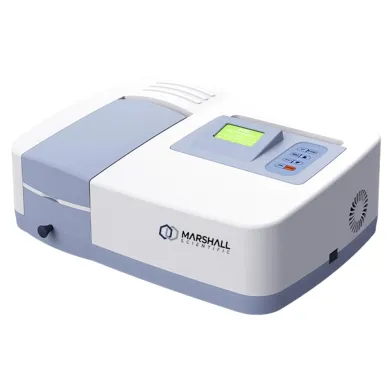
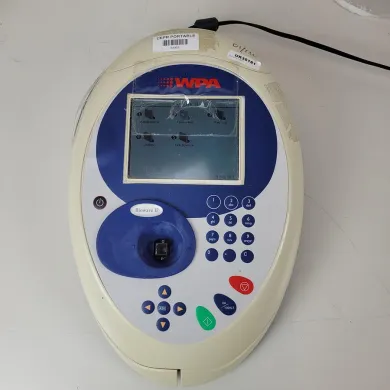
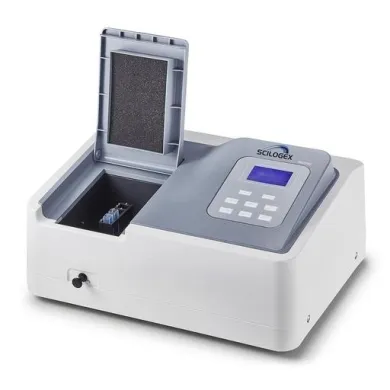
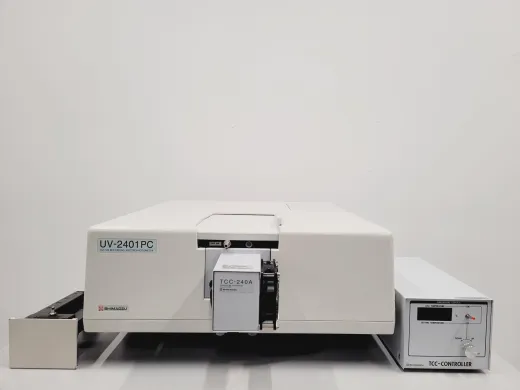
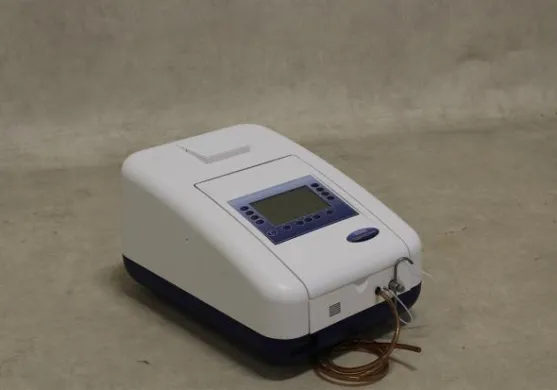
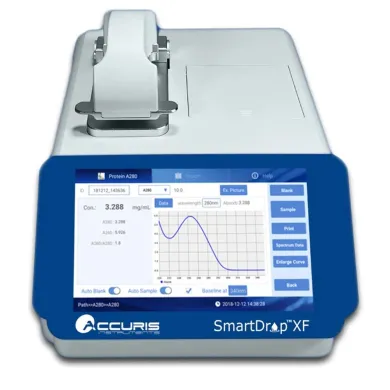
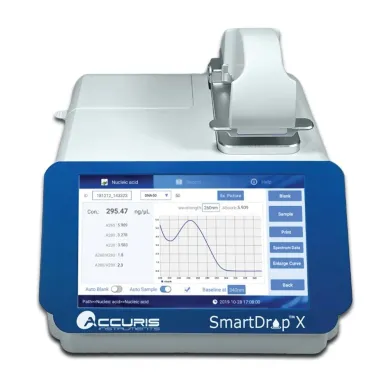
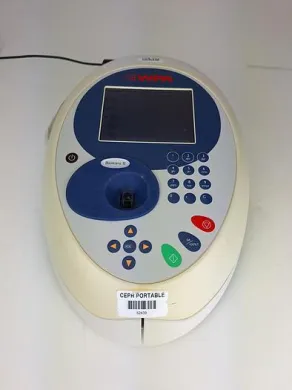
Not the exact instrument you need?
Tell our scientists what you are after. We track it down, including off-market supply.
Showing 1–40 of 43 listings
Show 3 more listingsBuying guide
What decides a spectrophotometer purchase, before any brand enters the conversation, is the optical range the work actually needs. A single-beam visible-only photometer reading from roughly 320 to 1000 nm covers routine colourimetric assays and will not touch protein or nucleic acid work, which lives down at 260 and 280 nm in the ultraviolet. A dual-beam UV-Vis instrument reaching below 200 nm, with a deuterium lamp alongside the tungsten source, is a different class of device and priced accordingly. Fluorescence adds another axis entirely, excitation and emission monochromators rather than a single absorbance path. So the first question is not which maker, but whether the method is colourimetric, UV absorbance, or fluorescence, because that split sorts the whole catalogue before specification refinements matter.
Once the range is settled, spectral bandwidth and wavelength accuracy separate instruments that look alike on paper. A 1 nm bandwidth resolves fine absorption features that a 5 nm instrument smooths over, which matters for structural work and matters very little for a routine standard curve. Stray light sets the ceiling on measurable absorbance, and photometric accuracy governs how far a reading can be trusted at the high-absorbance end.
On a used unit, the lamps are the part that ages. A deuterium lamp has a finite rated life and dims with hours of use, so a verified used instrument is worth more when its lamp hours are known or recent. The monochromator and detector rarely fail outright but drift, which is why wavelength calibration against a known standard, a holmium oxide filter or a didymium reference, is the check that tells you whether an instrument still reads true. Confirm the cuvette holder and any sipper or cell changer are present, since those accessories are expensive to replace and easy to overlook in a listing photograph.
Price spans a wide band here, and the spread is informative rather than confusing. The catalogue average sits at EUR 3.313, between a EUR 70 entry-level photometer and a EUR 35.000 research-grade system. Where a budget is fixed, a used or refurbished instrument from an established line fits it more readily than a new equivalent, since used and refurbished units listed for sale are more affordable than new. The dominant names in this range, Thermo Scientific, Jenway, Perkin Elmer, Shimadzu, Agilent, each occupy recognisable positions on that cost curve, which makes a model-to-model comparison across conditions straightforward. What a unit costs tracks its optical class far more than its badge.
Types of Spectrophotometers (UV-Vis, Fluor)
Which spectrophotometer types are listed here?
Among the listings that specify a type, the catalogue sorts into a few recognisable classes. The plain spectrophotometer and the UV-Vis spectrophotometer, written variously as uv-vis and uv/vis, make up the bulk, and the difference between them is optical reach rather than function: a visible-range photometer handles colourimetric assays, while a UV-Vis analyser extends into the ultraviolet for work at 260 and 280 nm. Alongside these sit entries filed more broadly as analytical instrument, optical instrument, or optical measurement device, usually older or specialised units whose seller described them by function rather than by the UV-Vis label.
These instruments are a backbone of molecular biology and biochemistry. A UV-Vis spectrophotometer is the standard tool for nucleic acid quantification, reading DNA and RNA concentration and purity through the 260 over 280 absorbance ratio, work that underpins genomics and proteomics sample preparation. The same instrument runs protein quantification by Bradford, Lowry, or BCA assay, and tracks bacterial growth by optical density in microbiology. A fluorescence spectrophotometer, where listed, serves immunoassay readout and cell imaging adjacent applications, detecting labelled targets at concentrations an absorbance instrument cannot reach. Enzyme kinetics, measured as absorbance change over time, is also used for characterising reaction rates in molecular diagnostics development.
The brands behind the spectrophotometer listings
The names that recur across the catalogue are Thermo Scientific, Jenway, Perkin Elmer, Shimadzu, Agilent. For a buyer, their presence matters in concrete ways rather than as a reputation signal. An established line means lamps, cuvette holders, and replacement parts are easier to source and that a given model has a documented specification to compare against. It also means a used unit can be matched against others of the same series, so condition and price become comparable rather than guesswork. These makers span the full optical spread, from compact visible photometers to research dual-beam systems, which is why the same brand can appear at very different prices depending on the model.
What a used spectrophotometer costs here
The condition mix leans heavily toward pre-owned instrumentation. 89 percent of the listings are used. Prices range from EUR 70 to EUR 35.000. That spread covers the distance between a basic single-beam photometer and a fully equipped UV-Vis research instrument with accessories, and the average of EUR 3.313 sits well below the top of the range, which reflects how many entry and mid-tier units populate the listings. New stock appears too, at the smaller 18 end of the catalogue, so a buyer weighing new against used can compare both within the same category and judge each listing on its stated condition.
Frequently asked questions
What is a spectrophotometer?
A spectrophotometer is an analytical instrument that measures how much light a sample absorbs or transmits across a range of wavelengths in the ultraviolet, visible, and sometimes fluorescence regions. A UV-Vis model quantifies concentration through absorbance, while a fluorescence model measures light re-emitted by an excited sample.
What does UV-Vis mean on a spectrophotometer?
UV-Vis refers to the optical range the instrument covers, the ultraviolet and visible portions of the spectrum. A visible-only photometer handles colourimetric assays, while a UV-Vis unit extends into the ultraviolet for work at 260 and 280 nm, such as nucleic acid readings.
How do spectrophotometers work?
A light source passes through a monochromator that selects a wavelength, the beam travels through the sample in a cuvette, and a detector reads how much light emerges. Absorbance is calculated from the difference between incoming and transmitted light, which relates to concentration through the Beer-Lambert relationship.
What types of spectrophotometers are there?
The listings sort into plain spectrophotometers and UV-Vis spectrophotometers, written as uv-vis and uv/vis, which make up the bulk. Broader entries filed as analytical instrument, optical instrument, or optical measurement device cover older or specialised units described by function rather than by the UV-Vis label.
What are spectrophotometers used for?
A UV-Vis spectrophotometer reads DNA and RNA concentration and purity through the 260 over 280 ratio, runs protein quantification by Bradford, Lowry, or BCA assay, and tracks bacterial growth by optical density. Fluorescence models serve immunoassay readout and detect labelled targets at concentrations absorbance instruments cannot reach.
How do I choose a spectrophotometer?
Start with the optical range the method needs: colourimetric work runs in the visible range, protein and nucleic acid work needs UV absorbance at 260 and 280 nm, and fluorescence needs excitation and emission paths. After range, spectral bandwidth, wavelength accuracy, stray light, and photometric accuracy separate instruments that otherwise look alike.
What is the difference between refurbished and used?
A used instrument is sold in its existing condition as described by the seller, while a refurbished unit has been checked and brought back toward working specification. The exact scope of any refurbishment is stated in the individual listing, so read the condition notes before buying.
How much does a spectrophotometer cost?
Prices in the catalogue range from EUR 70 to EUR 35.000, with an average of EUR 3.313. That spread covers the distance between a basic single-beam photometer and a fully equipped UV-Vis research instrument with accessories.
What are the best spectrophotometer brands?
The names that recur across the listings are Thermo Scientific, Jenway, Perkin Elmer, Shimadzu, and Agilent. Each spans the full optical spread, from compact visible photometers to dual-beam research systems, so the right choice depends on the optical class and specification your work requires rather than the badge.
Can I get a warranty on a refurbished spectrophotometer?
A warranty is often possible and is arranged in consultation for the specific listing. Check the condition details and ask through the listing before purchase.
Can I still get parts for these instruments?
Parts can be sourced via Questpair. Established lines like those listed here also make lamps, cuvette holders, and replacement components easier to match because the models have documented specifications.
How long does a spectrophotometer last?
The optics and detector are durable, but the lamps age: a deuterium lamp has a finite rated life and dims with use. A well-maintained instrument runs for many years provided lamps are replaced and wavelength calibration is kept current.
Should I buy new or refurbished?
Used and refurbished units are listed at lower prices than new, so a fixed budget stretches further with a pre-owned instrument from an established line. Both appear in the catalogue, so compare each listing on its stated condition and arrange any warranty in consultation for that specific unit.
Where can I buy a spectrophotometer?
On Questpair, 159 spectrophotometers are listed from 7 verified suppliers and distributors across 7 countries. The listings span new, used, and refurbished laboratory units.
What is the lead time and shipping on a spectrophotometer?
Lead time and shipping depend on the individual seller and the instrument's location, since listings come from suppliers and distributors across 7 countries. The details for a given unit are confirmed through its listing.
How do I calibrate and maintain a spectrophotometer?
Wavelength calibration against a known standard, such as a holmium oxide filter or a didymium reference, checks whether the instrument still reads true, since the monochromator and detector drift over time. Routine maintenance centres on lamp replacement and keeping the cuvette holder and optical path clean.
Which spectrophotometer types are listed most, and who reaches for which?
The plain spectrophotometer and UV-Vis spectrophotometer dominate the listings. A visible-range photometer suits labs running colourimetric assays and optical density, while a UV-Vis analyser is reached for by molecular biology and biochemistry work that needs ultraviolet readings for DNA, RNA, and protein.
Which brands dominate this category, and what does that mean for a buyer?
Thermo Scientific, Jenway, Perkin Elmer, Shimadzu, and Agilent recur across the listings. Their presence means a used unit can be matched against others of the same series, so condition and price become comparable, and replacement parts and documented specifications are easier to find.
What separates the cheapest spectrophotometers here from the most expensive?
A listing near EUR 70 is typically a single-beam visible-only photometer for routine colourimetric work, while one near EUR 35.000 is a dual-beam UV-Vis research system reaching into the ultraviolet with a deuterium lamp and accessories. Bandwidth, wavelength accuracy, and included cuvette holders or cell changers also widen the gap, so cost tracks the optical class far more than the brand.